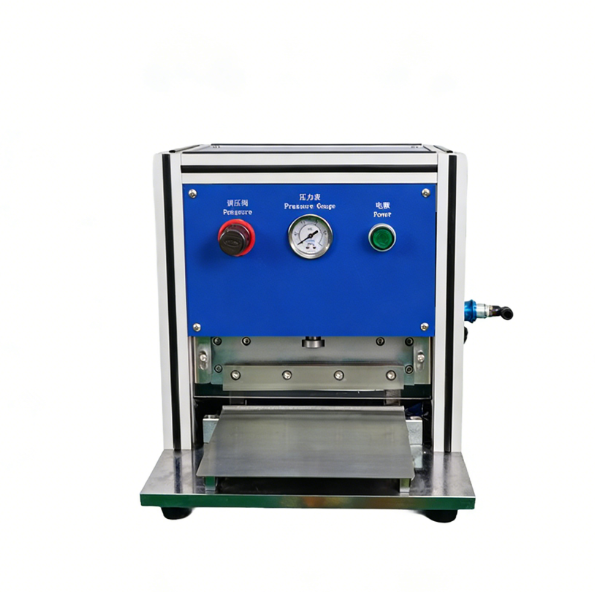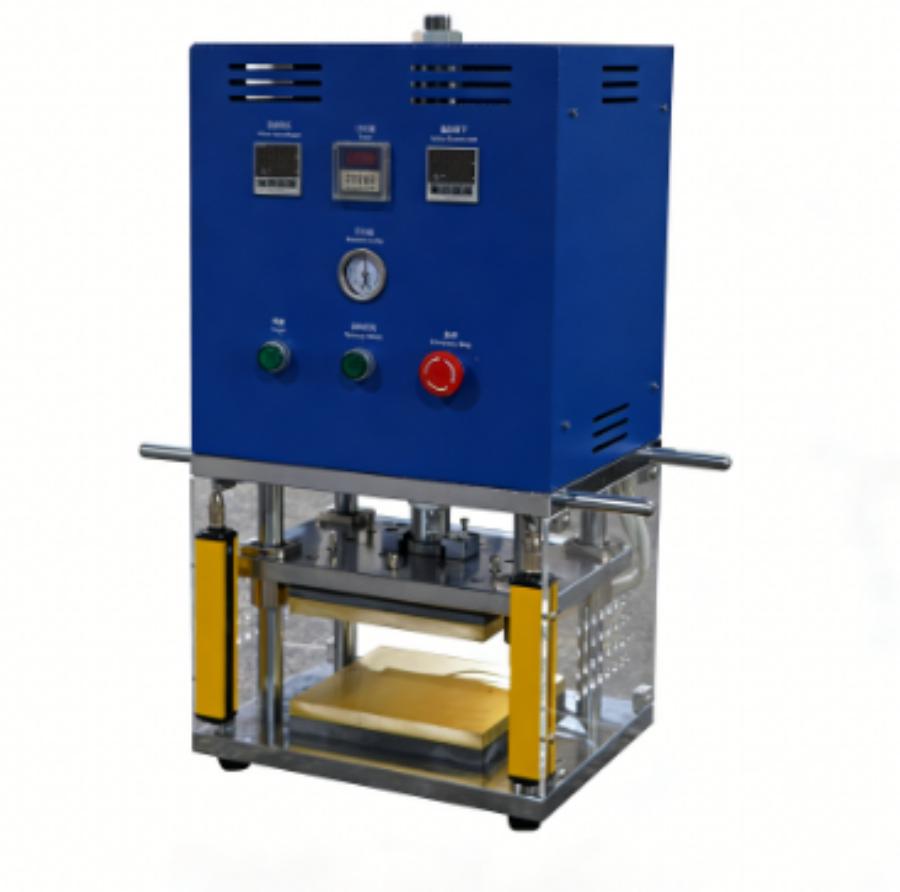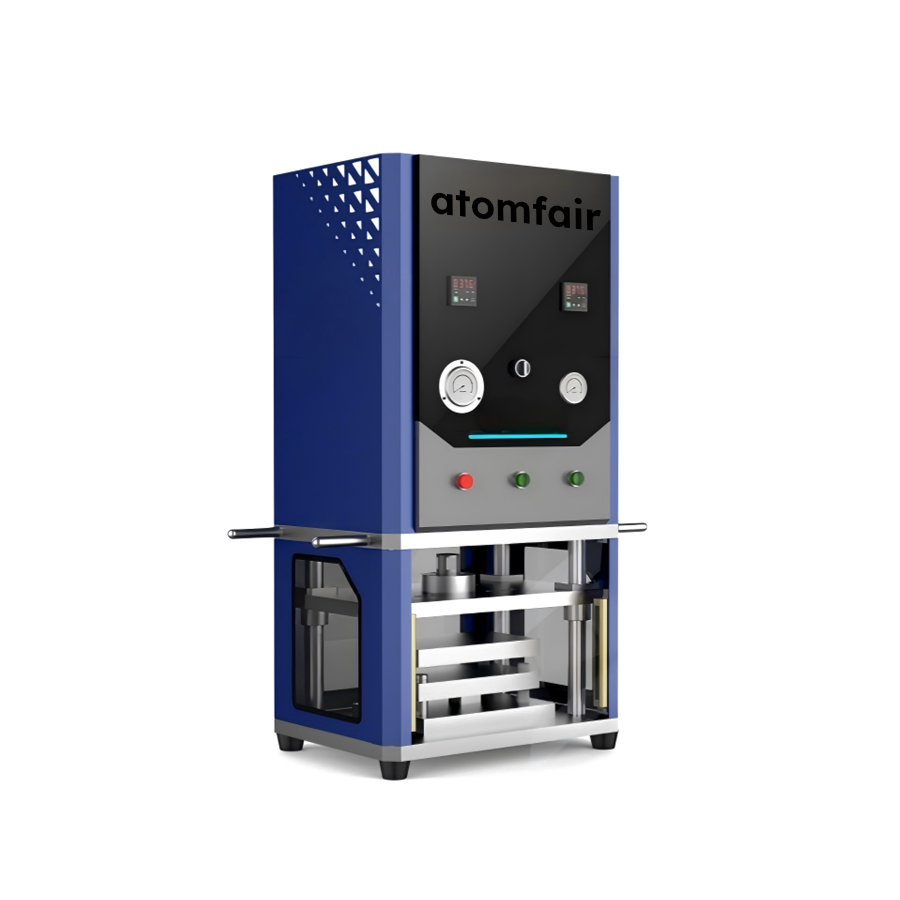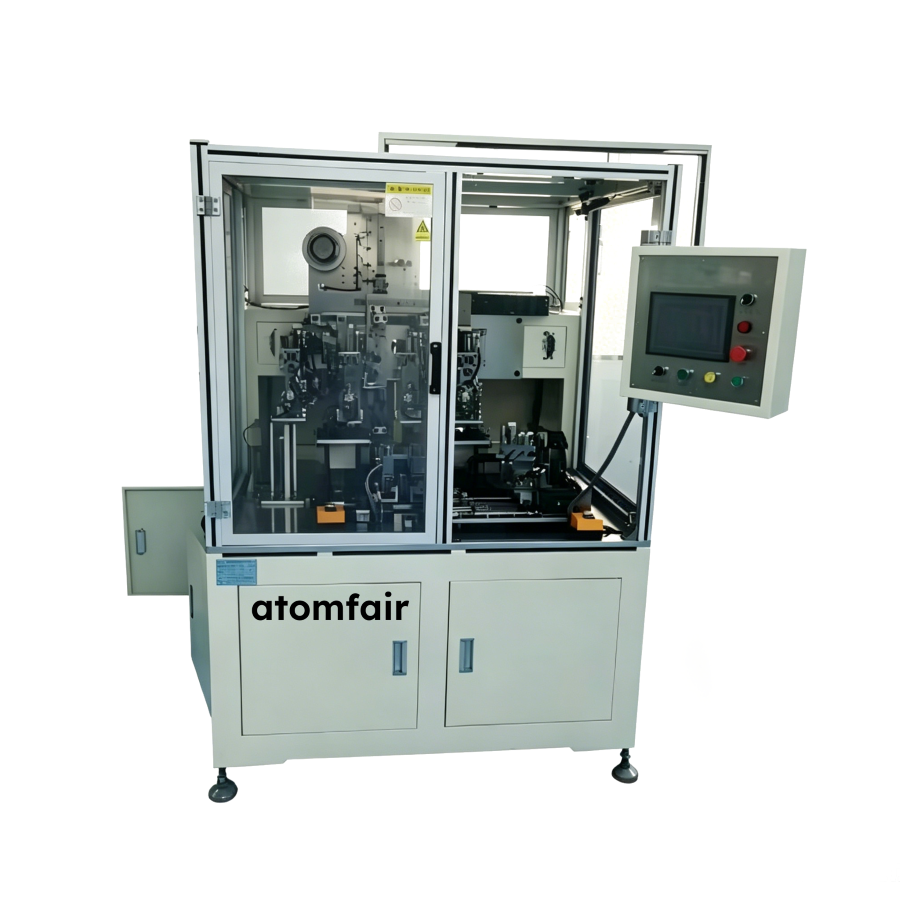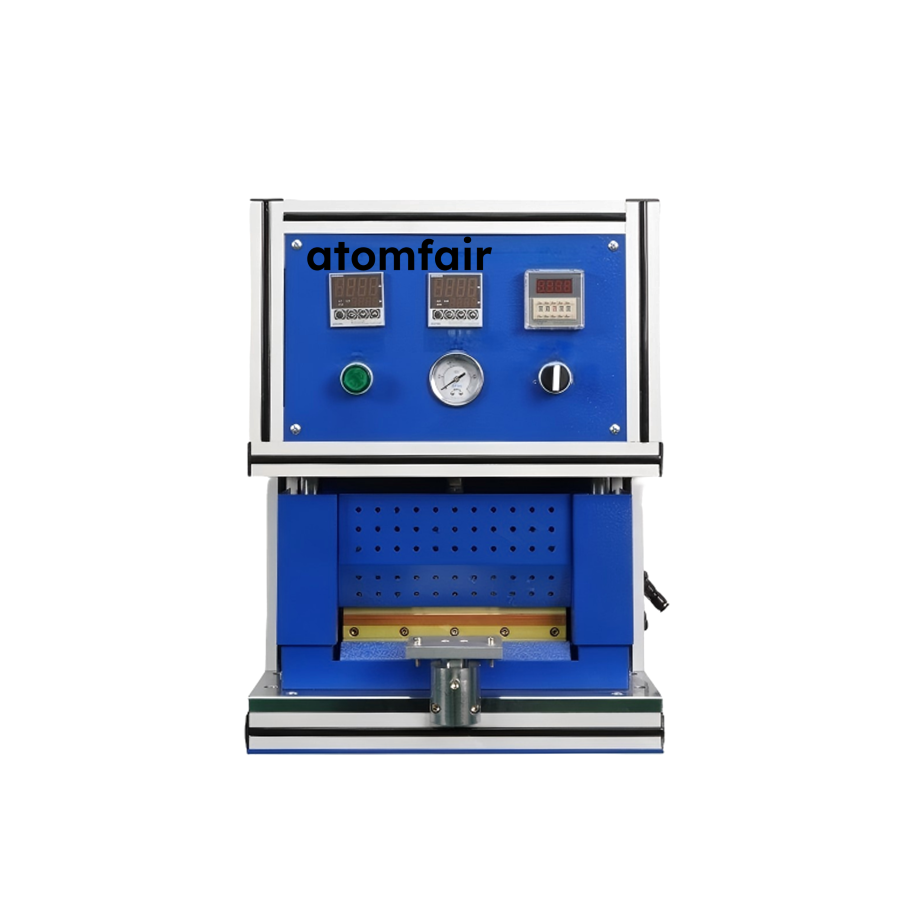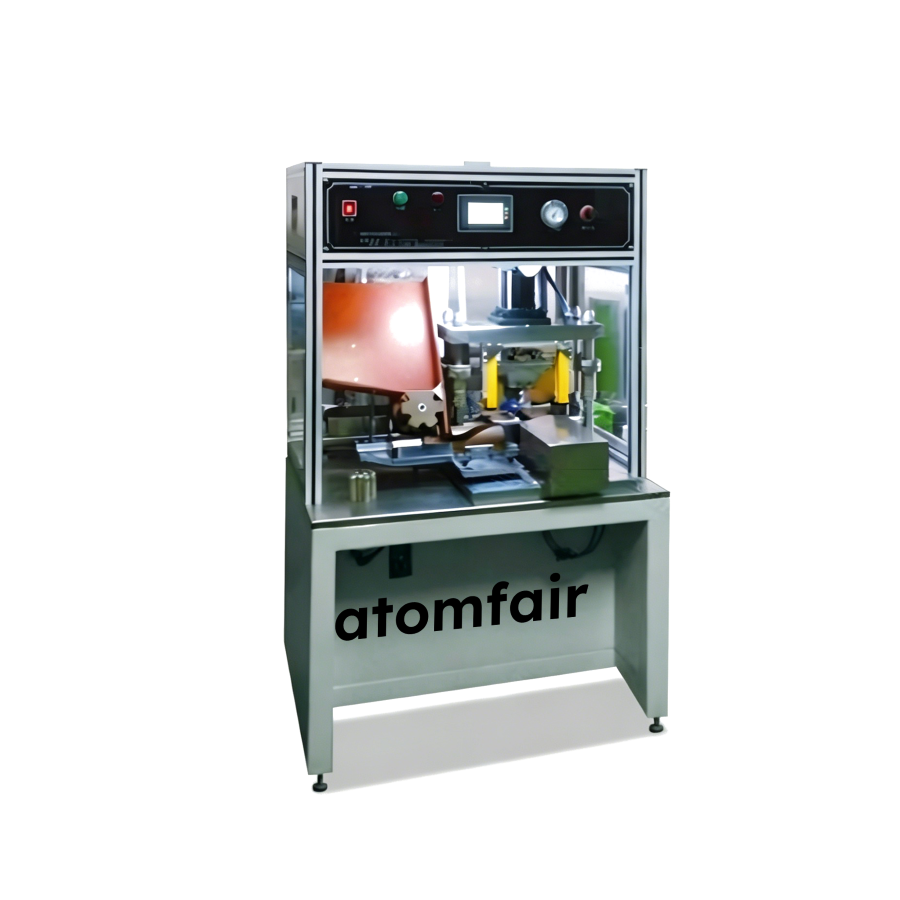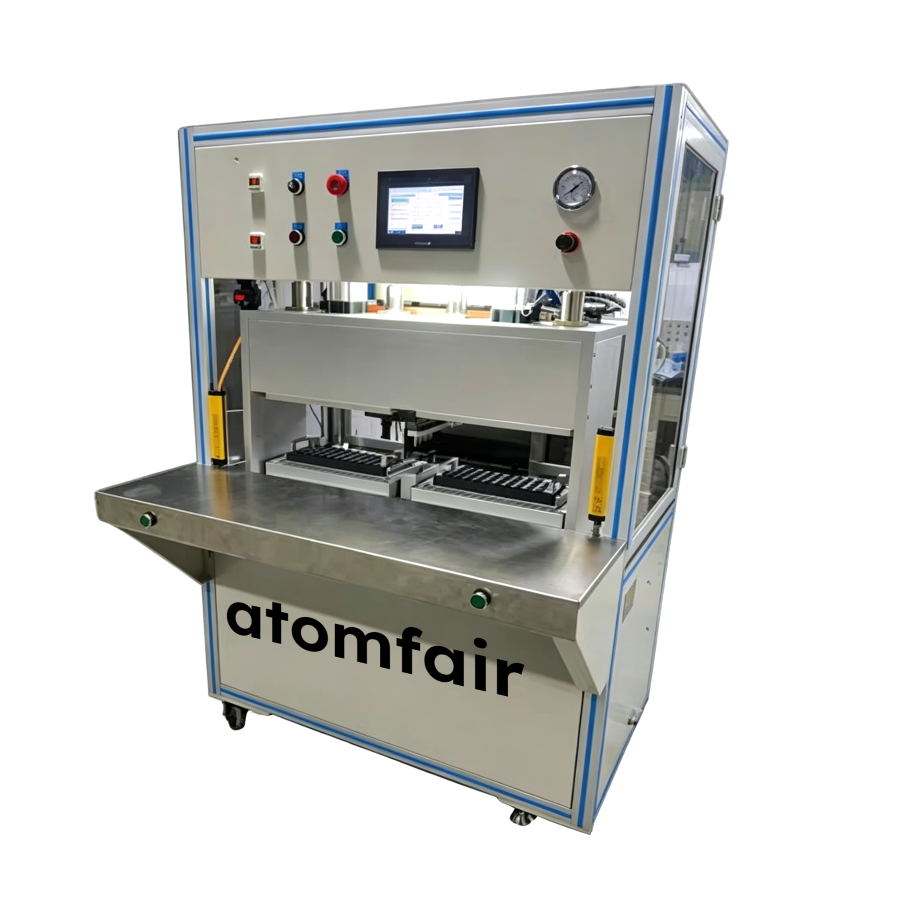
ATOMFAIR® VFS936 POUCH CELL VACUUM FILLING & SEALING MACHINERESEARCH GRADE MATERIAL
|
|||||||||||||||||||||||||||||||||||||||
|
|||||||||||||||||||||||||||||||||||||||
|
TAILORED SOLUTIONS FOR RESEARCH
Contact our engineering team for technical support or official institutional quotations.
EMAIL: inquiry@atomfair.com
|
|||||||||||||||||||||||||||||||||||||||
|
Manufacturer: Atomfair LLC
Brand: ATOMFAIR®
|
|||||||||||||||||||||||||||||||||||||||
This equipment requires connection to a dry gas supply with a dew point of -60°C to prevent moisture ingress into the electrolyte. Operation must be performed within a well-ventilated area with proper grounding to mitigate electrostatic discharge and chemical exposure risks.
- Compressed Air Supply: Maintain compressed air or inert gas supply within 0.5–0.8 MPa and ensure it is clean and dry.
- Sealing Head Temperature: Do not exceed the maximum sealing head temperature of 250°C to avoid material degradation and fire hazard.
- Vacuum System: Ensure the vacuum standing station does not exceed -90 KPa to prevent chamber collapse or seal failure.
- Electrolyte Handling: Wear appropriate personal protective equipment when handling electrolyte, as it is flammable and corrosive.
- Power Supply: Connect the equipment to a single-phase 220VAC ±10% supply with adequate current rating (6 kW) and a ground fault circuit interrupter.
This guide provides the essential steps for safe initialization and operation of the pouch cell filling and sealing equipment. Follow the steps sequentially to ensure proper filling, vacuum standing, and sealing of lithium-ion pouch cells.
Required Equipment: Automatic Pouch Cell Filling Sealing Machine, Dry Gas Supply System (dew point ≤ -60°C), Compressed Air or Inert Gas Supply (0.5-0.8 MPa)
- Connect gas supplies
Connect the dry gas supply and compressed air lines to the designated inlets on the machine. - Set sealing temperature
Set the sealing head temperature to the required value, for example 180°C, and allow the temperature to stabilize within ±2°C. - Load pouch cell
Load a pouch cell onto the fixture at the manual loading station. - Initiate vacuum standing
Initiate the vacuum standing cycle by setting the desired vacuum level and standing time on the control panel. - Activate sealing cycle
Activate the automatic sealing cycle after the vacuum standing is complete. - Remove sealed cell
Remove the sealed pouch cell from the machine and allow it to cool before further handling. - Verify system integrity
Verify that all connections are secure and that the chamber is sealed before starting any process.
How does the ±2°C sealing head temperature accuracy affect consistency of the 6 mm seal width?
The ±2°C sealing head temperature accuracy directly ensures consistent seal quality across the 6 mm standard seal width by preventing temperature-related defects such as incomplete sealing or polymer degradation. This precision is supported by the machine's heat sealing time range of 0–99 s, with a recommended 3–4 s dwell, allowing tight control of the thermal profile. The sealing pressure is also adjustable from 0.3–0.6 MPa to further optimize seal integrity.
What specific dual-tab battery configurations are compatible with the automatic pouch cell filling and sealing machine?
The machine is fully compatible with dual-tab pouch lithium-ion batteries up to L150 × W120 mm and a sealing length of up to 200 mm. It integrates automatic feeding, filling, vacuum standing, and vacuum sealing in one system, specifically engineered for batteries with tabs on both ends. The 4-station rotary table handles manual loading of cells and automates all subsequent processes, ensuring consistent electrolyte filling and seal quality for this dual-tab format.
What are the critical infrastructure requirements for the atmosphere control system, including dry gas dew point and supply pressure?
The infrastructure must supply dry gas with a dew point of -60°C at a pressure of 0.5–0.8 MPa through 4-inch (100 mm) inlet/outlet ports. This dry atmosphere is critical for maintaining a low-humidity environment during electrolyte filling and vacuum standing processes, preventing moisture contamination that can degrade cell performance. The machine also supports an optional external cover for dry gas supply to ensure the entire process remains in a controlled dry environment.
The Atomfair-VFS936 integrates a 4-station rotary table for automated pouch cell filling, vacuum standing, and sealing, with a precision electric piston pump achieving 0.3% filling accuracy and a sealing head providing ±2°C temperature control up to 250°C, making it suitable for dual-tab lithium-ion pouch cells up to 150×120 mm.
Positive
- High filling accuracy with electric piston pump: The electric piston pump delivers a filling accuracy of 0.3%, with adjustable volume and speed, ensuring consistent electrolyte dosing for reliable cell performance.
- Integrated automation with optional weighing: The rotary table design automates filling, vacuum standing, and sealing, and an optional automatic code scanning and weighing system records cell weight before and after filling for quality assurance.
Trade-offs
- Requires compressed air or inert gas supply: The machine operates on 0.5–0.8 MPa compressed air or inert gas, necessitating a dedicated gas supply line and appropriate infrastructure in the laboratory or production environment.
- Large footprint and heavy weight: With dimensions of W1900 × D1850 × H1950 mm and a weight of approximately 2.5 T, the machine requires substantial floor space and robust floor loading capacity for installation.
Every advanced material, component, equipment, and instrument in our catalog is backed by rigorous testing. We maintain strict internal quality management frameworks and align with CE conformity metrics to deliver transparent, reproducible performance data via our public open-science repository.
To request raw batch performance data, submit formal vendor registration paperwork, or execute a fast-turnaround R&D manufacturing loop, contact us at inquiry@atomfair.com.
Item is dispatched under the Atomfair Shipping & Delivery Framework (Free worldwide shipping on orders over $59 USD excl. heavy equipment). Return is governed by the Atomfair Return & Refund Policy (7-day technical return window).