Atomfair PIR Sensor 837 Pyroelectric Sensor Experiment Instrument
Product Overview
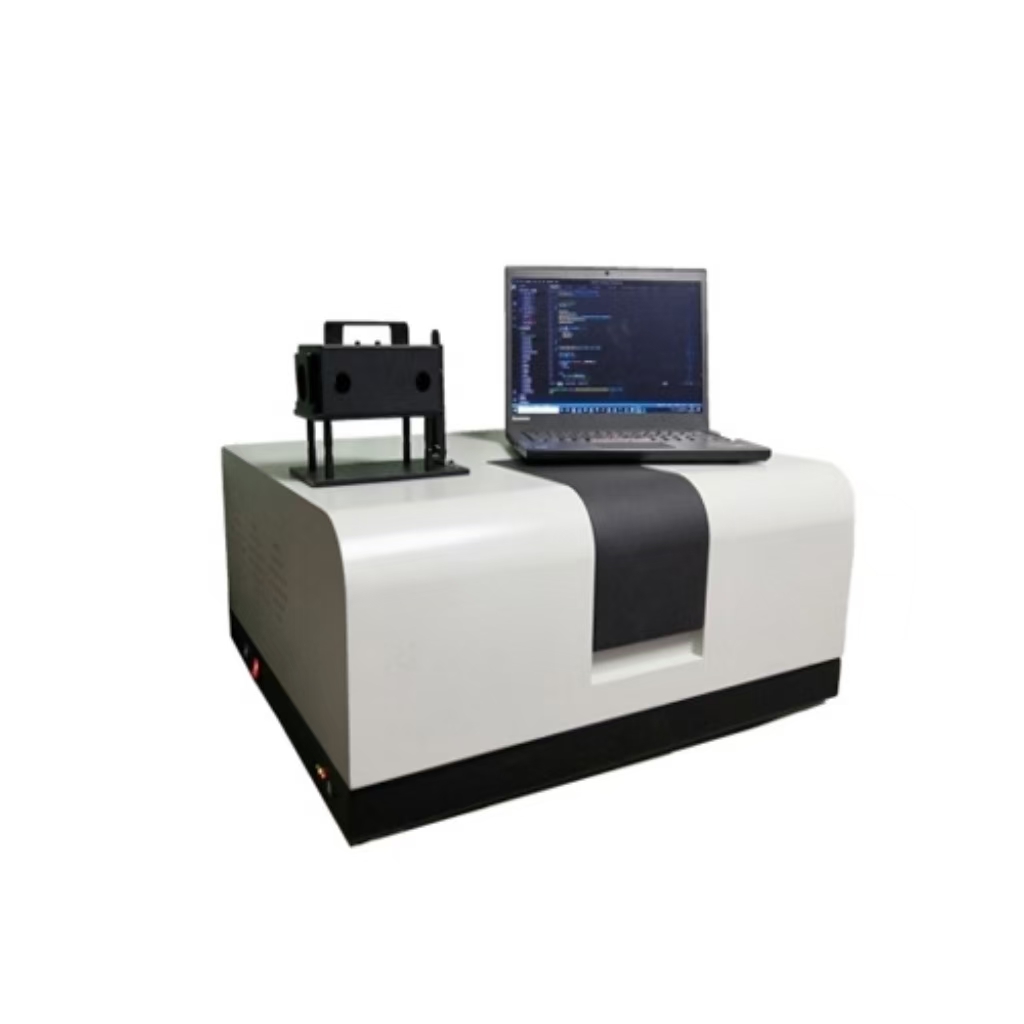
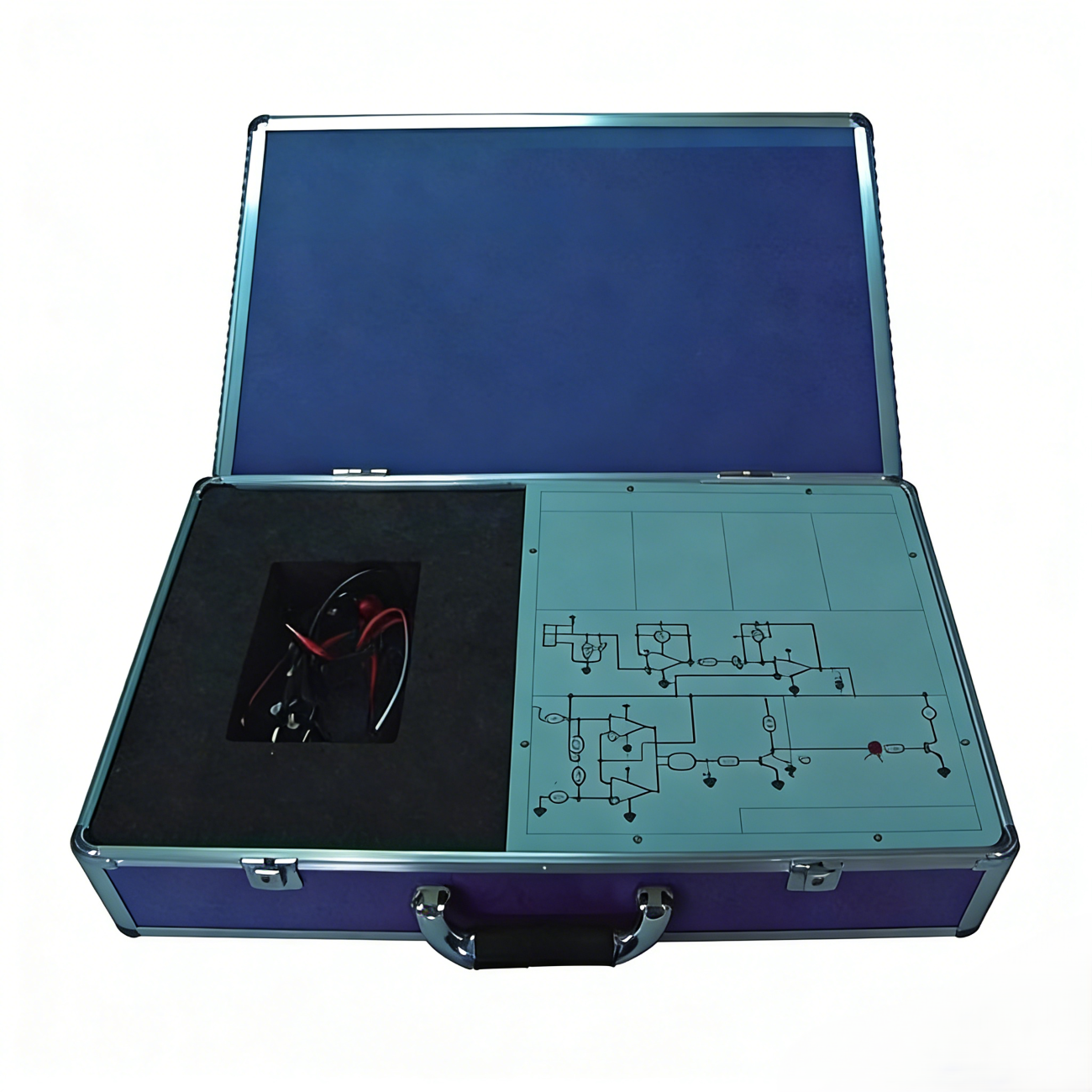
Atomfair PIR Sensor 837 is a professional experimental device designed to help users deeply understand and master the working principle and practical operation of pyroelectric sensors (PIR Sensors) through building an infrared alarm system. It integrates two core modules: principle-based experiments and finished product experiments of pyroelectric infrared alarms, making it an ideal choice for teaching, scientific research, and skill training scenarios related to sensor technology.
Key Experiment Contents
- Pyroelectric Sensor Principle Exploration Experiment
- Pyroelectric Sensor System Installation and Debugging Experiment
- Delay Time Control Experiment
- Pyroelectric Alarm Function Verification Experiment
Core Configuration & International Standard Specifications
| Component Name | Specifications |
|---|---|
| Instrument Host | Chassis dimensions: 514mm × 314mm × 140mm; Weight: ≤ 4kg |
| Pyroelectric Sensor | Thermistor size: 2mm × 1mm; Operating wavelength: 7-14μm; Average transmittance: >75%; Output signal: >2.5V; Operating current: 8.5-24μA; Source voltage: 0.4V-1.1V; Operating temperature: -20°C to +70°C; Storage temperature: -35°C to +80°C; Field of view: 139°×126° |
| Fresnel Lens | Outer diameter: 23mm; Inner diameter: 20mm; Focal length: 5mm; Induction angle: 89°; Induction distance: 5m |
| Pyroelectric Alarm | Detection core: High-sensitivity dual-element rectangular infrared detector; Start-up time: 30s; Detection speed: 0.2-7m/s; Sensitivity: Multi-level adjustable; Alarm indication: LED constant on + audible alert |
Product Features
- Equipped with standardized components, featuring accurate and stable parameters that comply with international general experimental instrument specifications.
- Covers the entire process of principle exploration, installation, debugging, and function expansion, offering strong practicality for various experimental needs.
- Adapts to a wide temperature working environment with flexible storage conditions, facilitating long-term storage and use.
- Clear and intuitive alarm indication with multi-level adjustable sensitivity, suitable for different experimental scenarios and application requirements.
Product Application & Usage Scenarios
- Educational Institutions: Perfect for universities, technical colleges, and vocational schools to conduct sensor-related teaching experiments, helping students deepen their understanding of pyroelectric sensor technology through hands-on operation.
- Scientific Research Institutions: Provides a reliable experimental platform for researchers engaged in sensor technology R&D, supporting the exploration and verification of new theories and application schemes.
- Skill Training Centers: Ideal for technical training programs focused on electronic technology, automation, and security systems, helping trainees master practical skills in sensor installation, debugging, and system integration.
If you’re interested, have any questions, or have specific customization requirements, please feel free to contact us at inquiry@atomfair.com.
How do the Fresnel lens specifications (89° induction angle, 5 m range) affect effective detection coverage compared to the pyroelectric sensor's inherent field of view (139° × 126°)?
The Fresnel lens focuses infrared radiation onto the sensor, narrowing the effective detection angle to 89° while extending the detection range to 5 meters. In contrast, the bare pyroelectric sensor has a wider field of view of 139° × 126° but lacks the lens' concentrating ability. Thus, the lens enables longer-distance detection at the cost of reduced angular coverage, which is a deliberate trade-off for targeted alarm applications.
What are the output signal characteristics of the pyroelectric sensor for integration with external data acquisition or microcontroller systems?
The pyroelectric sensor provides an output signal >2.5 V with an operating current of 8.5–24 μA and a source voltage of 0.4–1.1 V. These levels are compatible with standard TTL digital inputs, allowing direct connection to microcontrollers or DAQ modules. Additionally, the included pyroelectric alarm module offers multi-level adjustable sensitivity and both LED constant-on and audible alert outputs for standalone verification.
What temperature limits must be observed during operation and storage of the Atomfair PIR Sensor 837 to ensure reliable performance?
The pyroelectric sensor operates from -20°C to +70°C and can be stored from -35°C to +80°C. The instrument host (chassis dimensions 514 mm × 314 mm × 140 mm, weight ≤4 kg) and Fresnel lens (outer diameter 23 mm, focal length 5 mm) should be kept within these temperature ranges. For long-term storage, avoid extreme humidity and physical shock to protect the optical components and sensitive infrared detector.
The Atomfair PIR Sensor 837 is a bench-top experimental instrument for pyroelectric sensor education, integrating a dual-element infrared detector with a Fresnel lens and adjustable alarm circuitry. Its 7-14μm operating band and 5m detection range support hands-on experiments in principle exploration, system debugging, and delay-time control, though its 514mm × 314mm × 140mm chassis requires dedicated bench space and a 30s start-up delay must be accounted for in lab scheduling.
Positive
- Broad temperature operating range: The sensor operates from -20°C to +70°C and stores from -35°C to +80°C, enabling use in varied lab environments and long-term storage without performance degradation.
- Multi-level adjustable sensitivity: The alarm's sensitivity is multi-level adjustable, allowing adaptation to different experimental scenarios and detection distances, enhancing flexibility in teaching and research applications.
Trade-offs
- Requires 30-second start-up time: The pyroelectric alarm has a 30s start-up period, which must be factored into experiment timelines and may delay rapid testing or demonstrations.
- Large bench footprint: The instrument host measures 514mm × 314mm × 140mm and weighs up to 4kg, requiring dedicated bench space and stable support in crowded teaching or research labs.
Every advanced material, component, equipment, and instrument in our catalog is backed by rigorous testing. We maintain strict internal quality management frameworks and align with CE conformity metrics to deliver transparent, reproducible performance data via our public open-science repository.
To request raw batch performance data, submit formal vendor registration paperwork, or execute a fast-turnaround R&D manufacturing loop, contact us at inquiry@atomfair.com.
Item is dispatched under the Atomfair Shipping & Delivery Framework (Free worldwide shipping on orders over $59 USD excl. heavy equipment). Return is governed by the Atomfair Return & Refund Policy (7-day technical return window).