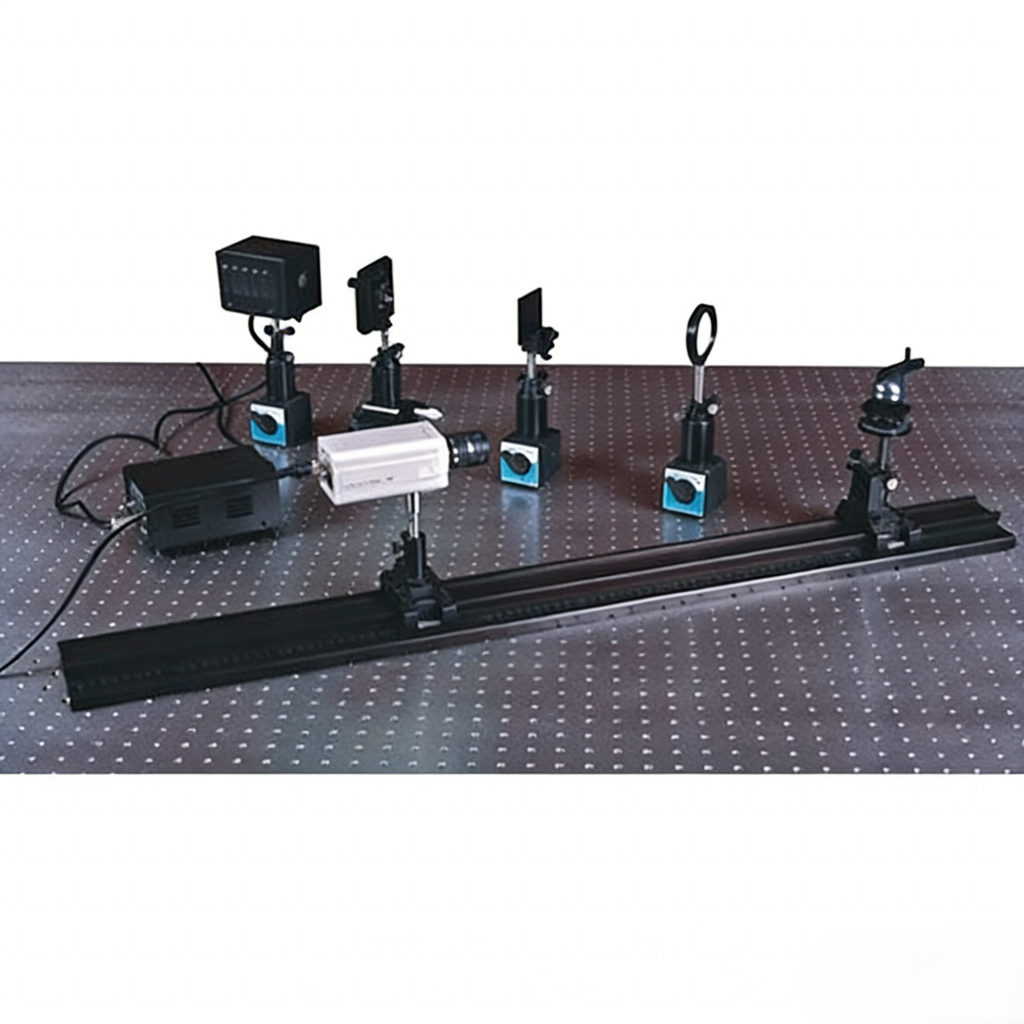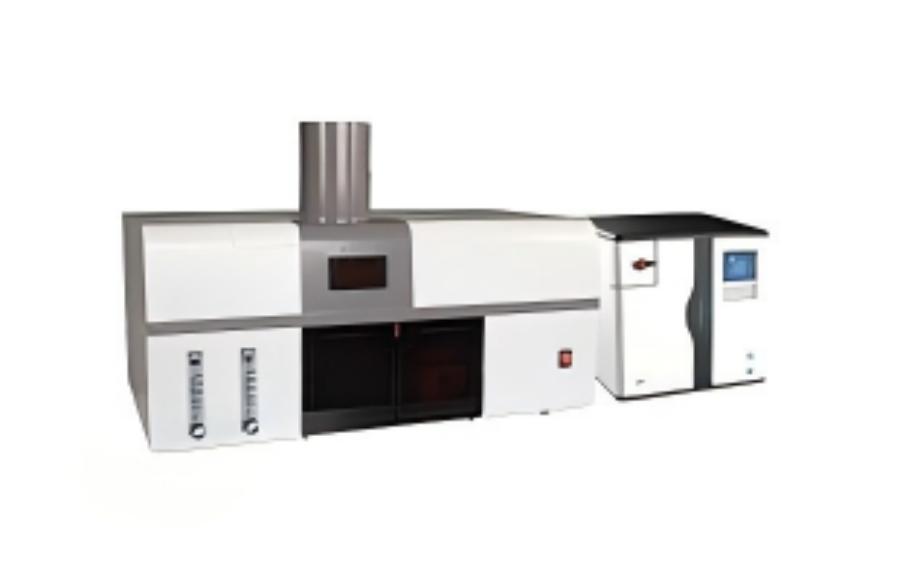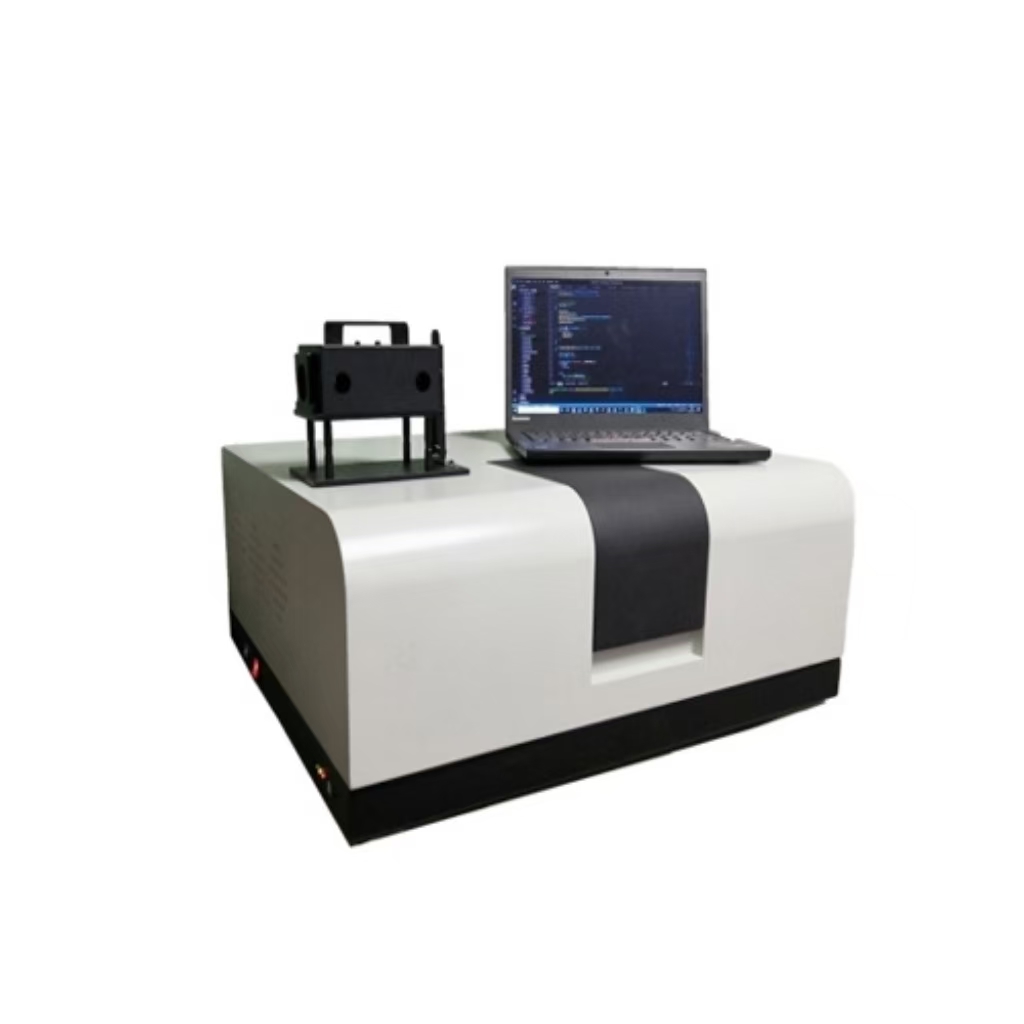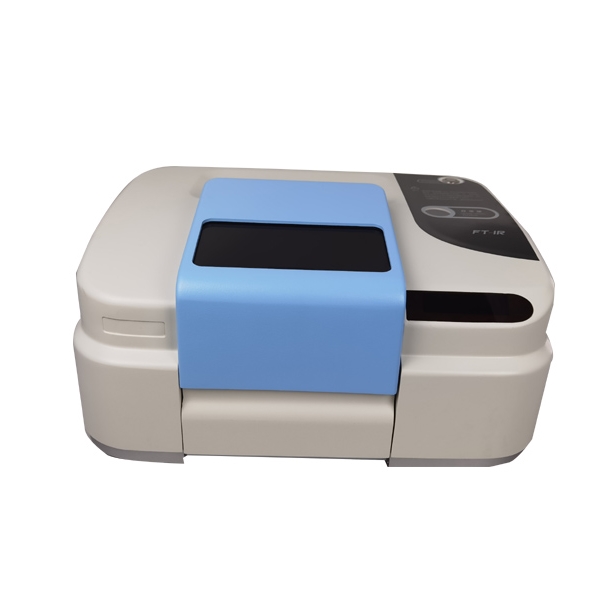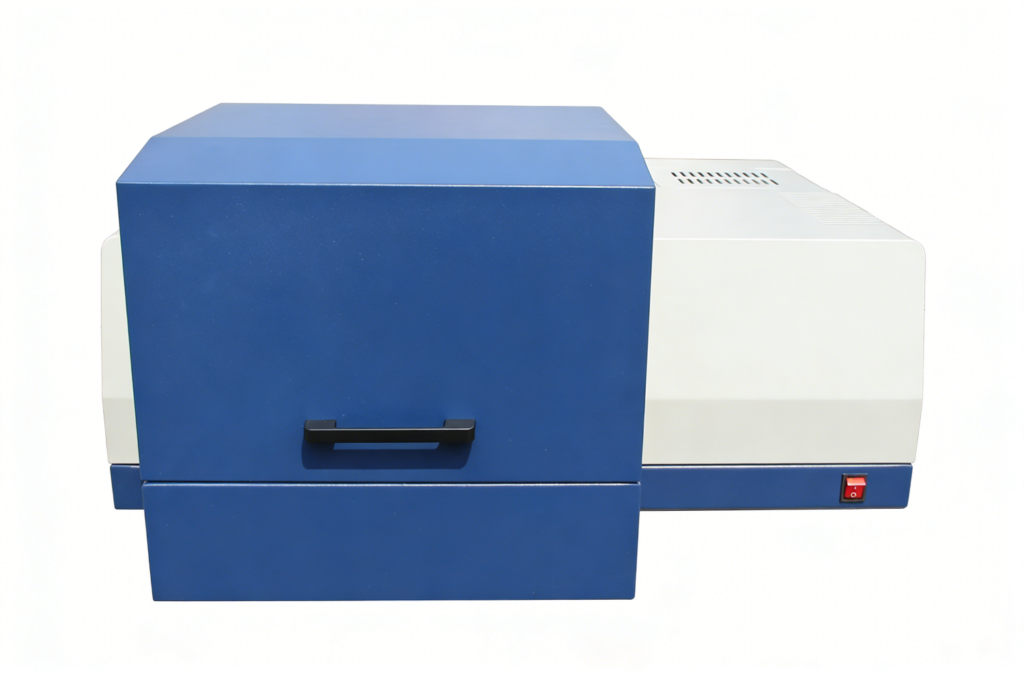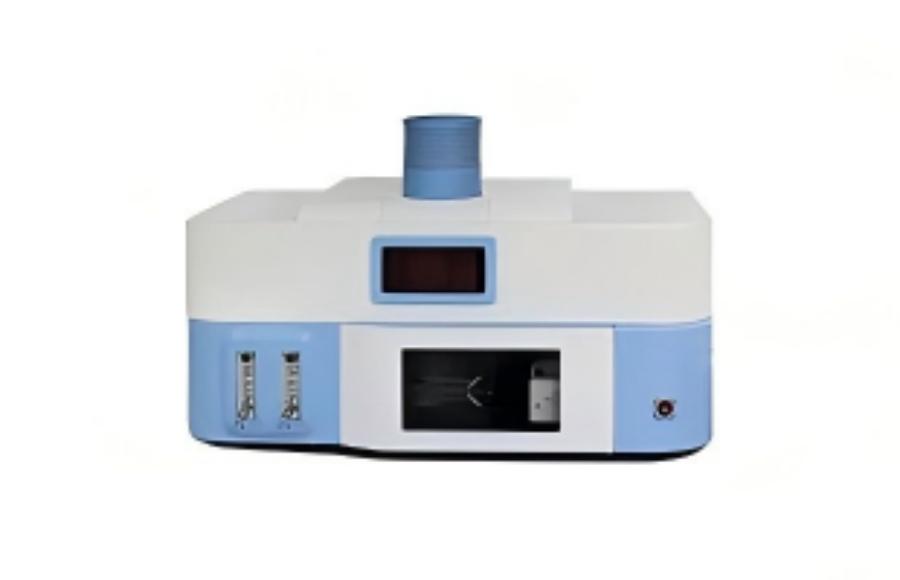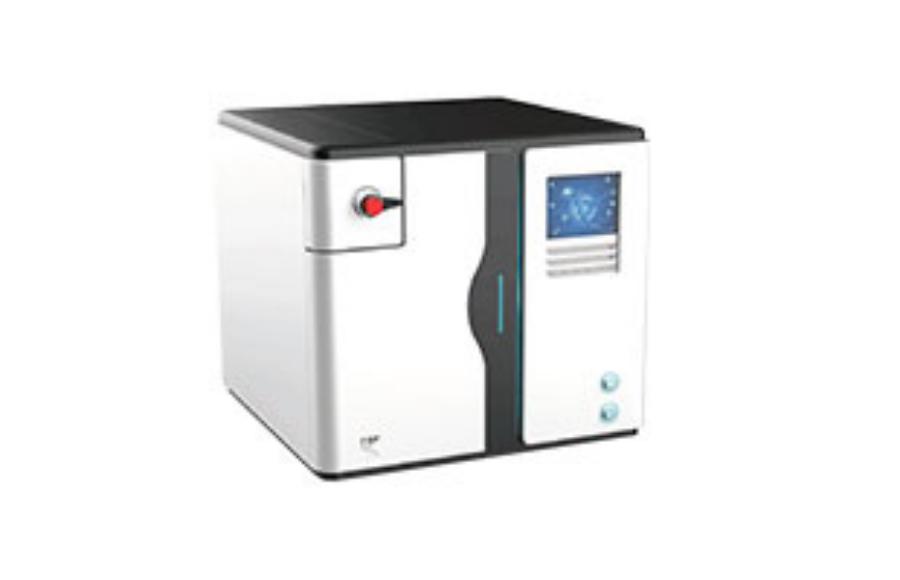
Atomfair-ASF-962 Atomic Fluorescence Speciation Analysis Module
Core Functions
Accurately complete speciation analysis of Arsenic (As), Mercury (Hg) and Antimony (Sb) elements. Adopt the combined technology of liquid chromatography and atomic fluorescence, comply with relevant international testing standards, and provide reliable support for elemental speciation detection.
Technical Specifications
| Element Form | Minimum Detectable Amount (ng) | Precision | Analysis Time (min) | Linear Range |
|---|---|---|---|---|
| As(III) | ≤0.03 | 3% | <10 | Three orders of magnitude |
| DMA (Dimethylarsenic) | ≤0.05 | 3% | <10 | Three orders of magnitude |
| MMA (Monomethylarsenic) | ≤0.05 | 3% | <10 | Three orders of magnitude |
| As(V) | ≤0.5 | 3% | <10 | Three orders of magnitude |
| Hg(II) | ≤0.01 | 3% | <10 | Three orders of magnitude |
| MetHg (Methylmercury) | ≤0.01 | 3% | <10 | Three orders of magnitude |
| EtHg (Ethylmercury) | ≤0.02 | 3% | <10 | Three orders of magnitude |
| Sb(III) | ≤0.5 | 3% | <10 | Three orders of magnitude |
Product Composition
The instrument consists of three parts: liquid phase pump unit, docking unit (including UV digestion function) and atomic fluorescence host, which cooperate with the chromatography workstation unit to realize the complete analysis process:
- First, the sample enters the liquid phase pump unit, and the speciation and valence state of the elements are separated through the chromatographic column;
- The separated sample enters the docking unit, which is responsible for realizing the signal docking between the liquid phase pump and the atomic fluorescence host, and also digesting and converting the organic matter separated by the liquid phase into inorganic matter;
- The treated sample enters the atomic fluorescence host, is detected by hydrogenation reaction, and finally outputs accurate results.
Product Features
- Flexible pump configuration, optional single pump or binary gradient pump. The signal is automatically triggered during the injection process, and the workstation can automatically collect signals and record data in real time with high efficiency and convenient operation;
- Equipped with an independent liquid crystal display operation platform, the running status is intuitive and clear, and the operation mode of the liquid phase pump can be flexibly adjusted;
- Built-in filtration device can effectively protect the analytical column and extend its service life;
- Adopt the fusion connection technology of quartz capillary and PEEK tube, successfully eliminate dead volume, reduce peak broadening, and have excellent anti-ultraviolet, corrosion resistance and aging resistance performance;
- Digestion power and time can be flexibly adjusted, which greatly enhances the digestion capacity and adapts to different sample processing requirements;
- Adopt light leakage free cooling technology, which not only avoids the harm of ultraviolet light to human body, but also eliminates the peak broadening phenomenon caused by air resistance generated by heat, ensuring the accuracy of detection and operational safety;
- Equipped with multi-functional data interface, supporting analog signal & digital signal data output, compatible with a variety of chromatography workstations, and adapted to the equipment configuration requirements of different laboratories.
If you’re interested, have any questions, or have specific customization requirements, please feel free to contact us at inquiry@atomfair.com.
What are the minimum detectable amounts for different arsenic species using the Atomfair-ASF-962 Atomic Fluorescence Speciation Analysis Module?
The minimum detectable amounts vary by species: As(III) ≤0.03 ng, DMA and MMA ≤0.05 ng, As(V) ≤0.5 ng. All species achieve precision of 3% and analysis time <10 minutes with a linear range spanning three orders of magnitude.
How does the Atomfair-ASF-962 integrate with existing liquid chromatography systems and workstations?
The module includes a liquid phase pump unit (single or binary gradient), a docking unit with UV digestion, and an atomic fluorescence host. It features a multifunctional data interface supporting both analog and digital signal output, making it compatible with various chromatography workstations. The fusion connection of quartz capillary and PEEK tube eliminates dead volume and peak broadening.
What safety and operational features does the Atomfair-ASF-962 incorporate for UV digestion?
The system employs a light leakage free cooling technology that prevents UV light exposure to the operator and eliminates peak broadening from heat-induced air resistance. Additionally, built-in filtration protects the analytical column, extending its service life. Digestion power and time are flexibly adjustable to suit different samples.
The Atomfair-ASF-962 Atomic Fluorescence Speciation Analysis Module integrates liquid chromatography with atomic fluorescence detection to quantify As, Hg, and Sb species, achieving minimum detectable amounts as low as 0.01 ng for Hg(II) and MetHg with 3% precision and analysis times under 10 minutes. Its modular design, including a UV digestion docking unit and quartz-PEEK fusion connections, supports speciation analysis while minimizing dead volume and peak broadening.
Positive
- High-sensitivity multi-element speciation: Detects As(III), DMA, MMA, As(V), Hg(II), MetHg, EtHg, and Sb(III) with minimum detectable amounts from 0.01 to 0.5 ng, enabling trace-level speciation analysis in complex matrices.
- Integrated UV digestion and flow design: The docking unit's UV digestion converts organic species to inorganic forms, while quartz-PEEK fusion connections eliminate dead volume and reduce peak broadening, improving chromatographic resolution and reproducibility.
Trade-offs
- Requires specialized operational expertise: Effective use demands familiarity with liquid chromatography, atomic fluorescence detection, and method-specific digestion parameters, which may require additional training for routine lab personnel.
- Infrastructure and maintenance dependencies: The system requires a stable supply of high-purity reagents, a compatible chromatography workstation, and regular maintenance of the UV digestion lamp and capillary connections to sustain performance and prevent contamination.
Every advanced material, component, equipment, and instrument in our catalog is backed by rigorous testing. We maintain strict internal quality management frameworks and align with CE conformity metrics to deliver transparent, reproducible performance data via our public open-science repository.
To request raw batch performance data, submit formal vendor registration paperwork, or execute a fast-turnaround R&D manufacturing loop, contact us at inquiry@atomfair.com.
Item is dispatched under the Atomfair Shipping & Delivery Framework (Free worldwide shipping on orders over $59 USD excl. heavy equipment). Return is governed by the Atomfair Return & Refund Policy (7-day technical return window).