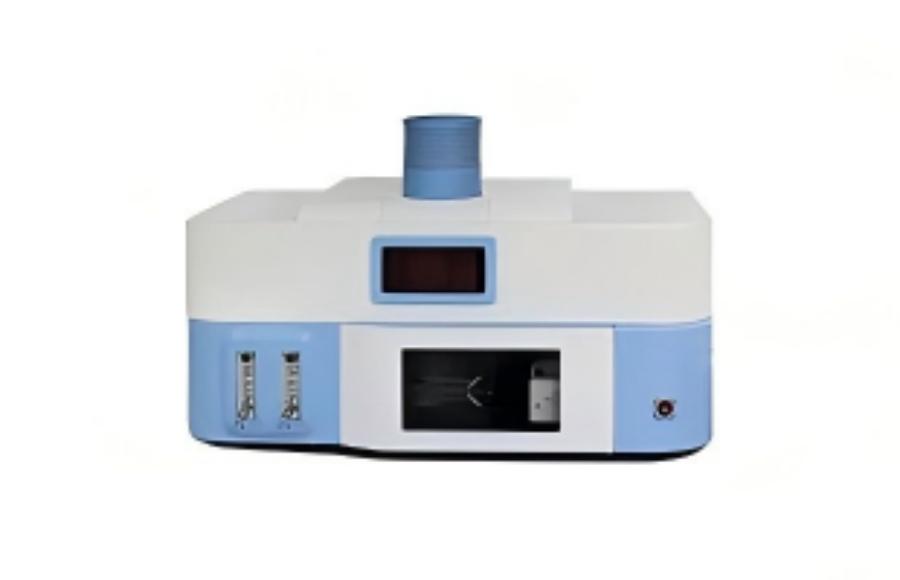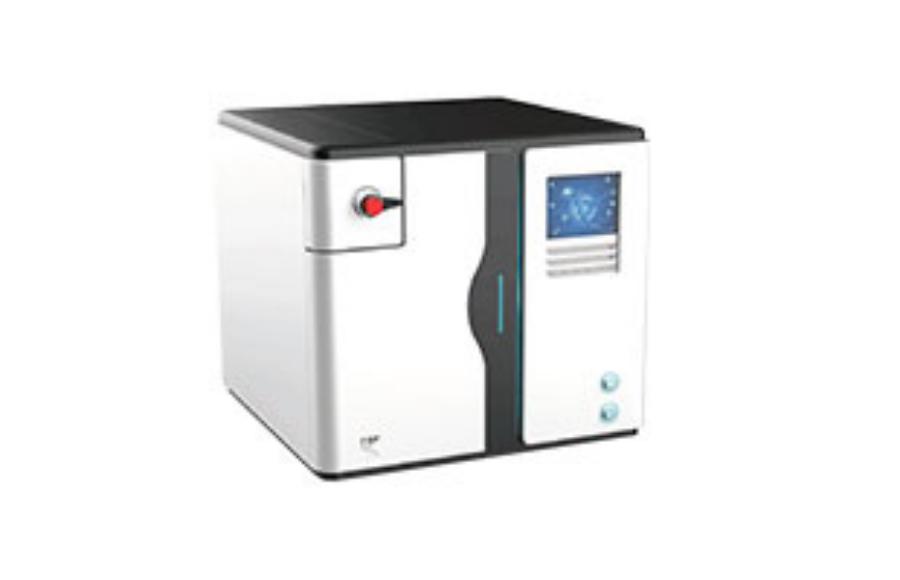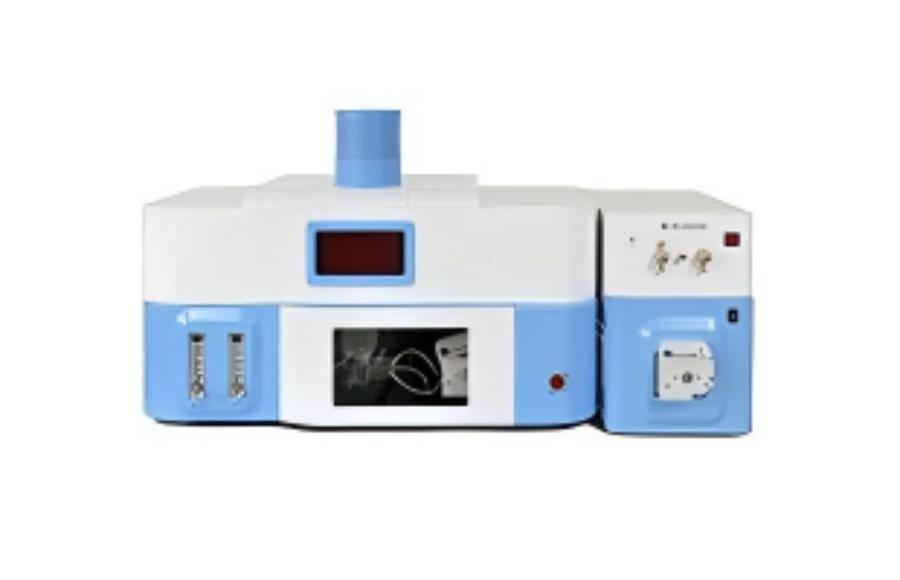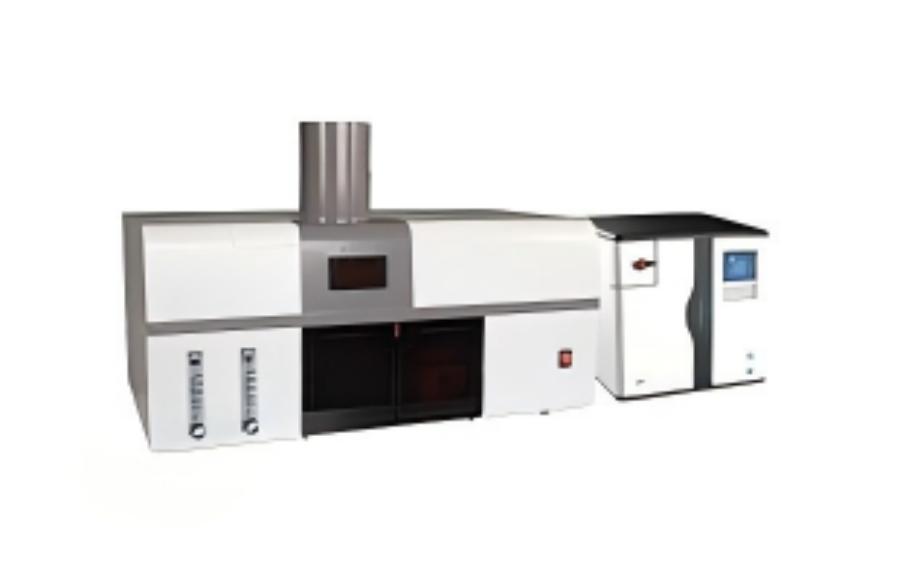
Atomfair-LC-AFS 680 Liquid Chromatography-Atomic Fluorescence Spectrometer (Atomic Fluorescence Speciation Analyzer)
I. Core Product Applications
This instrument is dedicated to accurate elemental speciation analysis, with core application scenarios including:
- Food Testing: Speciation analysis of arsenic (As), mercury (Hg) and other elements in food, which can accurately detect harmful inorganic arsenic, organic mercury and other forms, and clearly distinguish the toxicity differences of elements in different forms (e.g., arsenosugars and arsenobetaine in organic arsenic are almost non-toxic, while inorganic arsenic compounds are highly toxic).
- Water Quality Testing: Efficient detection of methylmercury (MetHg) and ethylmercury (EtHg) in water quality to meet relevant testing requirements.
II. Compliant Standards
- Determination of methylmercury and ethylmercury in water quality: Adopts internationally universal detection methods (corresponding to the core technical requirements of the original standard)
- Determination of arsenic and mercury speciation in food: In line with the relevant international technical specifications for food testing (covering the core testing indicators of the original standards for the determination of total arsenic, inorganic arsenic, total mercury and organic mercury in food)
III. Working Principle
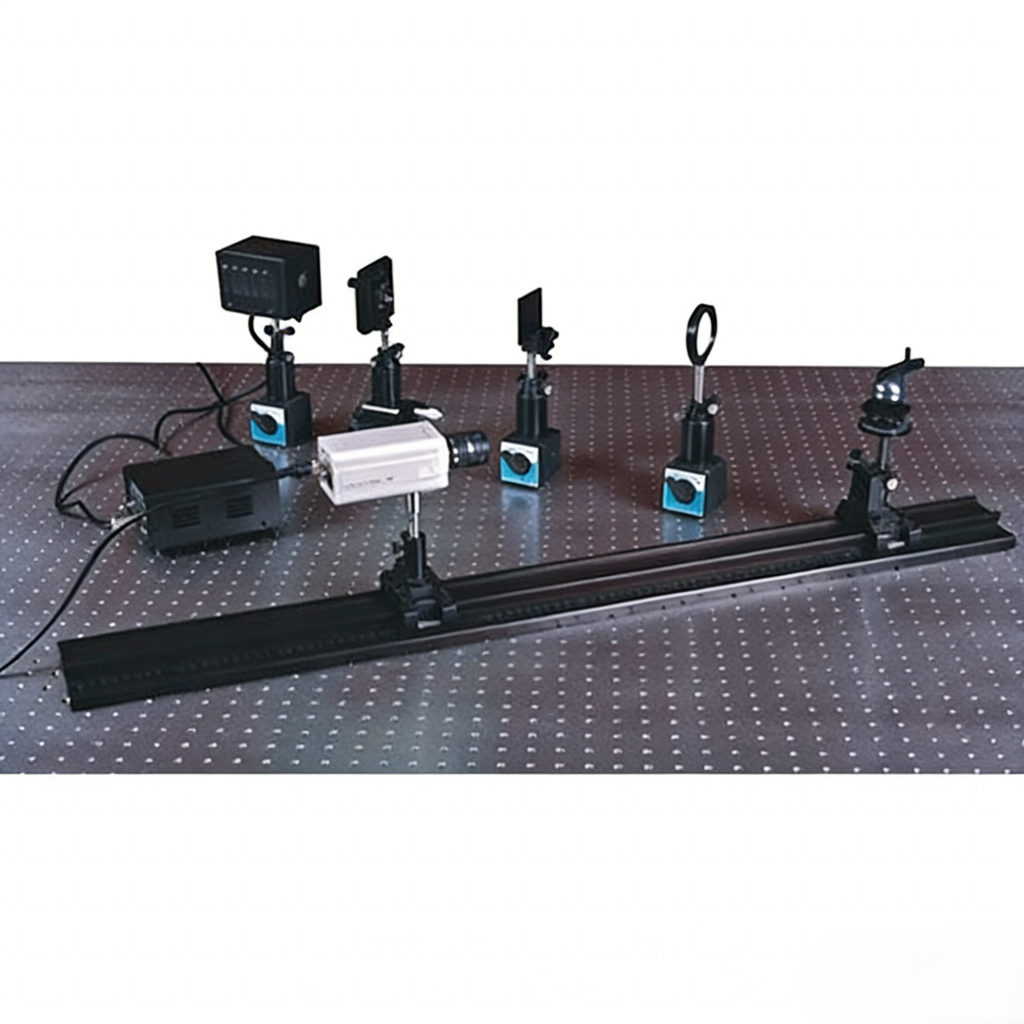
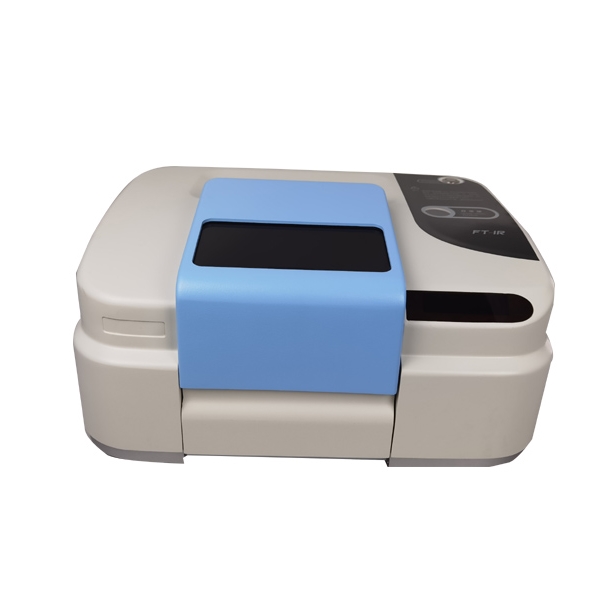
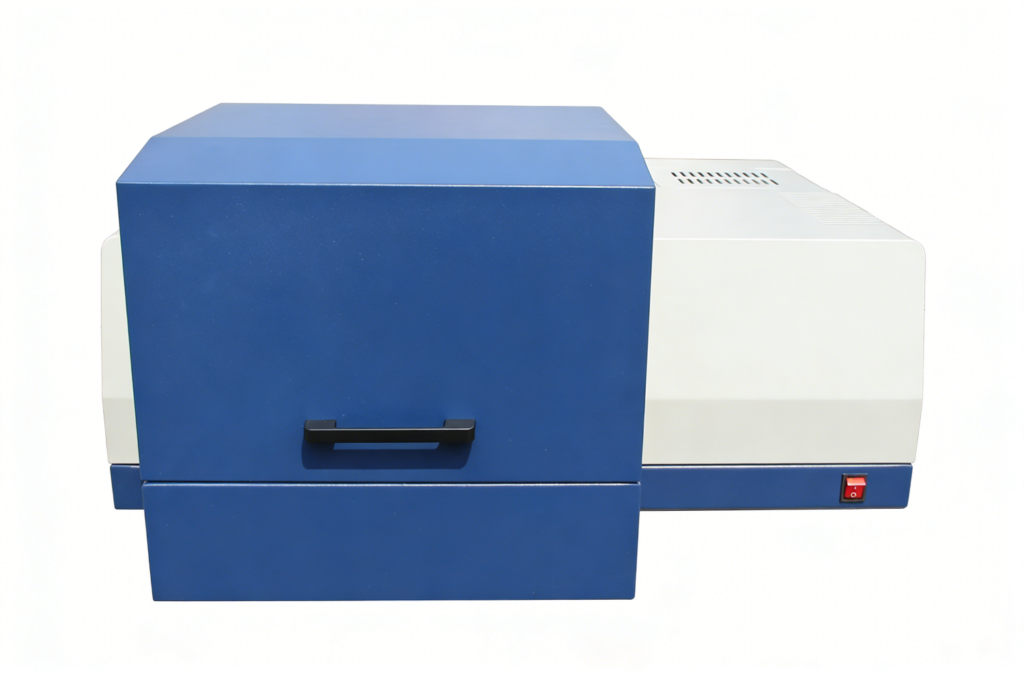
The instrument consists of three parts: liquid phase pump unit, docking unit and atomic fluorescence host, with a clear and efficient detection process:
- The sample first enters the liquid phase pump unit, and the speciation and valence state of elements are separated through the chromatographic column;
- The separated sample enters the docking unit, which is responsible for realizing the signal docking between the liquid phase pump and the atomic fluorescence host, and converting organic substances separated by liquid phase into inorganic substances through digestion function;
- The treated sample enters the atomic fluorescence host, and the detection is completed through hydrogenation reaction and the results are output.
IV. Core Product Features
- Integrated speciation analysis module: Can be seamlessly docked with the atomic fluorescence host without dual reaction systems, capable of real-time detection and continuous data collection of post-column effluent, greatly improving test efficiency.
- User-friendly operation design: Equipped with a large-screen LCD operation panel, which can directly observe the working status of the liquid phase, and the working parameters of the liquid phase pump can be directly debugged through the control panel for convenient operation.
- Safe and efficient digestion: Adopts a fully enclosed built-in digestion device with a high-intensity ultraviolet generator, which can effectively digest analytical components and improve detection performance, avoid ultraviolet radiation damage to the human body, and eliminate peak broadening caused by air resistance generated by heat.
- Consumable protection design: Configured with a special filtration device to pre-trap substances that can be firmly adsorbed by the analytical column and cannot be washed by the mobile phase, effectively protecting and extending the service life of the analytical column.
- Flexible elution configuration: Optional single or binary liquid phase pump, supporting isocratic and gradient elution functions to adapt to different testing requirements.
- Optimized host design: Internal pipeline-free modular structure with streamlined layout for convenient operation and maintenance; adopts ICP-MS continuous sampling mode with higher test efficiency, capable of testing 150 samples per hour; newly added function of quickly establishing standard curve to further improve work efficiency; no power pump required, waste liquid is discharged automatically for safer use.
V. Key Technical Indicators
| Elemental Speciation | Specific Form | Minimum Detectable Amount (ng) | Precision | Analysis Time (min) | Linear Range |
|---|---|---|---|---|---|
| Arsenic (As) | As(III) | ≤0.03 | 3% | Mixed Standard <10 | Three orders of magnitude |
| Dimethylarsenic (DMA) | ≤0.05 | 3% | Mixed Standard <10 | Three orders of magnitude | |
| Monomethylarsenic (MMA) | ≤0.05 | 3% | Mixed Standard <10 | Three orders of magnitude | |
| As(V) | ≤0.05 | 3% | Mixed Standard <10 | Three orders of magnitude | |
| Mercury (Hg) | Hg(II) | ≤0.01 | 3% | Mixed Standard <10 | Three orders of magnitude |
| Methylmercury (MetHg) | ≤0.01 | 3% | Mixed Standard <10 | Three orders of magnitude | |
| Ethylmercury (EtHg) | ≤0.02 | 3% | Mixed Standard <10 | Three orders of magnitude | |
| Selenium (Se) | Selenocysteine (SeCys) | ≤0.3 | 3% | Mixed Standard <10 | Three orders of magnitude |
| Selenomethylselenocysteine (SeMeCys) | ≤1 | 3% | Mixed Standard <10 | Three orders of magnitude | |
| Se(IV) | ≤0.1 | 3% | Mixed Standard <10 | Three orders of magnitude | |
| Selenomethionine (SeMet) | ≤2 | 3% | Mixed Standard <10 | Three orders of magnitude | |
| Antimony (Sb) | Sb(V) | ≤0.1 | 3% | Mixed Standard <10 | Three orders of magnitude |
| Sb(III) | ≤0.5 | 3% | Mixed Standard <10 | Three orders of magnitude |
VI. Reference Analysis Spectrum
(Taking arsenic as an example)
- Test sample: 10ng/mL arsenic (As) mixed standard solution
- Key spectrum information: Retention time covers 0-10min, which can clearly show the separation peaks of different arsenic forms with stable peak signal and good separation effect.
If you’re interested, have any questions, or have specific customization requirements, please feel free to contact us at inquiry@atomfair.com.
What is the minimum detectable amount for inorganic arsenic (As(III)) compared to organic mercury species (methylmercury and ethylmercury) on the Atomfair-LC-AFS 680?
The instrument achieves a minimum detectable amount of ≤0.03 ng for As(III), ≤0.01 ng for methylmercury (MetHg), and ≤0.02 ng for ethylmercury (EtHg) as stated in the key technical indicators. All species maintain ≤3% precision and are analyzed within a 10-minute mixed standard run, with linear ranges spanning three orders of magnitude.
Can the Atomfair-LC-AFS 680 perform simultaneous speciation analysis for arsenic and mercury in a single chromatographic run?
Yes, the instrument supports simultaneous separation and detection of multiple elemental species. The technical indicators specify a mixed standard analysis time of <10 minutes for all listed arsenic, mercury, selenium, and antimony species, indicating that a single injection can resolve and quantify these forms concurrently using the integrated LC-AFS system with isocratic or gradient elution.
How does the built-in ultraviolet digestion system on the Atomfair-LC-AFS 680 protect the operator and maintain chromatographic performance?
The instrument features a fully enclosed built-in UV digestion device with a high-intensity ultraviolet generator. This enclosure prevents operator exposure to UV radiation, while the design eliminates peak broadening caused by air resistance generated by heat, ensuring chromatographic integrity. Additionally, the digestion converts organic species into inorganic forms for fluorescence detection without requiring a dual reaction system.
The Atomfair-LC-AFS 680 integrates liquid chromatography with atomic fluorescence spectrometry for elemental speciation analysis, achieving detection limits down to 0.01 ng for mercury species and 0.03 ng for As(III), with precision at 3% RSD and a linear range spanning three orders of magnitude. Its fully enclosed UV digestion and consumable protection filter support continuous operation at 150 samples per hour, though the system requires careful management of elution modes and column protection to maintain performance.
Positive
- High-sensitivity speciation detection: Achieves minimum detectable amounts as low as 0.01 ng for Hg(II) and methylmercury, and 0.03 ng for As(III), with precision of 3% RSD and a linear range of three orders of magnitude, enabling reliable quantification of toxic element forms in food and water matrices.
- Integrated digestion and continuous sampling: The fully enclosed built-in UV digestion unit converts organic species to inorganic forms without UV exposure, while the ICP-MS continuous sampling mode supports up to 150 samples per hour, enhancing throughput for routine speciation analysis.
Trade-offs
- Requires elution mode optimization: The system supports both isocratic and gradient elution, but the choice of elution mode directly affects separation efficiency and analysis time; users must optimize conditions for each analyte to avoid peak overlap or extended run times.
- Dependent on consumable filtration: The special filtration device is essential to pre-trap irreversibly adsorbed substances; without regular replacement, analytical column life and separation performance may degrade, increasing maintenance frequency.
Every advanced material, component, equipment, and instrument in our catalog is backed by rigorous testing. We maintain strict internal quality management frameworks and align with CE conformity metrics to deliver transparent, reproducible performance data via our public open-science repository.
To request raw batch performance data, submit formal vendor registration paperwork, or execute a fast-turnaround R&D manufacturing loop, contact us at inquiry@atomfair.com.
Item is dispatched under the Atomfair Shipping & Delivery Framework (Free worldwide shipping on orders over $59 USD excl. heavy equipment). Return is governed by the Atomfair Return & Refund Policy (7-day technical return window).