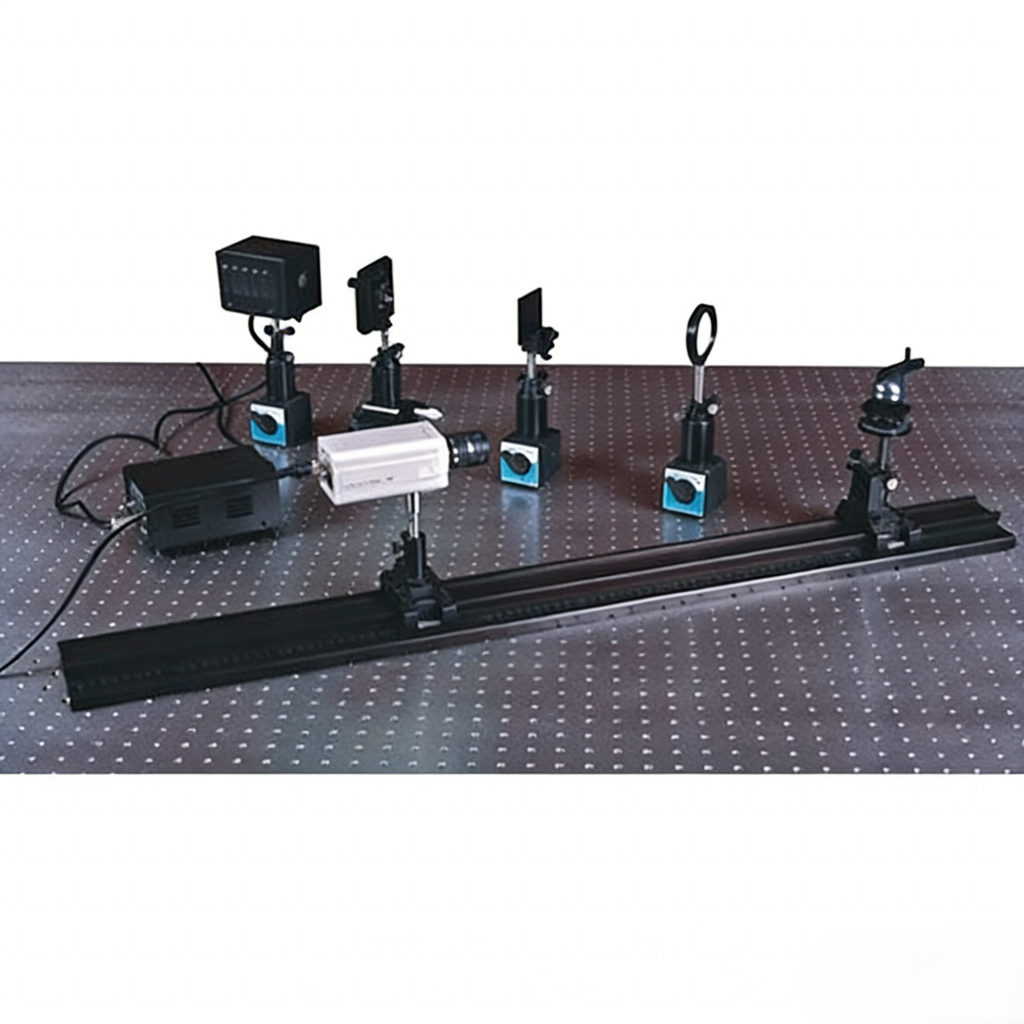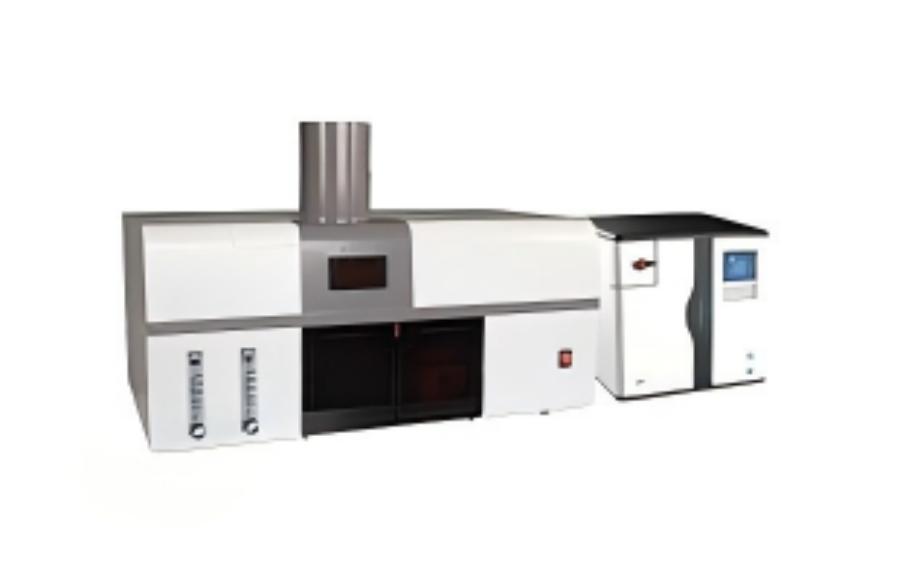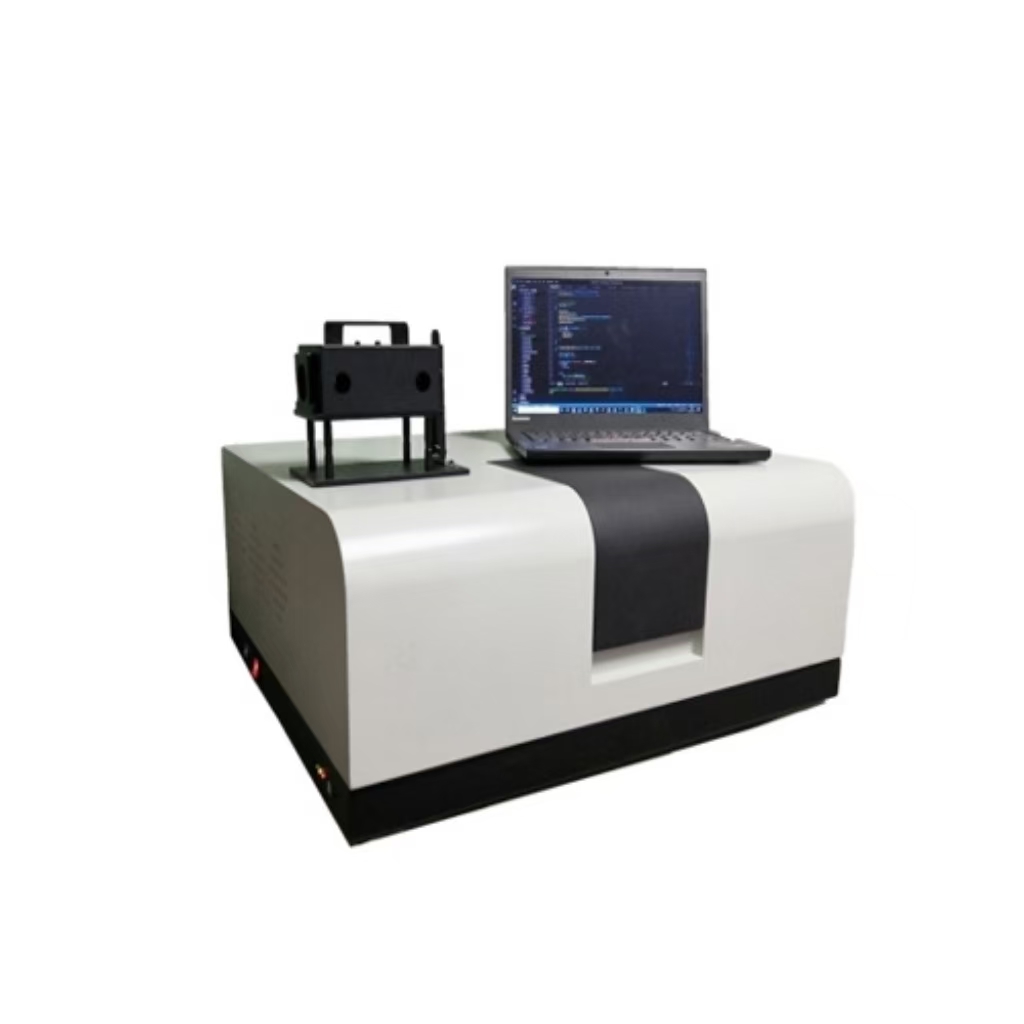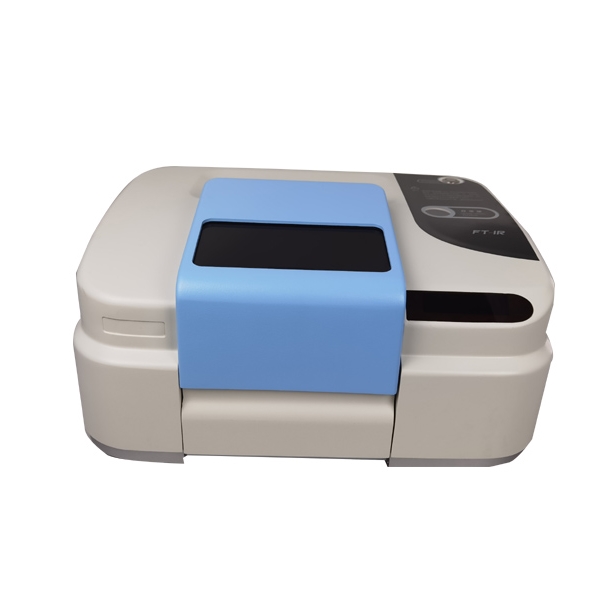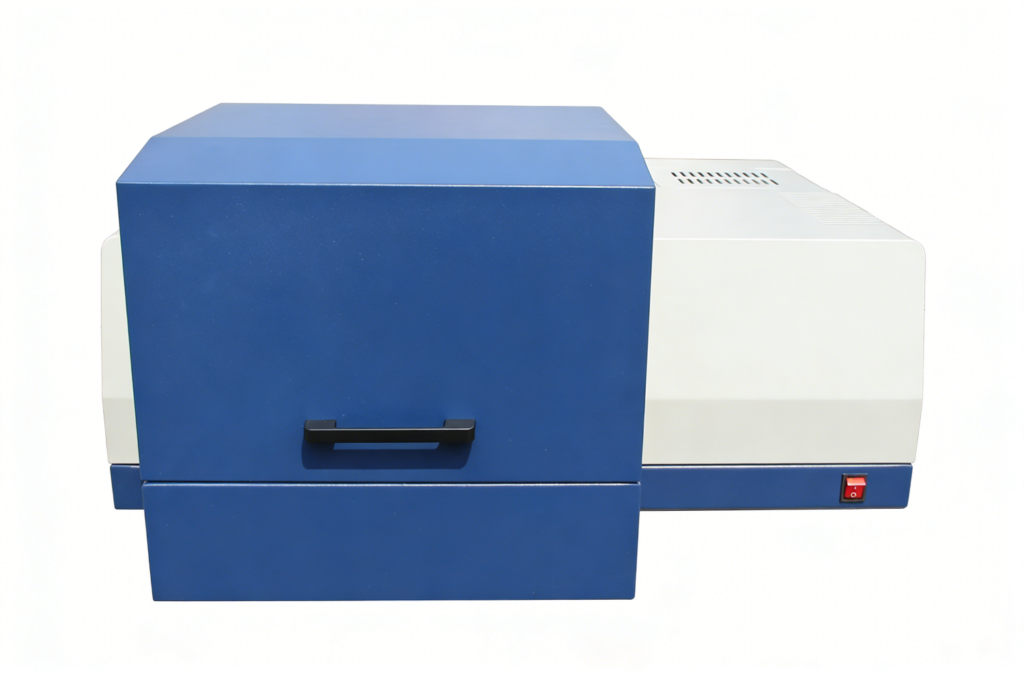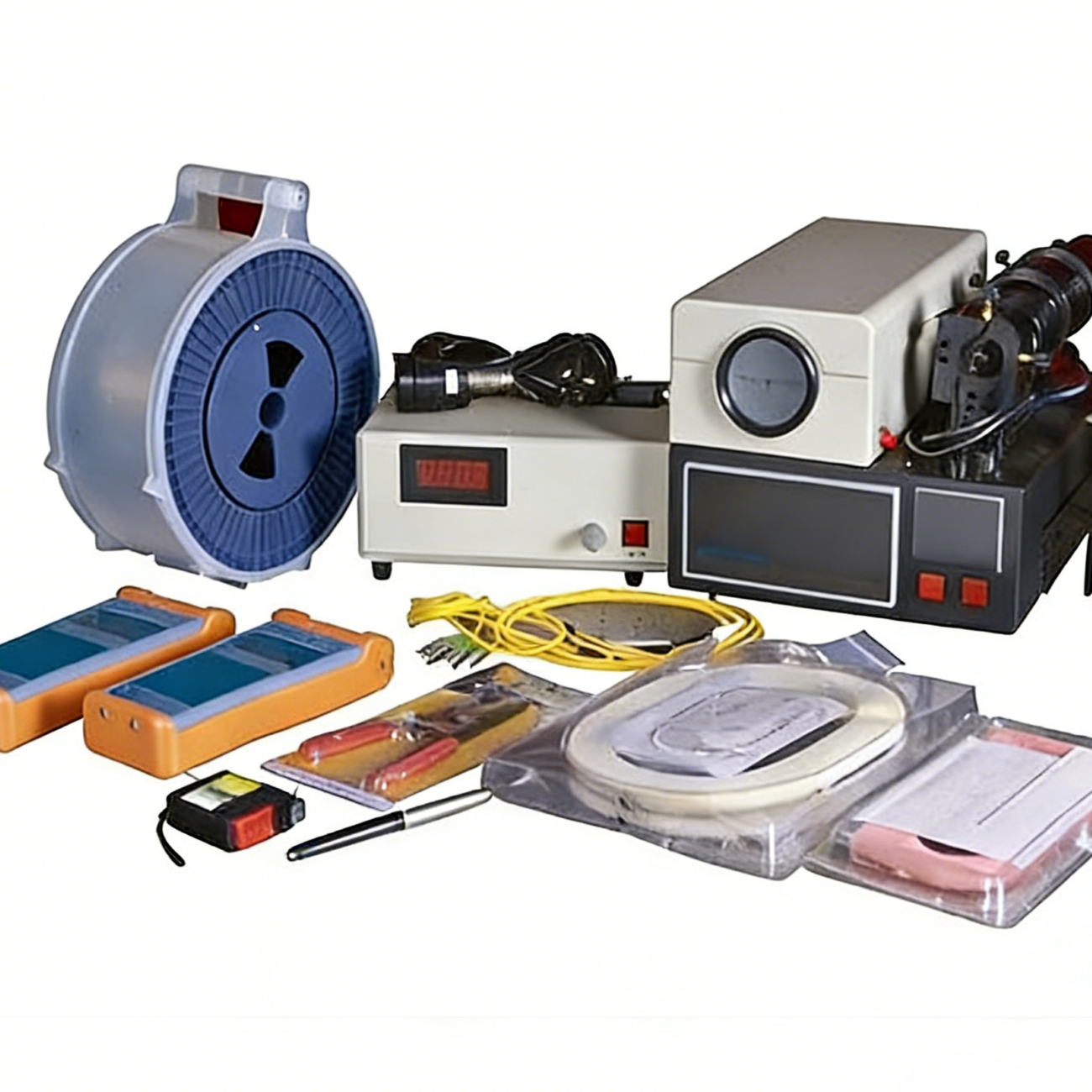
Atomfair-OptCom-739 Fiber Optic Information and Optical Communication Experiment System
Featured Highlights
Product Overview
- Product Type: Fiber Optic Sensing and Communication Experimental System
- Core Application: Teaching, scientific research in optical communication, fiber sensing, and electronic information disciplines
- Key Advantage: All-in-one configuration for 8 types of experiments; high-precision components meet professional research standards
Core Configuration & Technical Specs (Reference Only, Subject to Packing List)
- Main Unit: Equipped with 633nm single-mode beam splitter, temperature control system, pressure control system, and fiber coupling frame
- Handheld Light Source: Wavelength: 1310/1550nm; Power: > -8.0dBm; Modulation Modes: CW/270Hz/1kHz/2kHz
- Handheld Optical Power Meter: Power Range: -70~+6dBm; Wavelength Range: 800~1700nm (850, 980, 1310, 1480, 1550nm)
- He-Ne Laser: Wavelength: 632.8nm; Power: > 1.5mW
- Optical Power Tester: 6-level power range (2μW, 20μW, 200μW, 2mW, 20mW, 200mW); 3.5-digit digital display
- Single-mode Fiber: 633nm wavelength; FC/PC connector on one end
- Multi-mode Fiber: 633nm wavelength; 1km general communication fiber
- Beam Expander: Focal Length: f=6.2mm
Experiments You Can Conduct
- Fiber Optics Basic Knowledge Demonstration
- Fiber & Light Source Coupling Method Test
- Multi-mode Fiber Numerical Aperture (NA) Measurement
- Fiber Transmission Loss Characteristics & Measurement
- M-Z Optical Interference Experiment
- Fiber Temperature & Pressure Sensing Principle Test
- Fiber Beam Splitter & Isolator Parameter Measurement
- Adjustable Optical Attenuator & Parameter Setup
Who It’s For
- Universities: Ideal for optical engineering, communication engineering, and electronic information majors to conduct hands-on lab courses.
- Research Institutions: Supports in-depth research on fiber sensing, optical communication performance optimization, and interference technology.
- Technical Training Centers: Helps trainees master practical operation of fiber optic equipment and core experimental methods.
Important Notes
- The configuration, parameters, and appearance shown are for reference only. The actual product shall conform to the packing list.
- Minor adjustments to components may be made without prior notice; all changes will not affect the experimental function and performance.
Contact Us
The integrated He-Ne laser emits 632.8 nm radiation at >1.5 mW, posing an eye and skin hazard. The handheld light source outputs 1310/1550 nm infrared radiation at >-8.0 dBm, which is invisible and requires appropriate eye protection.
- He-Ne Laser Hazard: Operate the 632.8 nm laser only with approved laser safety eyewear and avoid direct exposure to eyes or skin.
- Infrared Source Hazard: Never view the 1310/1550 nm output directly; use a power meter or infrared detector to verify emission.
Can the handheld light source (1310/1550nm) be used with the included single-mode or multi-mode fibers specified at 633nm?
No. The included single-mode fiber and multi-mode fiber are both specified for 633nm wavelength, making them compatible only with the He-Ne laser (632.8nm). The handheld light source emits 1310/1550nm and requires different fibers (e.g., single-mode fibers designed for 1310nm) that are not included in the standard system. For experiments using the handheld source, you must supply compatible fibers with appropriate connectors.
When should I use the handheld optical power meter versus the built-in optical power tester?
The handheld optical power meter covers a wide dynamic range of -70 to +6 dBm over 800–1700nm, making it ideal for low-power telecom signal measurements. The built-in optical power tester offers six discrete power ranges from 2μW to 200mW (3.5-digit display) and is better suited for higher-power bench-top experiments, such as measuring the He-Ne laser output (>1.5mW). Choose the handheld meter for fiber link attenuation tests and the built-in tester for lab exercises with the included sources and fibers.
What laser safety precautions are required for the He-Ne laser (632.8nm, >1.5mW) included in the system?
The He-Ne laser outputs >1.5mW at 632.8nm, which typically falls under Class IIIa. Operators should wear laser safety eyewear rated for 632.8nm and avoid direct exposure to the beam. The system manual should provide specific safety instructions; standard laboratory laser safety protocols apply, including securing the beam path and posting warning signs.
This integrated fiber optic experiment system combines a 633nm single-mode beam splitter, temperature and pressure control, and a 1310/1550nm handheld light source with an optical power meter, enabling eight distinct experiments from basic coupling to M-Z interference and sensing principles in a single benchtop configuration.
Positive
- All-in-one experiment integration: Integrates 8 core components (633nm beam splitter, He-Ne laser, handheld source, power meters, fibers, beam expander) to support 8 different experiments without additional setup, reducing lab footprint and procurement complexity.
- Dual-wavelength source flexibility: Handheld light source at 1310/1550nm with >-8.0dBm power and multiple modulation modes (CW/270Hz/1kHz/2kHz) enables both continuous-wave and modulated signal testing, essential for communication and sensing experiments.
Trade-offs
- Wavelength-specific fiber constraints: Single-mode fiber is specified for 633nm with FC/PC connector on one end only, limiting direct compatibility with the 1310/1550nm handheld source without additional adapters or fiber types.
- Reference-only configuration variability: Specifications and components are subject to change per the packing list, meaning actual delivered configuration may differ slightly, requiring verification before integration into fixed lab setups.
Every advanced material, component, equipment, and instrument in our catalog is backed by rigorous testing. We maintain strict internal quality management frameworks and align with CE conformity metrics to deliver transparent, reproducible performance data via our public open-science repository.
To request raw batch performance data, submit formal vendor registration paperwork, or execute a fast-turnaround R&D manufacturing loop, contact us at inquiry@atomfair.com.
Item is dispatched under the Atomfair Shipping & Delivery Framework (Free worldwide shipping on orders over $59 USD excl. heavy equipment). Return is governed by the Atomfair Return & Refund Policy (7-day technical return window).