|
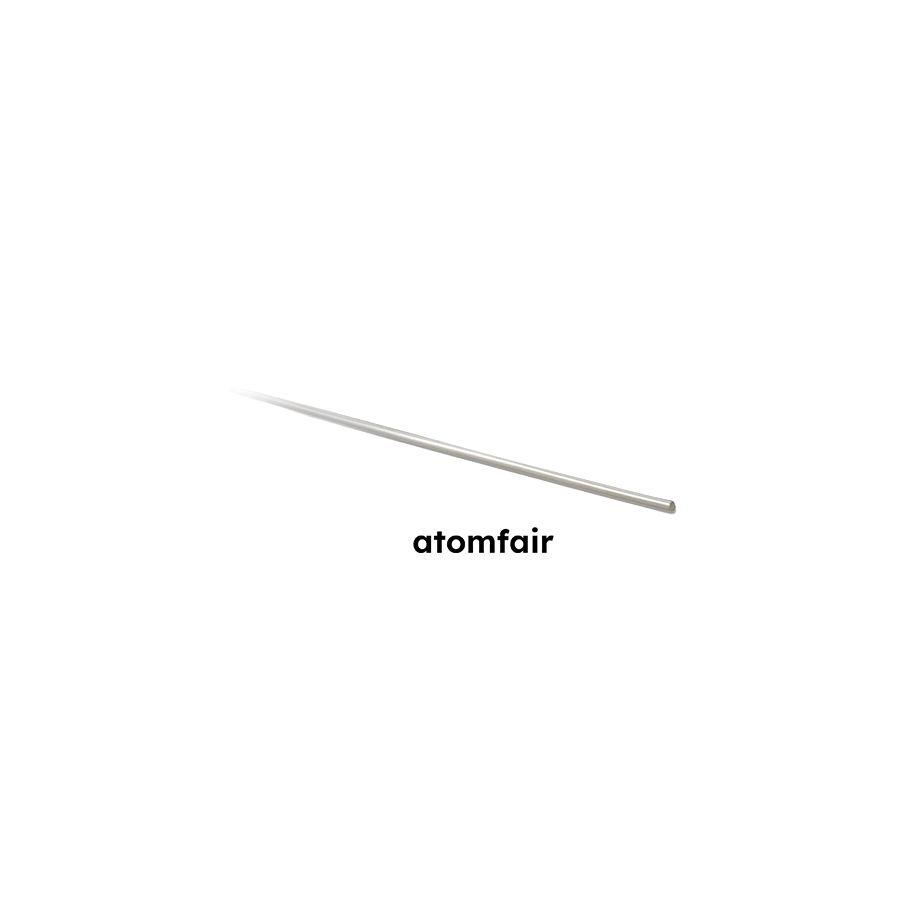
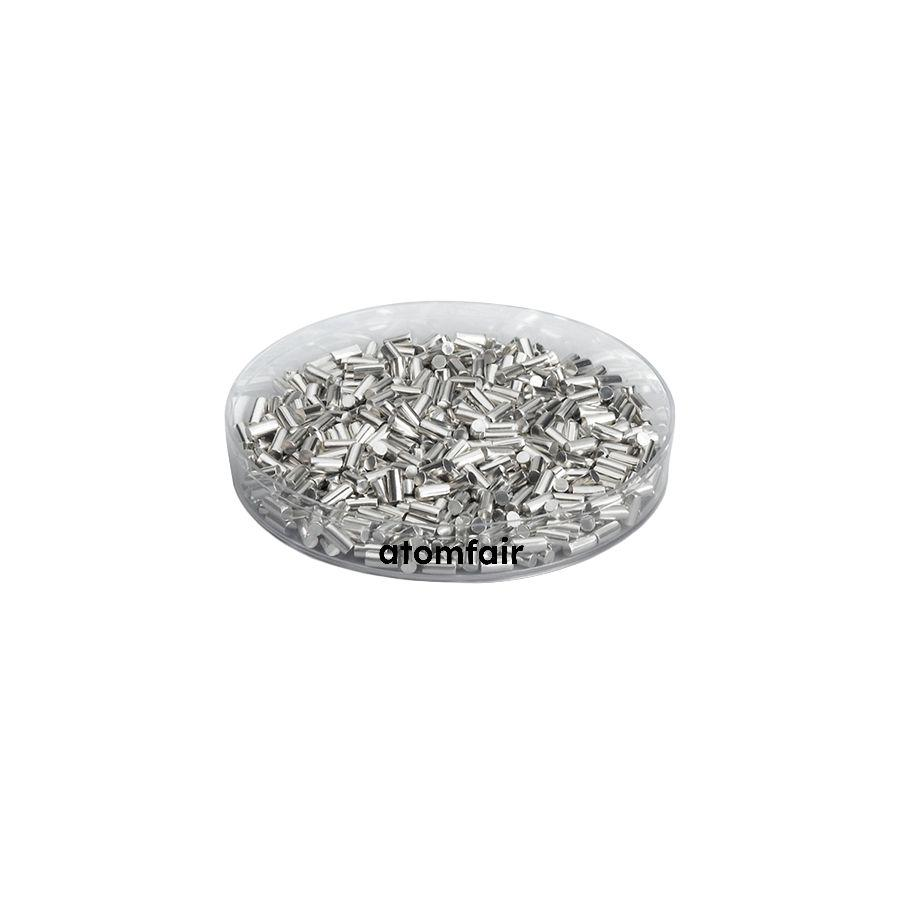
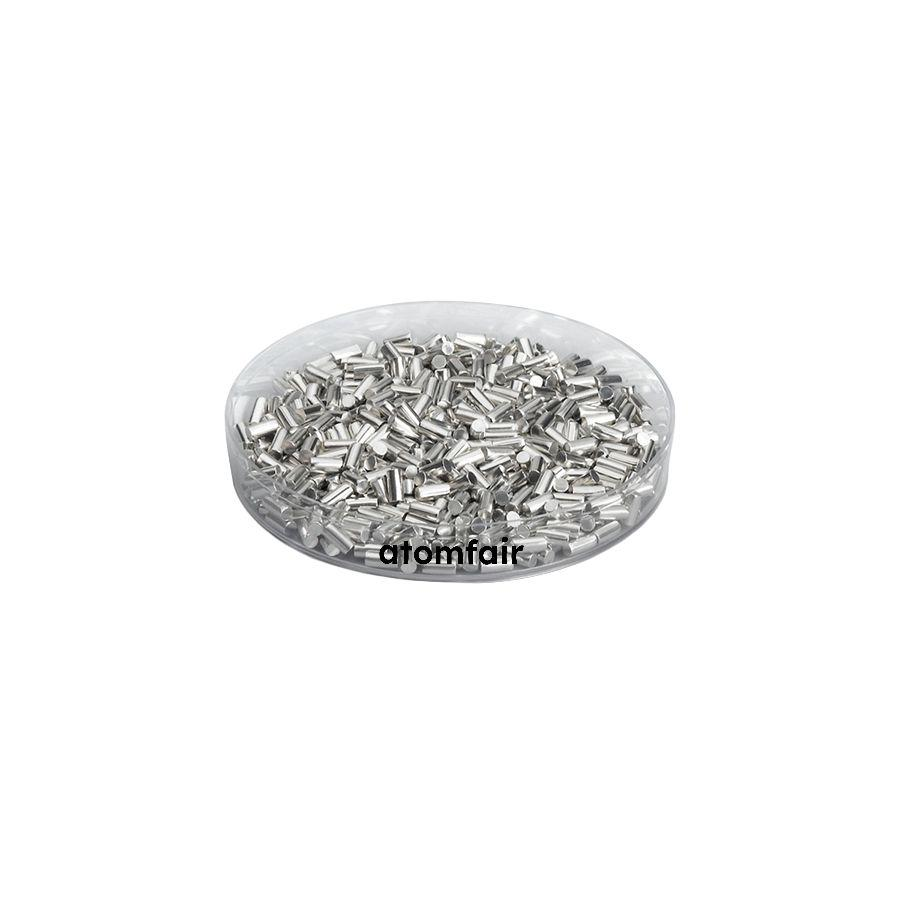
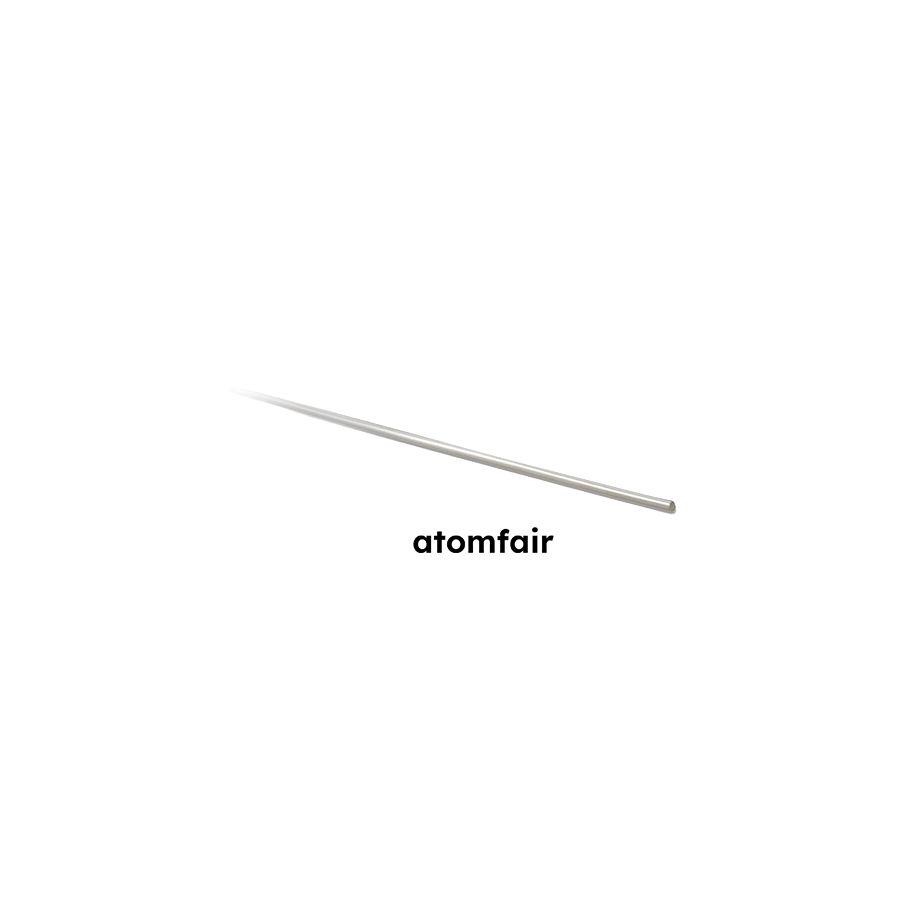
Nickel Oxide (NiO) Evaporation Material, Pellets, 99.5%, 45 µm
Product Type: Compound Evaporation Material
Research-grade laboratory product
|
|||||||||||||||||||||||||||||||||||||||
|
|||||||||||||||||||||||||||||||||||||||
|
LABORATORY PROCUREMENT SUPPORT
For material selection, deposition-source matching, pack-size confirmation or quotation support, contact our technical sales team.
INQUIRY: inquiry@atomfair.com
|
|||||||||||||||||||||||||||||||||||||||
|
Manufacturer: Atomfair LLC
Brand: ATOMFAIR®
|
Nickel oxide evaporation pellets require precise source matching due to a melting point of 1,984°C and compatibility with e-beam hearth liners (graphite, Al₂O₃, BN) or refractory metal boats (W, Mo, Ta). The material's unity Z-ratio simplifies crystal monitor calibration but should be verified against the deposition system's tooling factor.
- Evaporation Method Limitation: Thermal evaporation of nickel oxide requires a formal RFQ to confirm appropriate boat material and power profile due to the high melting point.
- Liner and Boat Compatibility: E-beam evaporation is preferred; acceptable liners include graphite, alumina, and boron nitride, while thermal evaporation uses tungsten, molybdenum, or tantalum boats.
- Melting Point Consideration: The material's melting point of 1,984°C demands adequate e-beam power or boat temperature rating to avoid incomplete evaporation or source damage.
- Z-Ratio Calibration: A Z-ratio of 1.00 allows direct thickness monitoring but requires initial calibration of the tooling factor for the specific evaporator geometry.
What is the recommended evaporation method for Atomfair NiO pellets, and what hardware constraints apply?
E-beam evaporation is preferred for NiO pellets; thermal evaporation is available only by RFQ. For E-beam, compatible hearth liners include graphite, Al2O3, or BN, and boats can be W, Mo, or Ta. For thermal evaporation, an Al2O3 liner is specified for Sheet2 hardware. This reflects the material's high melting point (1,984°C) and density (6.67 g/cm³), which influence source loading and process stability.
How does the Z-Ratio of 1.00 for NiO affect film thickness monitoring during deposition?
The Z-Ratio of 1.00 indicates that the acoustic impedance of NiO matches the quartz crystal sensor, eliminating the need for a correction factor in thickness monitoring. This simplifies process calibration and improves accuracy when using a quartz crystal microbalance (QCM) in vacuum deposition systems.
What is the particle size and form of this NiO evaporation material, and why is it specified as 45 µm pellets?
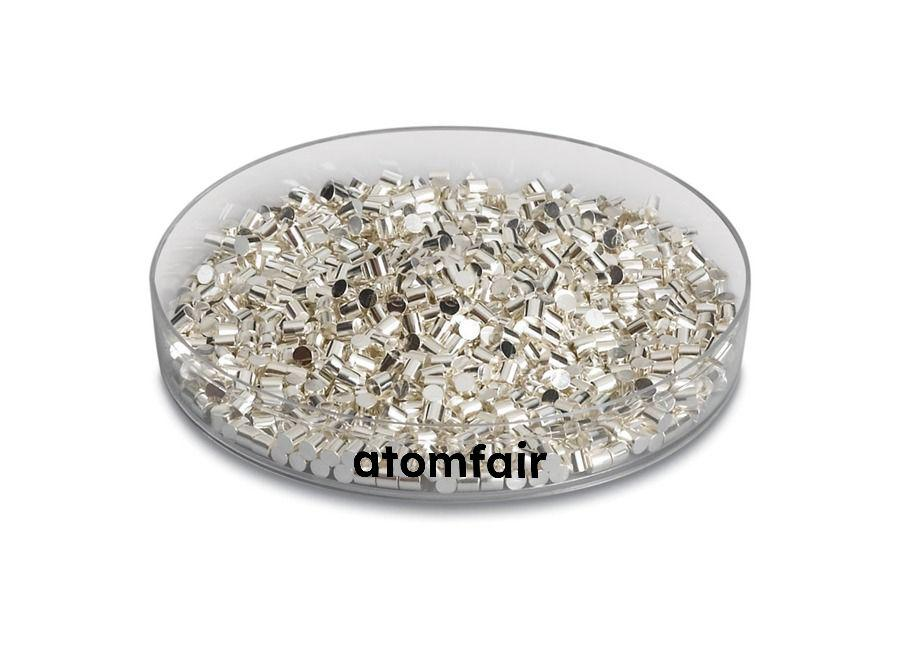
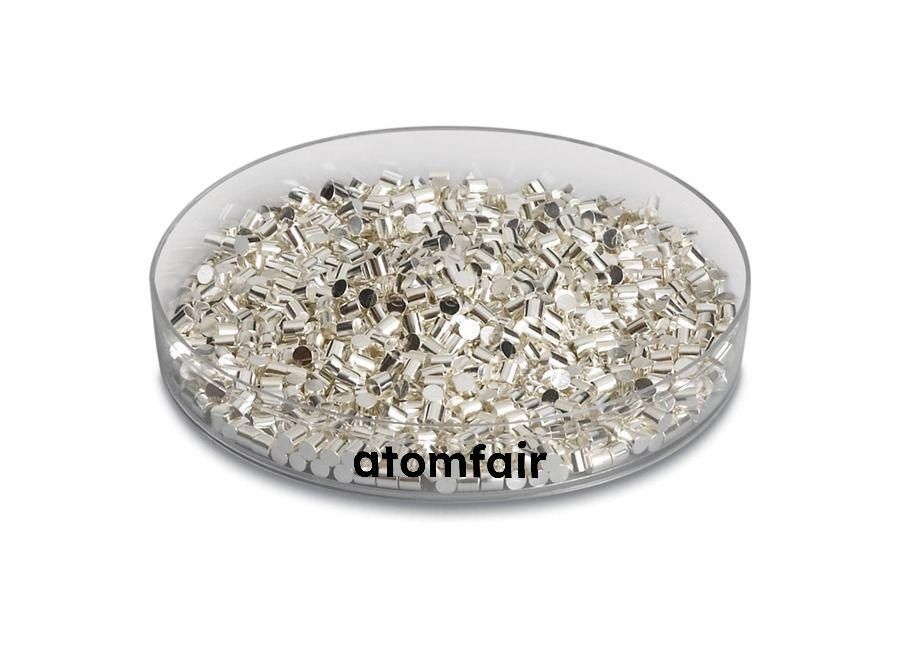
The material is supplied as pellets with a 45 µm size range. This specific pellet form and dimension are designed to ensure consistent loading into E-beam or thermal evaporation sources, minimize spitting during deposition, and promote uniform film growth. The 45 µm sizing is typical for controlled evaporation in high-vacuum thin-film processes.
Nickel Oxide (NiO) pellets at 99.5% purity and 45 µm sizing provide a defined evaporation material for E-beam deposition, with a melting point of 1,984°C and density of 6.67 g/cm³ to support process matching. The requirement for E-beam preference and procurement confirmation of source geometry introduces operational constraints.
Positive
- High purity and defined form: 99.5% purity and pellet form with 45 µm sizing ensure consistent material composition and source loading for vacuum thin-film deposition.
- Well-characterized thermal properties: Specified melting point (1,984°C) and density (6.67 g/cm³) enable accurate process parameter selection and E-beam evaporation rate control.
Trade-offs
- Limited evaporation method flexibility: E-beam evaporation is preferred; thermal evaporation requires RFQ and specific liner/boat hardware, restricting process compatibility without additional engineering review.
- Procurement dependency on source geometry: Deposition source hardware and geometry must be confirmed before quotation, adding a verification step that may delay procurement for standard configurations.
Every advanced material, component, equipment, and instrument in our catalog is backed by rigorous testing. We maintain strict internal quality management frameworks and align with CE conformity metrics to deliver transparent, reproducible performance data via our public open-science repository.
To request raw batch performance data, submit formal vendor registration paperwork, or execute a fast-turnaround R&D manufacturing loop, contact us at inquiry@atomfair.com.
Item is dispatched under the Atomfair Shipping & Delivery Framework (Free worldwide shipping on orders over $59 USD excl. heavy equipment). Return is governed by the Atomfair Return & Refund Policy (7-day technical return window).