|
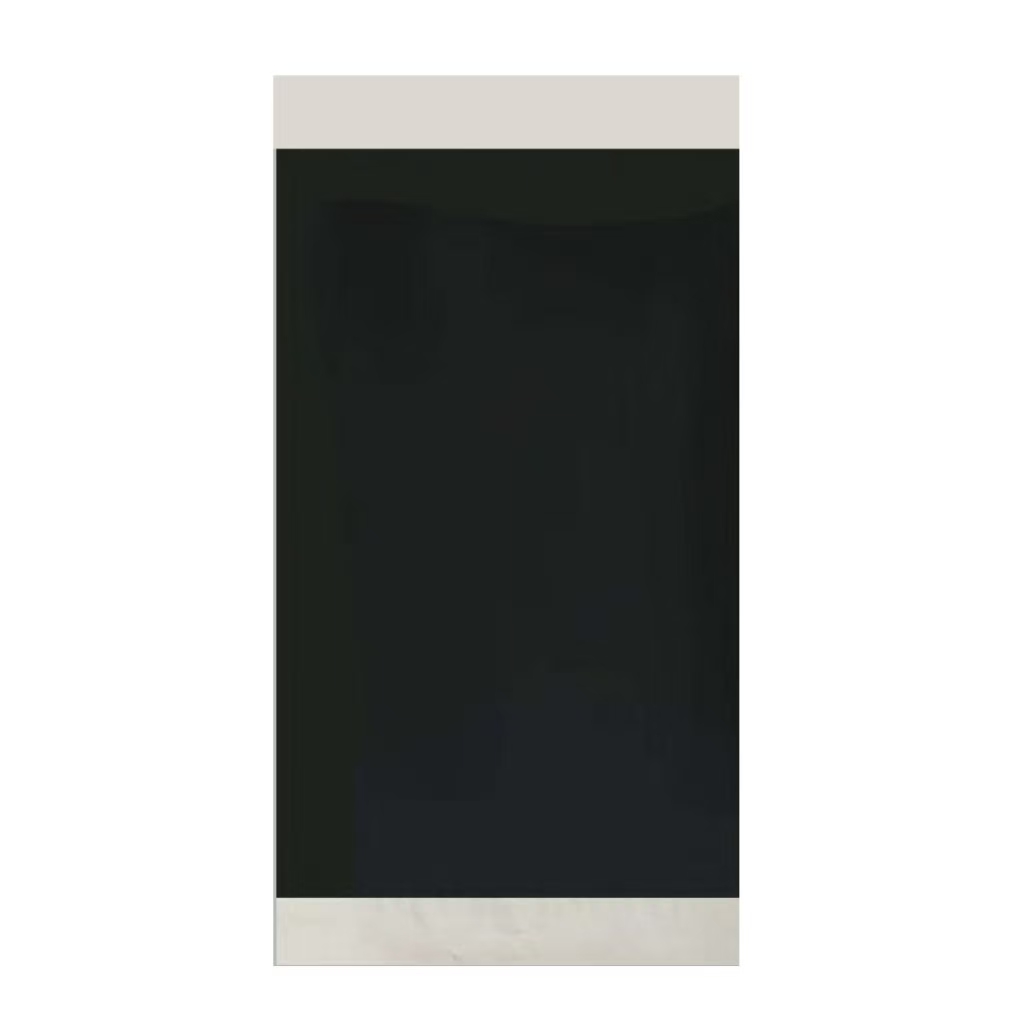
NMC811 Nickel Manganese Cobalt Oxide Single-Sided Cathode, 30 mg/cm² per side
Single-Sided Cathode Sheet
|
||||||||||||||||||||||||||||||||||||||||||||
|
Store in vacuum-sealed packaging to prevent moisture absorption. Vacuum bake at 100°C for 12 hours before cell assembly to remove moisture.
- Moisture Protection: The electrode sheets are vacuum-sealed to prevent moisture absorption and must be kept sealed until use.
- Pre-Drying Procedure: Vacuum bake at 100°C for 12 hours before cell assembly to remove moisture.
- Handling Precautions: Follow proper handling procedures to avoid mechanical damage or contamination.
This procedure describes the mandatory vacuum baking step to remove moisture from the electrode sheets before electrochemical testing. The sheets must be dried at 100°C under vacuum for 12 hours to ensure consistent performance.
Required Equipment: Vacuum oven
- Place in oven
Place the electrode sheet into a vacuum oven. - Set temperature
Set the oven temperature to 100°C. - Evacuate chamber
Evacuate the oven chamber to apply vacuum. - Maintain conditions
Maintain the vacuum and temperature for 12 hours. - Cool under vacuum
After 12 hours, turn off the oven and allow the chamber to cool under vacuum. - Remove dried sheet
Remove the dried sheet from the oven.
What is the significance of the 96% active material ratio in the NCM811 electrode sheet for battery performance?
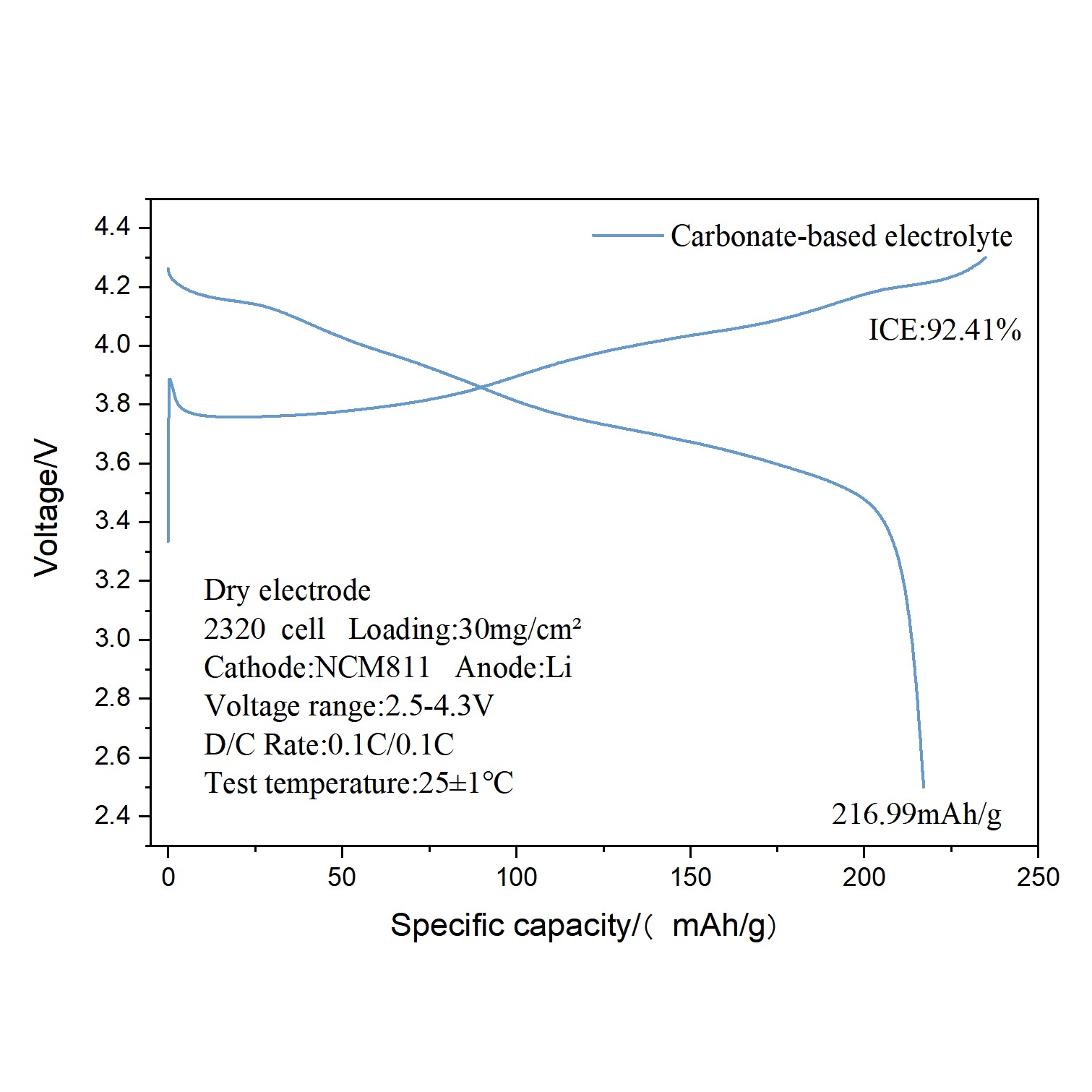
The 96% active material ratio maximizes electrochemical data output accuracy by minimizing interference from inactive binder and conductive additives. This direct specification supports the stated capacity of 200 mAh/g and makes the sheet ideal for baseline testing, material screening, and variable elimination in lithium-ion battery R&D.
How does the dry process coating affect the electrode's compatibility with standard lithium-ion battery electrolytes?
The dry process eliminates solvent residues, ensuring pristine film uniformity and robust mechanical integrity without contamination. The carbon-coated aluminum current collector further limits degradation risks and reduces internal resistive boundaries, making the electrode sheet fully compatible with standard carbonate-based electrolytes used in NCM811 cells.
What pre-treatment is required for the NCM811-S03 electrode sheet before cell assembly?
The dry-processed sheets require vacuum baking at 100°C for 12 hours before formal cell assembly to remove environmental moisture. This step is critical to prevent moisture-induced degradation and ensure accurate electrochemical performance evaluation, as stated in the product's operational notice.
This single-sided NCM811 electrode sheet, dry-processed at 30 mg/cm² loading on carbon-coated aluminum foil, delivers a 96% active material ratio for high-fidelity battery R&D testing, but requires a 12-hour vacuum bake at 100°C and careful handling before cell assembly.
Positive
- High active phase yield: An uncompromised 96.00% active material ratio maximizes analytical data output accuracy during electrochemical performance evaluation.
- Carbon-modified current collector: Carbon-coated aluminum foil limits degradation risks and cuts internal resistive boundaries during testing cycles, improving measurement reliability.
Trade-offs
- Mandatory pre-assembly vacuum bake: Requires 12 hours of vacuum baking at 100°C before formal cell assembly to remove environmental moisture, adding a time and infrastructure step to the workflow.
- Sensitive handling procedures: Dry processed sheets demand proper handling procedures to avoid mechanical or contamination issues, necessitating trained personnel and controlled lab conditions.
Every advanced material, component, equipment, and instrument in our catalog is backed by rigorous testing. We maintain strict internal quality management frameworks and align with CE conformity metrics to deliver transparent, reproducible performance data via our public open-science repository.
To request raw batch performance data, submit formal vendor registration paperwork, or execute a fast-turnaround R&D manufacturing loop, contact us at inquiry@atomfair.com.
Item is dispatched under the Atomfair Shipping & Delivery Framework (Free worldwide shipping on orders over $59 USD excl. heavy equipment). Return is governed by the Atomfair Return & Refund Policy (7-day technical return window).