ATOMFAIR® LFP COATED ALUMINUM FOIL CATHODE SHEETRESEARCH GRADE ELECTRODE MATERIAL
|
|||||||||||||||||||||||||||||||||||||||||||||||||||||||||
|
|||||||||||||||||||||||||||||||||||||||||||||||||||||||||
|
TAILORED SOLUTIONS FOR RESEARCH
Contact our engineering team for technical support or official institutional quotations.
EMAIL: inquiry@atomfair.com
|
|||||||||||||||||||||||||||||||||||||||||||||||||||||||||
|
Manufacturer: Atomfair LLC
Brand: ATOMFair
|
|||||||||||||||||||||||||||||||||||||||||||||||||||||||||
This electrode sheet requires strict moisture and oxygen control throughout handling and storage. Processing demands include vacuum drying and calendering to specified density before cell assembly.
- Moisture and Oxygen Sensitivity: Expose the electrode only in an argon/nitrogen glovebox with H2O < 0.1 ppm and O2 < 0.1 ppm to prevent degradation.
- Vacuum Drying Requirement: Dry the electrode at 85–105°C for 4 hours under vacuum with two gas exchanges before cell assembly.
- Calendering Necessity: Calender the uncalendered electrode to a pressing density of 1.50–2.00 g/cc to optimize porosity and wettability.
- Storage and Shelf Life: Store vacuum-sealed for up to 6 months; after opening, reseal in double bags inside the glovebox and use within 1 month.
- Mass Calculation Adjustment: When determining active material mass, subtract the collector areal density (3.40 mg/cm²) from the total punched disc weight.
This procedure outlines the essential steps for preparing the LFP electrode for coin-cell assembly. Follow the sequence to ensure proper drying, calendering, and mass calculation.
Required Equipment: Glovebox, Vacuum oven, Calendering machine, Analytical balance
- Transfer to Glovebox
Transfer the uncalendered electrode into an argon-filled glovebox with H2O < 0.1 ppm and O2 < 0.1 ppm. - Dry Electrode
Dry the electrode in a vacuum oven at 85–105°C for 4 hours with two gas exchanges. - Calender Electrode
Calender the dried electrode to a pressing density between 1.50 and 2.00 g/cc. - Punch Electrode Discs
Punch electrode discs of the desired size from the calendered sheet. - Calculate Active Mass
Calculate the active material mass by subtracting the collector areal density (3.40 mg/cm²) from the total punched disc weight. - Assemble Coin Cell
Assemble the coin cell (e.g., CR2032) using the compatible electrolyte KLD-LFP01.
How does the uncalendered design of this LFP cathode sheet impact pressing density optimization for solid-state electrolyte integration?
The uncalendered design allows researchers to customize pressing density between 1.50 and 2.00 g/cc, enabling optimization of electrolyte wettability and porosity for solid-state electrolyte integration. This flexibility is critical for achieving consistent electrochemical performance across different electrolyte systems, as the electrode must be calendered to the target density before electrode punching.
Which matching electrode models are recommended for full-cell assembly with this LFP cathode sheet?
The recommended matching electrode models for anode pairing are SM02XX (1.12), LT01XX (1.13), and SC02XX (1.05), as specified in the technical specifications. These models are designed to balance areal capacity and electrochemical compatibility with the LFP cathode's 1.69 mAh/cm² areal capacity.
What are the mandatory glovebox and drying conditions required to prevent moisture contamination after opening this LFP electrode?
After opening, the electrode must be stored in an argon or nitrogen glovebox with H₂O < 0.1 ppm and O₂ < 0.1 ppm, and resealed in double self-sealing bags. Prior to cell assembly, vacuum drying at 85–105°C for 4 hours with two gas exchanges is mandatory to prevent internal resistance increase and phase contamination.
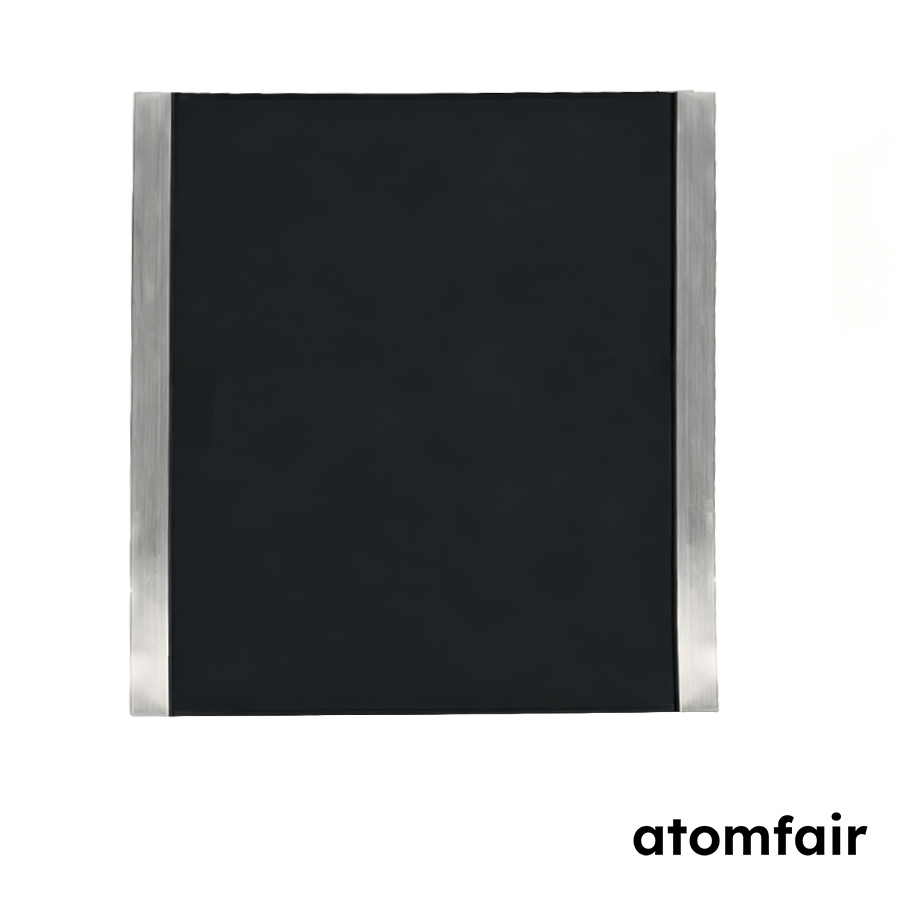
This single-sided LFP-coated aluminum foil cathode sheet (14 μm carbon-coated current collector, 91.5% active material loading, 158.1 mAh/g specific capacity at 0.1C) is evaluated for coin-cell and solid-state battery R&D, with uncalendered design enabling user-controlled pressing density (1.50–2.00 g/cc) but requiring strict moisture control and mandatory vacuum drying before use.
Positive
- High cycling stability with 100% retention: Demonstrates 100% capacity retention after 100 cycles at 0.5C charge/1.0C discharge (2.50–3.75V window), ensuring reproducible long-term performance data for research benchmarking.
- Customizable pressing density range: Uncalendered design allows researchers to adjust pressing density from 1.50 to 2.00 g/cc, enabling optimization of electrolyte wettability and porosity for diverse solid-state electrolyte integration strategies.
Trade-offs
- Mandatory vacuum drying before use: Electrodes require drying at 85–105°C for 4 hours with vacuum cycling and two gas exchanges before cell assembly to prevent internal resistance increase and phase contamination.
- Strict moisture and air sensitivity: After opening, the electrode must be stored in an argon/nitrogen glovebox with H2O < 0.1 ppm and O2 < 0.1 ppm, and resealed in double self-sealing bags, limiting handling to controlled environments.
Every advanced material, component, equipment, and instrument in our catalog is backed by rigorous testing. We maintain strict internal quality management frameworks and align with CE conformity metrics to deliver transparent, reproducible performance data via our public open-science repository.
To request raw batch performance data, submit formal vendor registration paperwork, or execute a fast-turnaround R&D manufacturing loop, contact us at inquiry@atomfair.com.
Item is dispatched under the Atomfair Shipping & Delivery Framework (Free worldwide shipping on orders over $59 USD excl. heavy equipment). Return is governed by the Atomfair Return & Refund Policy (7-day technical return window).