|
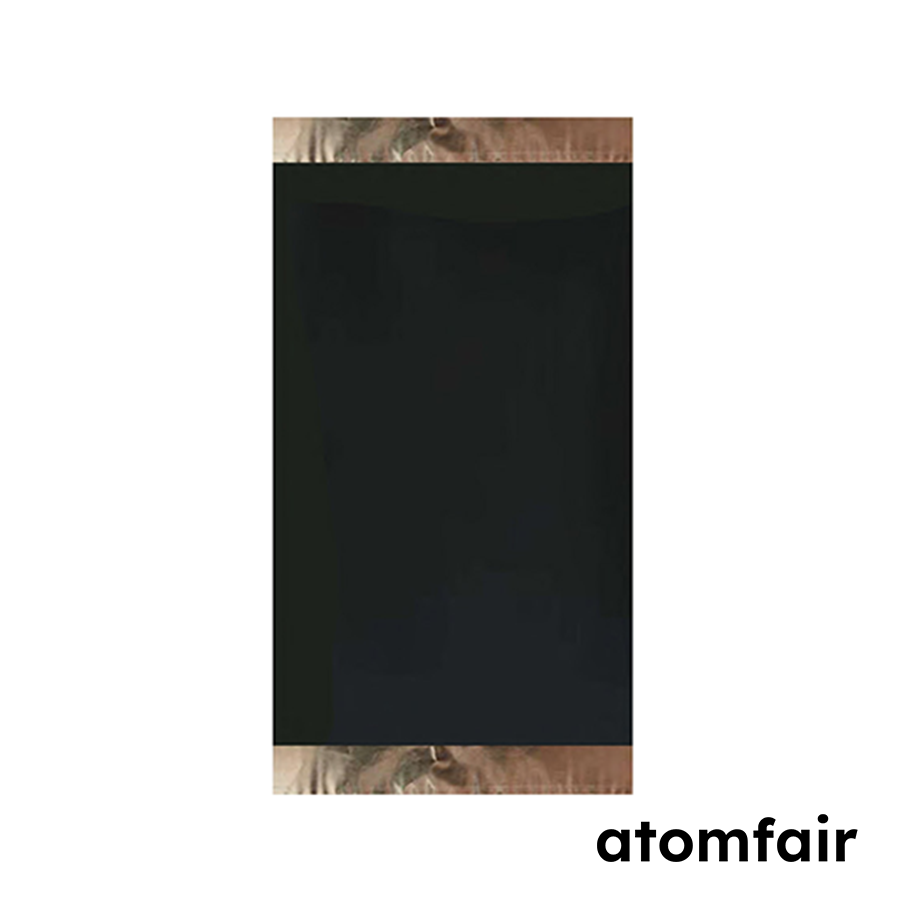
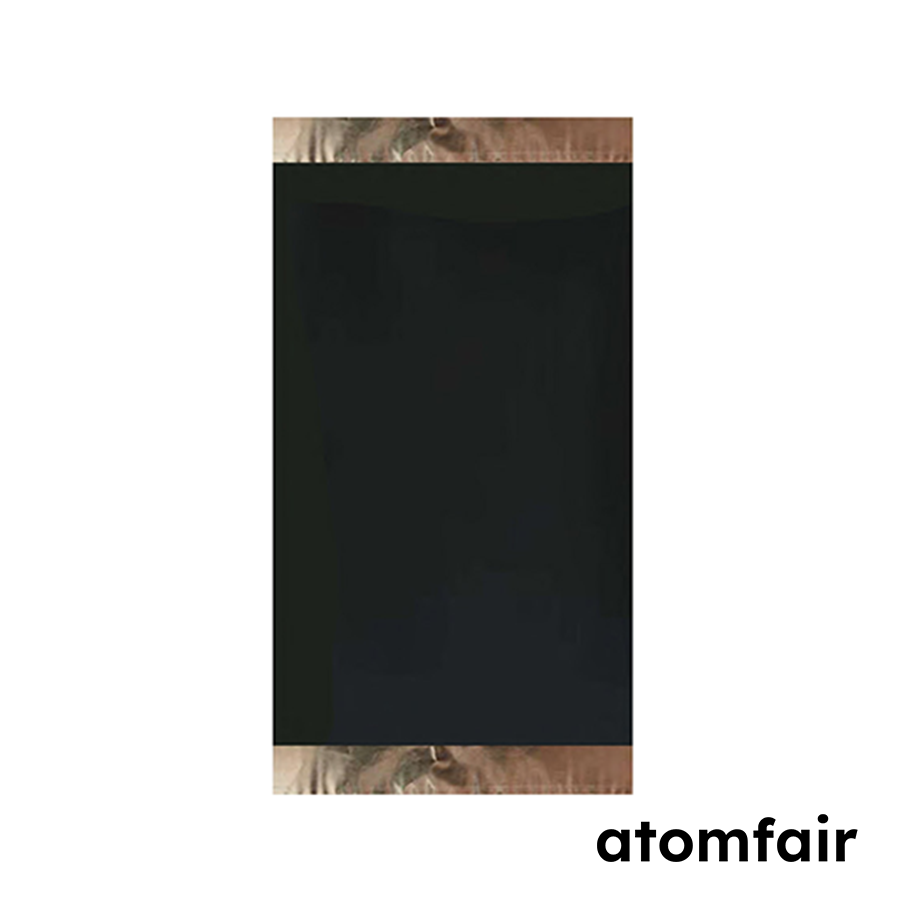
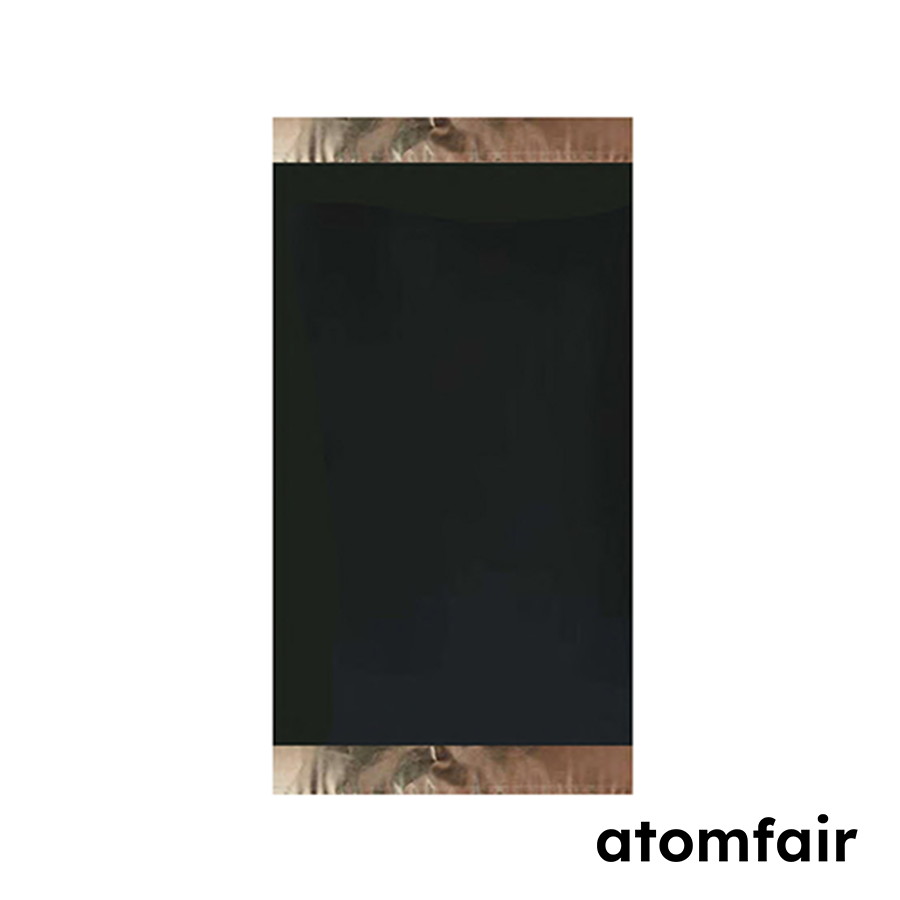
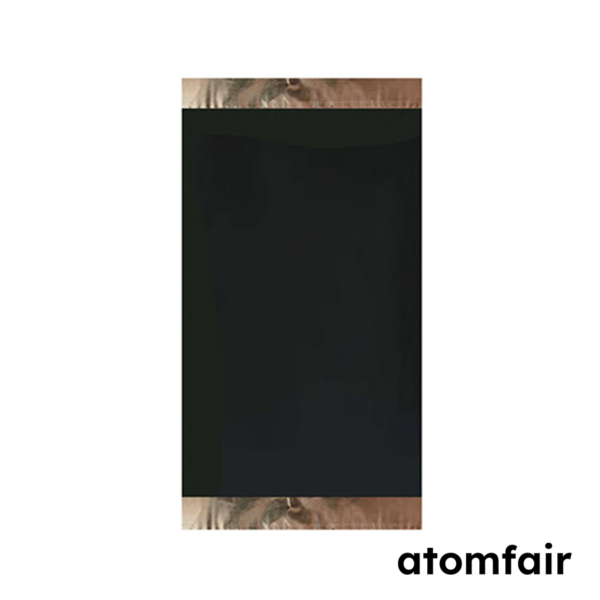
LTO Double-Sided Electrode Lithium Titanate, 24 mg/cm² per side, Wet Process
Battery Electrode Sheet
|
||||||||||||||||||||||||||||||||||||||||||||
|
This document defines the handling and storage constraints for the double-sided LTO electrode sheet. The electrode surface is moisture-sensitive and must be protected from physical damage and contamination.
- Moisture Exposure Mitigation: Use a dry handling environment before cell assembly to reduce moisture exposure on the coated electrode surface.
- Storage Atmosphere Requirement: Store opened sheets in a dry environment or inert atmosphere to reduce moisture exposure before use.
- Surface Integrity Protection: Avoid touching, bending, scratching, or contaminating the coated surface during punching, transfer, and stacking.
This procedure outlines the required handling and storage steps to maintain electrode integrity. The steps minimize moisture exposure and physical damage to the coated surface.
- Establish a Dry Handling Environment
Use a dry handling environment before cell assembly to reduce moisture exposure on the coated electrode surface. - Store Opened Sheets Appropriately
Store opened sheets in a dry environment or inert atmosphere to reduce moisture exposure before use. - Prevent Physical Damage
Avoid touching, bending, scratching, or contaminating the coated surface during punching, transfer, and stacking.
What is the structure of the current collector in this LTO electrode sheet, and why is it carbon-coated?
The current collector is a carbon-coated aluminum foil with a 1 µm carbon coating on each side of a 12 µm aluminum foil. The carbon coating reduces contact resistance and provides a stable interface for the electrode coating, as stated in the product specifications.
What handling precautions are recommended for this LTO electrode sheet to maintain performance?
The electrode sheet should be handled in a dry environment to minimize moisture exposure. The coated surface must not be touched, bent, scratched, or contaminated during punching, transfer, and stacking. Opened sheets should be stored in a dry environment or inert atmosphere.
What experimental parameters should be defined when testing this LTO electrode in a cell?
For consistent comparative experiments, the voltage window, matching electrode, electrolyte system, and aluminum current collector handling must be consistently defined across tests, as noted in the product handling guidelines.
This double-sided LTO electrode sheet with 24 mg/cm2 loading and 93.50% active material ratio on a carbon-coated aluminum foil current collector provides a defined format for lithium-ion battery research, enabling controlled evaluation of electrode performance, electrolyte compatibility, and full-cell matching under specified handling conditions.
Positive
- High active material ratio (93.50%): The electrode coating comprises 93.50% active lithium titanate, maximizing active material content per unit mass of coating for higher specific capacity.
- Double-sided coating with 24 mg/cm2 loading: The double-sided configuration with 24 mg/cm2 areal loading provides high areal capacity suitable for full-cell matching and high-energy-density research.
Trade-offs
- Moisture-sensitive handling required: The electrode must be handled in a dry environment or inert atmosphere before cell assembly to prevent moisture absorption that could degrade electrochemical performance.
- Fragile coated surface: The coated surface is susceptible to physical damage from touching, bending, scratching, or contamination during punching, transfer, and stacking, requiring careful handling protocols.
Every advanced material, component, equipment, and instrument in our catalog is backed by rigorous testing. We maintain strict internal quality management frameworks and align with CE conformity metrics to deliver transparent, reproducible performance data via our public open-science repository.
To request raw batch performance data, submit formal vendor registration paperwork, or execute a fast-turnaround R&D manufacturing loop, contact us at inquiry@atomfair.com.
Item is dispatched under the Atomfair Shipping & Delivery Framework (Free worldwide shipping on orders over $59 USD excl. heavy equipment). Return is governed by the Atomfair Return & Refund Policy (7-day technical return window).