|
LMR Double-Sided Cathode, 54.6mg/cm² per side, Dry Process, 5-Pack
Battery Electrode Sheet
|
||||||||||||||||||||||||||||||||||||||||||||
|
This electrode sheet is moisture-sensitive and must be vacuum-dried before use to prevent structural degradation. The manufacturer prescribes a 12-hour vacuum bake at 100°C for all laboratory evaluations.
- Vacuum Drying Protocol: A 12-hour vacuum drying step at 100°C is required before thermal validation testing.
- Moisture Contamination Risk: Moisture contamination can cause structural degradation of the electrode coating.
- Research Use Restriction: This product is sold exclusively for laboratory research and should not be used in clinical or commercial applications.
This procedure describes the required vacuum drying of LMR-D02 cathode sheets before use. Following these steps prevents moisture-induced structural degradation during thermal validation.
Required Equipment: Vacuum oven
- Load sheets
Transfer the cathode sheets into a vacuum oven capable of reaching 100°C. - Set temperature
Set the vacuum oven temperature to 100°C. - Apply vacuum
Evacuate the oven chamber and maintain the vacuum continuously. - Bake for 12 hours
Maintain the oven at 100°C under vacuum for 12 hours. - Cool and remove
Cool the oven to ambient temperature before removing the dried sheets.
How does the carbon-modified interlayer on the current collector improve the electrochemical performance of the LMR-D02 electrode sheet?
The carbon-modified interlayer on the carbon-coated aluminum foil current collector minimizes interfacial contact resistance and reduces contact polarization. This design improves electrical contact stability, which helps extend test cell cycling metrics. The electrode sheet features a 96.00% active material ratio and a high loading of 54.6 mg/cm², enabling high capacity (300 mAh/g) while maintaining structural integrity.
What substrate thickness and coating dimensions are specified for the LMR-D02 electrode, and how do they affect standard laboratory cell assembly?
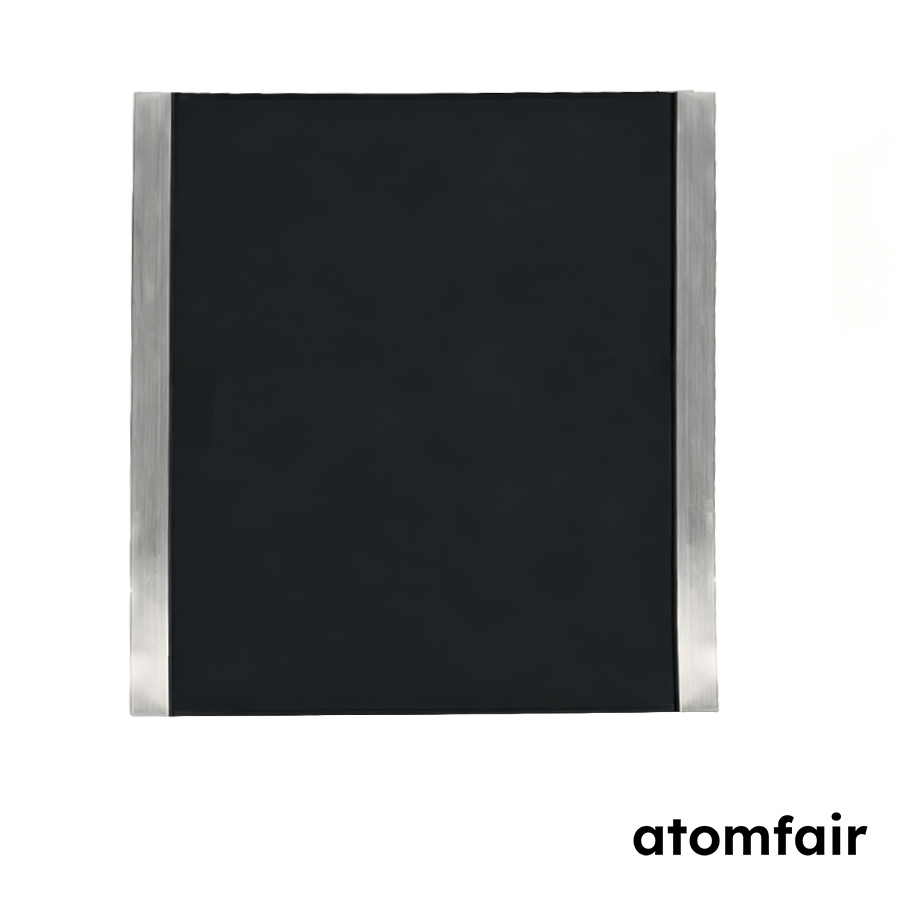
The substrate is a carbon-coated aluminum foil with a total thickness of 12 μm core plus 0.5 μm coating on each side (12+0.5+0.5 μm). The double-side coating covers a 90×120 mm area on a 90×140 mm substrate. These dimensions are designed for consistent electrode punching for coin cells or pouch cells, ensuring reproducible active material loading and cell-to-cell consistency in research.
What is the recommended drying protocol for the LMR-D02 electrode sheet before high-stakes thermal validation testing?
The manufacturer recommends baking the electrode sheets under vacuum at 100°C for 12 hours to prevent moisture contamination and structural degradation. This protocol is essential because the lithium-rich manganese-based cathode material is moisture-sensitive, and improper drying can compromise electrochemical performance. The product is sold exclusively for laboratory research and must be handled according to these guidelines.
This LMR-D02 electrode sheet combines a 96% active material matrix with double-side dry coating at 54.6 mg/cm², delivering 300 mAh/g capacity for high-energy lithium-ion R&D, but mandates a 12-hour vacuum bake at 100°C to prevent moisture-induced degradation and is restricted to laboratory use only.
Positive
- 96% active material matrix: The high active material ratio (96.00%) maximizes electroactive concentration, supporting robust kinetics and consistent half-cell benchmarking.
- Carbon-modified interlayer reduces contact resistance: The carbon-coated aluminum foil substrate minimizes interfacial contact resistance and contact polarization, which can extend test cell cycling metrics.
Trade-offs
- Mandatory vacuum baking protocol: To prevent moisture contamination and structural degradation, the electrode sheets must be processed under vacuum at 100°C for 12 hours before thermal validation workflows.
- Laboratory research use only: This product is sold exclusively for laboratory research, not for production or commercial battery manufacturing, limiting applicability to pilot or industrial scale.
Every advanced material, component, equipment, and instrument in our catalog is backed by rigorous testing. We maintain strict internal quality management frameworks and align with CE conformity metrics to deliver transparent, reproducible performance data via our public open-science repository.
To request raw batch performance data, submit formal vendor registration paperwork, or execute a fast-turnaround R&D manufacturing loop, contact us at inquiry@atomfair.com.
Item is dispatched under the Atomfair Shipping & Delivery Framework (Free worldwide shipping on orders over $59 USD excl. heavy equipment). Return is governed by the Atomfair Return & Refund Policy (7-day technical return window).