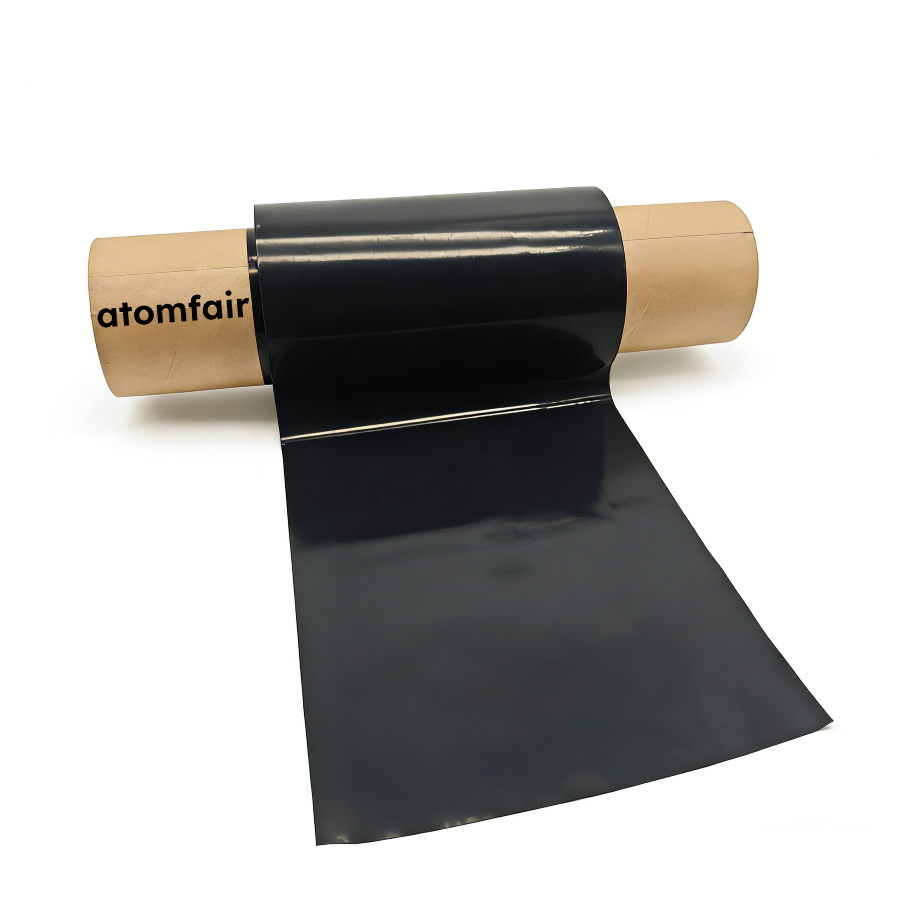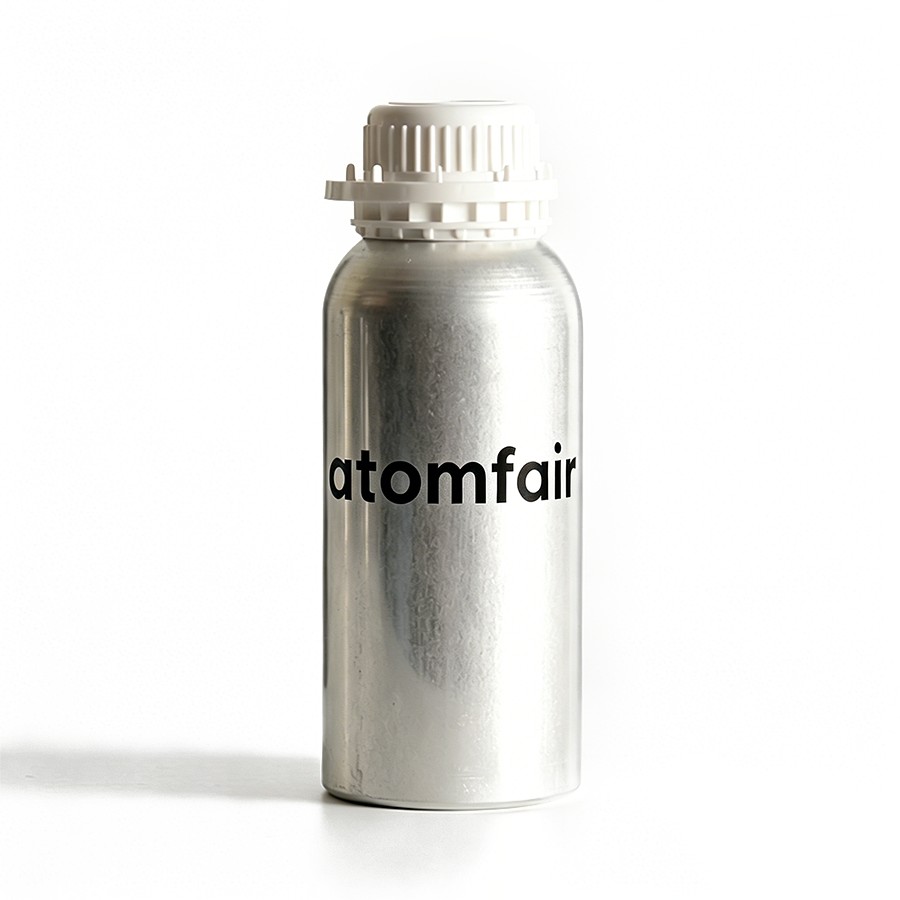
ATOMFAIR® LITHIUM PHOSPHORUS SULFIDE (LI3PS4) SOLID-STATE ELECTROLYTERESEARCH GRADE MATERIAL
|
||||||||||||||||||||||||
|
||||||||||||||||||||||||
|
|||
|
TAILORED SOLUTIONS FOR RESEARCH
Contact our engineering team for technical support or official institutional quotations.
EMAIL: support@atomfair.com
|
|||
|
Manufacturer: Atomfair LLC
Brand: ATOMFAIR®
|
This sulfide solid-state electrolyte degrades upon exposure to atmospheric moisture and oxygen, releasing toxic hydrogen sulfide gas. Storage in an inert atmosphere glovebox with continuous moisture and oxygen monitoring below 1 ppm is required to preserve material integrity.
- Moisture Sensitivity: Exposure to ambient humidity causes hydrolysis of Li3PS4, generating H2S and degrading ionic conductivity.
- Oxygen Sensitivity: Oxygen reacts with the sulfide surface at elevated temperatures, forming insulating oxide layers that reduce performance.
- Containment Requirements: Handle and store under dry argon or helium atmosphere with less than 0.1 ppm H2O and O2 to prevent decomposition.
- Electrochemical Instability at High Voltage: Avoid prolonged exposure to potentials exceeding the electrochemical stability window to prevent oxidative decomposition.
This procedure describes the safe transfer and preparation of air-sensitive Li3PS4 powder for solid-state battery assembly. All operations must be performed in an inert atmosphere glovebox with oxygen and moisture levels below 0.1 ppm.
Required Equipment: Inert atmosphere glovebox, Analytical balance (0.1 mg precision), Powder transfer spatula, Sealed storage vial with airtight cap
- Verify glovebox atmosphere
Verify the glovebox oxygen and moisture levels are below 0.1 ppm before introducing the material. - Transfer powder to weighing boat
Transfer the Li3PS4 powder from the sealed shipping container to a clean weighing boat inside the glovebox. - Weigh the material
Weigh the required amount of powder using an analytical balance with 0.1 mg precision. - Seal the powder
Seal the weighing boat or transfer the powder to a storage vial with an airtight cap to maintain inert atmosphere. - Prepare slurry for coating
If used in battery assembly, mix the powder with the appropriate binder and solvent inside the glovebox to form a homogeneous slurry. - Apply slurry onto substrate
Apply the slurry onto the current collector substrate using a doctor blade or tape casting method to achieve uniform thickness. - Dry the coated film
Allow the coated film to dry in the glovebox under vacuum or inert gas flow at room temperature until fully dry.
What is the typical ionic conductivity of ATOMFAIR Li3PS4 and how does processing affect it?
The typical ionic conductivity of Li3PS4 is >10^-2 S/cm, though it varies based on processing conditions. This high conductivity enables superior ionic transport for solid-state battery performance, but users must optimize synthesis and densification parameters to achieve the maximum possible conductivity. The specification reflects practical values under controlled laboratory processing.
Is Li3PS4 compatible with lithium metal anodes and what cathode materials can it support?
Yes, Li3PS4 is specifically suitable for use with lithium metal anodes and diverse cathode materials due to its wide electrochemical window and chemical stability. This compatibility allows integration into various solid-state battery designs without significant reactivity issues, making it a versatile electrolyte for both academic research and industrial development.
What critical storage and safety precautions are required for handling Li3PS4 solid electrolyte?
Li3PS4 must be stored in a cool, dry place away from moisture and direct sunlight to prevent degradation of its ionic conductivity and structural integrity. During handling, appropriate personal protective equipment (PPE) is required, and disposal must follow local regulations for battery materials. Moisture exposure is particularly detrimental to sulfide electrolytes.
This sulfide solid-state electrolyte offers ionic conductivity >10^-2 S/cm and compatibility with lithium metal anodes, but requires moisture-free storage and dedicated PPE for handling, making it suitable for controlled laboratory environments.
Positive
- High ionic conductivity: Exhibits ionic conductivity typically exceeding 10^-2 S/cm, enabling efficient ion transport in solid-state battery configurations.
- Chemical stability with lithium: Demonstrates stability against lithium metal anodes and compatibility with diverse cathode materials, reducing interfacial degradation risks.
Trade-offs
- Moisture-sensitive storage required: Storage in a cool, dry place away from moisture is mandated, indicating hygroscopic behavior that could degrade performance upon exposure.
- Mandatory PPE for handling: Appropriate personal protective equipment must be used during handling, reflecting potential chemical irritancy or dust hazards inherent to sulfide electrolytes.
Every advanced material, component, equipment, and instrument in our catalog is backed by rigorous testing. We maintain strict internal quality management frameworks and align with CE conformity metrics to deliver transparent, reproducible performance data via our public open-science repository.
To request raw batch performance data, submit formal vendor registration paperwork, or execute a fast-turnaround R&D manufacturing loop, contact us at inquiry@atomfair.com.
Item is dispatched under the Atomfair Shipping & Delivery Framework (Free worldwide shipping on orders over $59 USD excl. heavy equipment). Return is governed by the Atomfair Return & Refund Policy (7-day technical return window).