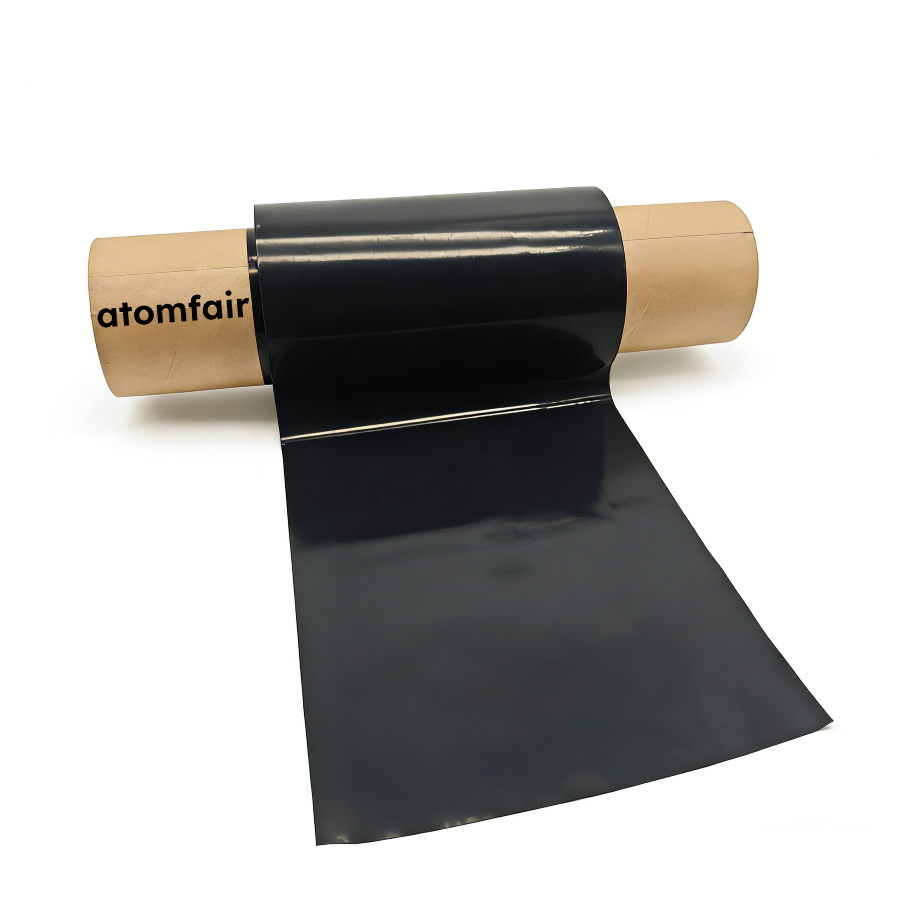
Description
ATOMFAIR® CUSTOM SOLID-STATE BATTERY ELECTRODE + SOLID ELECTROLYTERESEARCH GRADE MATERIAL
|
|||||||||||||||||||||||||||||
|
|||||||||||||||||||||||||||||
|
TAILORED SOLUTIONS FOR RESEARCH
Contact our engineering team for technical support or official institutional quotations.
EMAIL: inquiry@atomfair.com
|
|||||||||||||||||||||||||||||
|
Manufacturer: Atomfair LLC
Brand: ATOMFAIR®
|
|||||||||||||||||||||||||||||
This material is highly sensitive to moisture and oxygen, necessitating handling in an inert atmosphere glovebox to prevent degradation and toxic gas generation. Storage must be under vacuum or in sealed containers with desiccant to maintain material integrity and safety.
- Moisture Sensitivity: Exposure to ambient moisture can generate toxic hydrogen sulfide gas from sulfide-based electrolytes.
- Oxygen Sensitivity: Prolonged oxygen exposure may oxidize the electrolyte, reducing ionic conductivity and performance.
- Lithium Metal Anode Handling: If lithium metal is used, it requires inert atmosphere handling to avoid passivation and fire risk.
These steps describe the safe handling and assembly of sulfide-, oxide-, or polymer-based solid electrolytes with custom electrodes under inert conditions. Proper glovebox technique and pressure application are critical to prevent material degradation and ensure cell performance.
Required Equipment: Inert atmosphere glovebox, Analytical balance, Pellet die set, Coin cell crimping tool
- Glovebox Purge
Transfer the solid electrolyte powder into the glovebox antechamber and purge with inert gas to remove residual air. - Material Weighing
Weigh the electrolyte and electrode materials under inert atmosphere using an analytical balance. - Component Mixing
Mix the components as per the custom formulation inside the glovebox to ensure homogeneity. - Pellet Formation
Load the mixture into a die and apply uniaxial pressure to form a dense pellet. - Cell Assembly
Assemble the cell by stacking the cathode, electrolyte pellet, and anode within a suitable casing. - Cell Sealing
Seal the casing inside the glovebox using a crimping tool to maintain an airtight inert environment. - Stabilization
Allow the assembled cell to stabilize under inert atmosphere before performing electrical characterization.
What performance trade-offs exist when selecting lithium metal versus lithium-ion compound electrodes for this custom solid electrolyte system?
Lithium metal electrodes achieve higher energy density but require careful interface engineering with the selected electrolyte to prevent dendrite formation. Lithium-ion compound electrodes offer improved cycle stability and compatibility at the cost of lower energy density. The product's customizable electrode materials and electrolyte types allow researchers to balance these trade-offs based on their specific design requirements.
How does this custom solid electrolyte ensure compatibility with both sulfide and oxide cathode materials in a solid-state cell?
Compatibility is achieved through the ability to customize the electrolyte composition and electrode materials for the target cathode chemistry. The product offers sulfide, oxide, or polymer electrolytes, each with distinct interfacial properties, and electrode materials can be tailored to match. This flexibility allows the solid electrolyte to be optimized for a specific cathode material, minimizing interfacial resistance and maximizing performance.
What storage conditions and safety measures are required for handling these custom solid-state electrolytes?
All custom solid electrolytes must be stored in a cool, dry place away from direct sunlight and moisture to maintain stability. Appropriate PPE must be used during handling to avoid skin contact or inhalation. The product description explicitly lists these handling and storage requirements, and disposal must follow local battery regulations.
This custom solid-state battery electrode and electrolyte solution offers flexible material selection for R&D applications, with trade-offs in environmental sensitivity and handling requirements.
Positive
- Customizable Electrode Design: Electrode materials can be tailored to specific project needs, enabling optimized conductivity for custom battery architectures.
- Electrolyte Composition Selection: Sulfide, oxide, or polymer electrolyte options allow researchers to balance ionic conductivity and stability according to application demands.
Trade-offs
- Moisture Sensitivity Risk: Sulfide-based electrolytes are inherently moisture-sensitive; storage in a cool, dry place away from direct sunlight and moisture is mandatory to prevent degradation.
- PPE and Handling Protocol: Personal protective equipment is required during handling due to potential reactivity; this adds procedural overhead for routine laboratory use.
Every advanced material, component, equipment, and instrument in our catalog is backed by rigorous testing. We maintain strict internal quality management frameworks and align with CE conformity metrics to deliver transparent, reproducible performance data via our public open-science repository.
To request raw batch performance data, submit formal vendor registration paperwork, or execute a fast-turnaround R&D manufacturing loop, contact us at inquiry@atomfair.com.
Item is dispatched under the Atomfair Shipping & Delivery Framework (Free worldwide shipping on orders over $59 USD). Return is governed by the Atomfair Return & Refund Policy (7-day technical return window).