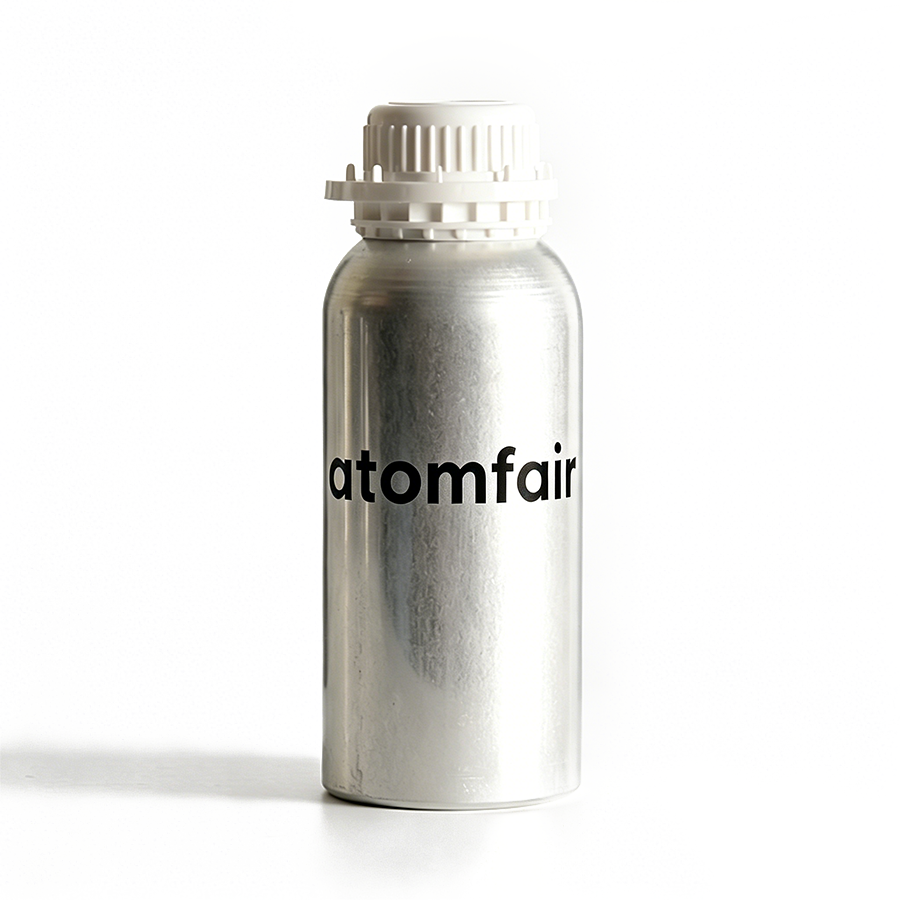
ATOMFAIR® LATP SOLID ELECTROLYTE POWDERRESEARCH GRADE MATERIAL
|
||||||||||||||||||||||||||||||||||||||||||||||||||||||||||||||||||||
|
||||||||||||||||||||||||||||||||||||||||||||||||||||||||||||||||||||
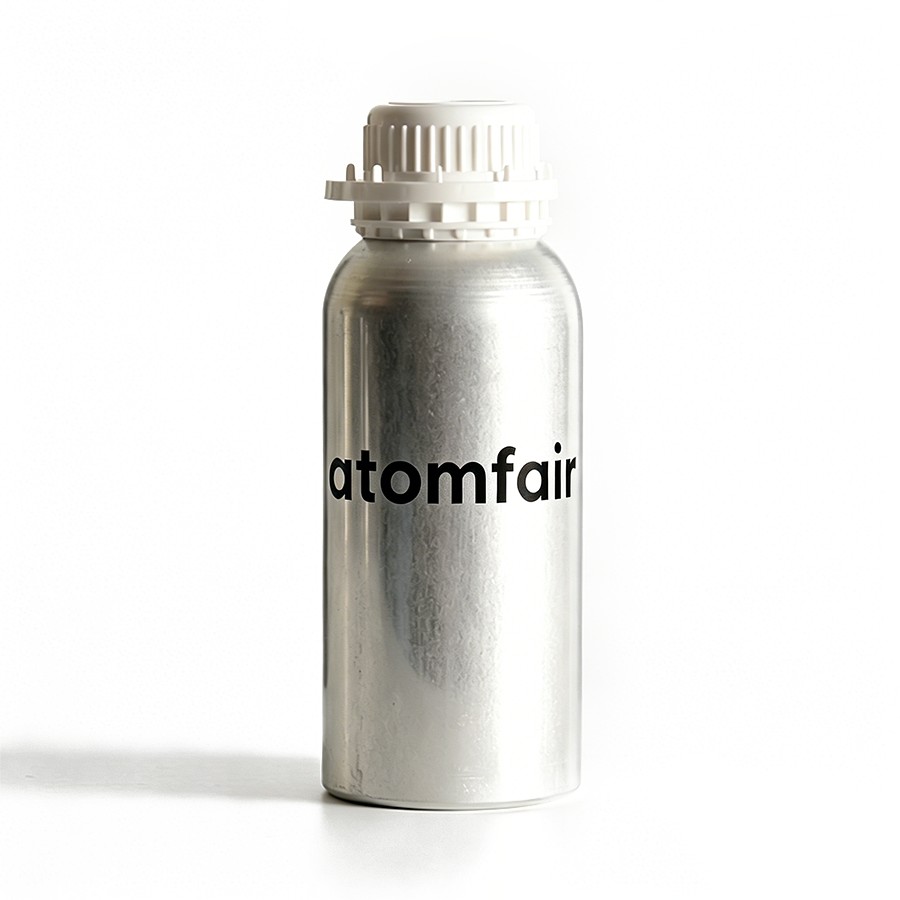
This LATP solid electrolyte powder requires strict moisture control to maintain its specified ionic conductivity. Handling must be performed exclusively in an inert atmosphere glovebox to prevent hydrolysis and degradation.
- Moisture Control: Store the material in an airtight container under inert atmosphere to keep moisture content below the specified threshold.
- Inert Atmosphere Handling: Always handle the powder inside a glovebox filled with high-purity argon or nitrogen to avoid ambient moisture exposure.
How does LATP particle size affect ionic conductivity and performance trade-offs in solid-state battery designs?
Smaller primary particles deliver higher room-temperature ionic conductivity: the LATP03V1 grade with 0.30±0.06 μm D50 achieves 1.32 mS/cm, while the LATP10V1 grade with 1.00±0.20 μm D50 drops to 0.67 mS/cm. This trade-off requires balancing conductivity gains against the handling challenges of finer powders, such as increased agglomeration and moisture sensitivity, with LATP03V1 having a moisture limit of ≤0.2 wt% versus ≤0.1 wt% for LATP10V1.
What are the key compatibility constraints when integrating LATP powder into thin-film coating versus thick-layer sintering applications?
Particle size selection directly dictates application suitability: submicron grades like LATP03V1 (0.30 μm) are optimized for thin-film coating due to uniform dispersion, while micron-sized grades like LATP50V1 (5.0 μm) and LATP100V1 (10.0 μm) are designed for thick-layer sintering where higher green density and reduced shrinkage are critical. The material's pH of 7.3–8.5 ensures broad chemical compatibility with common electrode interfaces, but users must verify interfacial stability with specific cathode chemistries.
What environmental and handling conditions are required to maintain LATP powder quality during processing and storage?
Processing must be performed in a glove box with high-purity nitrogen or argon where H2O and O2 levels remain below 0.1 ppm to prevent moisture uptake and interfacial side reactions. Weighing requires a balance with 0.1 mg precision under anti-static conditions, and all powder transfers must use high-purity, low-oxygen-permeability sample bottles or aluminum foil bags sealed with spiral caps featuring O-rings to maintain dry packaging.
LATP solid electrolyte powder delivers room-temperature ionic conductivity up to 1.3 mS/cm with primary particle D50 ranging from 0.3 to 10.0 μm, enabling tailored thin-film or sintered-layer fabrication. However, the material demands glove-box handling under <0.1 ppm H₂O/O₂ and precision weighing with 0.1 mg resolution to preserve its ultra-low moisture specifications and prevent interfacial side reactions.
Positive
- High room-temperature ionic conductivity: Model LATP03V1 achieves 1.32 mS/cm at 25°C, reducing internal resistance in solid-state battery assemblies.
- Controlled particle size distribution: Primary particle D50 spans 0.30±0.06 to 10.0±2.0 μm across five grades, accommodating both thin-film coating and thick-layer sintering processes.
Trade-offs
- Strict inert atmosphere required: Handling must occur in a glove box with high-purity nitrogen or argon maintaining H₂O and O₂ <0.1 ppm to preserve the ≤0.2 wt% moisture specification and avoid interfacial degradation.
- Sensitive weighing and transfer protocol: Weighing mandates a 0.1 mg precision balance in a vibration-free environment with anti-static measures; transfer requires high-purity, low-oxygen-permeability containers with O-ring-sealed caps, adding infrastructure overhead.
Every advanced material, component, equipment, and instrument in our catalog is backed by rigorous testing. We maintain strict internal quality management frameworks and align with CE conformity metrics to deliver transparent, reproducible performance data via our public open-science repository.
To request raw batch performance data, submit formal vendor registration paperwork, or execute a fast-turnaround R&D manufacturing loop, contact us at inquiry@atomfair.com.
Item is dispatched under the Atomfair Shipping & Delivery Framework (Free worldwide shipping on orders over $59 USD excl. heavy equipment). Return is governed by the Atomfair Return & Refund Policy (7-day technical return window).