|
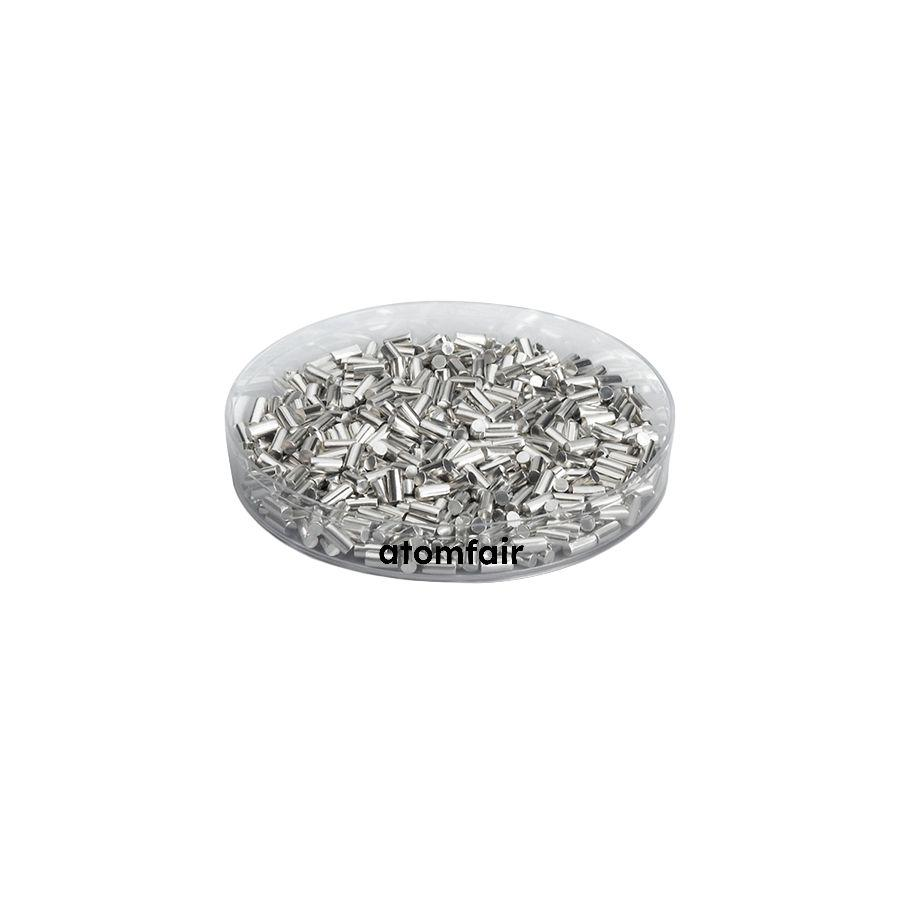
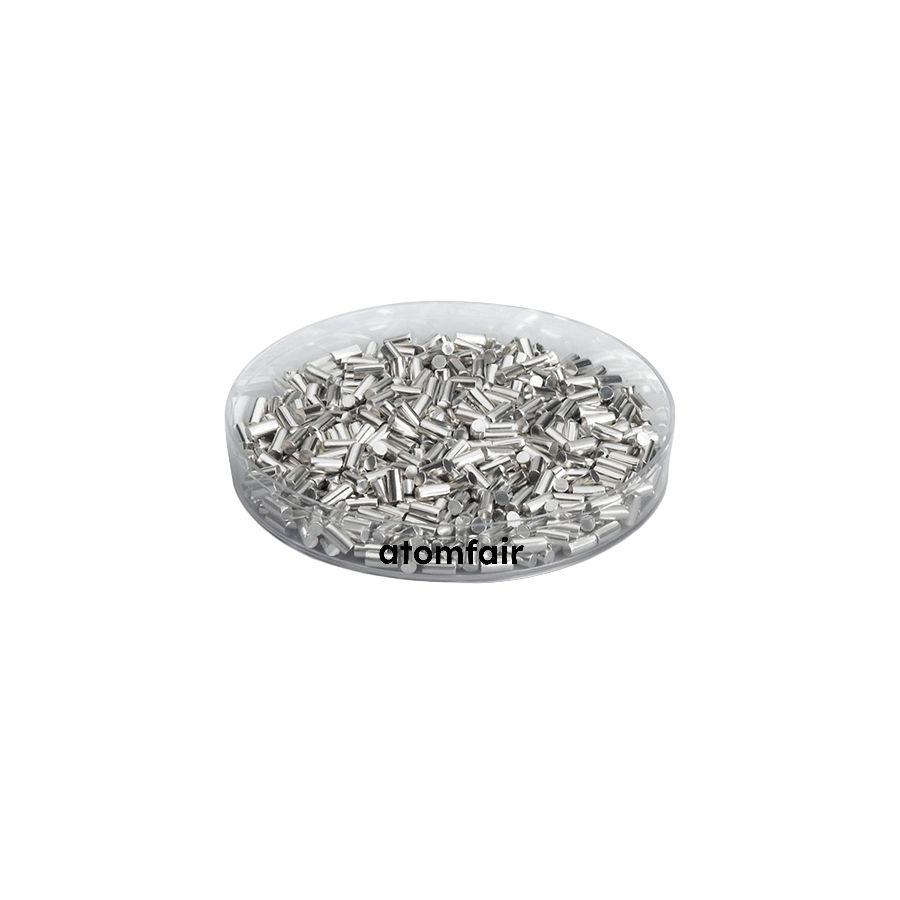
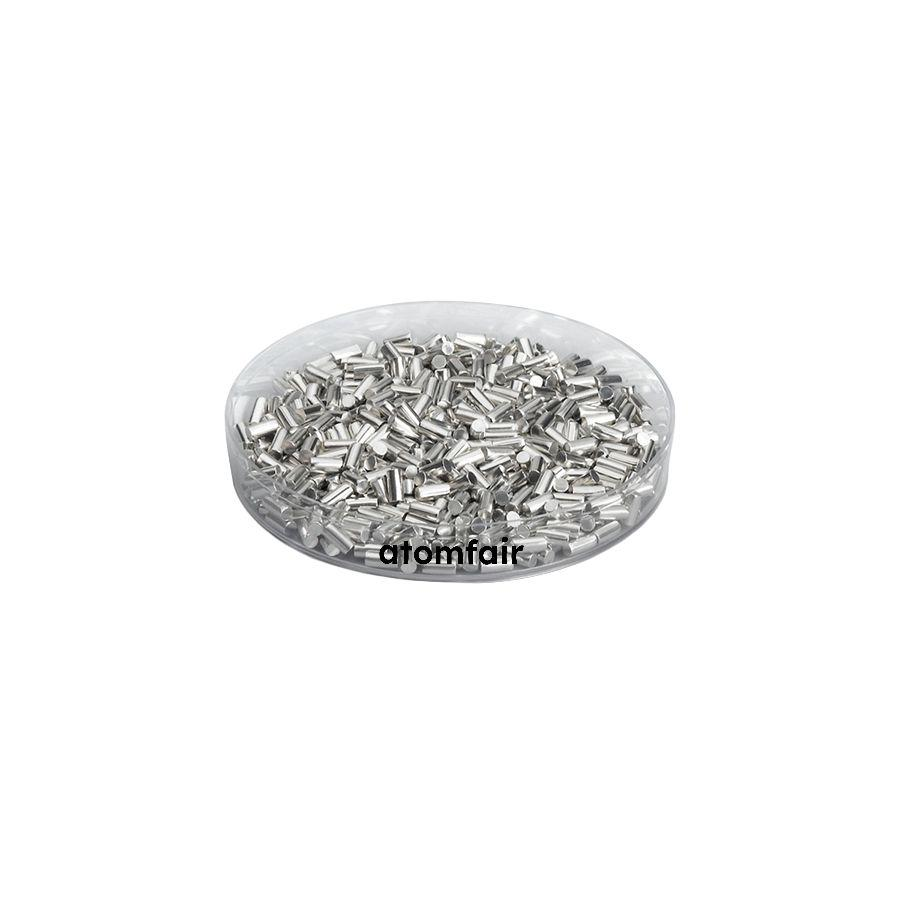
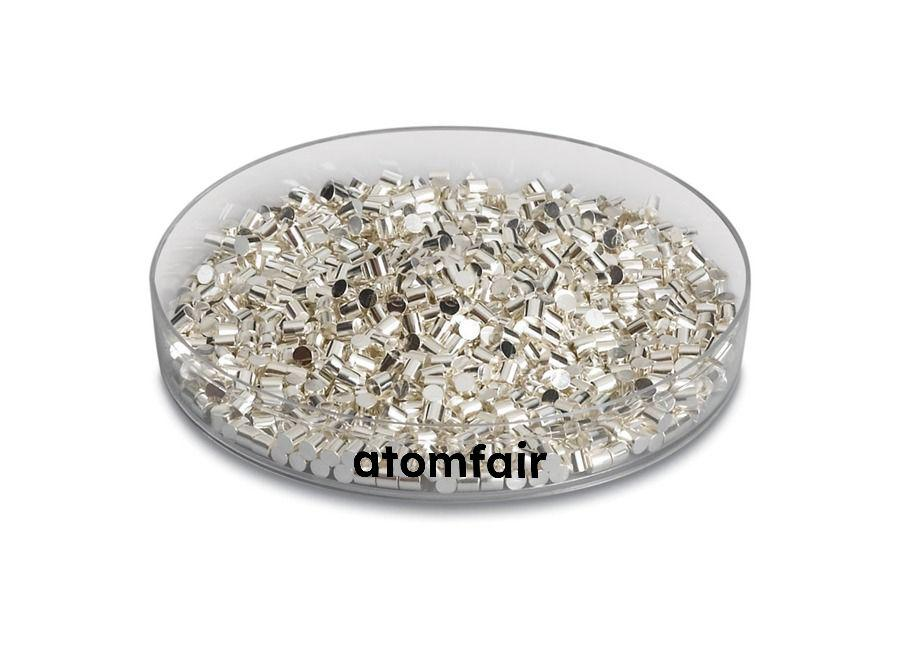
Lithium (Li) Evaporation Material, Pellets, 99.99%, 1-10 mm
Product Type: Pure Metal Evaporation Material
Research-grade laboratory product
|
|||||||||||||||||||||||||||||||||||||||
|
|||||||||||||||||||||||||||||||||||||||
|
LABORATORY PROCUREMENT SUPPORT
For material selection, deposition-source matching, pack-size confirmation or quotation support, contact our technical sales team.
INQUIRY: inquiry@atomfair.com
|
|||||||||||||||||||||||||||||||||||||||
|
Manufacturer: Atomfair LLC
Brand: ATOMFAIR®
|
Lithium pellets are highly reactive with moisture and oxygen, requiring strict inert atmosphere storage and handling. All processing must be performed under dry inert gas to prevent oxidation and combustion hazards.
- Storage: Store lithium pellets in a sealed ampoule under inert gas, away from moisture and air.
- Handling: Handle lithium pellets only in an inert-atmosphere glovebox with oxygen and moisture levels below 1 ppm.
- Evaporation Source: Use a sealed ampoule or a tantalum, molybdenum, or tungsten boat designed for inert handling to prevent reaction during heating.
- Thermal Management: Heat lithium gradually under vacuum to avoid rapid oxidation or spitting due to its low melting point of 181°C.
This procedure describes the safe transfer and thermal evaporation of lithium pellets under inert conditions. Follow these steps to prevent oxidation and ensure uniform film deposition.
Required Equipment: Inert-atmosphere glovebox, Tantalum, molybdenum, or tungsten evaporation boat, High-vacuum deposition chamber
- Transfer to glovebox
Transfer the sealed ampoule containing lithium pellets into an inert-atmosphere glovebox before opening. - Load evaporation boat
Open the ampoule inside the glovebox and load the lithium pellets into a clean tantalum, molybdenum, or tungsten boat. - Transfer to chamber
Transfer the loaded boat to the deposition chamber under inert gas cover or using a vacuum load lock. - Evacuate chamber
Evacuate the deposition chamber to high vacuum to remove residual gases before heating. - Heat gradually
Heat the boat gradually to above the melting point of 181°C while monitoring chamber pressure for outgassing. - Deposit film
Open the shutter and deposit lithium onto the substrate at the desired rate while maintaining inert conditions.
What boat materials are compatible with lithium evaporation pellets?
The recommended evaporation sources are sealed ampoules or Ta/Mo/W boats used in an inert handling setup as specified in the product specifications for thermal/resistive evaporation of lithium pellets.
Why must lithium evaporation be performed under strict dry inert conditions?
Strict dry inert handling is required because lithium is highly reactive with moisture and oxygen; the product specifications mandate thermal/resistive evaporation under strict dry inert conditions using sealed ampoules or boats in an inert atmosphere to maintain material purity during deposition.
What is the melting point of these lithium pellets and how does it influence the recommended evaporation method?
The melting point of these lithium pellets is 181°C (likely Celsius). This low melting point enables thermal/resistive evaporation using Ta/Mo/W boats under inert conditions as specified in the technical specifications.
Atomfair AF-LIPEL-4N110MM is a 99.99% pure lithium pellet evaporation material (1-10 mm) designed for thermal/resistive evaporation under inert conditions, with low density and high Z-ratio requiring careful process calibration.
Positive
- High Purity 99.99% Lithium: 99.99% purity specification supports reproducible thin-film stoichiometry and minimizes contamination in sensitive deposition processes.
- Optimized Pellet Form Factor: 1-10 mm pellet size accommodates standard thermal evaporation sources and allows controlled loading for consistent deposition rates.
Trade-offs
- Reactive Material Handling Requirements: Lithium is highly reactive with air and moisture, necessitating sealed ampoule storage and strict dry inert handling during loading and evaporation to prevent oxidation or safety hazards.
- Low Density and High Z-Ratio: With a density of 0.53 g/cm³ and Z-ratio of 5.9, crystal monitor calibration must be carefully adjusted for accurate film thickness measurement, and the low density may require specialized source design to avoid material loss.
Every advanced material, component, equipment, and instrument in our catalog is backed by rigorous testing. We maintain strict internal quality management frameworks and align with CE conformity metrics to deliver transparent, reproducible performance data via our public open-science repository.
To request raw batch performance data, submit formal vendor registration paperwork, or execute a fast-turnaround R&D manufacturing loop, contact us at inquiry@atomfair.com.
Item is dispatched under the Atomfair Shipping & Delivery Framework (Free worldwide shipping on orders over $59 USD excl. heavy equipment). Return is governed by the Atomfair Return & Refund Policy (7-day technical return window).