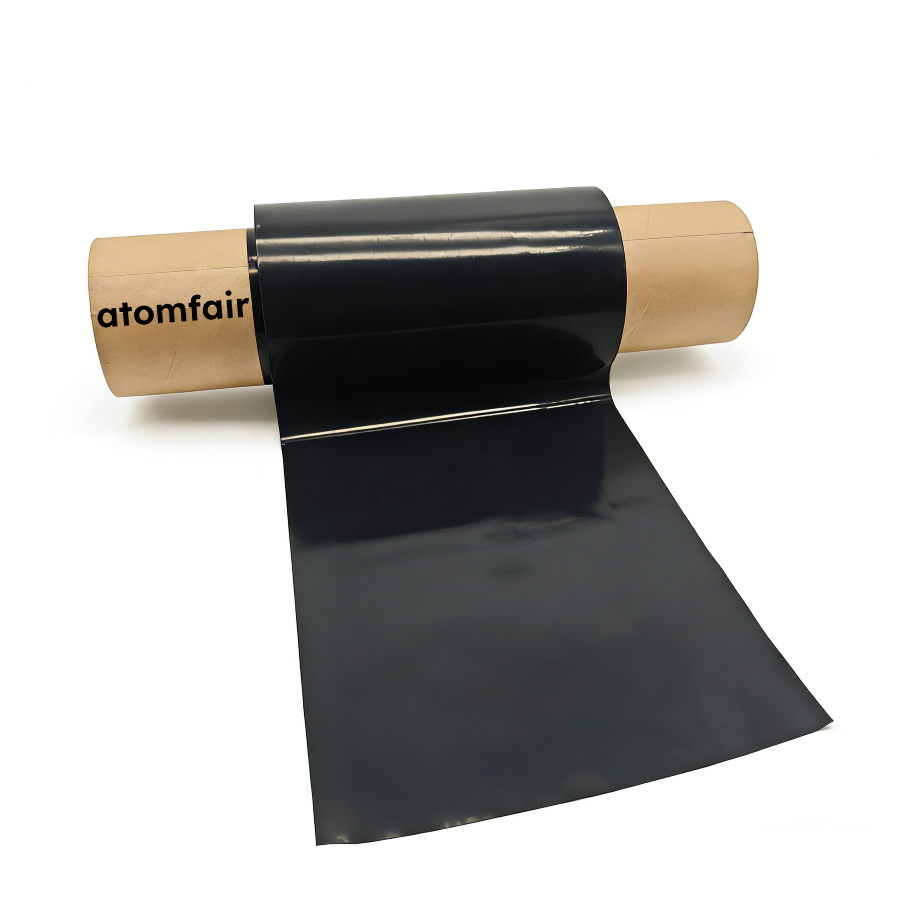
ATOMFAIR® LITHIUM SILICON PHOSPHORUS SULFIDE CHLORIDE (LISIPSCL) SOLID-STATE ELECTROLYTERESEARCH GRADE MATERIAL
|
||||||||||||||||||||||||
|
||||||||||||||||||||||||
|
|||
|
TAILORED SOLUTIONS FOR RESEARCH
Contact our engineering team for technical support or official institutional quotations.
EMAIL: support@atomfair.com
|
|||
|
Manufacturer: Atomfair LLC
Brand: ATOMFAIR®
|
Ionic conductivity of LiSiPSCl is processing-dependent and requires optimization of pressing and sintering parameters. The material must be paired with compatible lithium metal anodes and cathode materials to ensure electrochemical stability and performance.
- Processing Parameter Sensitivity: Achieving ionic conductivity above 10⁻² S/cm depends on precise control of pressing pressure and sintering temperature conditions.
- Electrode Compatibility: LiSiPSCl exhibits stable operation when used with lithium metal anodes and selected cathode materials, necessitating compatibility verification.
- Electrochemical Window Considerations: Wide electrochemical window allows use with high-voltage cathodes but requires validation for specific cell chemistries to avoid decomposition.
How does the ionic conductivity of LiSiPSCl vary with different processing conditions?
LiSiPSCl exhibits ionic conductivity typically >10⁻² S/cm, but this value varies significantly based on processing conditions such as pressing pressure, temperature, and sintering parameters. The stable crystalline structure with effective ionic pathways must be maintained through careful process control to achieve optimal conductivity.
Is LiSiPSCl compatible with lithium metal anodes and high-voltage cathode materials?
Yes, LiSiPSCl is specifically designed for compatibility with lithium metal anodes and diverse cathode materials, including high-voltage types. Its wide electrochemical window and chemical stability against lithium ensure safe and efficient operation in solid-state batteries.
What storage conditions are required to preserve the performance of LiSiPSCl solid-state electrolyte?
LiSiPSCl must be stored in a cool, dry place away from moisture and direct sunlight to prevent degradation of its crystalline structure and ionic pathways. Appropriate personal protective equipment should be used during handling to avoid contamination and ensure safety.
This sulfide solid-state electrolyte provides ionic conductivity exceeding 10⁻² S/cm and enables compatibility with lithium metal anodes for high-energy-density cells, though it demands moisture-controlled storage and processing-condition-dependent optimization to achieve rated performance.
Positive
- High Ionic Conductivity: Exhibits ionic conductivity typically >10⁻² S/cm, enhancing battery efficiency and rate capability.
- Lithium Metal Anode Compatible: Suitable for use with lithium metal anodes and diverse cathode materials, enabling high-energy-density solid-state battery designs.
Trade-offs
- Moisture Sensitivity: Must be stored in a cool, dry place away from moisture and direct sunlight to prevent hydrolytic degradation of the sulfide matrix.
- Processing-Dependent Conductivity: Ionic conductivity varies based on processing conditions; achieving the rated >10⁻² S/cm requires strict control of synthesis and handling parameters.
Every advanced material, component, equipment, and instrument in our catalog is backed by rigorous testing. We maintain strict internal quality management frameworks and align with CE conformity metrics to deliver transparent, reproducible performance data via our public open-science repository.
To request raw batch performance data, submit formal vendor registration paperwork, or execute a fast-turnaround R&D manufacturing loop, contact us at inquiry@atomfair.com.
Item is dispatched under the Atomfair Shipping & Delivery Framework (Free worldwide shipping on orders over $59 USD excl. heavy equipment). Return is governed by the Atomfair Return & Refund Policy (7-day technical return window).