Li6PS5Br High‑Stability Sulfide Solid‑State Electrolyte PowderSulfide Solid-State Electrolytes
|
|||||||||||||||||||||
|
|||||||||||||||||||||
|
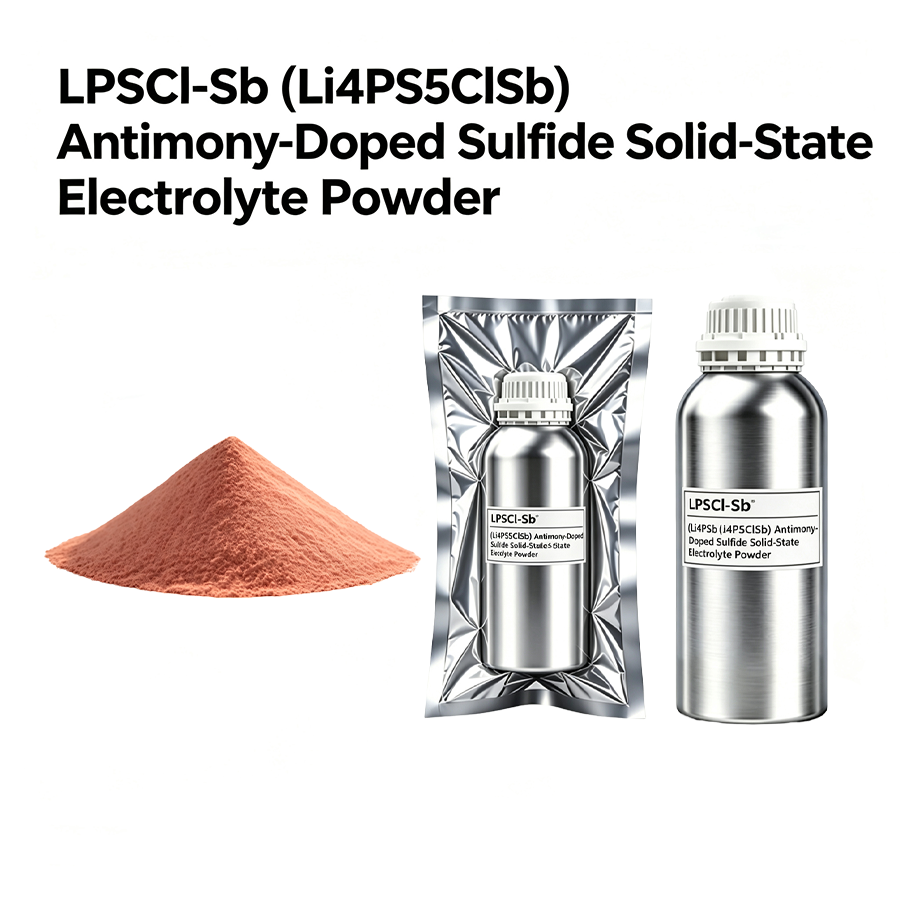
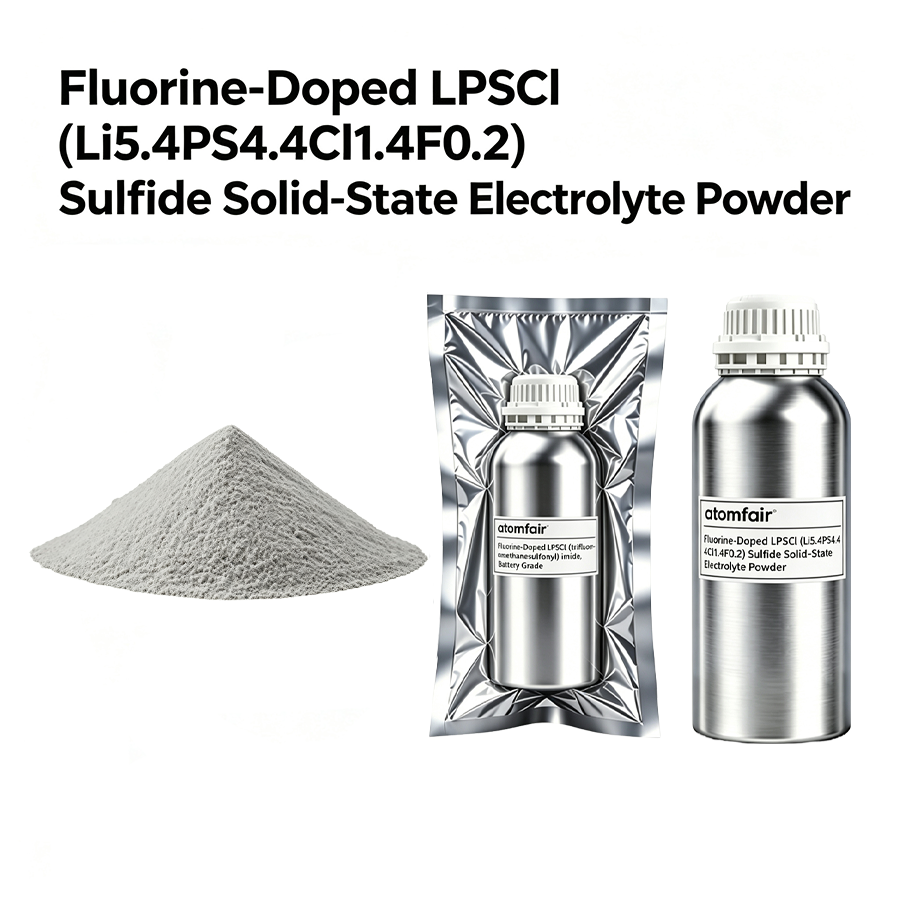
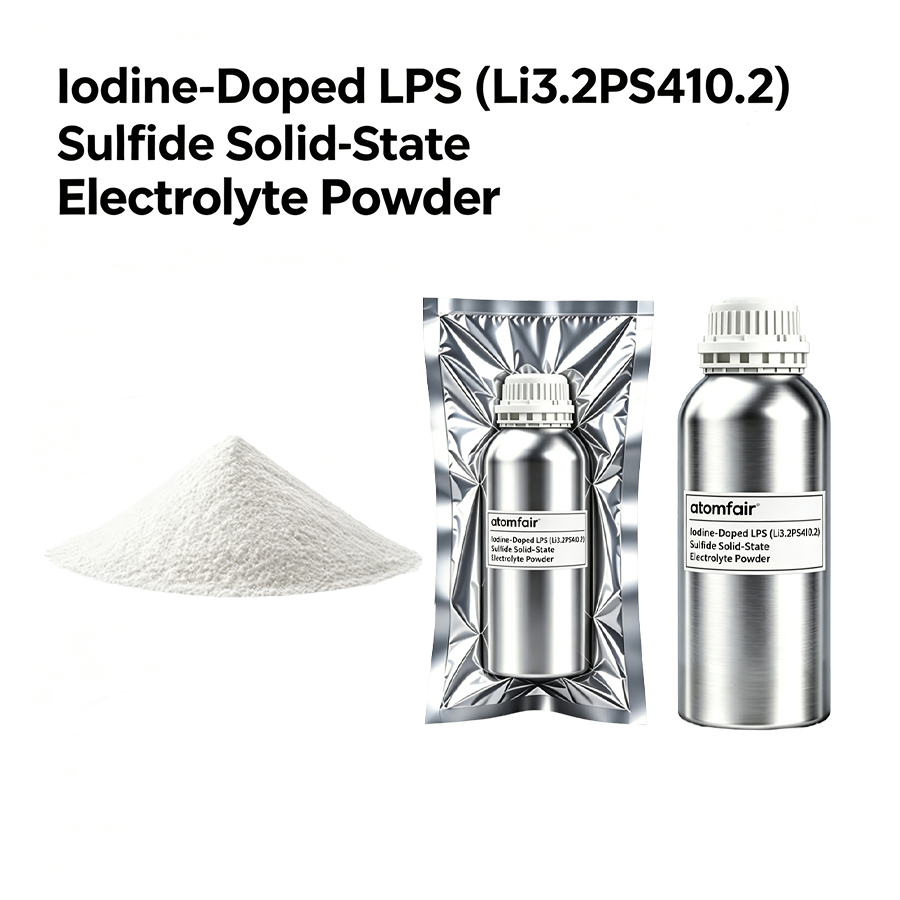
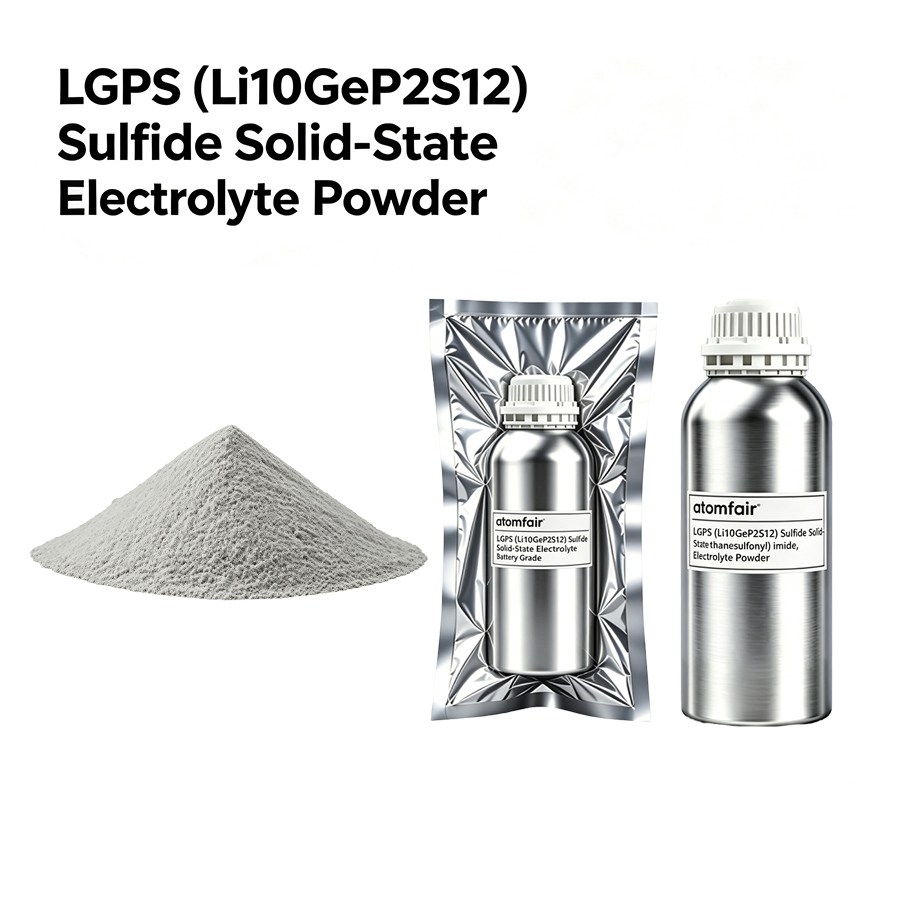
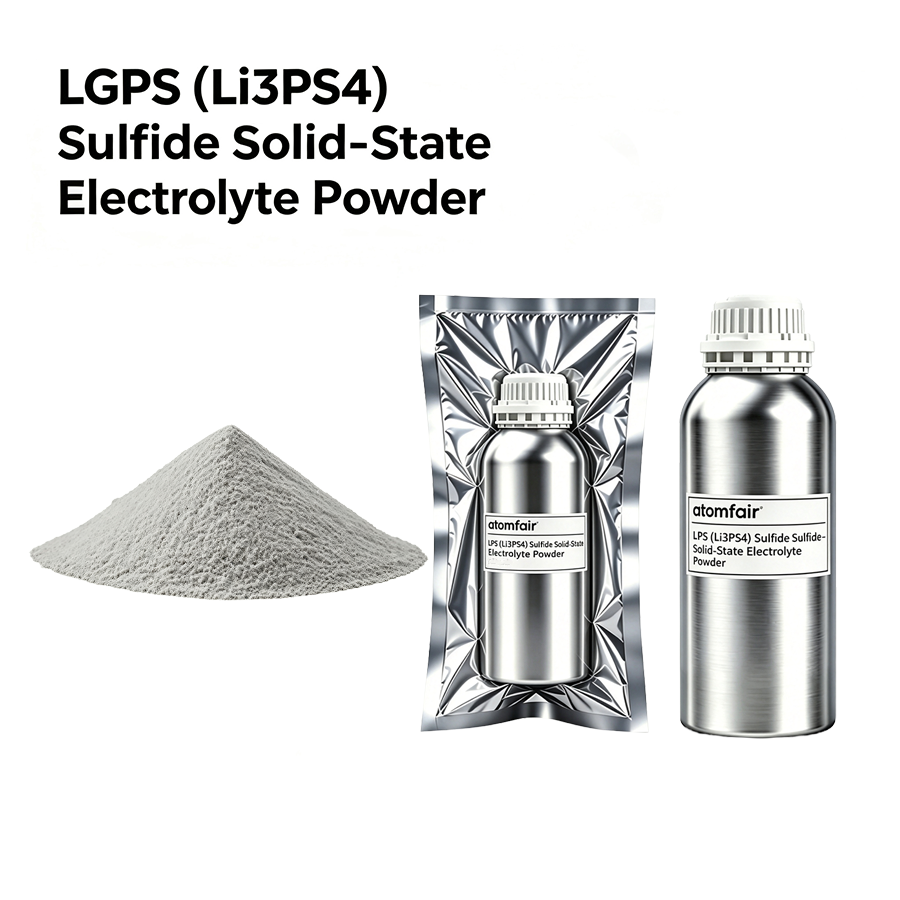
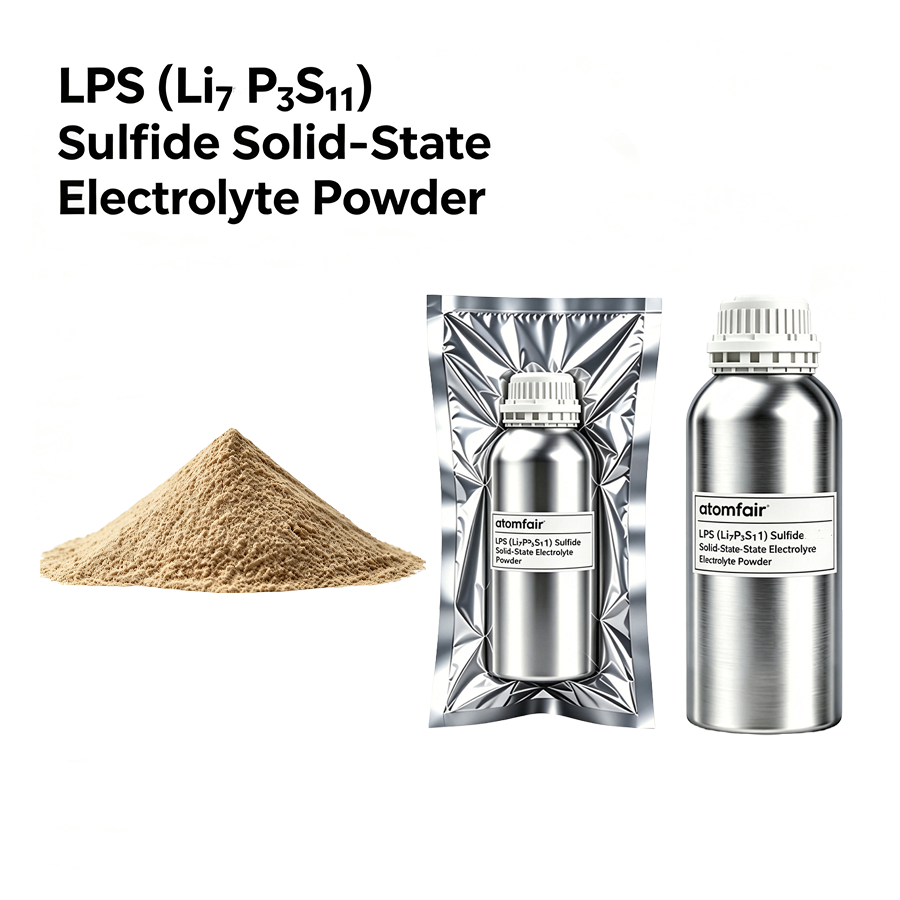
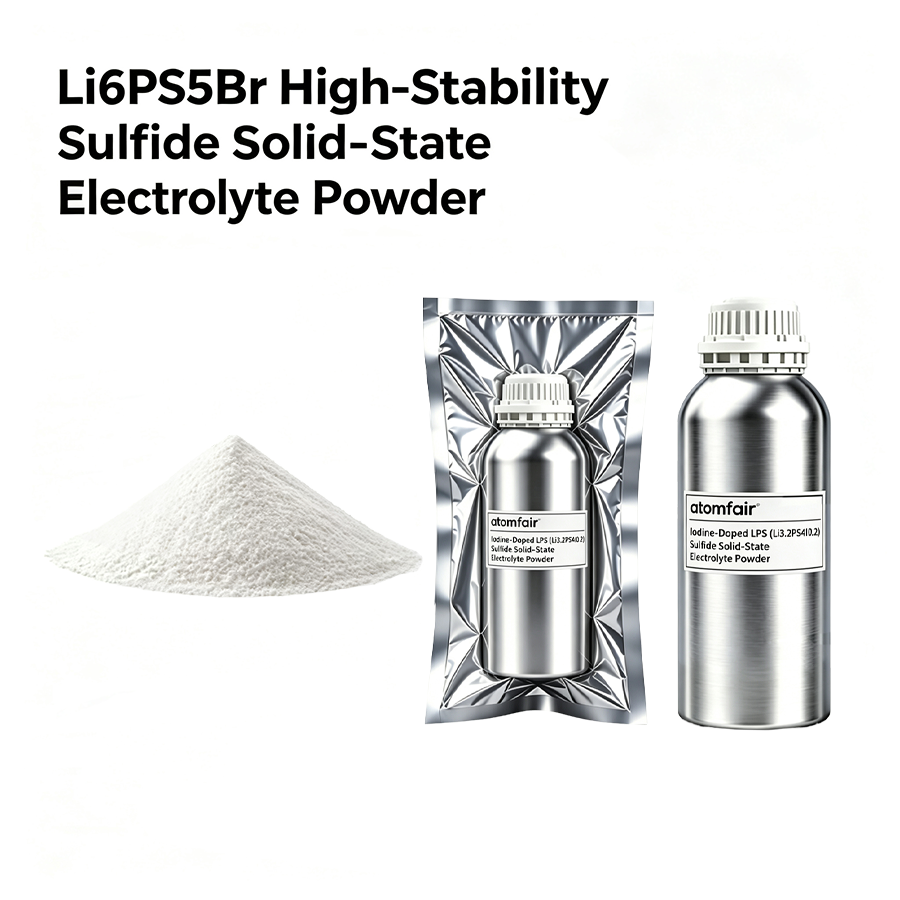
This sulfide solid-state electrolyte powder is highly moisture-sensitive and releases toxic hydrogen sulfide gas upon hydrolysis. Storage must be in an argon-filled vacuum-sealed package in a cool, dry environment, and all handling must be performed in an inert atmosphere glovebox.
- Moisture Sensitivity: The powder reacts with atmospheric moisture, causing degradation and release of toxic sulfur-containing gases.
- Storage Requirements: Store the sealed package in a cool, dry environment away from moisture sources to maintain stability.
- Handling Environment: Open and sample the powder only inside an argon-filled glovebox with controlled atmosphere to prevent hydrolysis.
- Exposure Avoidance: Minimize air exposure after opening; use promptly and reseal under argon to prevent performance loss.
- Toxic Gas Hazard: Hydrolysis produces toxic hydrogen sulfide gas; avoid any contact with water or humid air.
This procedure describes the safe handling and processing of Li6PS5Br powder for all-solid-state battery research under inert atmosphere. All steps must be performed in an argon-filled glovebox to prevent moisture exposure and toxic gas release.
Required Equipment: Argon-filled glovebox
- Transfer to Glovebox
Transfer the sealed package into an argon-filled glovebox before opening to avoid moisture contamination. - Open Package
Open the package inside the glovebox to prevent exposure to atmospheric moisture. - Use Promptly
Use the powder immediately after opening to minimize degradation from residual moisture. - Seal for Storage
Seal any remaining powder under argon in a vacuum-sealed package to preserve it for future use.
What is the ionic conductivity of Li6PS5Br sulfide solid-state electrolyte powder and how does it compare to other argyrodite-type electrolytes?
The ionic conductivity is ≥1×10⁻³ S/cm as stated in the product specification. This level is typical for argyrodite-type sulfide electrolytes, providing good lithium-ion conduction suitable for all-solid-state battery research and development.
Can Li6PS5Br be used directly with NCM or LCO cathode materials in composite catholytes?
Yes, the product description indicates it is blendable with NCM/LCO cathodes for composite catholyte preparation. This allows direct integration into all-solid-state lithium-metal battery research using coin cells or pouch cells, and the good mechanical ductility facilitates cold-pressing into dense pellets.
What are the handling and storage requirements for Li6PS5Br powder?
The powder is moisture-sensitive and releases toxic sulfur-containing gas upon hydrolysis. It must be stored in an argon-filled vacuum-sealed package in a cool-dry environment. Opening and sampling should only be performed in a glovebox, and the material should be used promptly after opening to avoid air exposure.
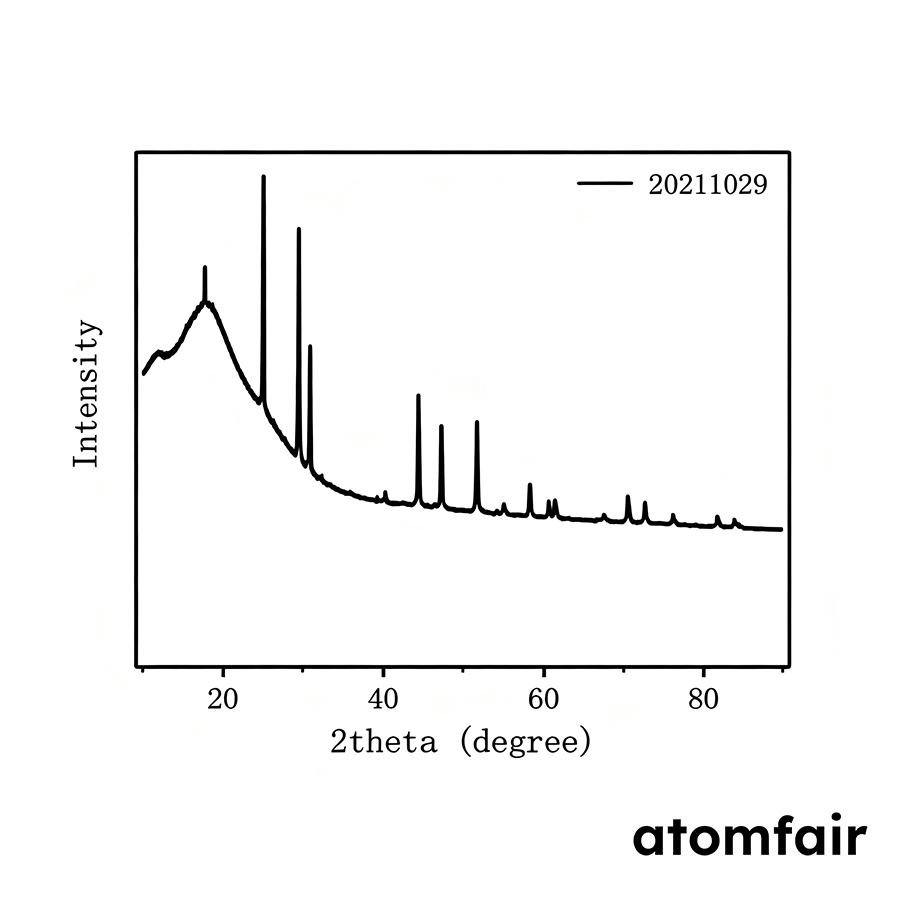
Li6PS5Br argyrodite-type sulfide solid-state electrolyte powder offers high lithium-ion conductivity (≥1×10⁻³ S/cm) and mechanical ductility suitable for cold-pressing into dense pellets or blending with NCM/LCO cathodes for composite catholytes, enabling coin-cell and pouch-cell all-solid-state lithium-metal battery R&D.
Positive
- High ionic conductivity and ductility: With ionic conductivity ≥1×10⁻³ S/cm and good mechanical ductility, this powder can be cold-pressed into dense electrolyte pellets or blended with NCM/LCO cathodes, facilitating composite catholyte preparation for solid-state battery research.
- Versatile application in cell formats: Suitable for both coin-cell and pouch-cell all-solid-state lithium-metal battery assembly, supporting a range of R&D configurations from small-scale testing to prototype development.
Trade-offs
- Strict moisture sensitivity: The material is moisture-sensitive and releases toxic sulfur-containing gas upon hydrolysis, requiring handling exclusively in an inert-atmosphere glovebox and storage in argon-filled vacuum-sealed packaging to prevent degradation.
- Limited shelf life after opening: Once opened, the powder must be used promptly to avoid air exposure, as prolonged contact with ambient atmosphere can compromise ionic conductivity and structural integrity.
Every advanced material, component, equipment, and instrument in our catalog is backed by rigorous testing. We maintain strict internal quality management frameworks and align with CE conformity metrics to deliver transparent, reproducible performance data via our public open-science repository.
To request raw batch performance data, submit formal vendor registration paperwork, or execute a fast-turnaround R&D manufacturing loop, contact us at inquiry@atomfair.com.
Item is dispatched under the Atomfair Shipping & Delivery Framework (Free worldwide shipping on orders over $59 USD excl. heavy equipment). Return is governed by the Atomfair Return & Refund Policy (7-day technical return window).