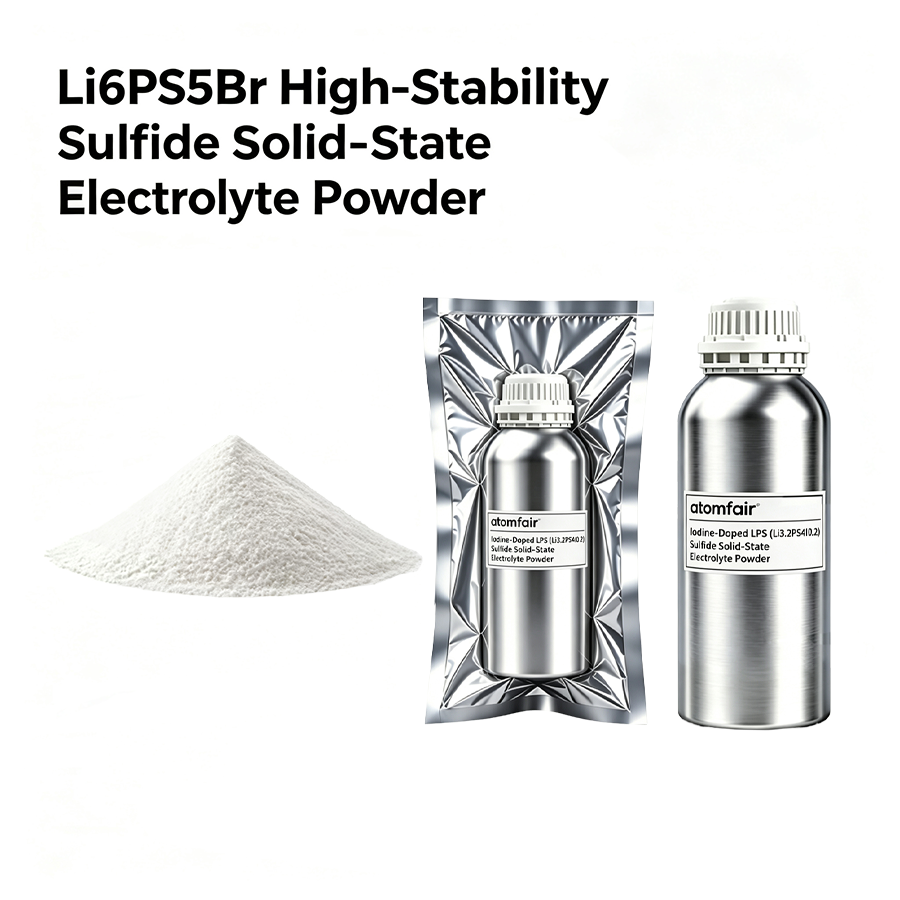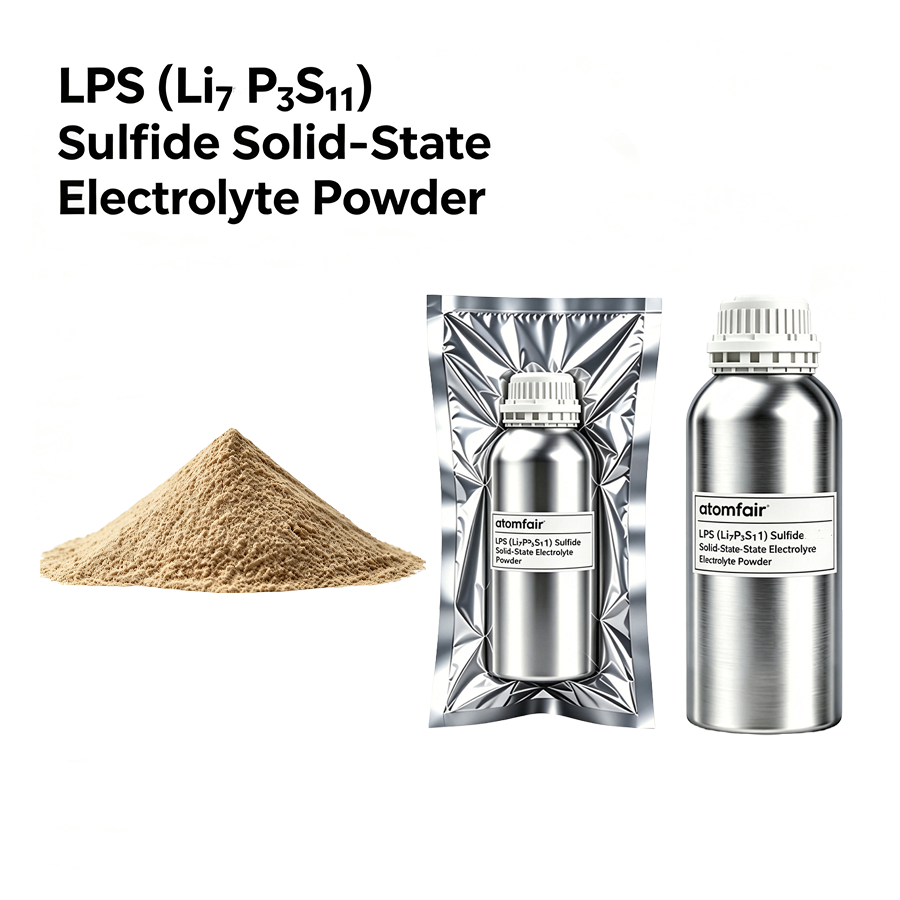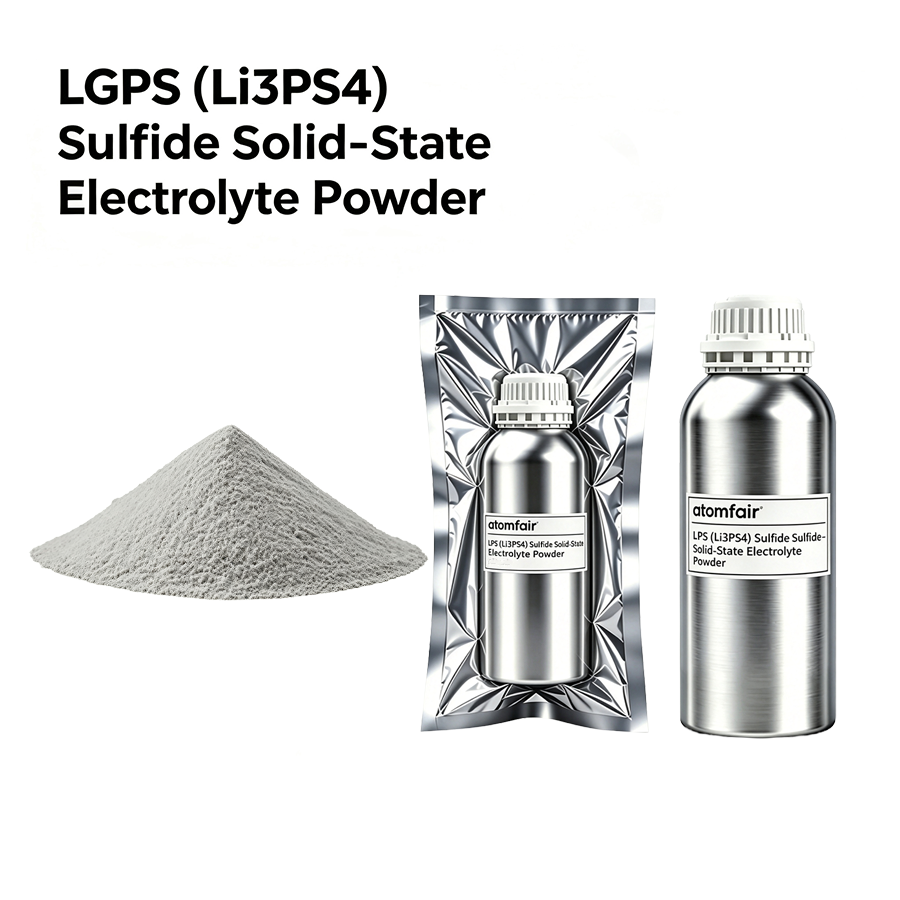
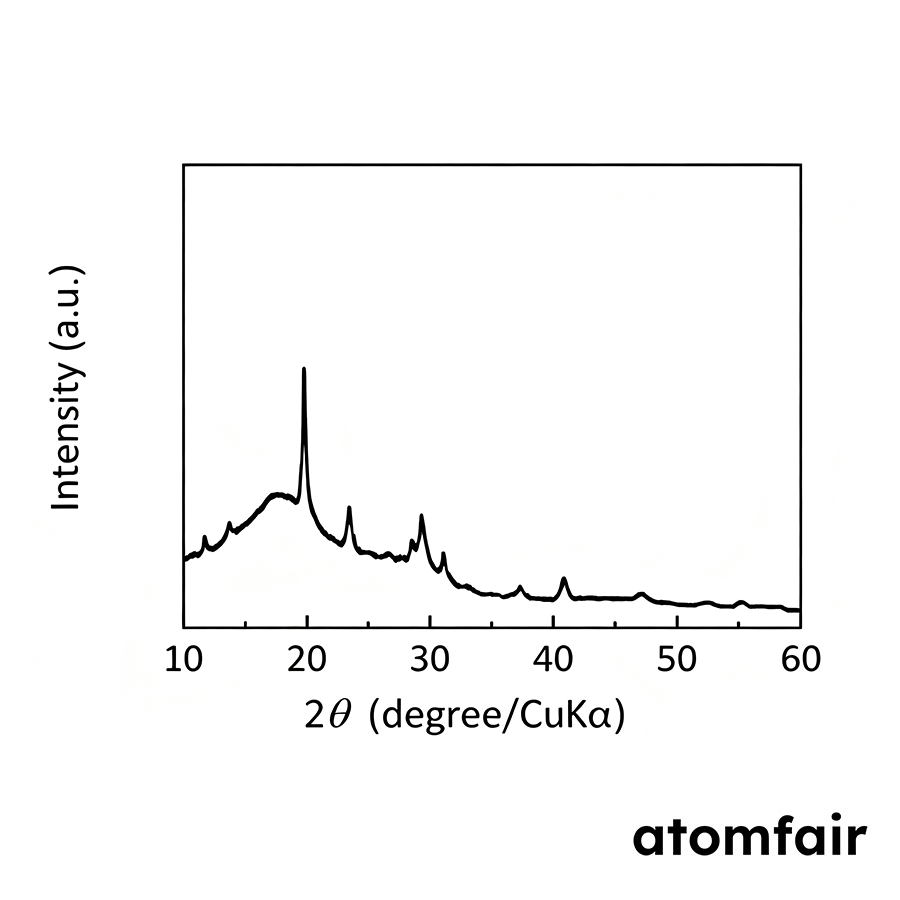
LPS (Li3PS4) Sulfide Solid‑State Electrolyte PowderSulfide Solid-State Electrolytes
|
|||||||||||||||||||||||
|
|||||||||||||||||||||||
|
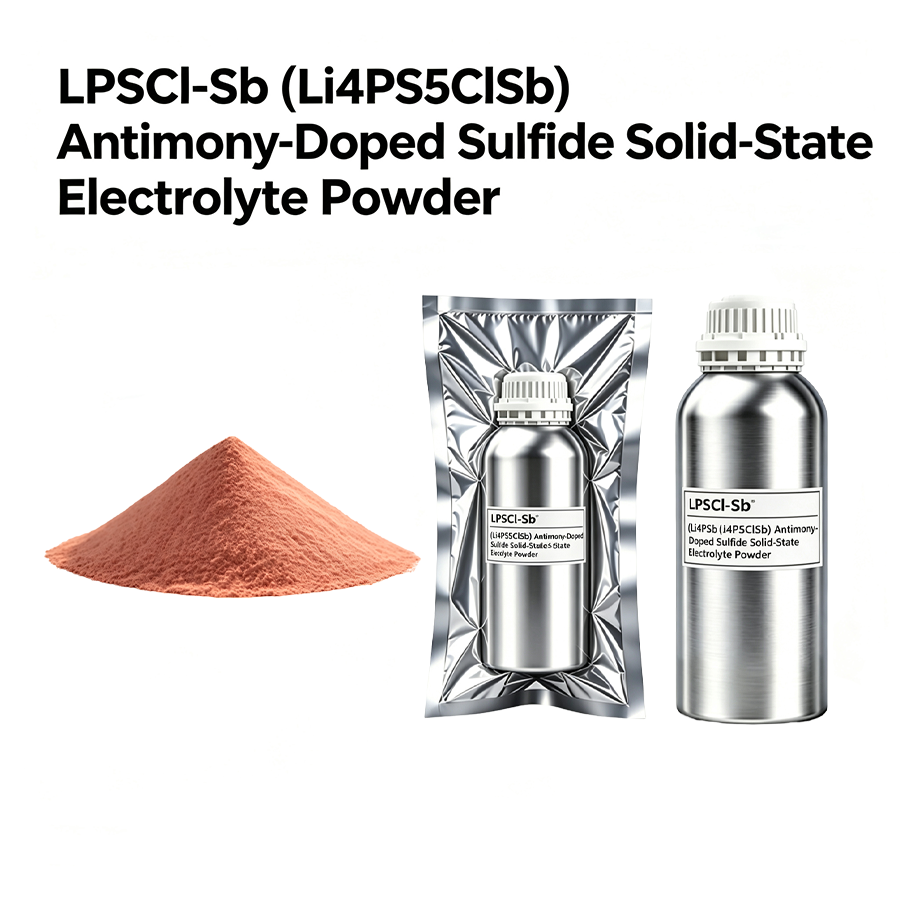
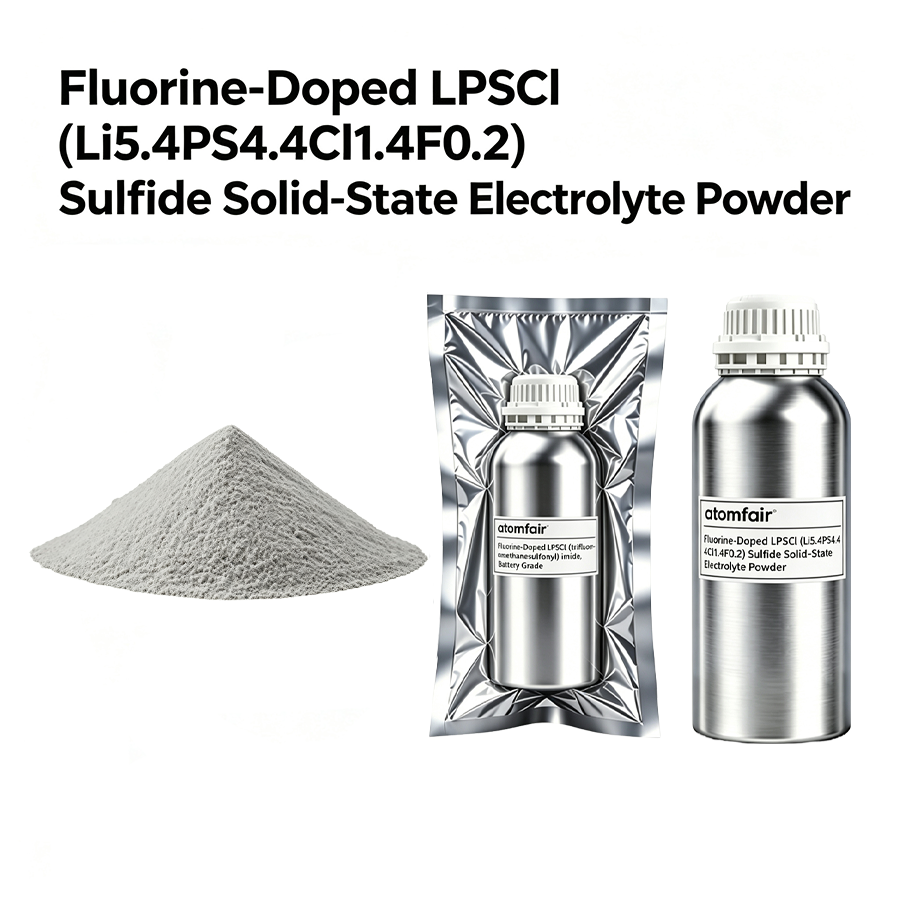
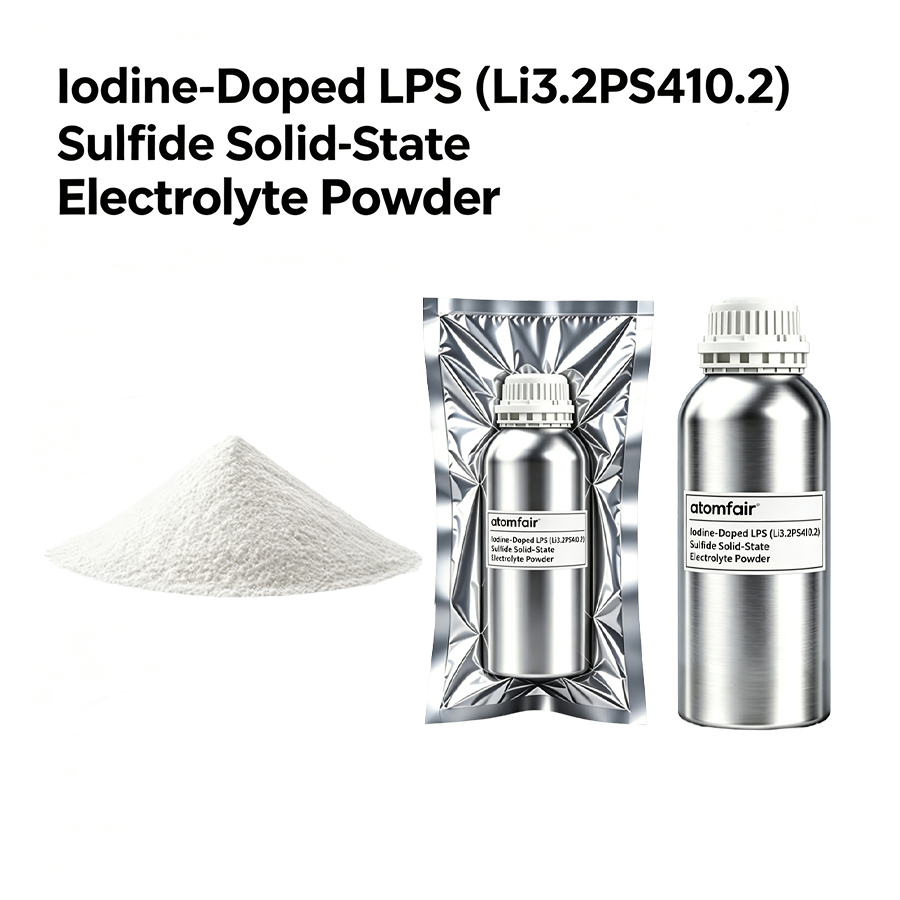
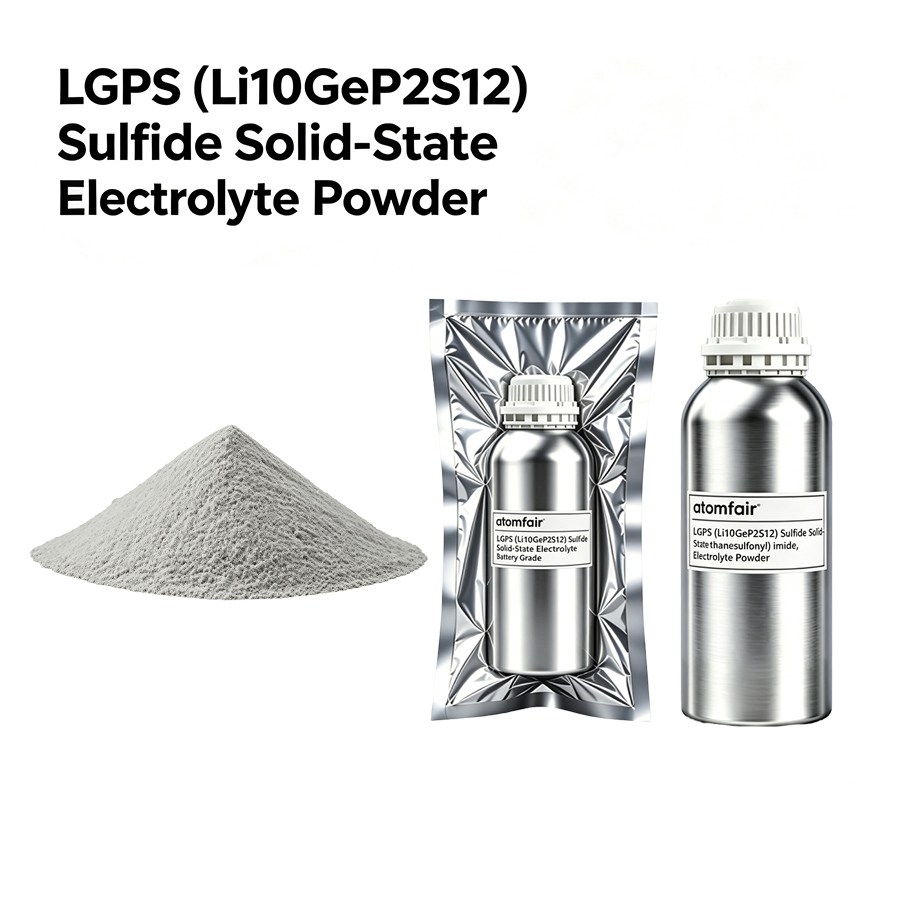
This sulfide solid-state electrolyte powder is moisture-sensitive and releases toxic H2S upon exposure to air. It requires storage in an argon-filled vacuum-sealed container and handling exclusively within an inert atmosphere glovebox.
- Storage Condition: Store the sealed package in a cool, dry environment away from moisture.
- Handling Requirement: Open and handle the powder only within an argon-filled glovebox to prevent moisture exposure.
- Safety Hazard: Avoid air exposure as the material releases toxic hydrogen sulfide (H2S) gas.
- Usage Protocol: Use the powder promptly after opening the sealed package to prevent degradation.
The following steps describe the safe handling and processing of the moisture-sensitive LPS powder for solid-state battery research. All operations must be performed in an argon-filled glovebox to prevent air exposure and toxic gas release.
Required Equipment: Argon-filled glovebox, Die press, Analytical balance
- Transfer to glovebox
Transfer the sealed vacuum-packed package into an argon-filled glovebox before opening. - Open package
Open the vacuum-sealed package only inside the glovebox to avoid moisture ingress. - Weigh powder
Weigh the required amount of LPS powder under inert atmosphere using an analytical balance. - Cold-press pellet
Cold-press the powder into a dense electrolyte pellet using a die press. - Blend with cathode
Blend the powder with cathode materials to form a composite catholyte if desired. - Use promptly
Use the prepared pellet or catholyte promptly to minimize air exposure and degradation.
What is the lithium-ion conductivity of LPS (Li3PS4) sulfide solid-state electrolyte powder and how does its cold-press ductility support dense pellet formation?
LPS (Li3PS4) exhibits a lithium-ion conductivity of 2 mS/cm. Its cold-press ductility, a key feature of this glass-ceramic sulfide electrolyte, enables pressing into dense electrolyte pellets without high-temperature sintering, which is critical for all-solid-state lithium-metal battery assembly.
Is LPS (Li3PS4) compatible with standard cathode materials for composite catholyte fabrication in all-solid-state batteries?
Yes, LPS (Li3PS4) can be blended with cathode materials to form composite catholytes. The product description explicitly states it is suitable for composite catholyte fabrication and coin-cell all-solid-state lithium-metal battery assembly, confirming compatibility with cathode materials.
What storage and handling conditions are required for LPS (Li3PS4) to prevent moisture degradation and H2S release?
LPS (Li3PS4) is moisture-sensitive and releases H2S upon exposure to air. It is supplied in an argon-filled vacuum-sealed package and must be stored in a cool, dry environment. All handling and sampling must be performed inside a glovebox to avoid air exposure, and the material should be used promptly after opening.
LPS (Li3PS4) sulfide solid-state electrolyte powder offers 2 mS/cm ionic conductivity and excellent cold-press ductility for dense pellet and composite catholyte fabrication, but requires strict moisture-free glove-box handling due to H₂S release and limited air stability.
Positive
- High lithium-ion conductivity: Ionic conductivity of 2 mS/cm enables efficient ion transport in all-solid-state battery configurations.
- Excellent cold-press ductility: Glass-ceramic nature allows cold pressing into dense electrolyte pellets and blending with cathode materials for composite catholytes without high-temperature sintering.
Trade-offs
- Moisture-sensitive handling required: Sulfide electrolyte releases toxic H₂S gas upon moisture exposure; all handling and sampling must be performed in an inert-atmosphere glove box.
- Limited shelf life after opening: Argon-filled vacuum-sealed packaging must be stored in cool-dry conditions; material must be used promptly after opening to prevent degradation from air exposure.
Every advanced material, component, equipment, and instrument in our catalog is backed by rigorous testing. We maintain strict internal quality management frameworks and align with CE conformity metrics to deliver transparent, reproducible performance data via our public open-science repository.
To request raw batch performance data, submit formal vendor registration paperwork, or execute a fast-turnaround R&D manufacturing loop, contact us at inquiry@atomfair.com.
Item is dispatched under the Atomfair Shipping & Delivery Framework (Free worldwide shipping on orders over $59 USD excl. heavy equipment). Return is governed by the Atomfair Return & Refund Policy (7-day technical return window).