|
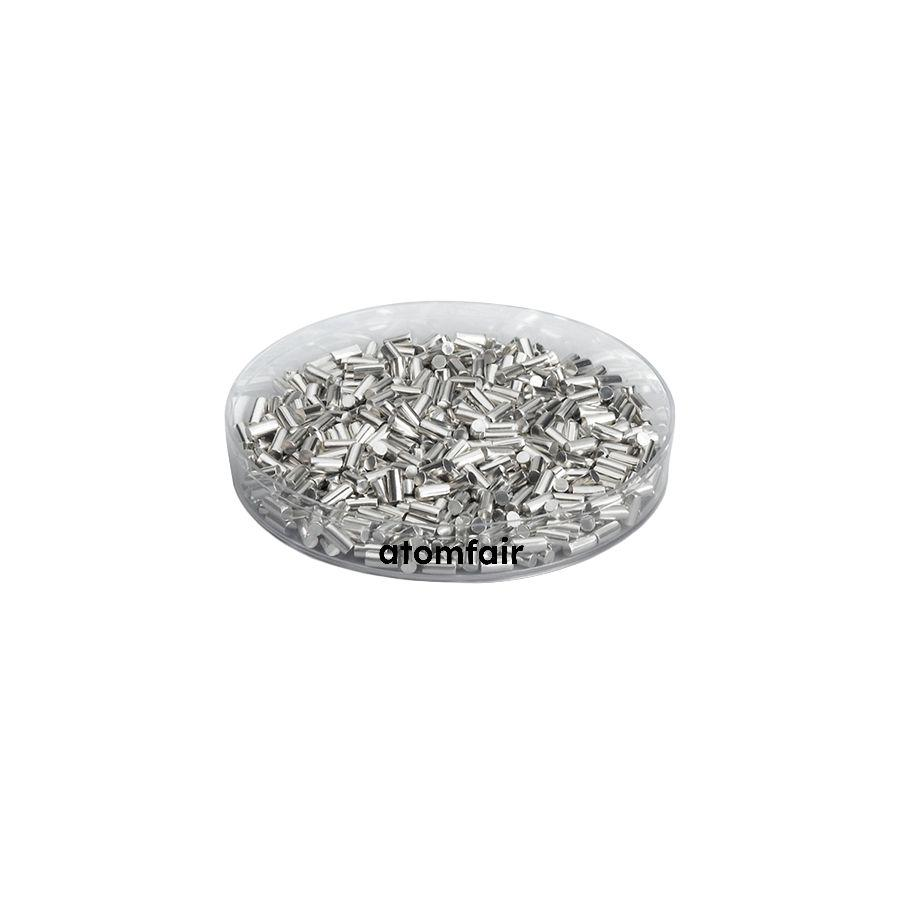
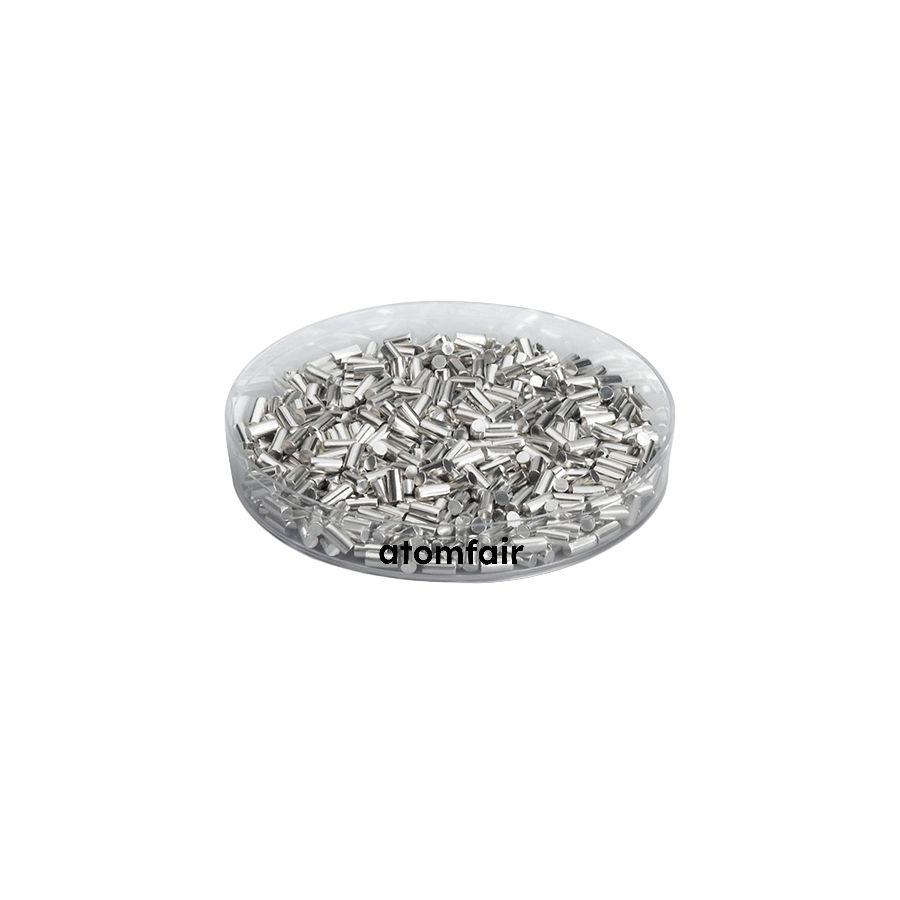
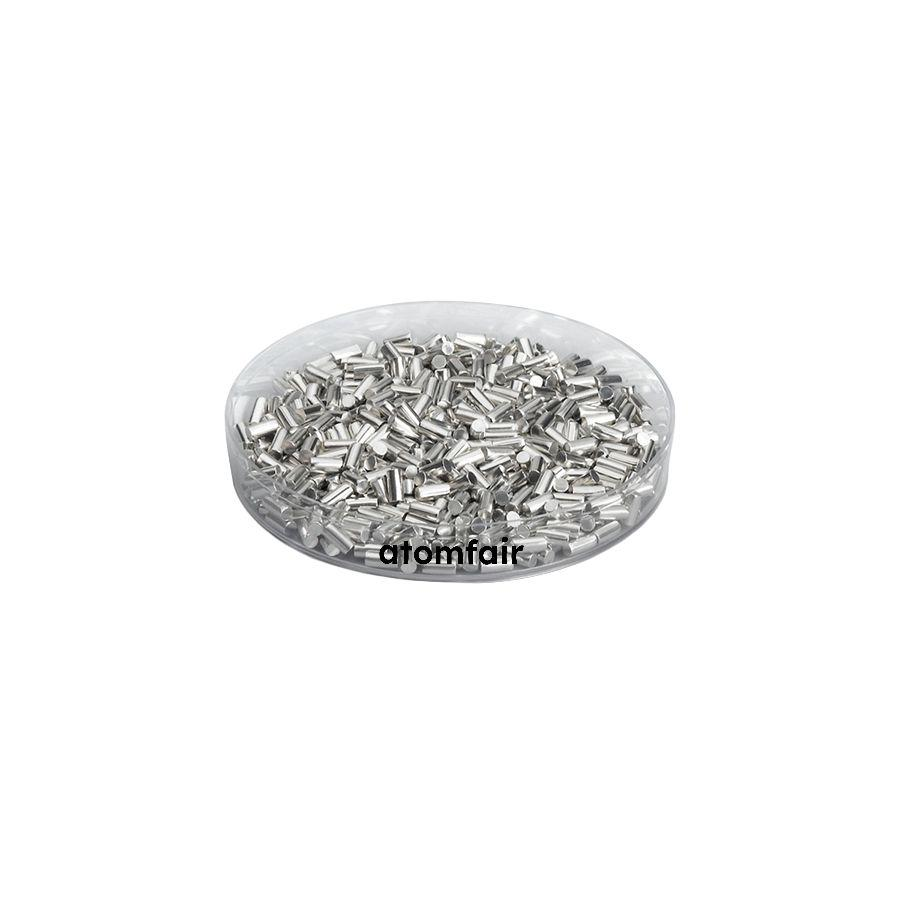
Bismuth (Bi) Evaporation Material, Pieces, 99.999%, 1-3 mm
Product Type: Pure Metal Evaporation Material
Research-grade laboratory product
|
|||||||||||||||||||||||||||||||||||||||
|
|||||||||||||||||||||||||||||||||||||||
|
LABORATORY PROCUREMENT SUPPORT
For material selection, deposition-source matching, pack-size confirmation or quotation support, contact our technical sales team.
INQUIRY: inquiry@atomfair.com
|
|||||||||||||||||||||||||||||||||||||||
|
Manufacturer: Atomfair LLC
Brand: ATOMFAIR®
|
This material requires specific evaporation source hardware and process parameters for vacuum thin-film deposition. The listed physical properties and compatibility constraints must be satisfied to achieve proper film quality and avoid equipment issues.
- Evaporation Source Compatibility: Use only Mo/W/Ta boat or graphite/alumina crucible as the evaporation source for this material.
- Evaporation Method Requirement: Thermal or resistive evaporation is the preferred method; low-power electron beam evaporation is an optional alternative.
- Melting Point Constraint: The material melting point of 271°C defines the minimum process temperature required for evaporation.
- Deposition Rate Monitoring Parameters: The density of 9.8 g/cm³ and Z-ratio of 0.79 must be entered into the deposition controller for accurate film thickness monitoring.
- Physical Form Constraint: The pieces are sized 1-3 mm to ensure proper loading into the evaporation source without bridging or jamming.
What is the significance of the Z-ratio of 0.79 for bismuth evaporation material in quartz crystal microbalance (QCM) monitoring?
The Z-ratio of 0.79 is a material-specific acoustic impedance factor used to calibrate quartz crystal microbalance (QCM) deposition rate monitors. This value, explicitly stated in the product specification, must be entered into the QCM controller to ensure accurate thickness measurement during thermal or e-beam evaporation of bismuth. Using the correct Z-ratio prevents systematic errors in film thickness monitoring, which is critical for reproducible thin-film deposition.
Which crucible or boat material is recommended for evaporating bismuth pieces?
Bismuth pieces can be evaporated using a molybdenum (Mo), tungsten (W), or tantalum (Ta) boat, or alternatively a graphite or alumina crucible. The product specification explicitly lists these compatible source materials. Thermal/resistive evaporation is the preferred method, though low-power e-beam evaporation is also optional with these source configurations.
How does the 1-3 mm particle size affect evaporation source loading and performance?
The 1-3 mm particle size range is specifically designed to facilitate uniform loading into boats or crucibles and to support controlled evaporation during deposition. This size range prevents bridging or uneven melting that can occur with larger or irregular pieces, and ensures consistent material feed rate. The product description notes this sizing is chosen to support source loading and evaporation review, making it suitable for both thermal and low-power e-beam processes.
This Bismuth (Bi) evaporation material (99.999%, 1-3 mm pieces) is suitable for thermal resistive evaporation in vacuum deposition, with specified purity and particle size for consistent film quality. The low melting point and Z-ratio require process adjustments for optimal results.
Positive
- High purity 99.999%: 5N-grade purity minimizes contamination in thin-film deposition, enabling reproducible film properties for research applications.
- Controlled particle size 1-3 mm: Pieces size range is optimized for loading into Mo/W/Ta boats or graphite/alumina crucibles, supporting consistent evaporation rates.
Trade-offs
- Low melting point 271°C: The low melting point of bismuth increases risk of splattering or runaway evaporation if temperature ramping is not carefully controlled during thermal deposition.
- Z-ratio 0.79 requires calibration: The Z-ratio of 0.79 deviates from unity, necessitating recalibration of quartz crystal microbalance monitors for accurate film thickness measurement.
Every advanced material, component, equipment, and instrument in our catalog is backed by rigorous testing. We maintain strict internal quality management frameworks and align with CE conformity metrics to deliver transparent, reproducible performance data via our public open-science repository.
To request raw batch performance data, submit formal vendor registration paperwork, or execute a fast-turnaround R&D manufacturing loop, contact us at inquiry@atomfair.com.
Item is dispatched under the Atomfair Shipping & Delivery Framework (Free worldwide shipping on orders over $59 USD excl. heavy equipment). Return is governed by the Atomfair Return & Refund Policy (7-day technical return window).