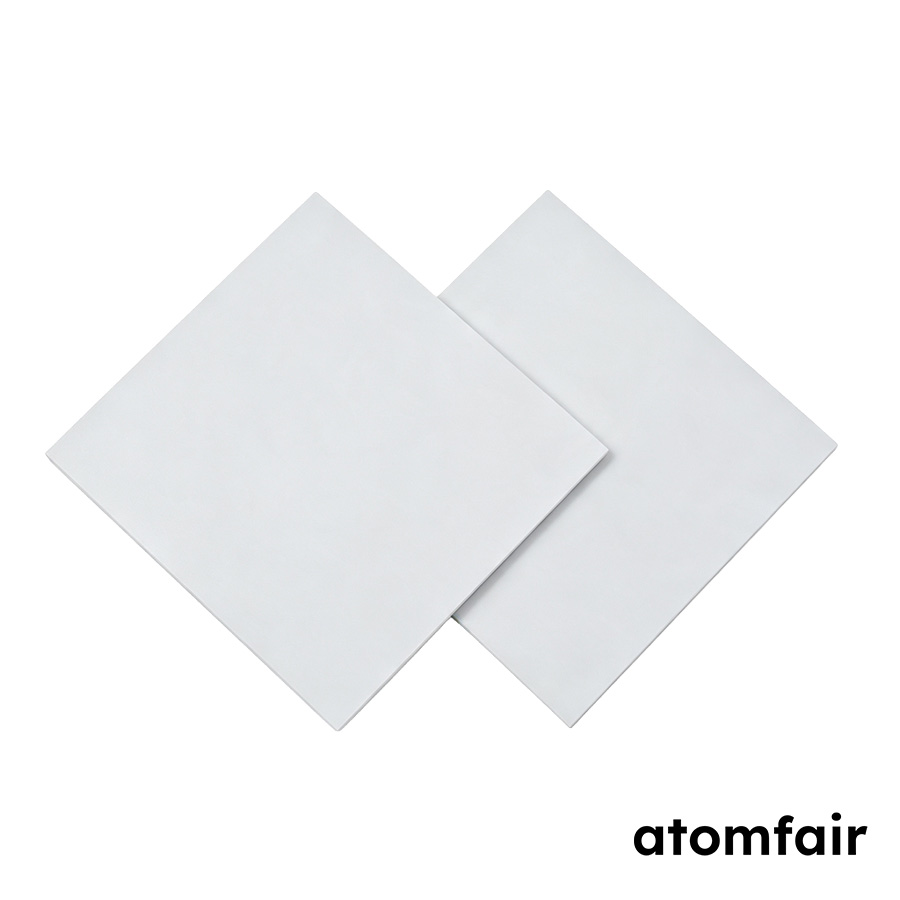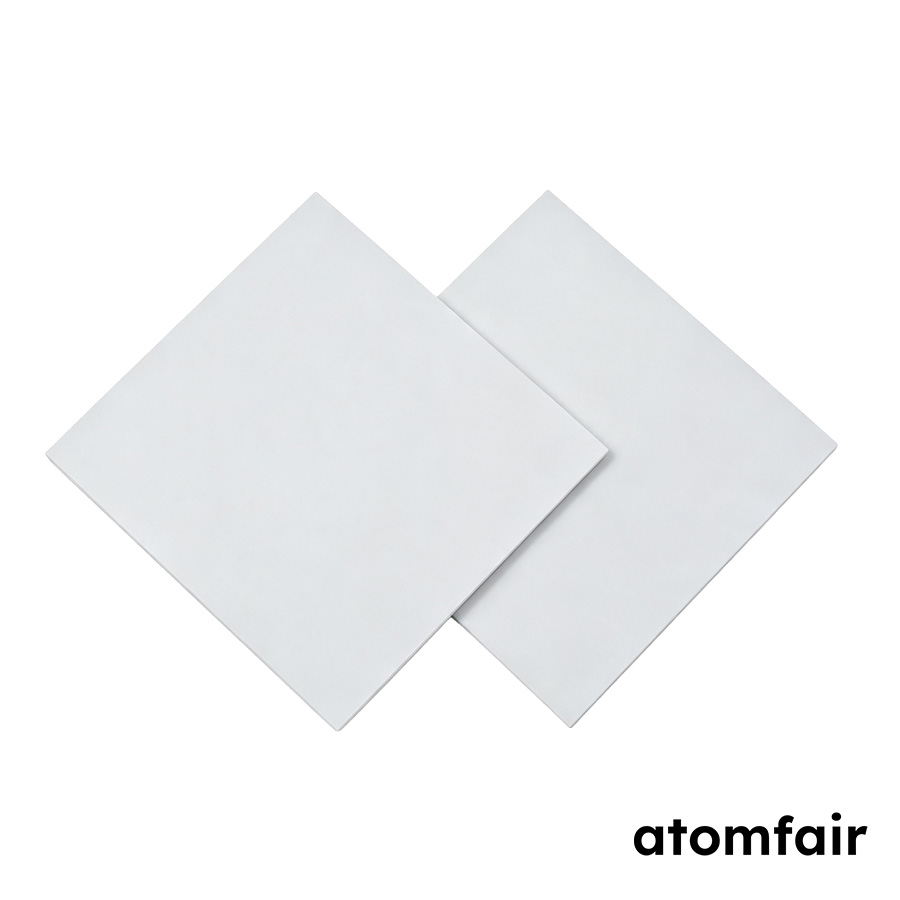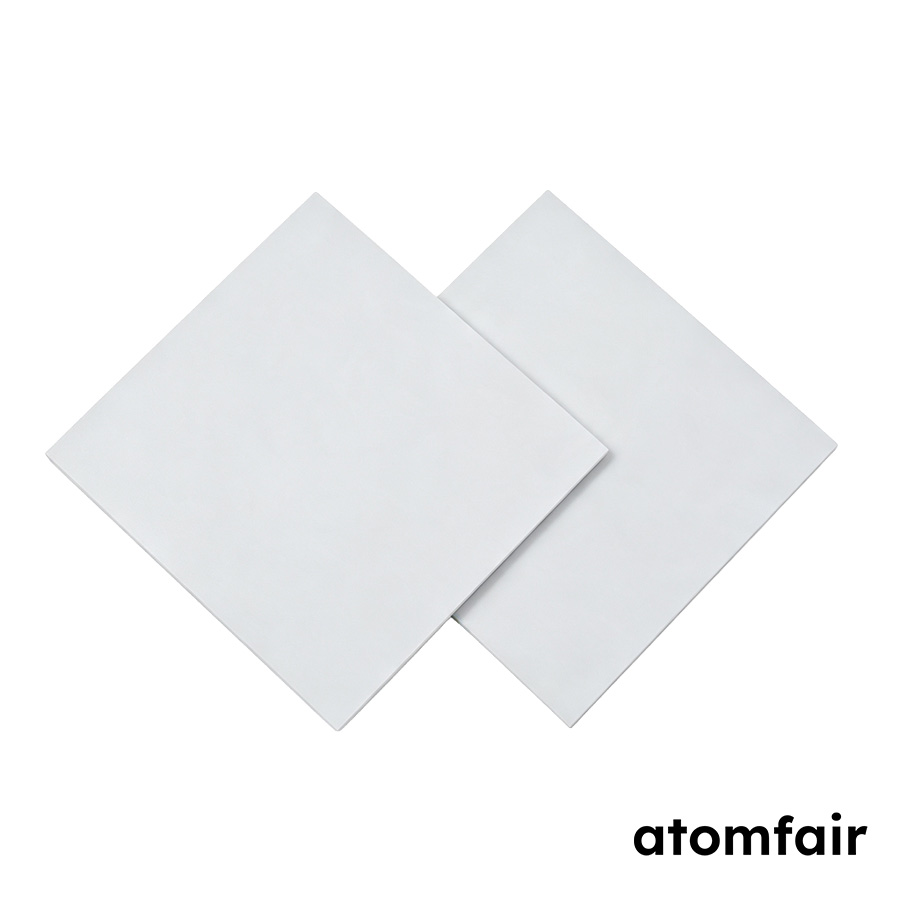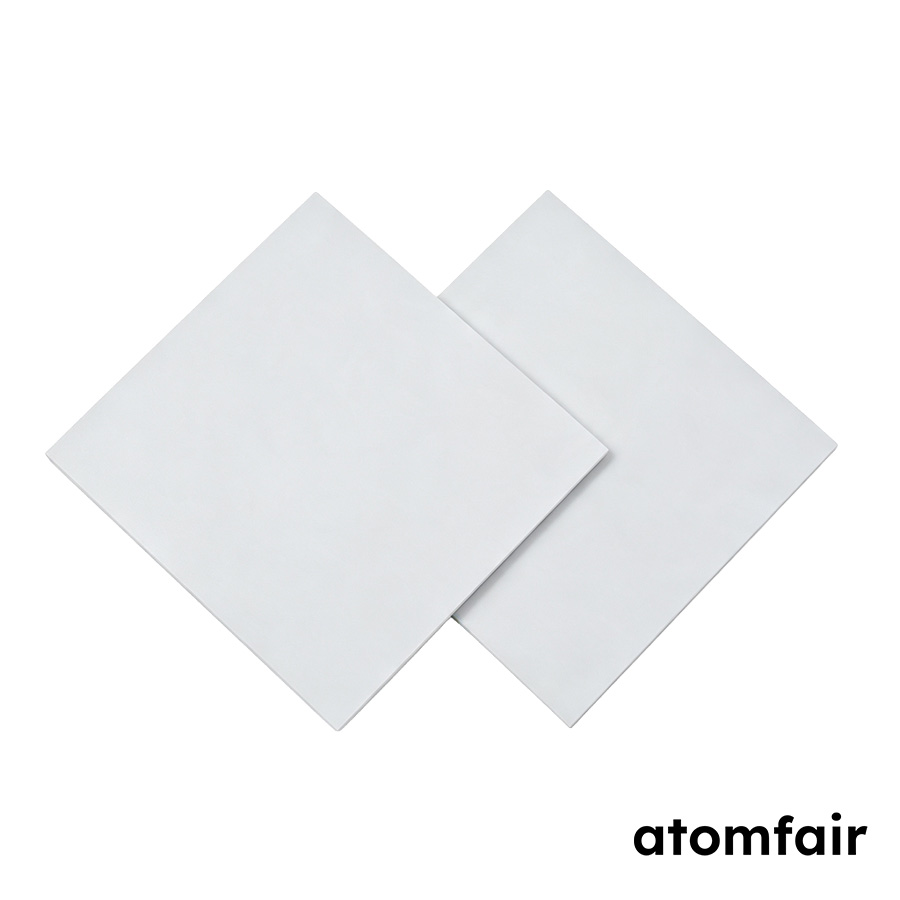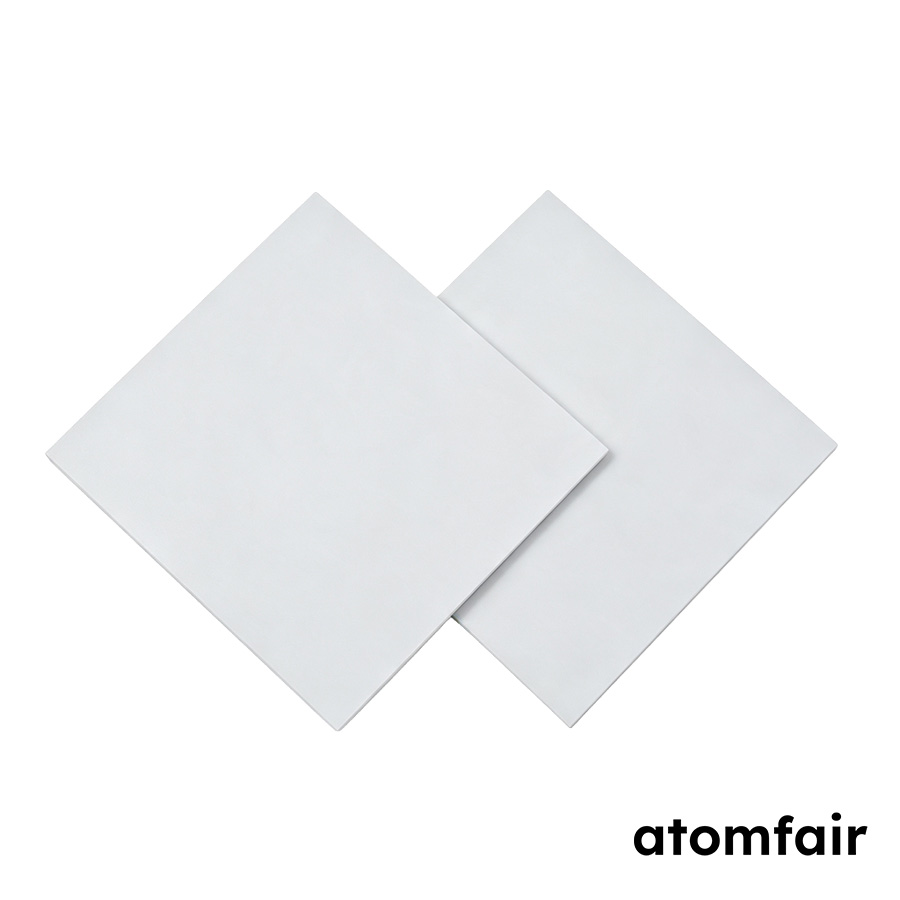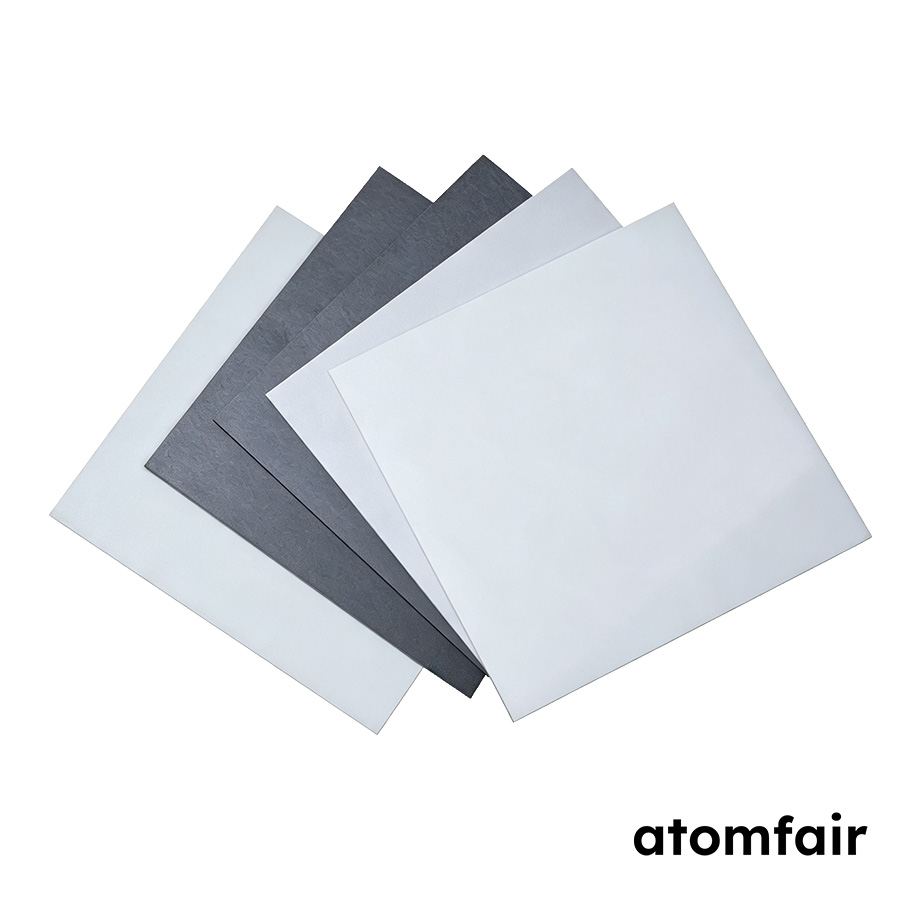
Zirconia Ceramic Plate, 100 mm x 100 mm x 8 mm, WhiteProduct Type: Zirconia ceramic plate
Research-grade laboratory product
|
|||||||||||||||||||||||||||||||||||||||||||||||||
|
|||||||||||||||||||||||||||||||||||||||||||||||||
|
LABORATORY PROCUREMENT SUPPORT
For model selection, accessory matching, platform compatibility or configuration confirmation, contact our technical sales team.
E-MAIL: inquiry@atomfair.com
|
|||||||||||||||||||||||||||||||||||||||||||||||||
|
Supplier: Atomfair
Brand: ATOMFAIR®
|
The plate is sintered at 1650 °C and exhibits a thermal shock resistance of 350 °C, requiring controlled heating and cooling rates to prevent fracture. Its volume resistivity exceeds 1 × 10^14 Ω·cm, necessitating clean handling to avoid surface contamination that could degrade electrical insulation.
- Thermal Management: Apply gradual temperature ramps below 350 °C differential to avoid thermal shock-induced cracking.
- Surface Integrity: Handle with clean, non-abrasive tools to preserve the low water absorption and dielectric breakdown strength of 15 kV/mm.
Inspect the plate for visible cracks or chips before use, as the sintered ceramic is brittle under point loading. Secure the plate in a fixture using compliant pads to distribute clamping force evenly and prevent stress concentration.
Required Equipment: Clean nitrile gloves, Non-marring padded fixture
- Inspect the plate
Inspect the plate under good lighting for any chips, cracks, or surface defects before handling. - Clean the surface
Wipe the plate with isopropyl alcohol and a lint-free cloth to remove any particulate contamination. - Position in fixture
Place the plate onto a padded fixture, ensuring even support across the entire 100 mm x 100 mm area. - Secure the plate
Tighten fixture clamps gradually to a low torque to avoid point-load stress on the ceramic. - Verify alignment
Confirm the plate is seated flat and level within the fixture before applying any thermal or mechanical load.
How does the thermal shock resistance of 350°C limit the use of this zirconia ceramic plate in applications with rapid temperature changes?
The thermal shock resistance of 350°C means the plate can withstand sudden temperature differences up to that value without cracking. While its maximum service temperature is 1600°C, rapid heating or cooling must stay within a 350°C gradient to avoid thermal stress failure.
Can this zirconia ceramic plate be used as an electrical insulator in high-temperature environments?
Yes, the plate is suitable for high-temperature electrical insulation. It has a volume resistivity greater than 1×10¹⁰ Ω·cm and a dielectric breakdown strength of 15 KT/m, combined with a maximum service temperature of 1600°C, making it effective for insulating components in elevated thermal conditions.
What is the water absorption of this zirconia plate and why is it important for laboratory applications?
The water absorption is 0%, as stated in the technical specifications. This ensures dimensional stability and prevents contamination or degradation in humid or liquid-contact environments, which is critical for precision laboratory and industrial ceramic applications.
This 100 mm x 100 mm x 8 mm zirconia ceramic plate (AF-ZR-100X100W008) offers ≥94% ZrO2 content with 1600 °C service temperature, 1400 HV hardness, and >1×10¹³ Ω·cm volume resistivity, making it suitable for high-temperature electrical insulation and wear-resistant applications. The 3 W/(m·K) thermal conductivity and 350 °C thermal shock resistance define its thermal management profile.
Positive
- High electrical resistivity and thermal stability: Volume resistivity exceeding 1 × 10¹³ Ω·cm and maximum service temperature of 1600 °C enable reliable insulation and dimensional retention under extreme thermal conditions.
- High hardness and compressive strength: 1400 HV hardness and 25,000 kgf/cm² compressive strength provide excellent wear and deformation resistance for demanding structural ceramic applications.
Trade-offs
- Thermal shock sensitivity at 350 °C delta: With a thermal shock resistance of only 350 °C, the plate may crack under rapid temperature excursions exceeding this delta, requiring controlled heating and cooling rates.
- Brittle fracture risk under tensile load: As a high-hardness ceramic, the plate has limited tensile ductility; point loading or edge impacts can cause catastrophic fracture without visible warning signs.
Every advanced material, component, equipment, and instrument in our catalog is backed by rigorous testing. We maintain strict internal quality management frameworks and align with CE conformity metrics to deliver transparent, reproducible performance data via our public open-science repository.
To request raw batch performance data, submit formal vendor registration paperwork, or execute a fast-turnaround R&D manufacturing loop, contact us at inquiry@atomfair.com.
Item is dispatched under the Atomfair Shipping & Delivery Framework (Free worldwide shipping on orders over $59 USD excl. heavy equipment). Return is governed by the Atomfair Return & Refund Policy (7-day technical return window).