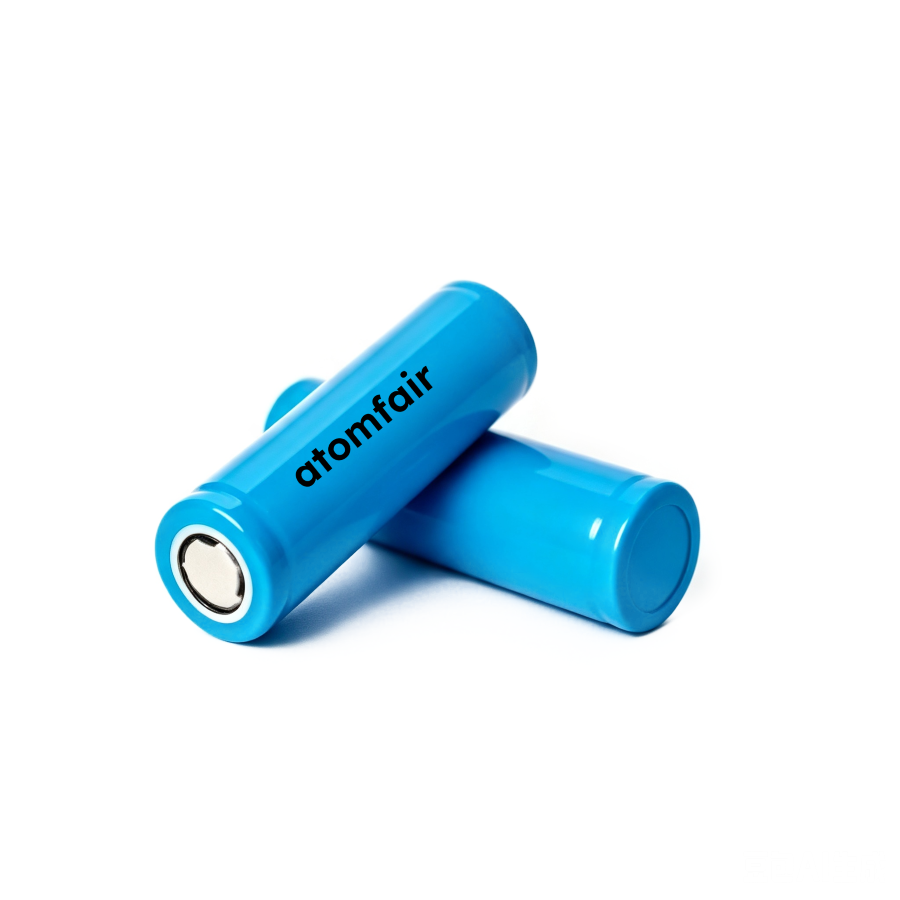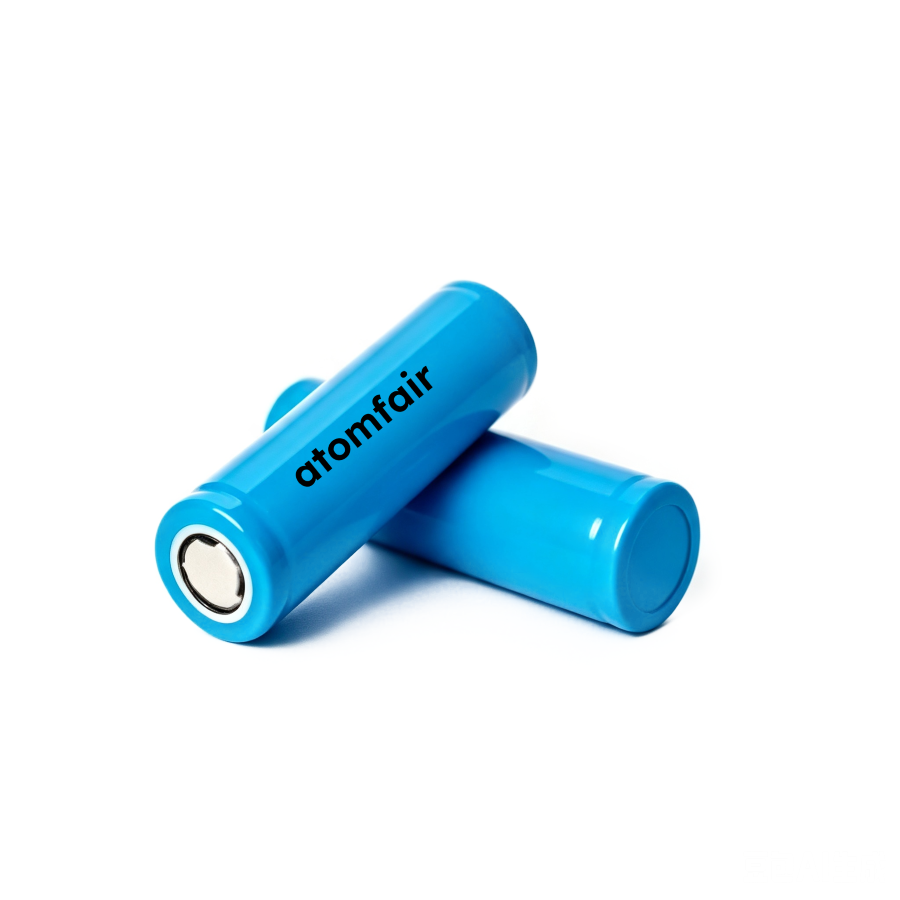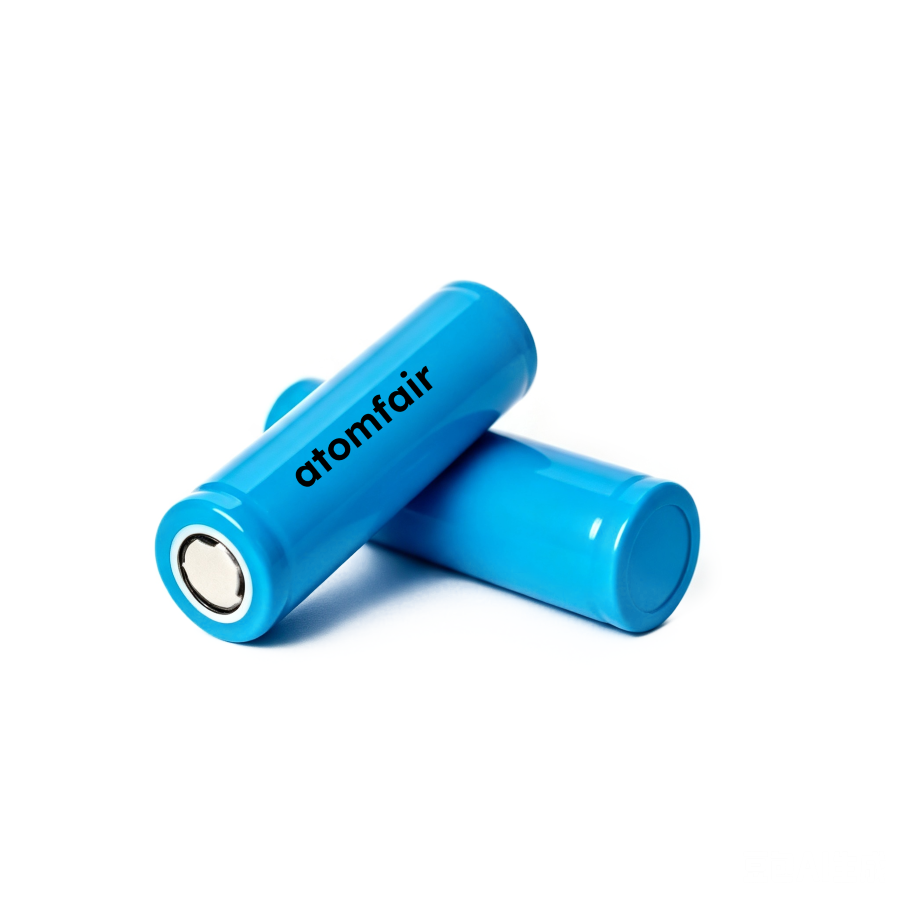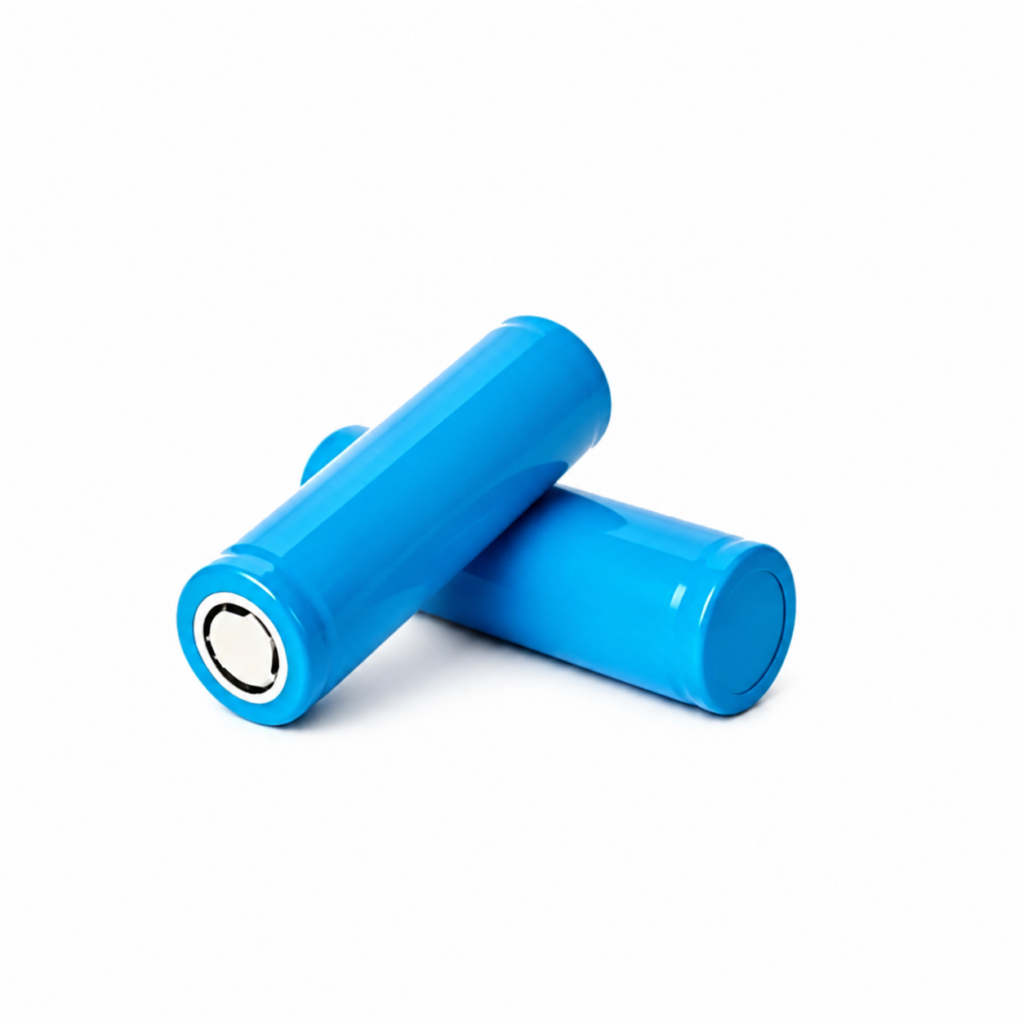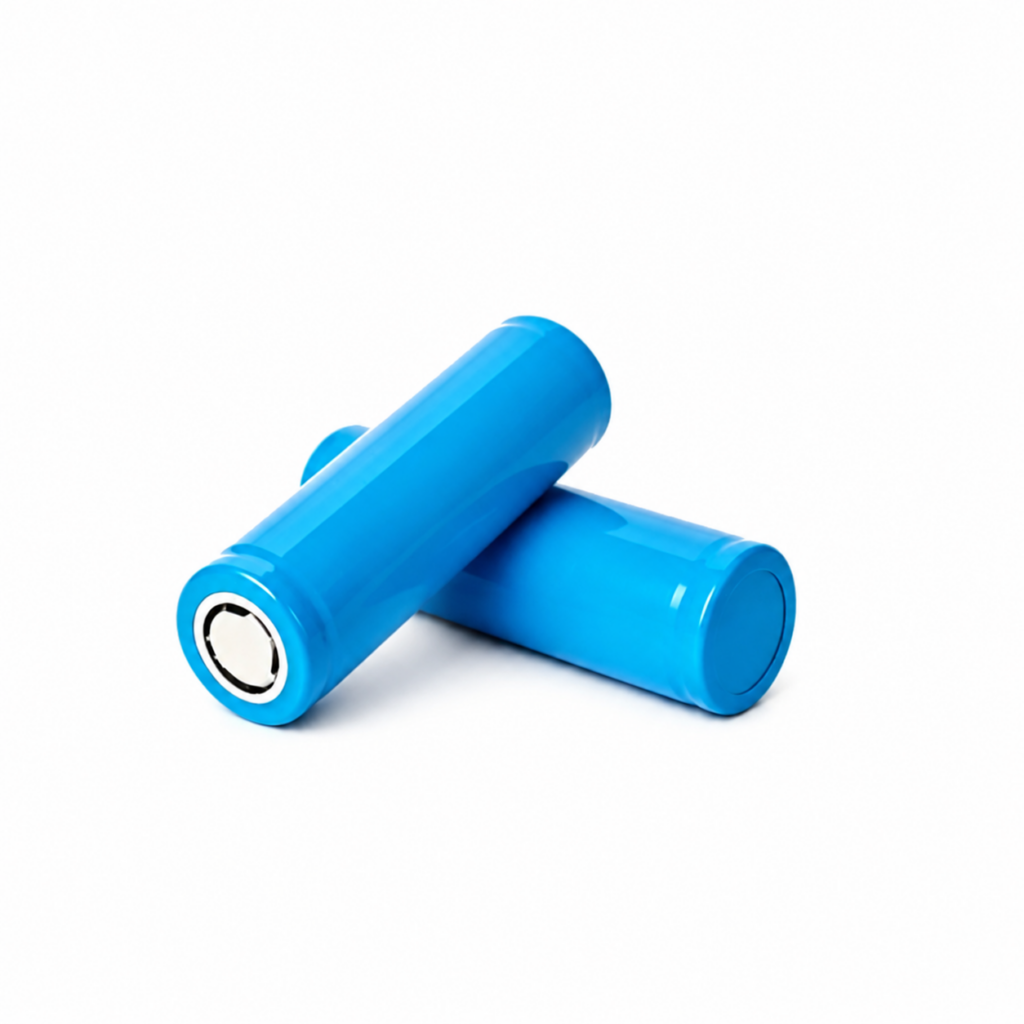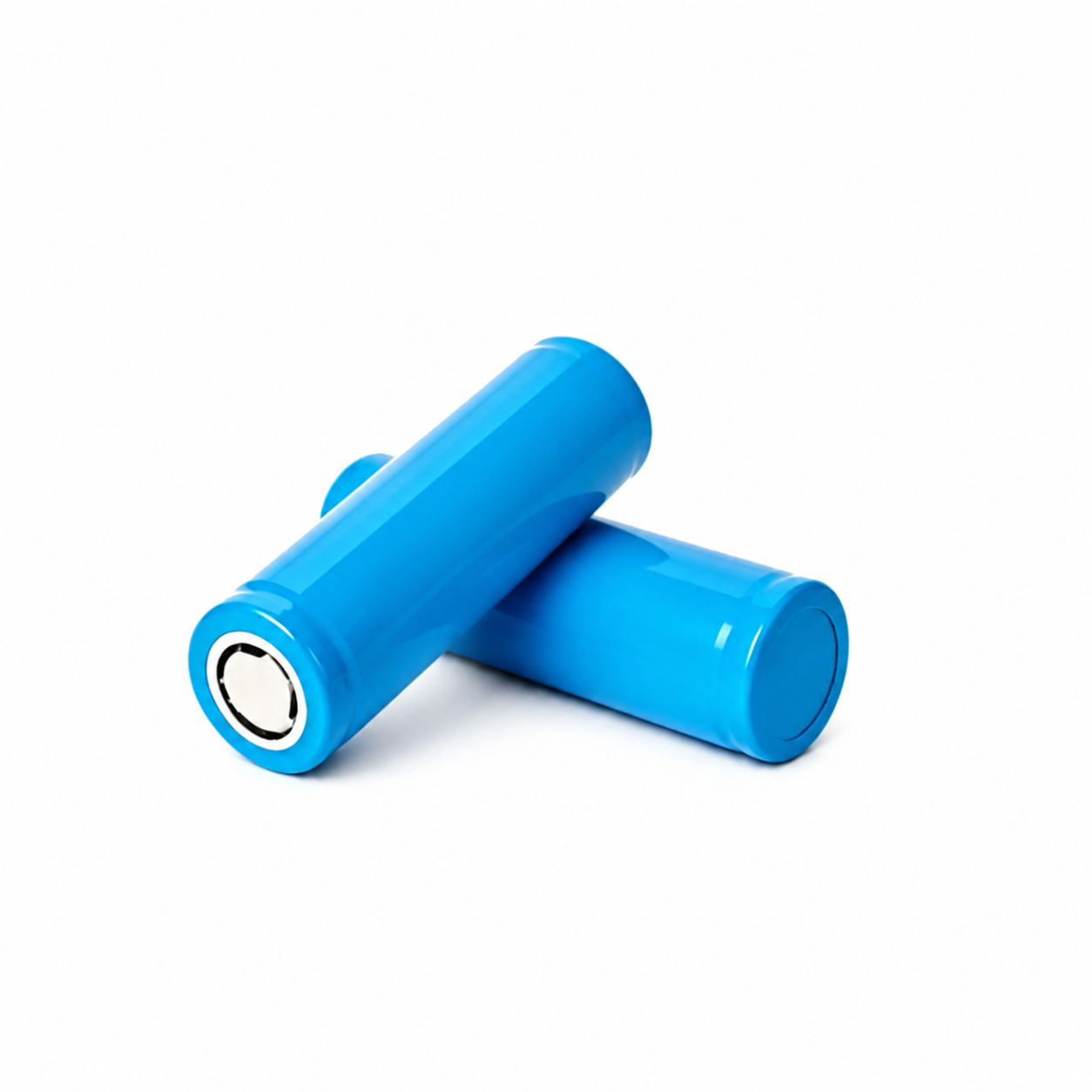
46145 Sodium-Ion Cylindrical Battery Series (4-Pack)COMMERCIAL GRADE · PRODUCTION
|
||||||||||||||||||||||||||||||||||
|
||||||||||||||||||||||||||||||||||
|
TAILORED SOLUTIONS FOR RESEARCH
Contact our engineering team for technical support or official institutional quotations.
EMAIL: INQUIRY@ATOMFAIR.COM
|
||||||||||||||||||||||||||||||||||
|
Manufacturer: PRODUCTION DIVISION · ADVANCED ENERGY STORAGE DIVISION
Brand: INDUSTRIAL TESTING HARDWARE
Specifications are representative and subject to change without notice. For the latest version and compliance certificates, contact official sales channel.
|
||||||||||||||||||||||||||||||||||
Sodium-ion cells are highly sensitive to ambient humidity and require strict atmospheric control prior to activation. Electrolyte compatibility is restricted to sodium-ion specific non-aqueous formulations to prevent structural degradation.
- Humidity and Atmosphere Constraint: Store all unwrapped cells exclusively inside an inert gas argon glovebox or environments held under less than 10% relative humidity prior to module activation.
- Electrolyte Compatibility Constraint: Fill stacks utilizing only specialized sodium-ion specific non-aqueous fluid electrolytes and never mix with lithium-ion fluid mixtures to prevent structural degradation faults.
What are the key performance trade-offs between the high-rate AF46145NA01 and high-energy AF46145NA02 variants of the 46145 sodium-ion battery?
The AF46145NA01 high-rate variant delivers a continuous 15C discharge rate with a nominal capacity of 15 Ah at 2.9 V, optimized for rapid UPS and tool applications. The AF46145NA02 high-energy variant provides a higher 20 Ah capacity at 3.0 V but with a lower continuous discharge rate of 6C, suited for extended runtime. Lifecycle parameters also differ: the high-rate variant exceeds 3000 cycles to 70% SOH, while the high-energy variant exceeds 2500 cycles.
What are the critical handling and storage requirements for these sodium-ion cylindrical cells to prevent degradation?
Sodium-ion chemical systems are exceptionally sensitive to ambient atmospheric humidity. All unwrapped cells must be stored exclusively inside an inert gas argon glovebox or environments held under <10% RH relative humidity boundaries prior to module activation. Additionally, only specialized sodium-ion specific non-aqueous fluid electrolytes should be used; never mix component parameters with lithium-ion fluid mixtures to prevent structural degradation faults.
Can these sodium-ion batteries operate effectively in sub-zero temperatures without additional heating?
Yes, the 46145 sodium-ion battery series retains more than 80% capacity retention under harsh -20 °C cold snaps, outperforming typical LFP packs without secondary heating jackets. This is enabled by the advanced hard carbon anode technology and sodium-based chemistry, which provides uncompromised structural stability across extreme thermal bands.
The 46145 sodium-ion cylindrical battery series provides two optimized variants—high-rate (15 Ah, 15C discharge) and high-energy (20 Ah, 6C discharge)—with exceptional sub-zero performance and safety, but requires strict humidity control and dedicated electrolyte handling.
Positive
- Dual-Optimized Variant Paths: Offers high-rate (15C continuous discharge) and high-energy (20 Ah capacity) options, enabling tailored trade-offs between power density and runtime for grid buffering or mobility applications.
- Outstanding Sub-Zero Capacity Retention: Retains >80% capacity at -20°C without secondary heating, outperforming conventional LFP chemistries in cold environments.
Trade-offs
- Strict Humidity Sensitivity: Sodium-ion cells must be stored and handled in inert gas gloveboxes or environments below 10% RH prior to activation to prevent moisture-induced degradation.
- Non-Aqueous Electrolyte Compatibility: Only specialized sodium-ion non-aqueous electrolytes must be used; mixing with lithium-ion electrolytes will cause structural degradation faults.
Every advanced material, component, equipment, and instrument in our catalog is backed by rigorous testing. We maintain strict internal quality management frameworks and align with CE conformity metrics to deliver transparent, reproducible performance data via our public open-science repository.
To request raw batch performance data, submit formal vendor registration paperwork, or execute a fast-turnaround R&D manufacturing loop, contact us at inquiry@atomfair.com.
Item is dispatched under the Atomfair Shipping & Delivery Framework (Free worldwide shipping on orders over $59 USD excl. heavy equipment). Return is governed by the Atomfair Return & Refund Policy (7-day technical return window).