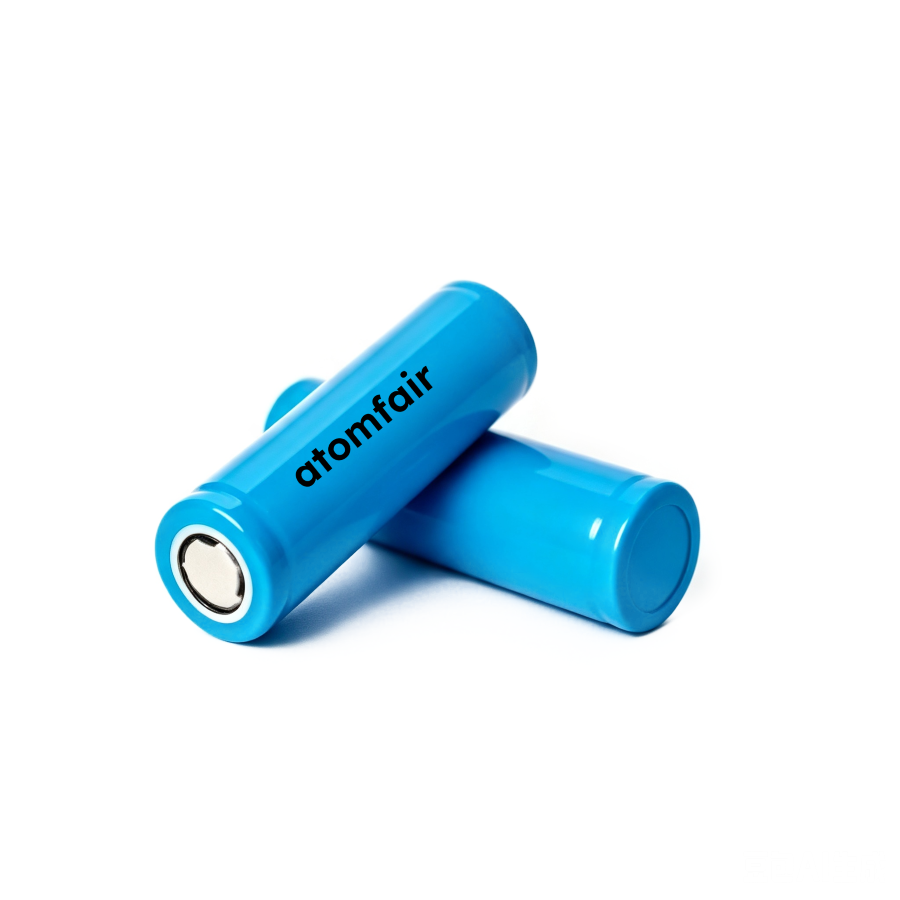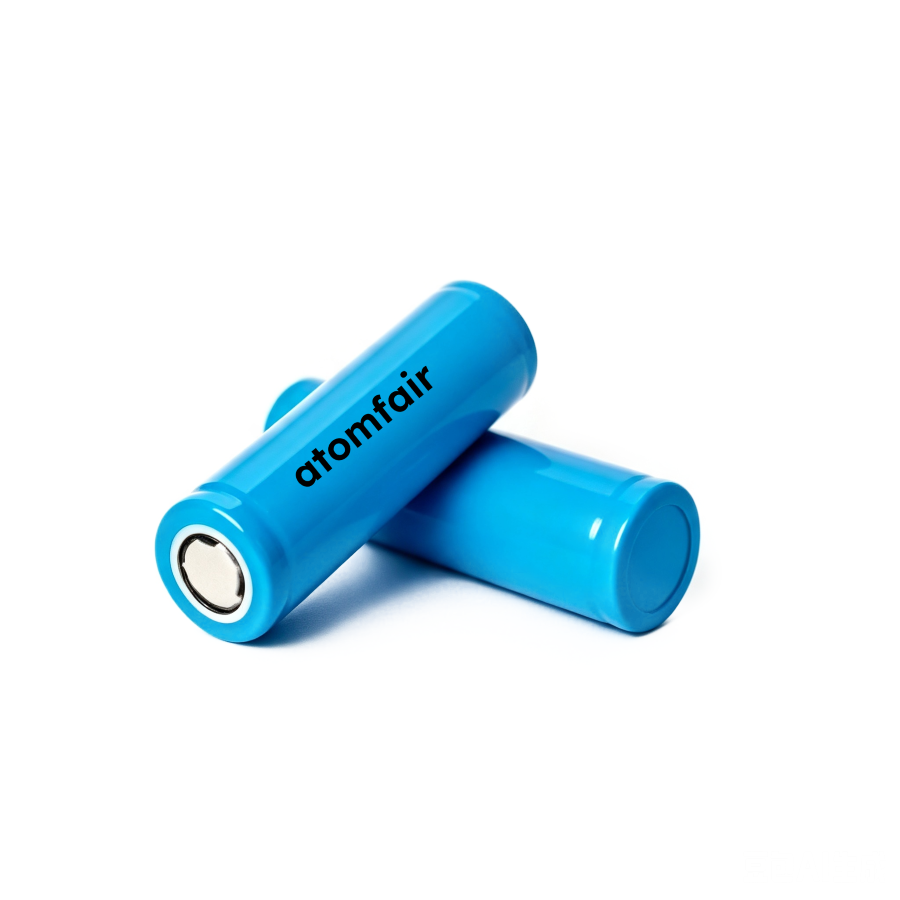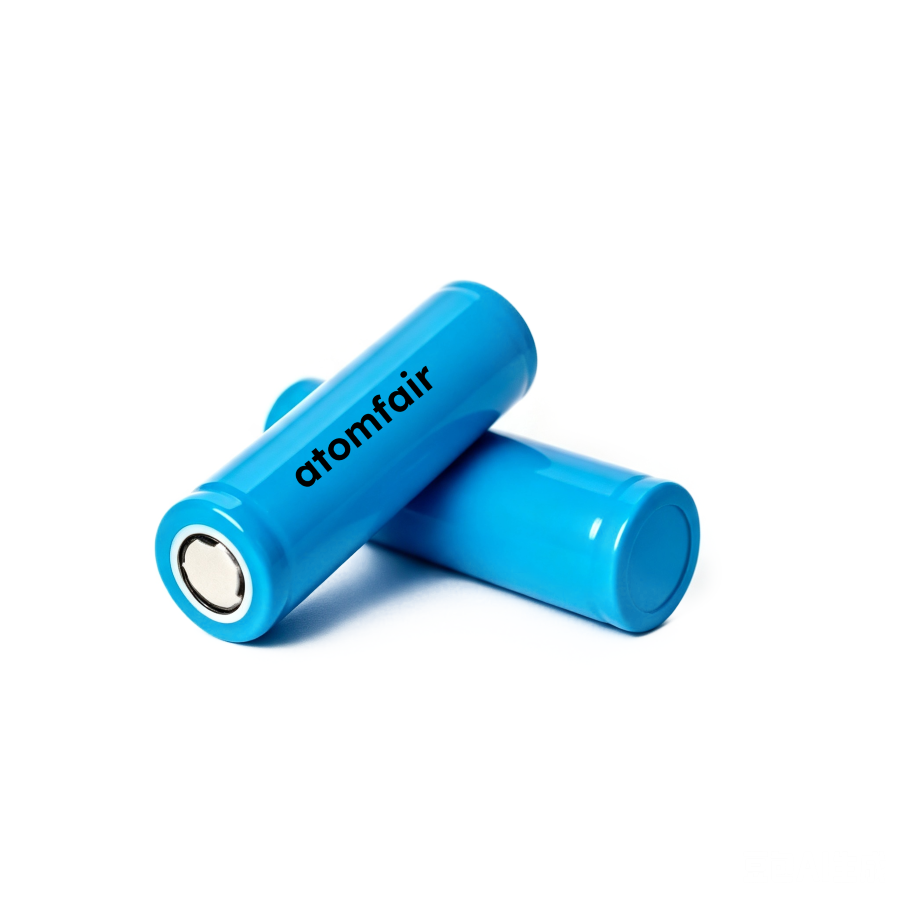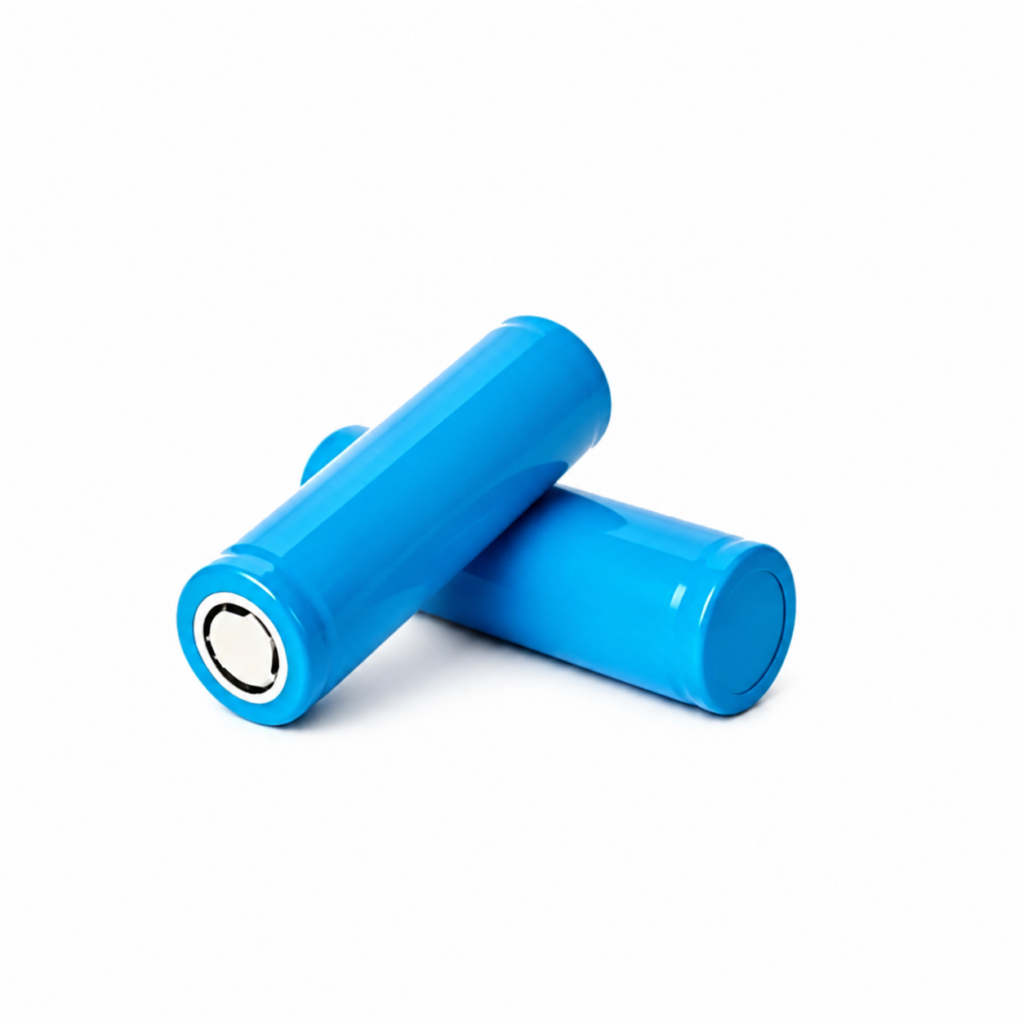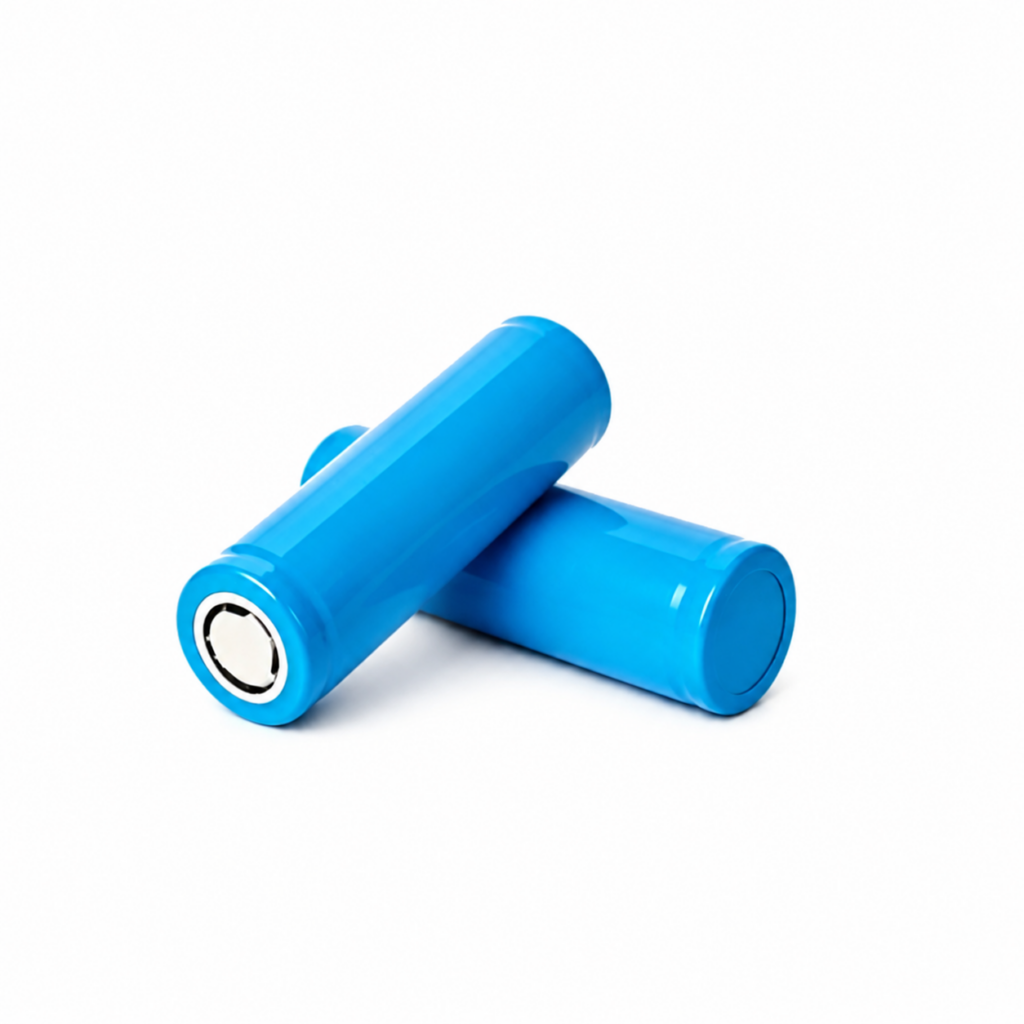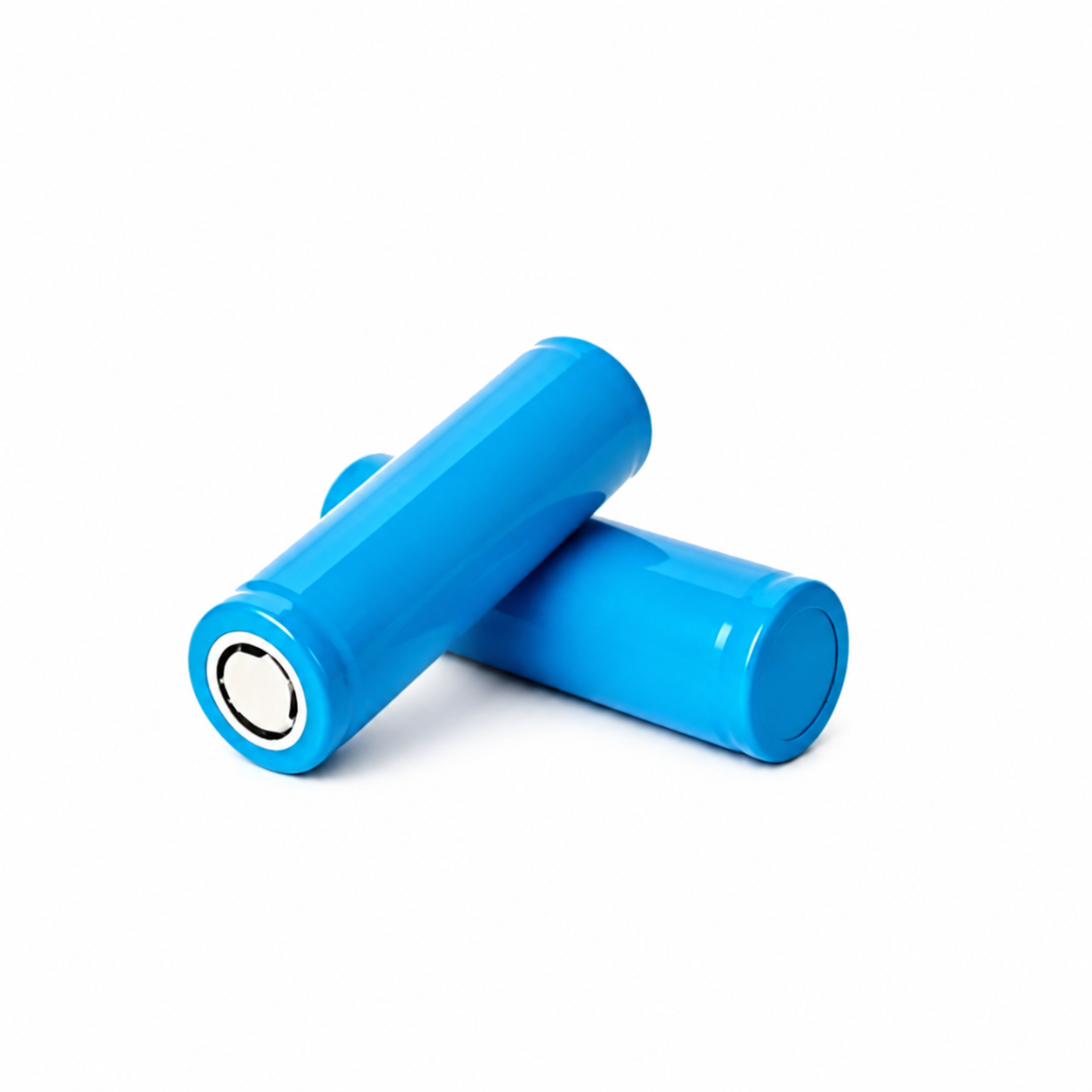
46120 HIGH-NICKEL NCM CYLINDRICAL BATTERY SERIES |
|||||||||||||||||||||||||||||||
|
|||||||||||||||||||||||||||||||
|
TAILORED SOLUTIONS FOR RESEARCH
Contact our engineering team for technical support or official institutional quotations.
EMAIL: inquiry@atomfair.com
|
|||||||||||||||||||||||||||||||
|
Manufacturer: Atomfair LLC
Brand: ATOMFAIR®
|
|||||||||||||||||||||||||||||||
High-nickel NCM cells are moisture-sensitive and require controlled storage at <30% RH. Dry-room assembly with dew point below -40°C is required before the first formation cycle.
- Moisture Sensitivity: High-nickel NCM cells are moisture-sensitive and require storage in environments with relative humidity below 30% to prevent gas evolution and capacity fade.
- Dry-Room Preconditioning: Before the first formation cycle, cells must be processed in a dry-room environment with a dew point below -40°C.
- Packaging Integrity: Cells are shipped in vacuum-sealed moisture-barrier cartons with integrated short-circuit protection to maintain integrity during transport.
This procedure outlines the required handling and storage conditions for the 46120 series high-nickel NCM cells. Strict adherence to moisture control and dry-room protocols is mandatory before the first formation cycle.
- Inspect Packaging
Inspect the vacuum-sealed packaging for any signs of damage or breach before opening. - Transfer to Dry Room
Transfer the cells to a dry room with a dew point below -40°C for conditioning prior to the first formation cycle. - Maintain Humidity Control
Maintain storage area relative humidity below 30% to ensure electrochemical stability.
What are the performance trade-offs between the 39.7 Ah high-rate and 45 Ah high-capacity variants of the 46120 NCM cylindrical cell?
The 39.7 Ah variant (AF46120NCM01) supports 3C charge/5C discharge rates with a cycle life >1500 cycles at 70% SOH, while the 45 Ah variant (AF46120NCM02) supports 1C/2C rates with >2000 cycles. The high-rate variant is optimized for power delivery at the expense of capacity and lifespan, whereas the high-capacity variant prioritizes energy density and longevity. Both share a nominal voltage of 3.6 V and use a high-nickel NCM cathode with ≥200 mAh/g specific capacity.
Which variant of the 46120 NCM cell is more suitable for electric vehicle powertrain development versus stationary storage R&D?
For electric vehicle powertrain development requiring high power bursts, the 39.7 Ah high-rate variant (3C/5C) is recommended. For stationary storage R&D or extended runtime applications, the 45 Ah high-capacity variant (1C/2C) with >2000 cycle life is more appropriate. The product overview states the series is designed for EV/PHEV battery packs, heavy-duty industrial equipment, grid peak-shaving prototypes, and academic R&D.
What are the critical storage and handling requirements for high-nickel NCM 46120 cells to prevent moisture-induced degradation?
High-nickel NCM cells are moisture-sensitive. Always store cells in an environment with <30% relative humidity (RH) and use dry-room assembly protocols with a dew point below -40°C before the first formation cycle. Failure to do so can cause gas evolution and capacity fade. The cells are shipped in vacuum-sealed moisture-barrier industrial cartons with integrated short-circuit protection.
The 46120 High-Nickel NCM cylindrical battery series from ATOMFAIR offers two optimized variants for high-rate or high-capacity applications, utilizing a Ni-rich cathode (≥80% Ni) with low impedance (<8 mΩ) and robust cycle life, but requires strict moisture control (<30% RH) and dry-room assembly.
Positive
- High-Nickel NCM Cathode with ≥80% Ni: Ni-rich layered oxide cathode achieves ≥200 mAh/g specific capacity, reducing cobalt dependency and cost per kWh while maintaining high energy density.
- Dual-Optimized Variants for Application Fit: Select between high-rate (39.7 Ah, 3C/5C) for power applications or high-capacity (45 Ah, 1C/2C) for extended runtime, enabling tailored integration into EV, industrial, or stationary systems.
Trade-offs
- Moisture-Sensitive Handling Required: High-nickel NCM cells are moisture-sensitive; storage must be below 30% RH and assembly requires dry-room conditions (< -40°C dew point) to prevent gas evolution and capacity fade.
- Rate vs. Capacity Trade-off Between Variants: The high-rate AF46120NCM01 variant offers lower capacity (39.7 Ah) and reduced cycle life (>1500 cycles) compared to the high-capacity AF46120NCM02 (45 Ah, >2000 cycles), limiting simultaneous high-power and high-energy operation.
Every advanced material, component, equipment, and instrument in our catalog is backed by rigorous testing. We maintain strict internal quality management frameworks and align with CE conformity metrics to deliver transparent, reproducible performance data via our public open-science repository.
To request raw batch performance data, submit formal vendor registration paperwork, or execute a fast-turnaround R&D manufacturing loop, contact us at inquiry@atomfair.com.
Item is dispatched under the Atomfair Shipping & Delivery Framework (Free worldwide shipping on orders over $59 USD excl. heavy equipment). Return is governed by the Atomfair Return & Refund Policy (7-day technical return window).