|
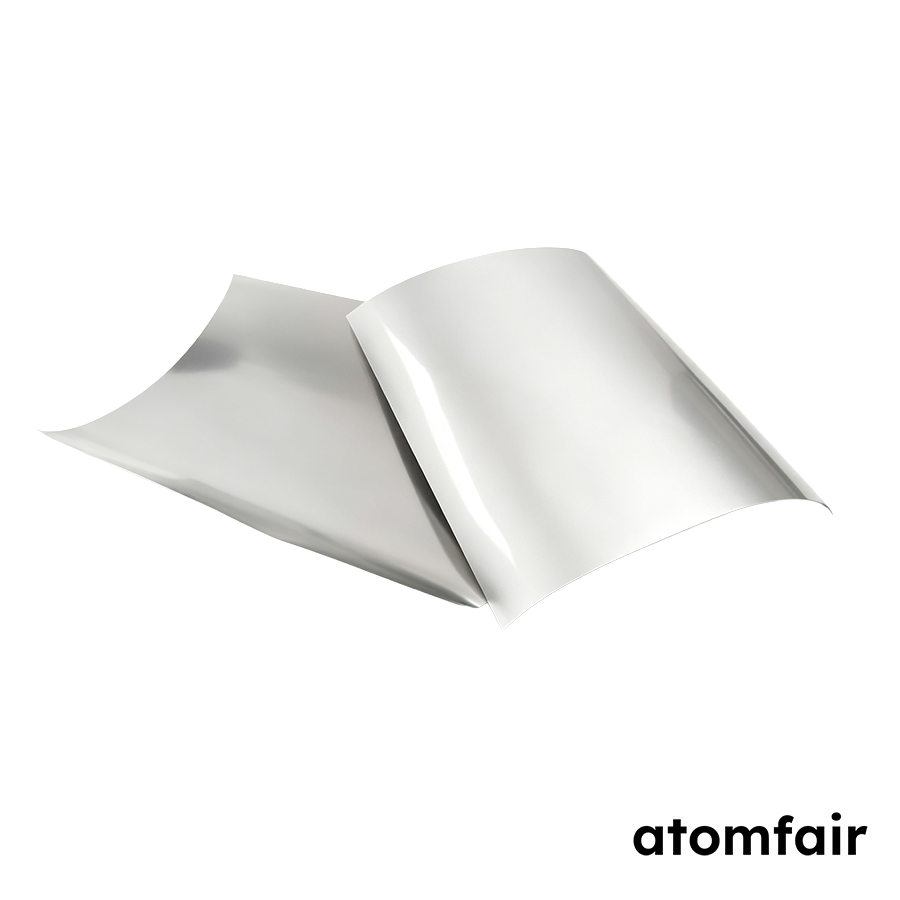
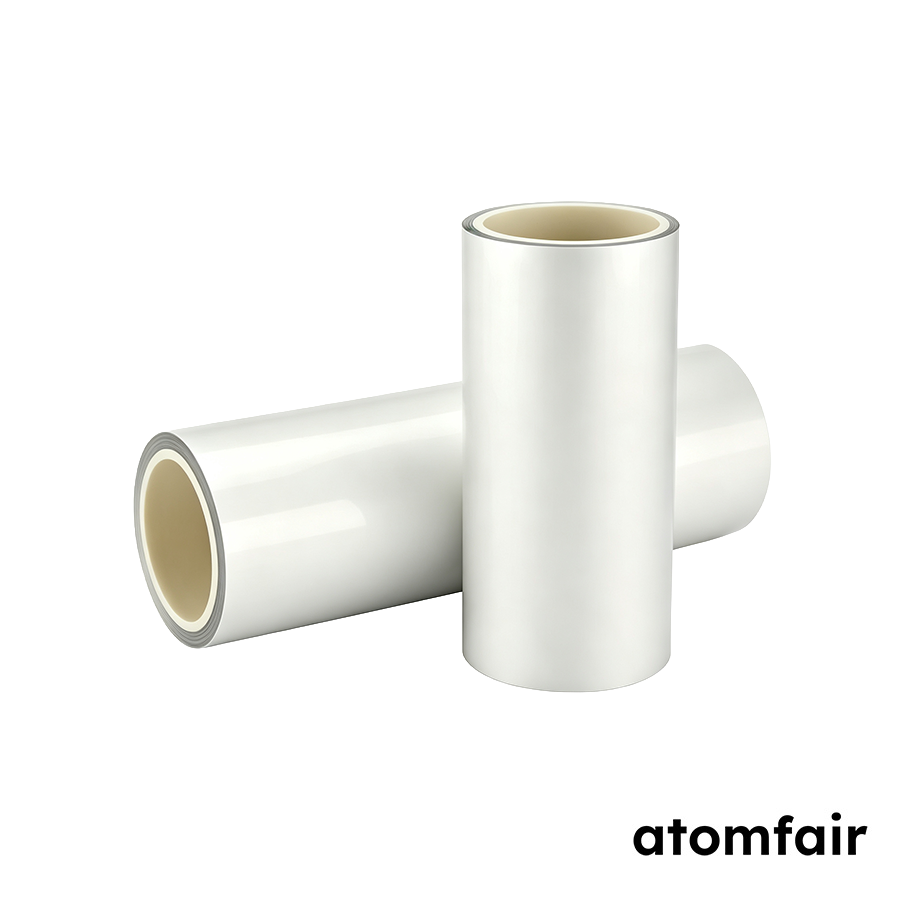
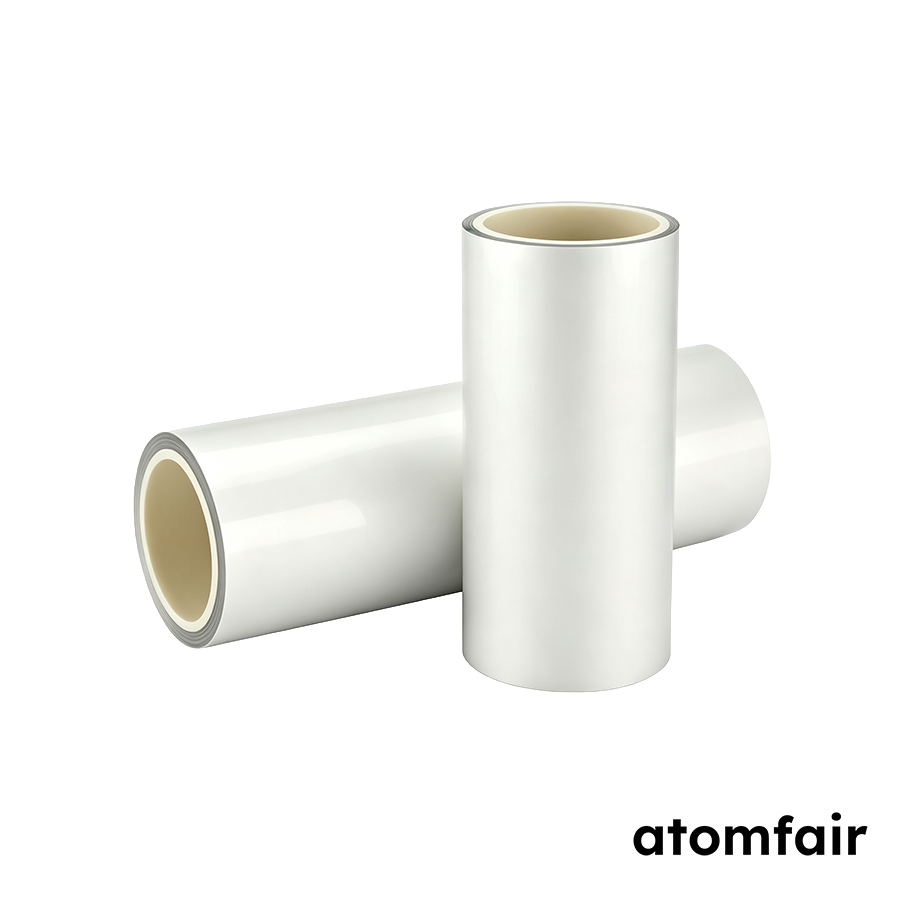
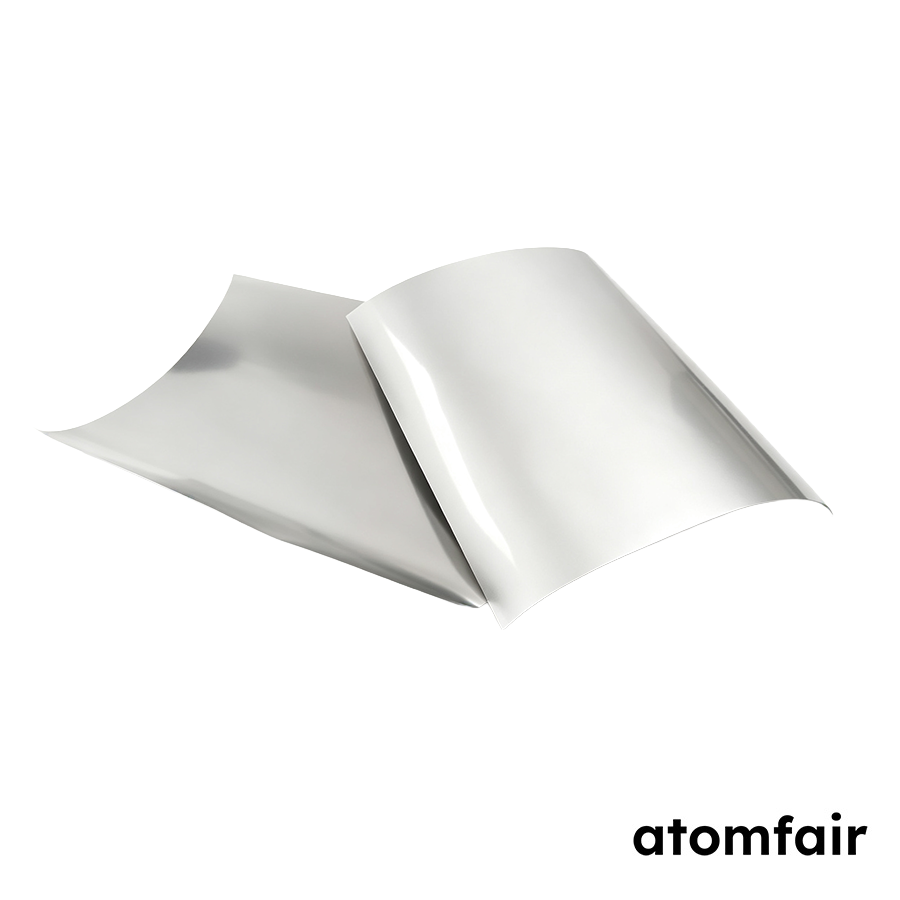
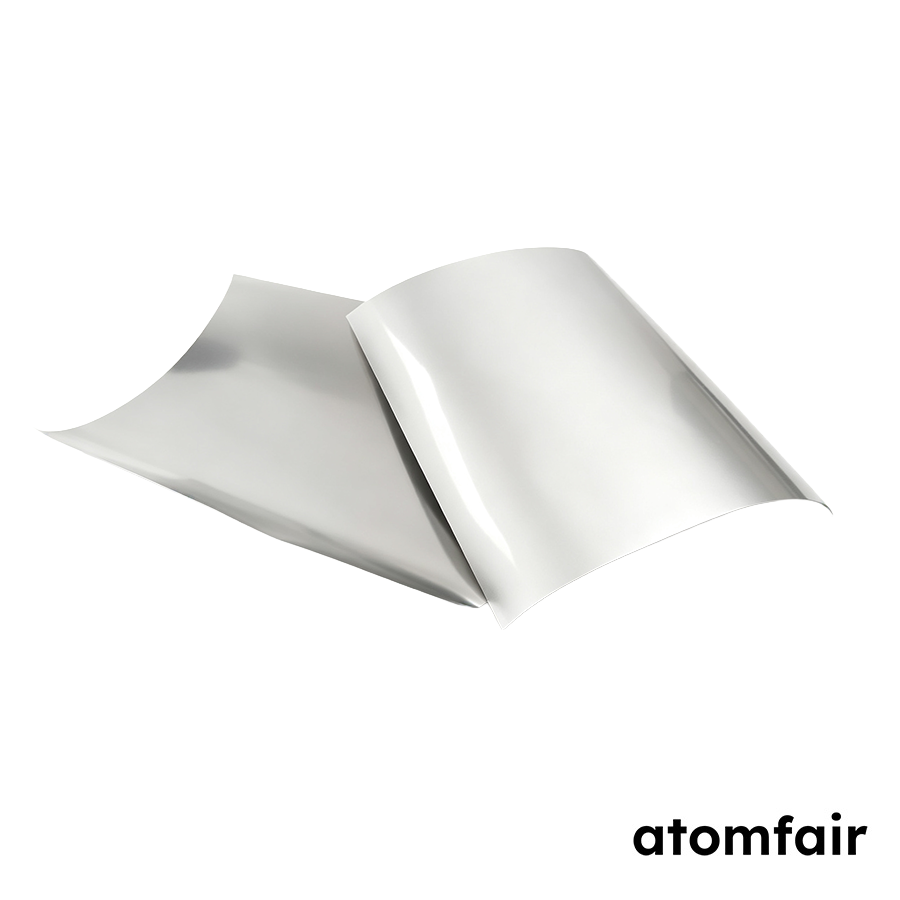
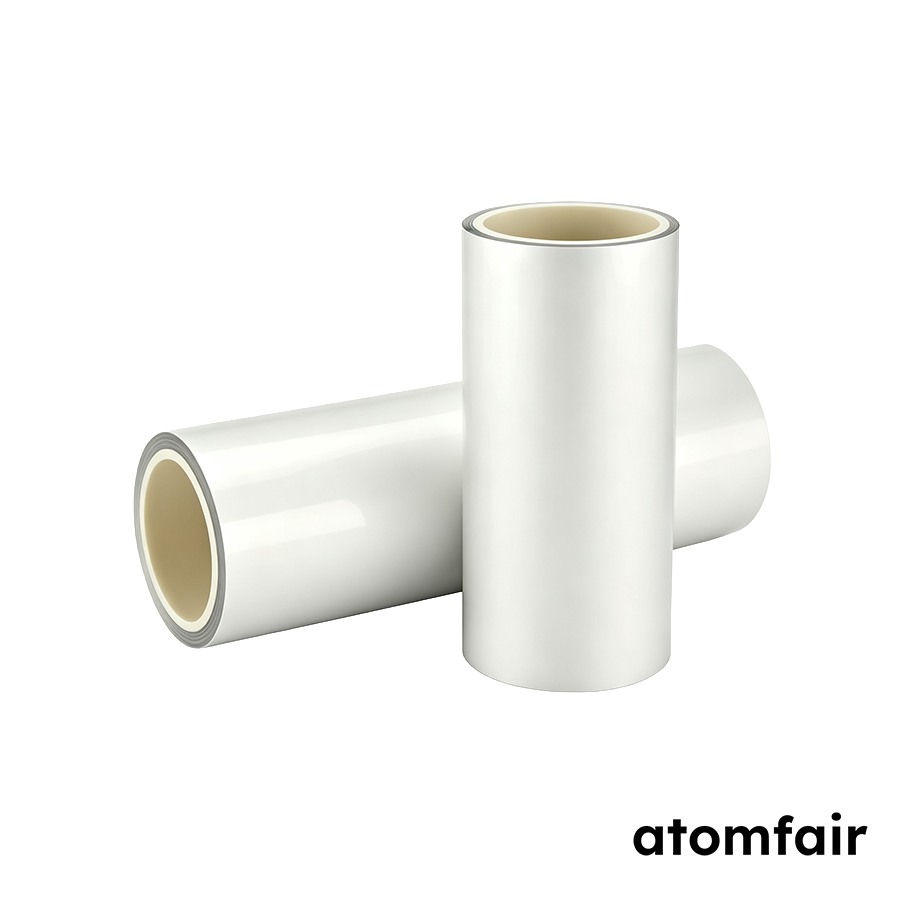
113 μm 200 mm×10 m Roll Aluminum-Plastic Film
POUCH CELL ALUMINUM-PLASTIC FILM
|
|||||||||||||||||||||||||||||||||||||||||||||||||||||||||||||||||||||||||||||||||||||||||||||||
Purchase ConfirmationConfiguration: Confirm thickness, width, and length before ordering. Quotation Check: Confirm the title dimensions and pack format before production or ordering release.
|
Brand: ATOMFAIR®
This aluminum-plastic film requires precise heat sealing between 180-190°C to achieve adequate laminate bond strength. The film must maintain solvent retention below 5 mg/m² and a slip factor below 1.0 to ensure reliable pouch cell assembly.
- Sealing Temperature Range: The film must be heat sealed at 180-190°C to achieve the specified laminate strength.
- Solvent Retention Limit: Residual solvent content must be less than 5 mg/m² to prevent contamination of the battery cell.
- Slip Factor Requirement: The coefficient of friction between CPP layers must be below 1.0 to ensure proper film handling during assembly.
- Heat Seal Strength Minimum: A minimum heat seal strength of 29.4 N/15 mm width is required when sealed at 200°C with 0.2 MPa pressure for 2 seconds.
- Moisture Barrier Performance: The film must maintain a moisture vapor transmission rate consistent with 200 ppm over 5 years to protect the battery electrolyte.
Follow these steps to heat seal the aluminum-plastic film into a pouch cell configuration. The sealing parameters are based on the specified heat seal strength requirements.
Required Equipment: Heat sealing equipment
- Cut film to pouch dimensions
Cut the aluminum-plastic film to the desired pouch dimensions using a clean cutting tool. - Position film layers in sealer
Place the film layers in the heat sealing equipment with the polypropylene (CPP) layers facing each other. - Apply heat seal parameters
Apply heat sealing at 200°C and 0.2 MPa pressure for 2 seconds to achieve the required bond strength.
What is the maximum molding depth achievable with this 113 μm aluminum-plastic film and how does the layer structure support it?
The film supports a molding depth of at least 5.0 mm, enabled by a 0.040 mm aluminum foil layer (JIS A8079/A8021) bonded between 0.025 mm polyamide and 0.040 mm polypropylene layers with adhesive layers. The laminate strength is >2 N/15 mm for nylon/Al and >5 N/15 mm for Al/CPP, ensuring structural integrity during deep drawing.
What hot sealing conditions are required for this aluminum-plastic film, and what heat seal strength can be expected?
The recommended hot sealing condition is 180-190°C. At 200°C, 0.2 MPa, 2 seconds on heatsealing equipment, the heat seal strength exceeds 29.4 N/15 mm wide. This ensures reliable sealing for pouch cell assembly.
What are the moisture barrier and solvent retention specifications for this film, and how do they affect long-term storage?
The moisture vapor/O2 transmission rate is specified as 200 ppm over 5 years, and solvent retention is less than 5 mg/m². These parameters indicate excellent long-term barrier properties suitable for dry room storage of pouch cells, with minimal contamination risk.
This 113 μm aluminum-plastic laminated film provides a multi-layer barrier structure with polyamide, aluminum foil, and polypropylene layers, delivering heat seal strength >29.4 N/15 mm and molding depth ≥5 mm for pouch cell assembly. Its hot sealing window of 180-190°C and moderate moisture barrier (200 ppm/5 years) define the processing and performance constraints for battery prototyping.
Positive
- High Heat Seal Strength: Heat seal strength exceeds 29.4 N/15 mm at 200°C, 0.2 MPa, and 2 seconds, ensuring robust pouch sealing under standard conditions.
- Deep Molding Capability: Molding depth ≥5.0 mm enables forming of deep pouch cavities for battery cell assembly, accommodating varied electrode stack designs.
Trade-offs
- Precise Hot Sealing Requirements: Hot sealing requires strict temperature control at 180-190°C and specific pressure/dwell time (0.2 MPa, 2 s), demanding compatible equipment and process optimization.
- Moderate Moisture Barrier Performance: Specified moisture vapor transmission rate of 200 ppm over 5 years indicates a moderate barrier, which may be insufficient for ultra-moisture-sensitive battery chemistries.
Every advanced material, component, equipment, and instrument in our catalog is backed by rigorous testing. We maintain strict internal quality management frameworks and align with CE conformity metrics to deliver transparent, reproducible performance data via our public open-science repository.
To request raw batch performance data, submit formal vendor registration paperwork, or execute a fast-turnaround R&D manufacturing loop, contact us at inquiry@atomfair.com.
Item is dispatched under the Atomfair Shipping & Delivery Framework (Free worldwide shipping on orders over $59 USD excl. heavy equipment). Return is governed by the Atomfair Return & Refund Policy (7-day technical return window).