|
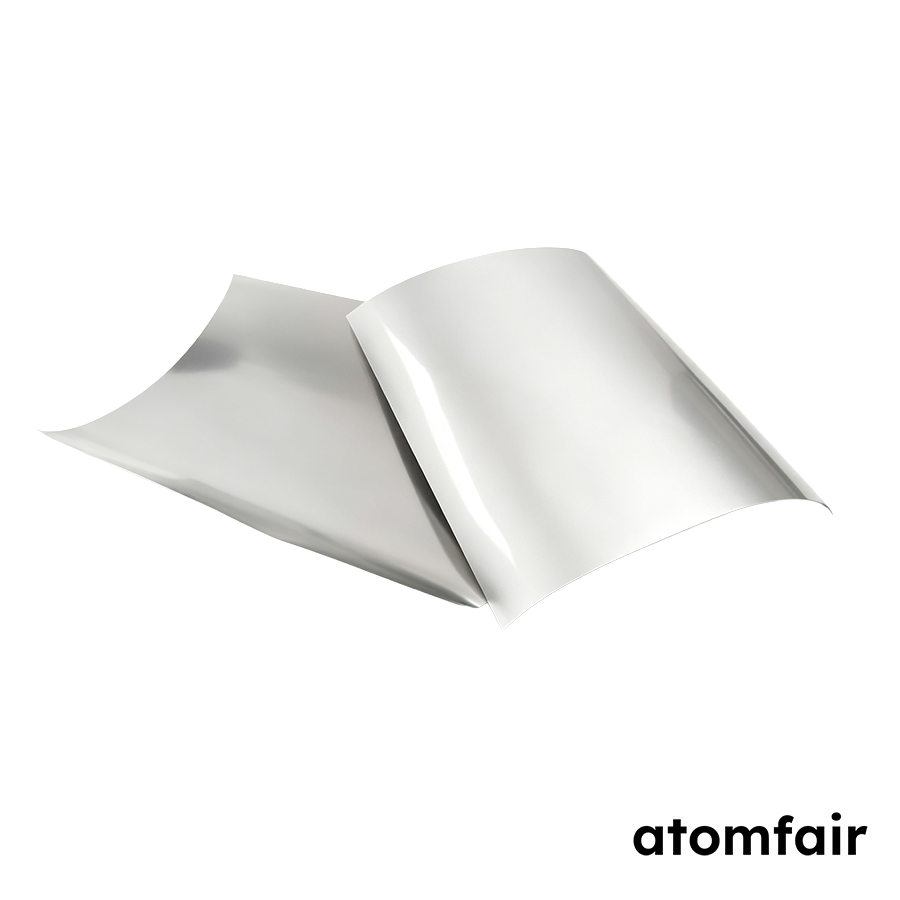
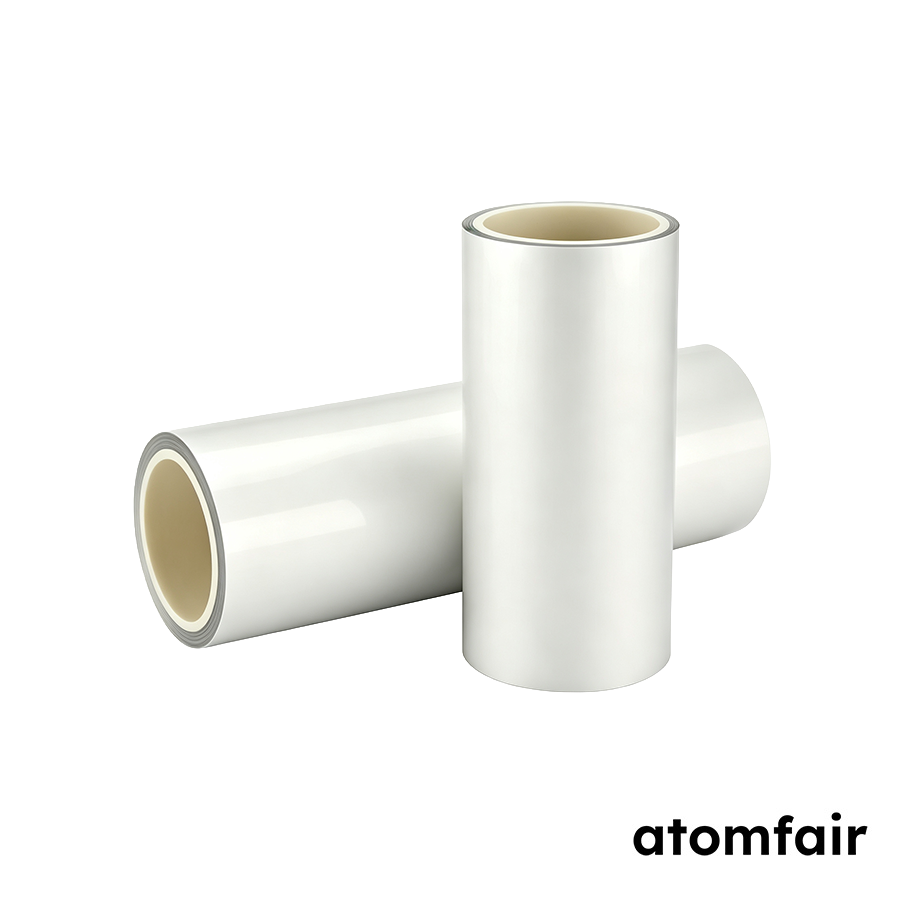
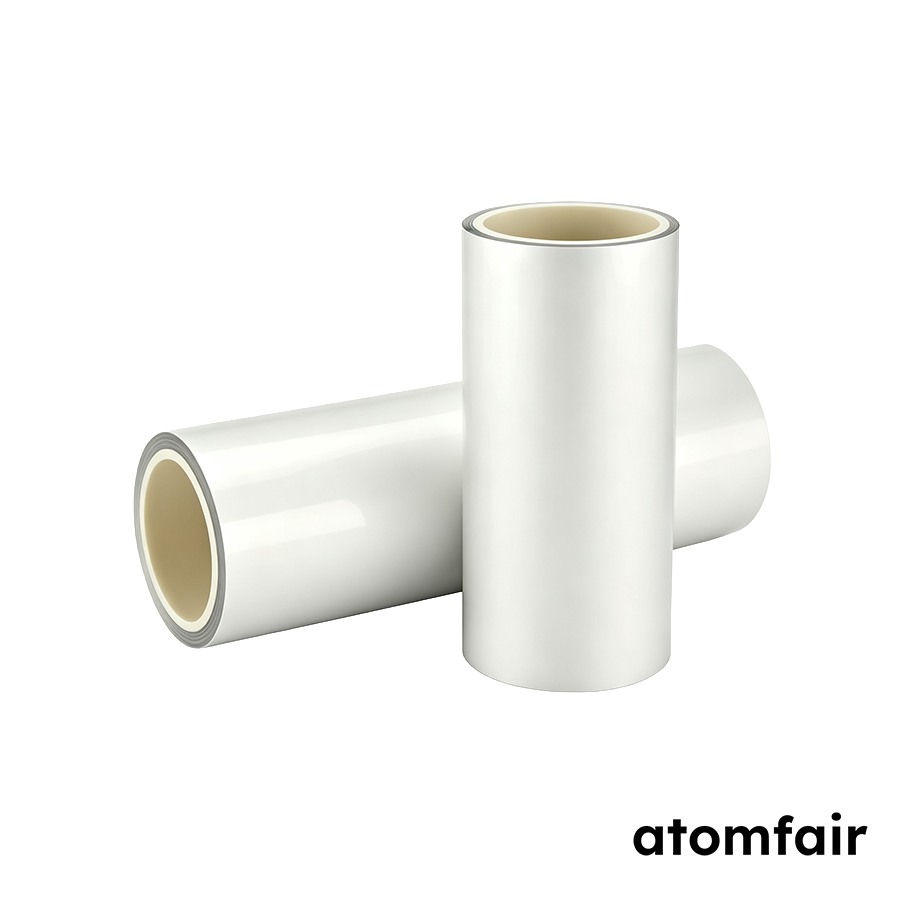
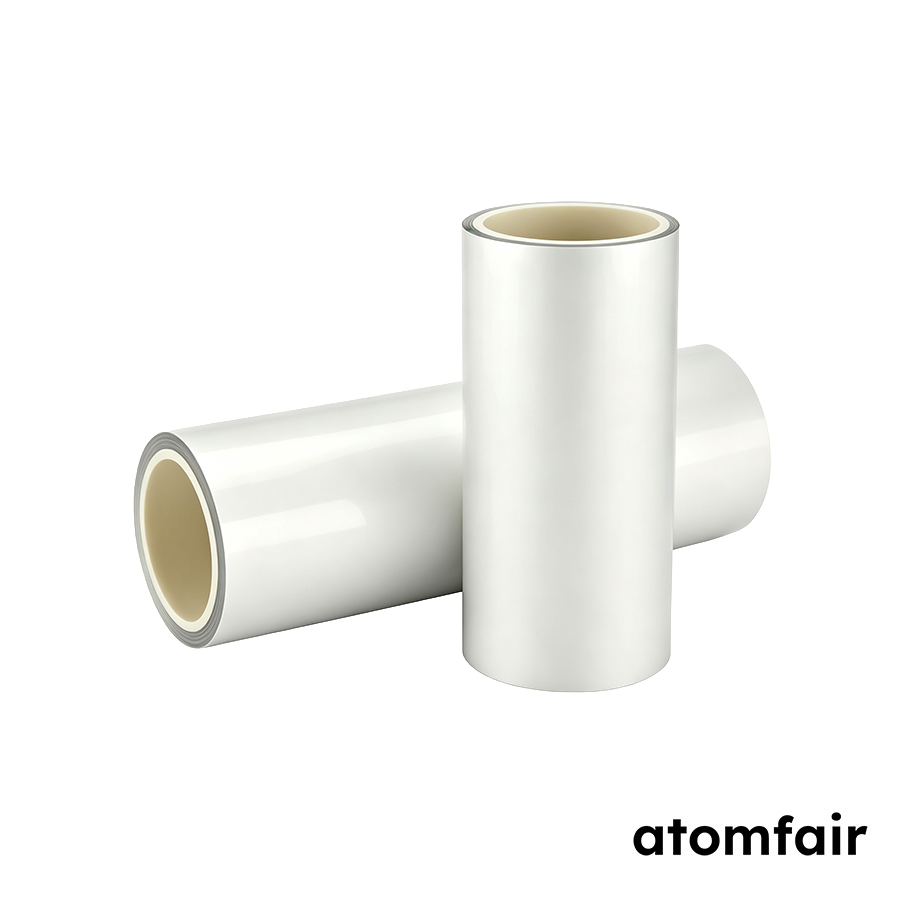
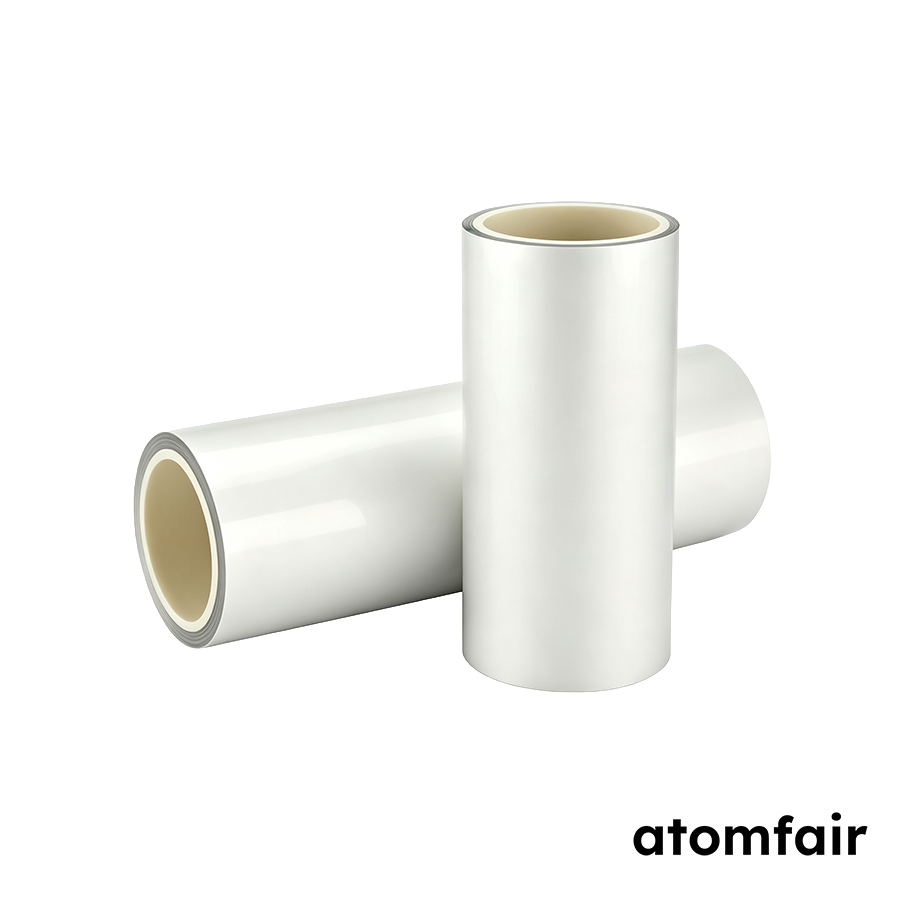
113 μm 110 mm×20 m Roll Aluminum-Plastic Film
POUCH CELL ALUMINUM-PLASTIC FILM
|
|||||||||||||||||||||||||||||||||||||||||||||||||||||||||||||||||||||||||||||||||||||||||||||||
Purchase ConfirmationConfiguration: Confirm thickness, width, and length before ordering. Quotation Check: Confirm the title dimensions and pack format before production or ordering release.
|
Brand: ATOMFAIR®
This aluminum-plastic laminated film requires heat sealing at 180–190°C with a minimum strength of 29.4 N/15 mm. The film maintains moisture and oxygen barrier performance below 200 ppm over five years and must be free of impurities exceeding 1 mm or fish eyes larger than 2 mm.
- Hot Sealing Temperature Range: Heat sealing must be performed at 180–190°C to achieve proper bonding.
- Laminate Strength Requirements: The laminate must exhibit a Nylon/Al strength above 2 N/15 mm and Al/CPP strength above 5 N/15 mm.
- Moisture and Oxygen Barrier: The film limits moisture and oxygen transmission to 200 ppm over five years.
- Surface Defect Limits: Surface impurities must not exceed 1 mm in diameter, and fish eyes must be under 2 mm for clear and 1 mm for colored defects.
- Minimum Molding Depth: The film supports a minimum molding depth of 5.0 mm for pouch forming.
What heat sealing conditions are required to achieve a heat seal strength greater than 29.4 N/15 mm with this aluminum-plastic film?
The film is specified for hot sealing at 180–190°C. A heat seal strength exceeding 29.4 N/15 mm (tested at 200°C, 0.2 MPa, 2 seconds) is achievable. The laminate strength between aluminum and CPP is >5 N/15 mm, supporting overall seal integrity.
What is the solvent retention level of this aluminum-plastic film and how does it affect battery electrolyte compatibility?
Solvent retention is less than 5 mg/m², indicating minimal residual solvents that could leach into the electrolyte. The film uses a urethane-free adhesive for the aluminum-to-polypropylene layer, which may reduce chemical interaction with electrolyte solvents. Specific electrolyte compatibility testing is not provided.
What is the slip factor of the CPP layer and how does it influence pouch cell assembly?
The slip factor (CPP/CPP) is less than 1.0, indicating a low coefficient of friction between polypropylene layers. This facilitates handling during lamination, cutting, and stacking without sticking. The film also has a matte surface finish, which may affect adhesion in subsequent assembly steps.
This 113 μm aluminum-plastic film roll offers a balanced combination of deep draw formability (≥5.0 mm) and high heat seal strength (>29.4 N/15 mm), making it suitable for pouch cell prototyping. However, the narrow hot sealing window (180-190°C) and strict solvent retention limit require careful process control.
Positive
- Deep draw capability: Molding depth ≥5.0 mm enables fabrication of complex pouch cell geometries without film rupture.
- High heat seal strength: Heat seal strength >29.4 N/15 mm at 200°C, 0.2 MPa, 2 sec ensures reliable pouch sealing under standard lamination conditions.
Trade-offs
- Narrow hot sealing temperature window: Hot sealing condition specified at 180-190°C requires precise temperature control on sealing equipment to avoid under- or over-sealing.
- Strict solvent retention limit: Solvent retention must be less than 5 mg/m², demanding careful handling and processing to avoid contamination that could affect seal integrity.
Every advanced material, component, equipment, and instrument in our catalog is backed by rigorous testing. We maintain strict internal quality management frameworks and align with CE conformity metrics to deliver transparent, reproducible performance data via our public open-science repository.
To request raw batch performance data, submit formal vendor registration paperwork, or execute a fast-turnaround R&D manufacturing loop, contact us at inquiry@atomfair.com.
Item is dispatched under the Atomfair Shipping & Delivery Framework (Free worldwide shipping on orders over $59 USD excl. heavy equipment). Return is governed by the Atomfair Return & Refund Policy (7-day technical return window).