|
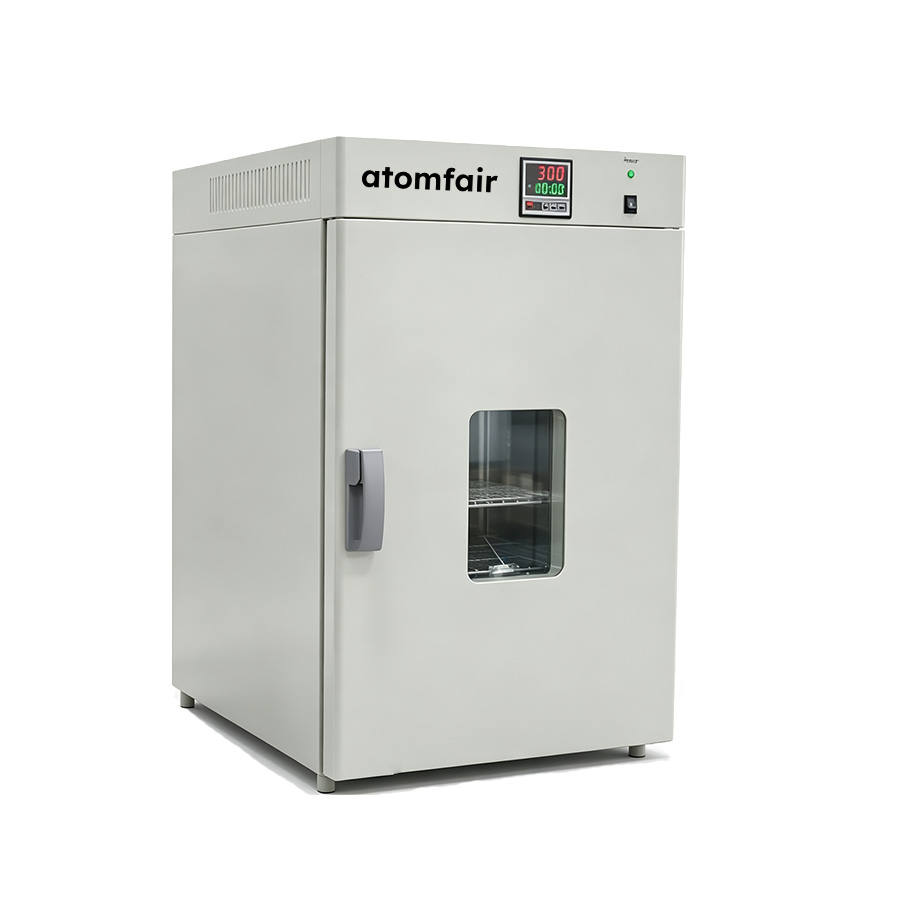
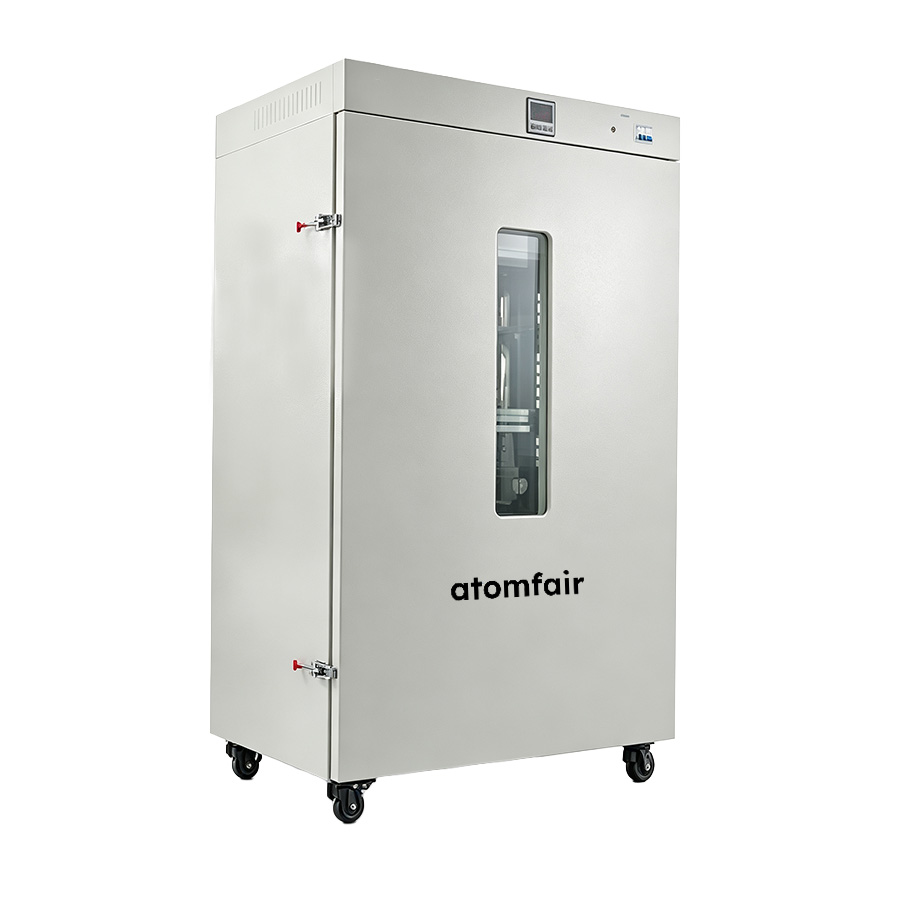
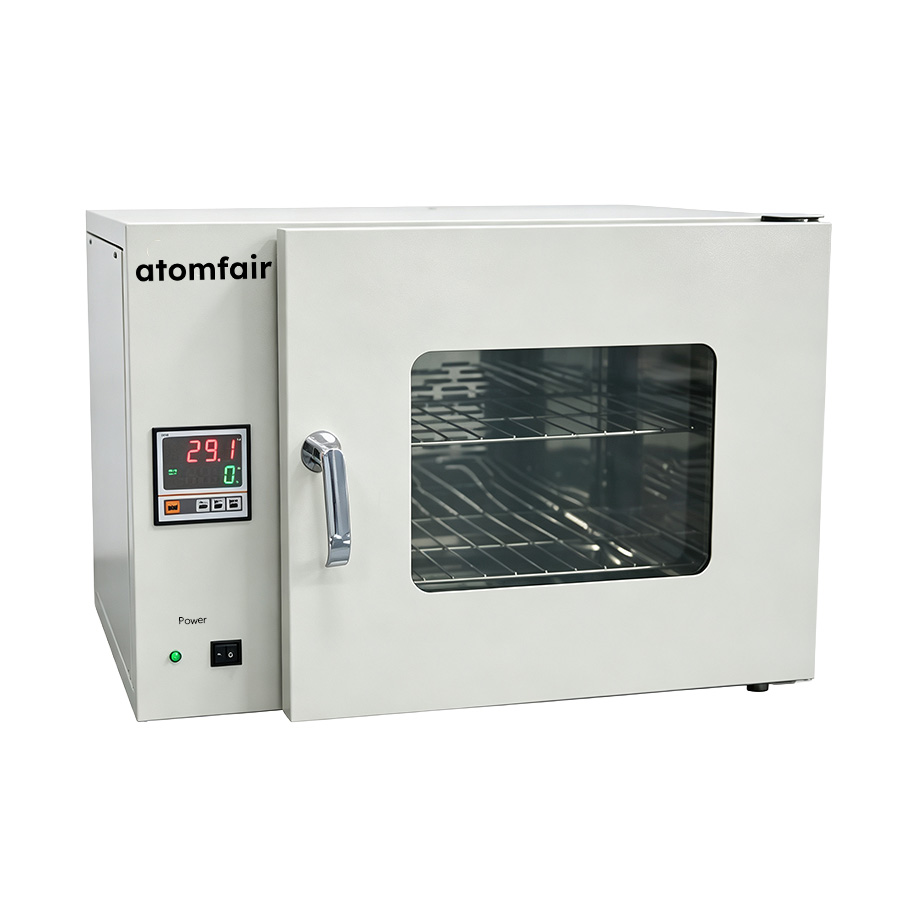
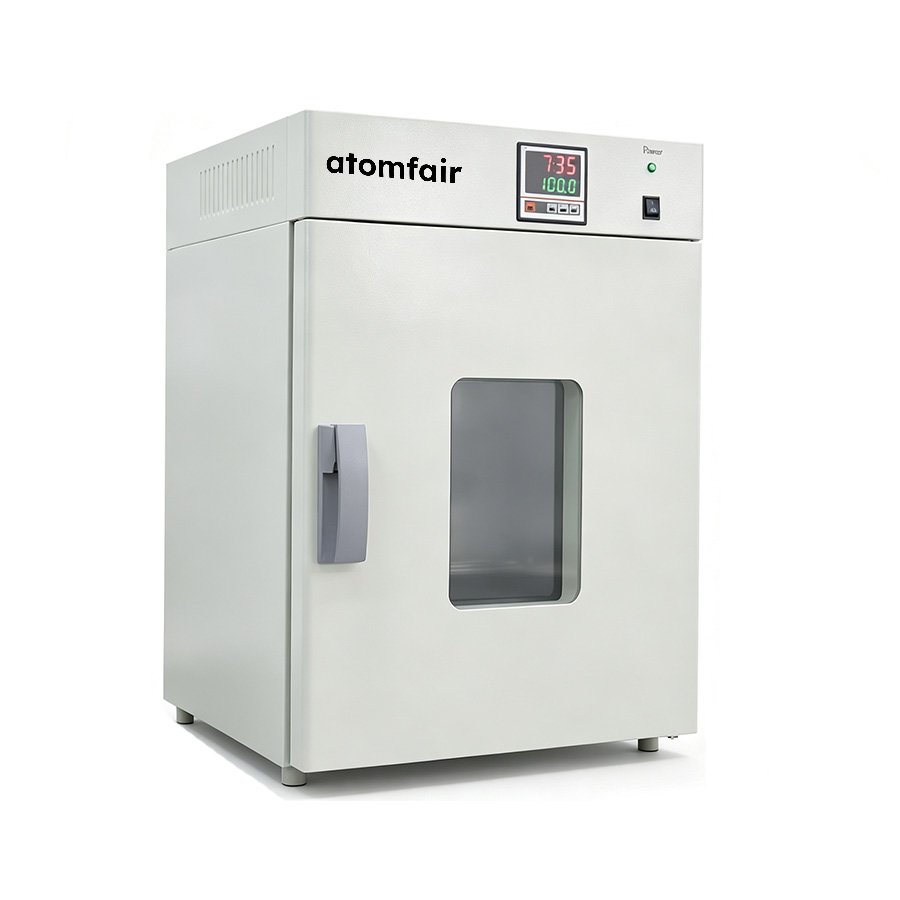
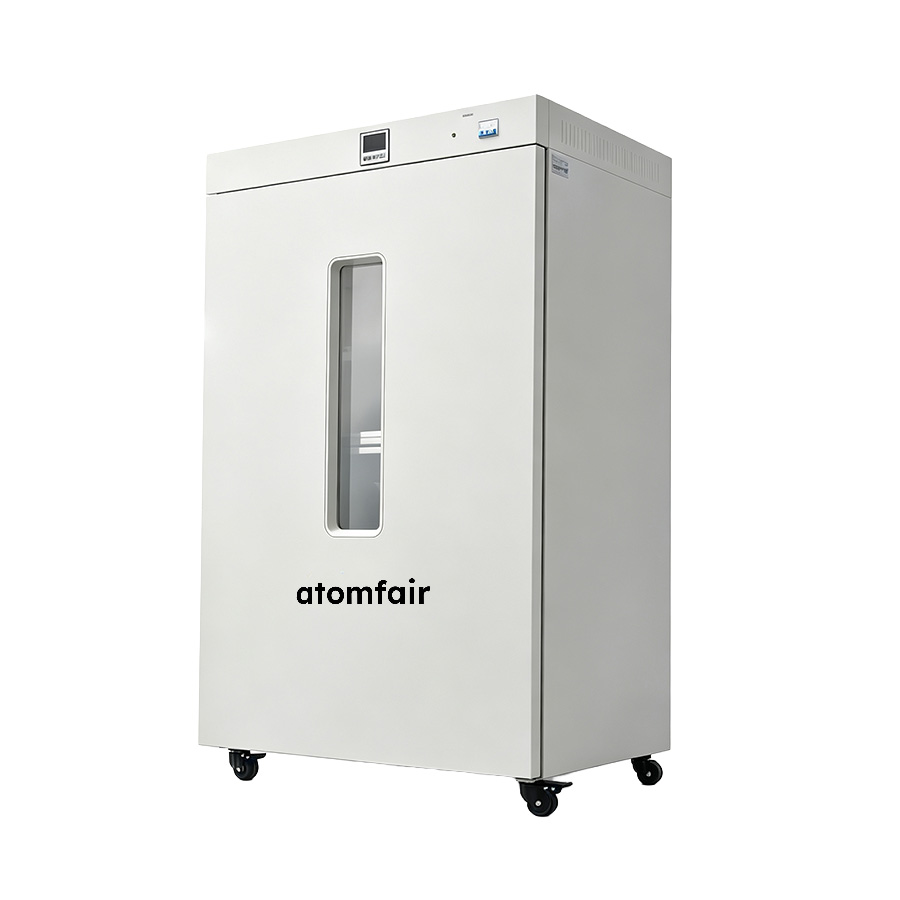
620L `Vertical Electric Forced-Air Drying Oven`
Research-grade laboratory product
|
|||||||||||||||||||||||||||||||||||||||||||
|
|||||||||||||||||||||||||||||||||||||||||||
|
LABORATORY PROCUREMENT SUPPORT
For capacity selection, accessory matching, voltage confirmation or other specification review, contact our technical sales team.
E-MAIL: inquiry@atomfair.com
|
|||||||||||||||||||||||||||||||||||||||||||
|
Supplier: Atomfair
Brand: ATOMFAIR®
|
This 620 L electric blast drying oven requires a power supply voltage matching the specified configuration (380 V standard) and must be operated within an ambient temperature range of 5 to 40°C. The unit's 240 kg gross weight necessitates installation on a surface with adequate load-bearing capacity.
- Electrical Supply Verification: Confirm that the available power supply voltage matches the 380 V standard configuration or adjust the oven's voltage setting accordingly before installation.
- Ambient Temperature and Load Constraints: Operate the oven only within an ambient temperature range of 5 to 40°C and ensure the installation surface can support the 240 kg gross weight.
How does the forced-air drying design and ≤2.0% temperature uniformity of the AF-LE-E-DRYC-0620-V380 620 L oven affect drying consistency for batch sample processing?
The forced-air (blast) drying structure improves hot-air circulation, which helps achieve the stated ≤2.0% temperature uniformity across the 620 L chamber (800 x 600 x 1300 mm). This reduces thermal gradients during batch drying or heat treatment, supporting more consistent conditions for multiple samples processed simultaneously. However, for critical uniformity validation, users should consider optional temperature mapping via the multi-point recorder.
What are the key compatibility constraints when installing this 4500 W, 380 V vertical blast drying oven in a research laboratory?
The oven requires a 380 V supply (adjustable per regional requirements) and draws 4500 W rated power, so the facility must have a compatible electrical circuit and adequate current capacity. The outer dimensions (940 x 780 x 1690 mm) and gross weight of 240 kg require dedicated floor space with appropriate ventilation clearance. Ambient temperature must be maintained between 5 and 40 °C for reliable operation.
What safety and handling considerations are critical for operating a 620 L blast drying oven with a maximum temperature of 250 °C and a 240 kg weight?
At 240 kg, the oven requires mechanical assistance (e.g., pallet jack) for placement. The metal cabinet structure and viewing window allow visual monitoring without opening the door, reducing exposure to high temperatures (up to 250 °C). The oven includes 4 removable shelves; during loading, ensure samples are placed to avoid blocking airflow from the forced-air system. No internal over-temperature protection is specified, so operators must set the timer (1–9999 min) and monitor cycles accordingly.
The 620L vertical electric blast drying oven provides a 620 L working volume with forced-air circulation, temperature stability ≤0.5 °C, and uniformity ≤2.0% across RT+10 to 250 °C, making it suitable for batch drying, baking, and sample conditioning in laboratory and pilot environments. The 4500 W rated power and adjustable supply voltage require dedicated electrical infrastructure, and the 240 kg gross weight necessitates reinforced flooring and handling equipment.
Positive
- Forced-air circulation for uniform heating: The forced-air drying design improves hot-air distribution inside the 620 L chamber, supporting consistent temperature conditions for batch processing of glassware, samples, and materials.
- Fine temperature control and stability: 0.1 °C resolution and ≤0.5 °C stability enable repeatable heating cycles for routine drying and thermal treatment tasks, with a timing range of 1 to 9999 min for scheduled operation.
Trade-offs
- High power and weight requirements: The 4500 W rated power and 240 kg gross weight demand dedicated electrical supply (380 V, adjustable) and reinforced flooring or appropriate handling equipment for installation and movement.
- Limited temperature range for high-temp processes: Maximum operating temperature of 250 °C restricts use for applications requiring sustained exposure above this threshold, such as certain material sintering or ashing procedures.
Every advanced material, component, equipment, and instrument in our catalog is backed by rigorous testing. We maintain strict internal quality management frameworks and align with CE conformity metrics to deliver transparent, reproducible performance data via our public open-science repository.
To request raw batch performance data, submit formal vendor registration paperwork, or execute a fast-turnaround R&D manufacturing loop, contact us at inquiry@atomfair.com.
Item is dispatched under the Atomfair Shipping & Delivery Framework (Free worldwide shipping on orders over $59 USD excl. heavy equipment). Return is governed by the Atomfair Return & Refund Policy (7-day technical return window).