|
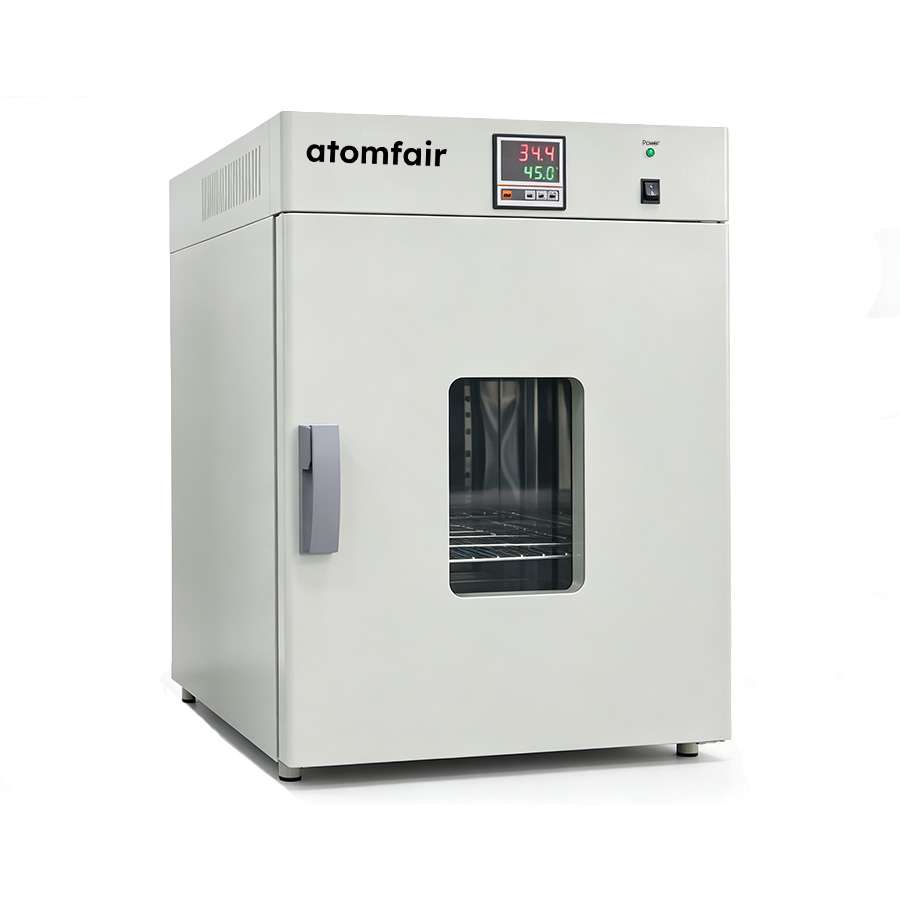
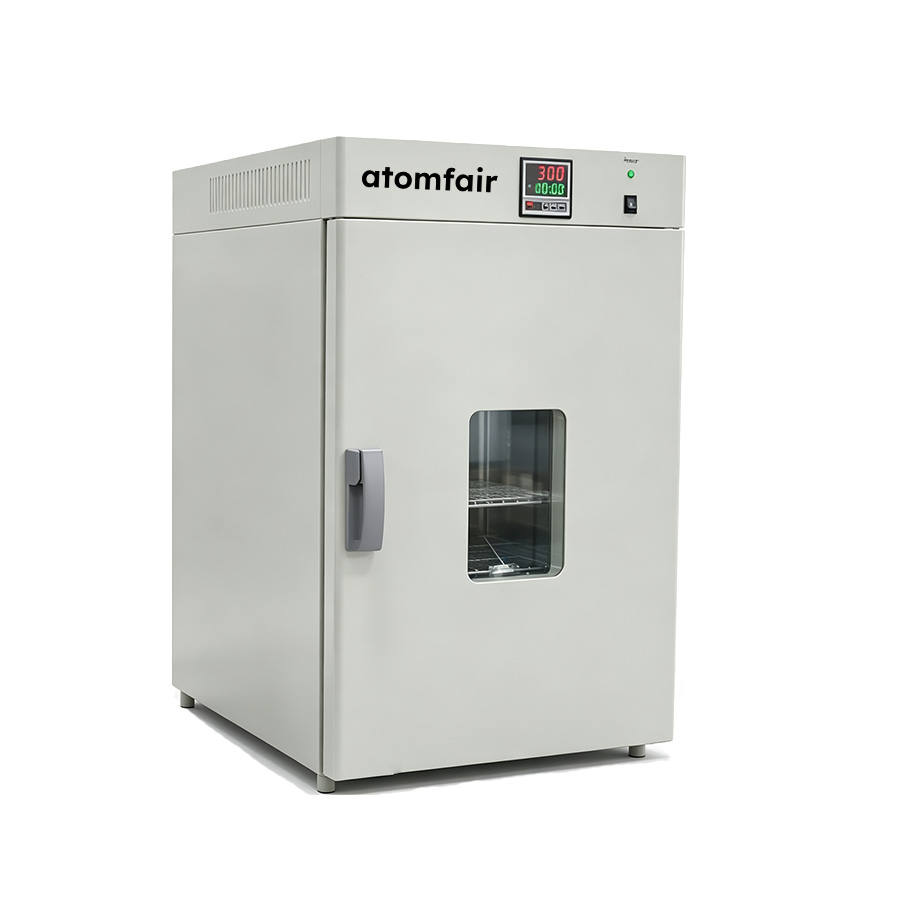
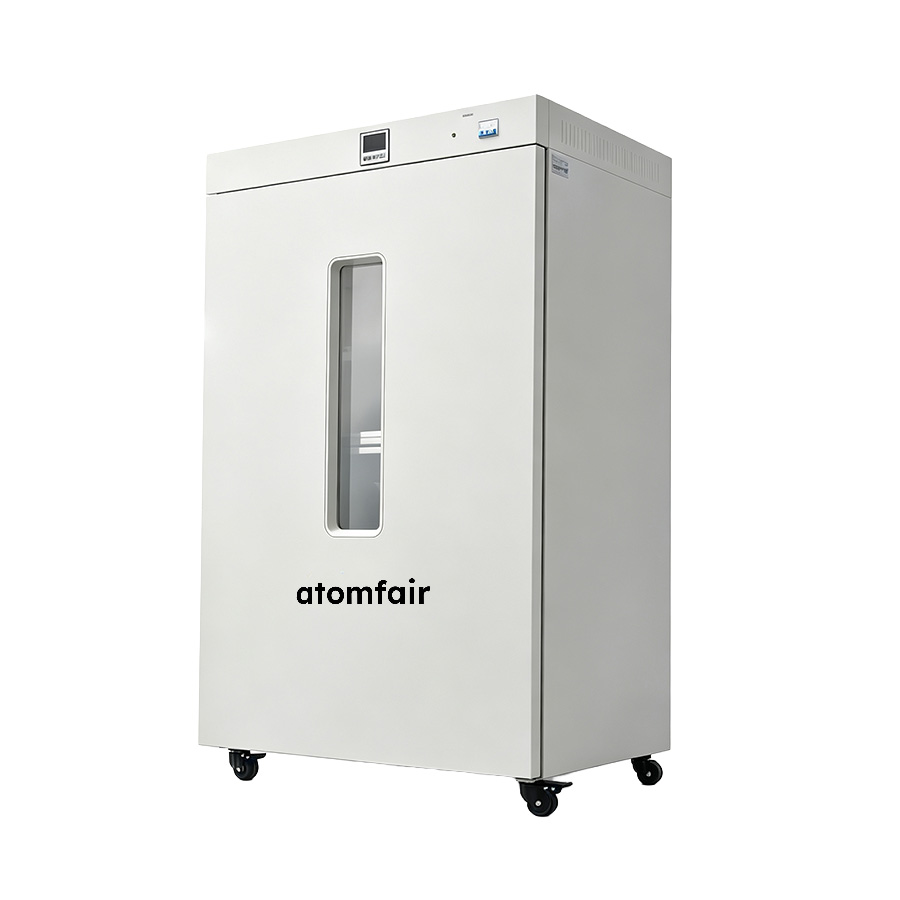
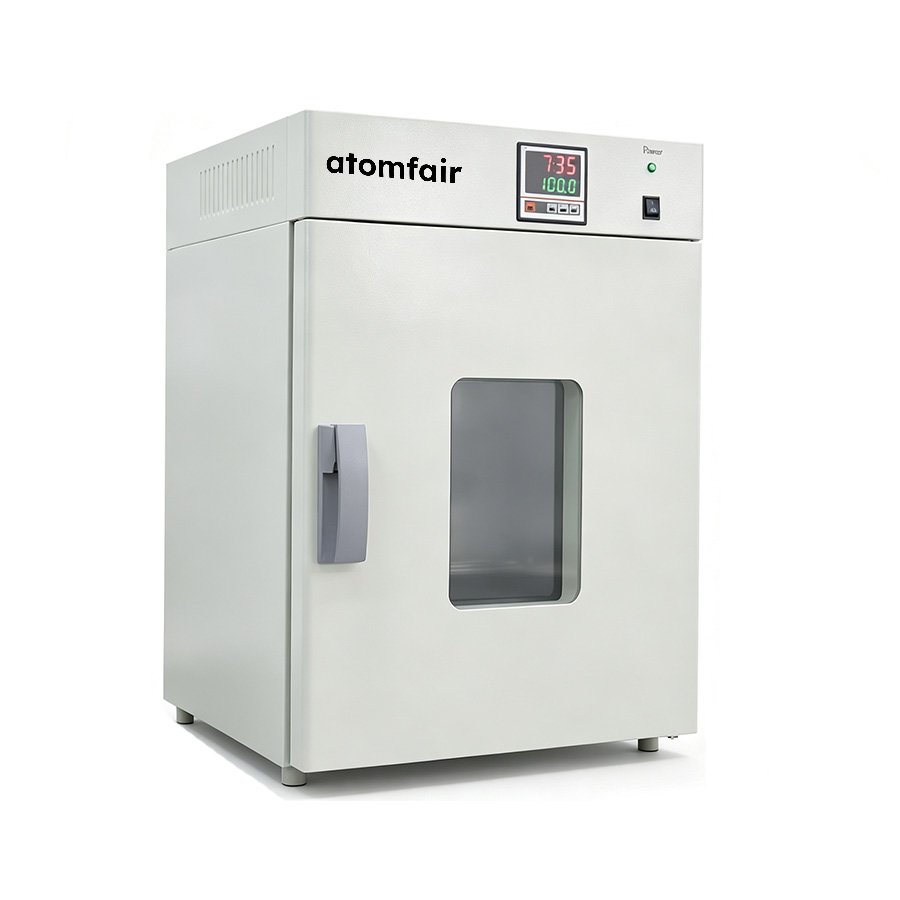
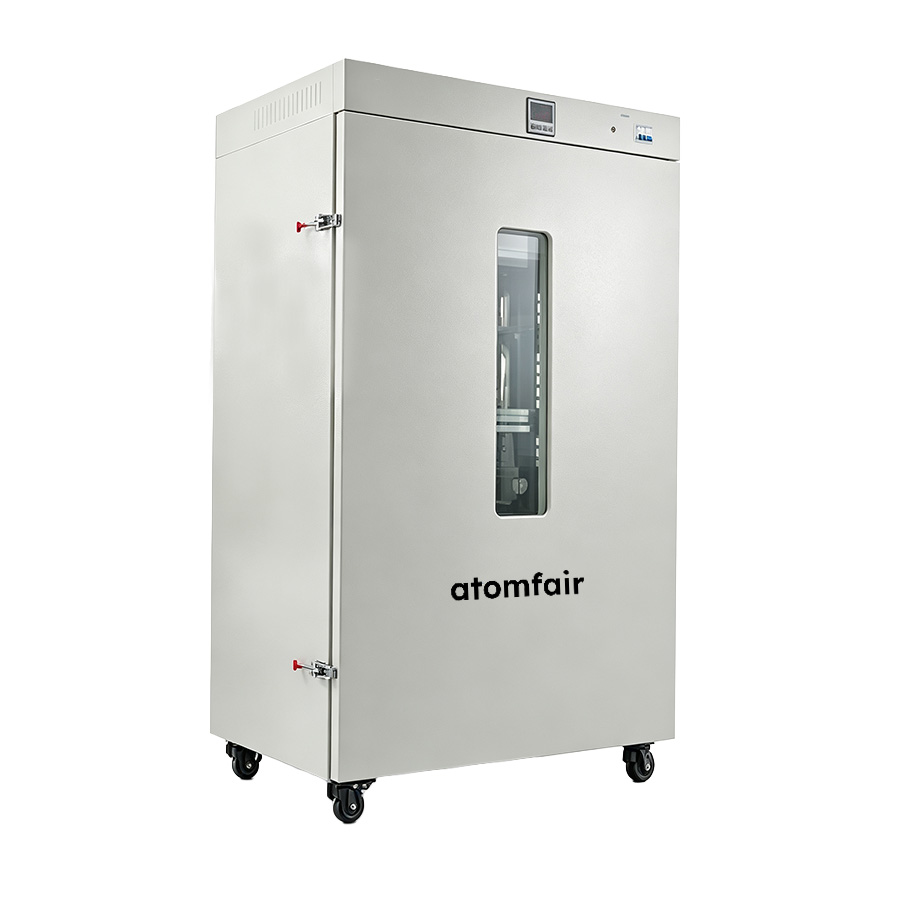
420L `Vertical Electric Forced-Air Drying Oven`
Research-grade laboratory product
|
|||||||||||||||||||||||||||||||||||||||||||
|
|||||||||||||||||||||||||||||||||||||||||||
|
LABORATORY PROCUREMENT SUPPORT
For capacity selection, accessory matching, voltage confirmation or other specification review, contact our technical sales team.
E-MAIL: inquiry@atomfair.com
|
|||||||||||||||||||||||||||||||||||||||||||
|
Supplier: Atomfair
Brand: ATOMFAIR®
|
The oven must be operated within an ambient temperature range of 5 to 40°C to ensure stable performance and component longevity. The supply voltage must be configured to match the installation environment to prevent electrical hazards.
- Ambient Temperature Constraint: Operate the oven only in ambient temperatures between 5°C and 40°C to avoid overheating or inadequate cooling.
- Voltage Matching Requirement: Verify that the power supply voltage matches the oven's rated voltage before connecting to the mains.
- Weight and Surface Rating: Ensure the installation surface can support the gross weight of 180 kg to prevent tipping or structural damage.
Follow these steps to initialize and operate the oven safely for routine drying and heating tasks. Proper handling prevents electrical shock, burns, and equipment damage.
- Power Supply Verification
Verify the power supply voltage matches the oven's rated voltage before connecting the unit. - Placement and Ventilation
Place the oven on a stable surface with adequate clearance for ventilation around the cabinet. - Temperature and Timer Setting
Set the desired temperature and timer using the control panel, ensuring the setpoint does not exceed the maximum rated temperature of 250°C. - Preheating with Forced Air
Allow the oven to preheat with forced-air circulation until the chamber temperature stabilizes and the setpoint is reached. - Sample Loading
Load samples onto the removable shelves, avoiding overloading or blocking the airflow paths. - Process Monitoring
Monitor the process through the viewing window and avoid opening the door unnecessarily to maintain temperature uniformity.
Does the 420 L vertical electric blast drying oven maintain ≤0.5°C stability across the entire 600 x 550 x 1300 mm chamber at 250°C?
Yes, the oven specifies temperature stability of ≤0.5°C and temperature uniformity of ≤2.0% across the 420 L working volume (600 x 550 x 1300 mm). This means at a set point of 250°C, the maximum spatial variation is ≤5°C, while temporal fluctuation at any single point remains within half a degree. The forced-air circulation design is critical to achieving this uniformity, especially at the upper end of the RT +10°C to 250°C range, where thermal loads are highest.
What are the power supply and installation constraints for the 380 V 4000 W model?
The standard configuration requires a 380 V supply line capable of delivering 4000 W continuous load. The unit draws this rated power during steady-state operation at maximum temperature. The supply voltage is adjustable according to specific regional requirements—this may involve a transformer or rewiring for countries using 220–240 V three-phase or 400 V three-phase systems. Ambient operating temperature must remain between 5°C and 40°C. The outer footprint is 740 x 730 x 1670 mm, and gross weight is 180 kg, so floor loading and benchtop clearance must be verified before installation.
How does the forced-air drying design affect sample placement and temperature uniformity in this 420 L vertical oven?
The vertical blast design uses forced hot-air circulation to reduce thermal stratification common in gravity-convection ovens. The 3 removable shelves (600 x 550 mm each) should be spaced to avoid blocking airflow paths; the manufacturer does not specify maximum shelf loading, but the ≤2.0% uniformity specification depends on unobstructed air movement. Shelves are removable for cleaning or reconfiguration. The viewing window allows visual inspection without opening the door, which helps preserve stable thermal conditions during extended runs up to 9999 minutes.
The 420L vertical electric blast drying oven delivers forced-air circulation with temperature stability of ≤0.5°C and uniformity of ≤2.0%, suitable for routine drying, baking, and heat treatment in laboratory environments, though its 4000W power draw and 180 kg weight require careful facility planning.
Positive
- Forced-Air Circulation for Uniform Heat: The forced-air drying design improves hot-air distribution, helping maintain temperature uniformity of ≤2.0% across the 420L chamber.
- Fine Temperature Control and Stability: With 0.1°C resolution and ≤0.5°C stability, the oven supports repeatable thermal processing for routine drying and heat treatment applications.
Trade-offs
- High Power and Weight Requirements: The 4000 W rated power and 180 kg gross weight require dedicated electrical infrastructure and floor loading assessment, making installation less flexible than smaller benchtop ovens.
- Limited Ambient Temperature Range: The oven operates reliably only in ambient conditions of 5–40°C, and the usable temperature range starts at RT+10°C, precluding sub-ambient or near-ambient tasks.
Every advanced material, component, equipment, and instrument in our catalog is backed by rigorous testing. We maintain strict internal quality management frameworks and align with CE conformity metrics to deliver transparent, reproducible performance data via our public open-science repository.
To request raw batch performance data, submit formal vendor registration paperwork, or execute a fast-turnaround R&D manufacturing loop, contact us at inquiry@atomfair.com.
Item is dispatched under the Atomfair Shipping & Delivery Framework (Free worldwide shipping on orders over $59 USD excl. heavy equipment). Return is governed by the Atomfair Return & Refund Policy (7-day technical return window).