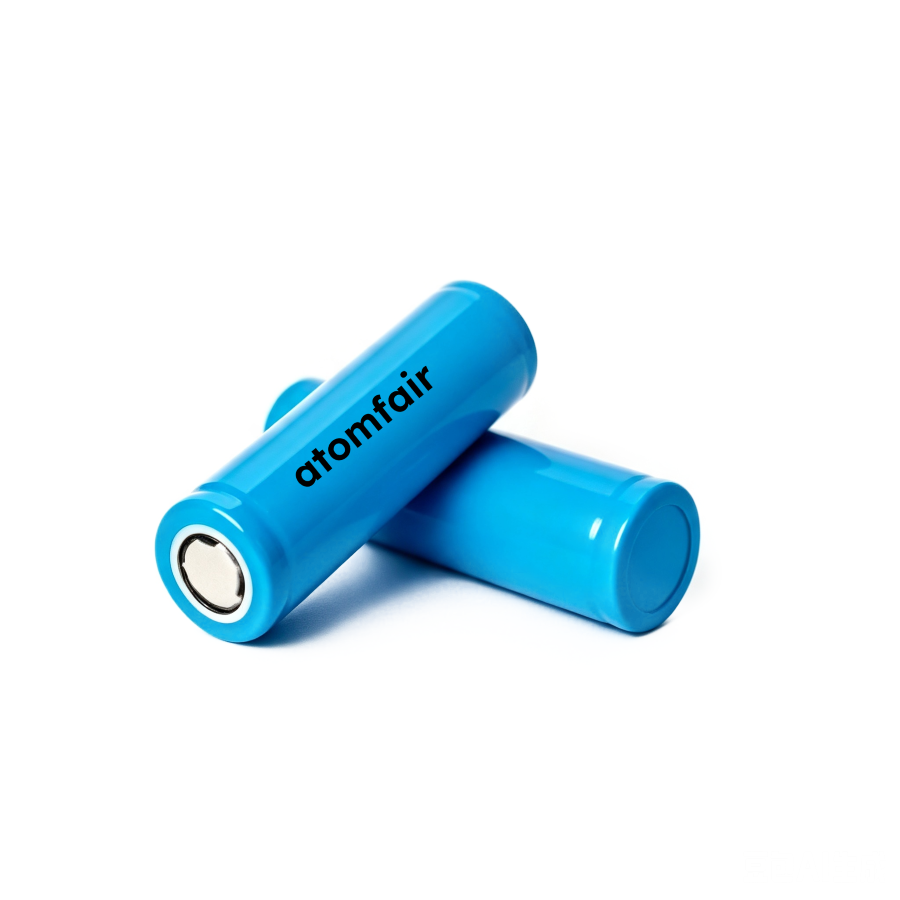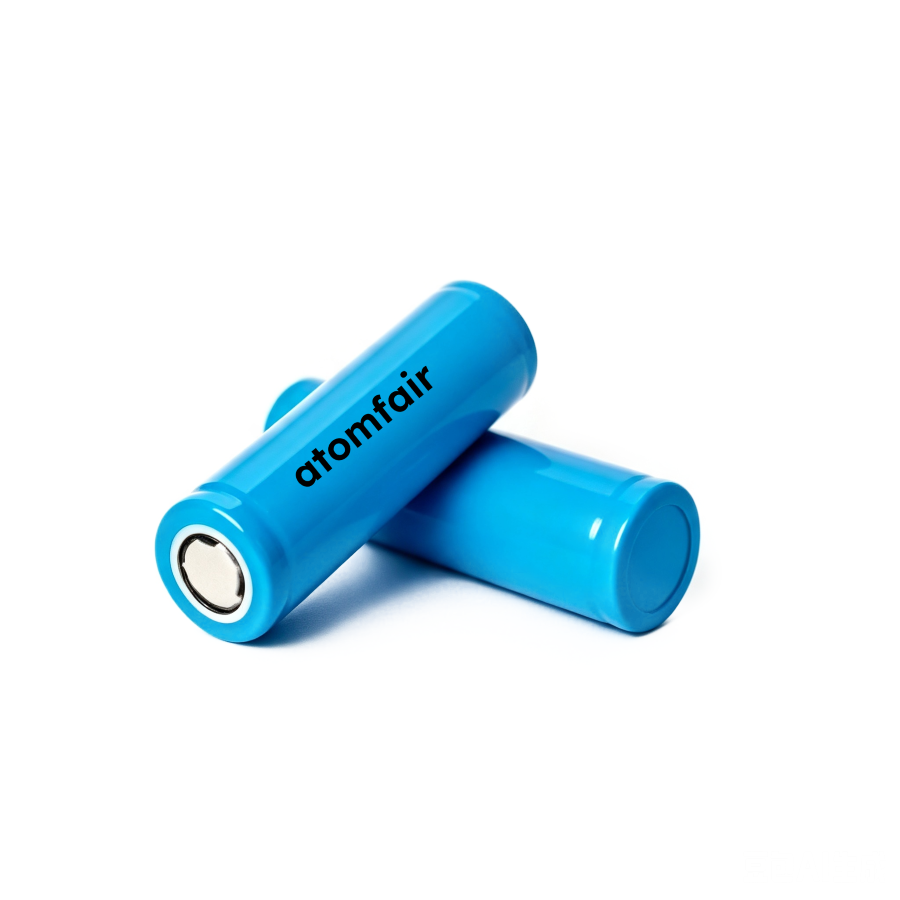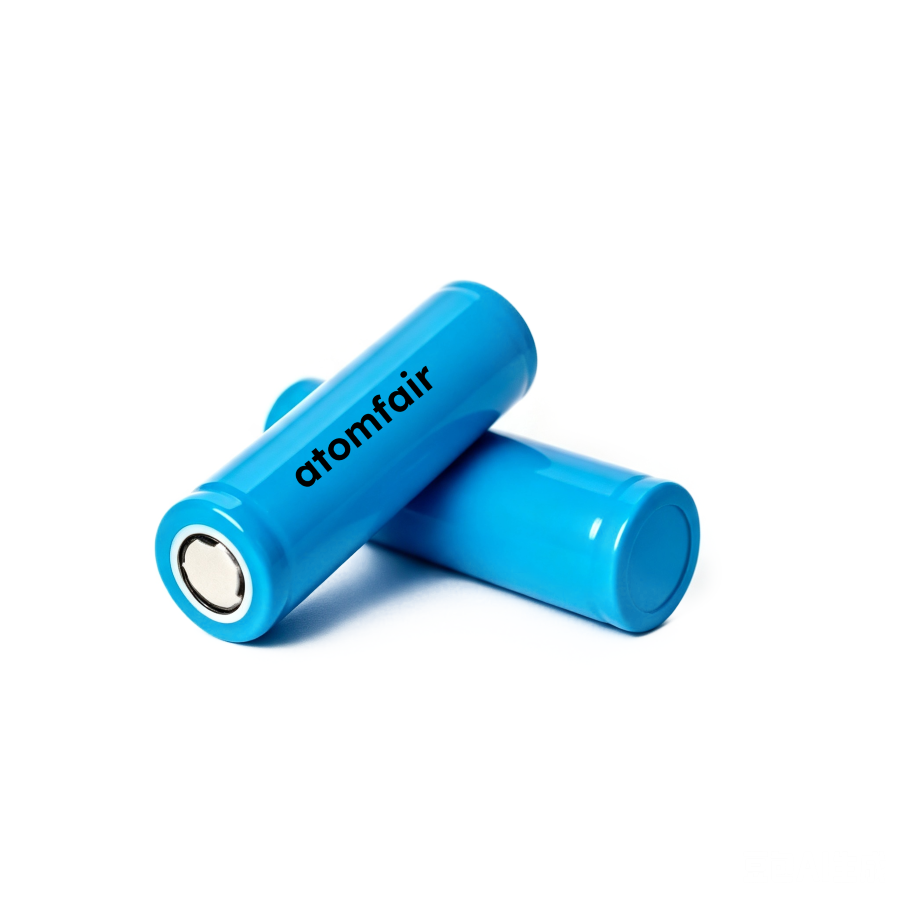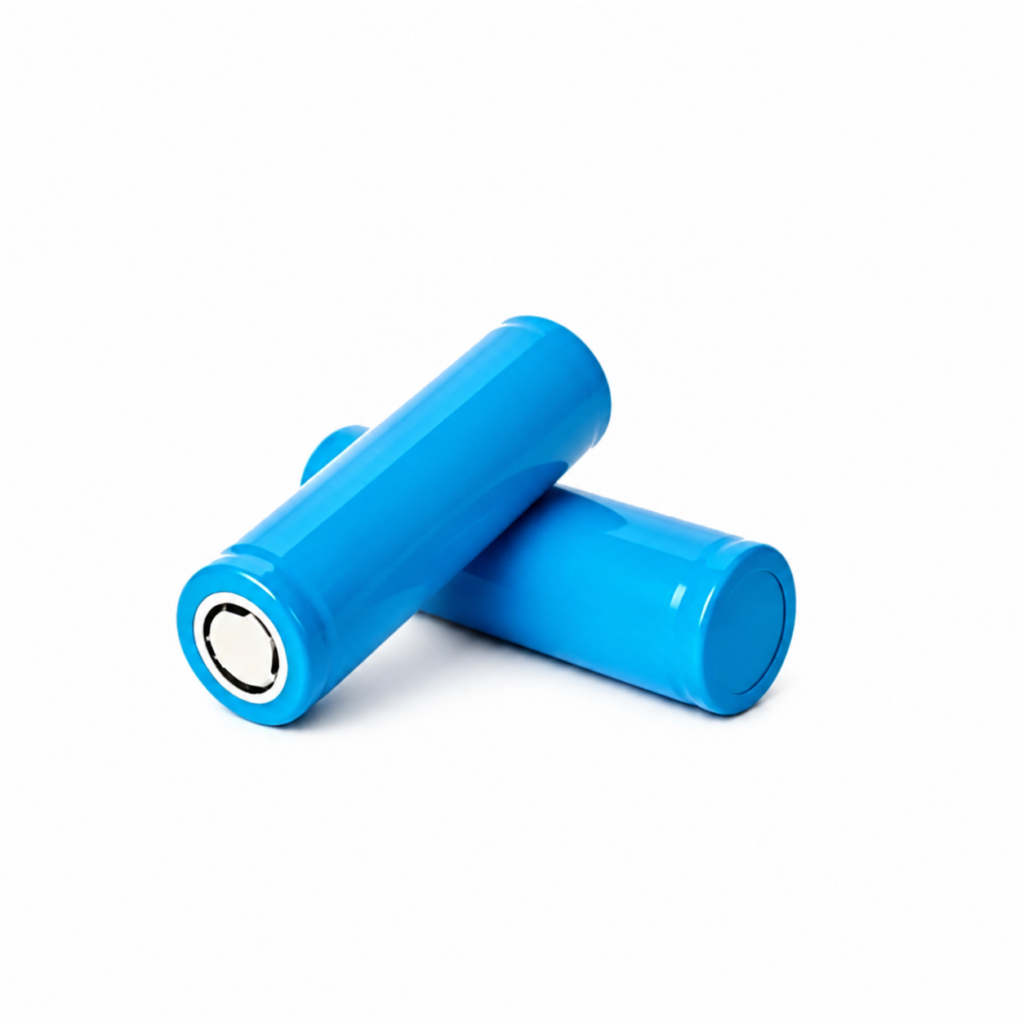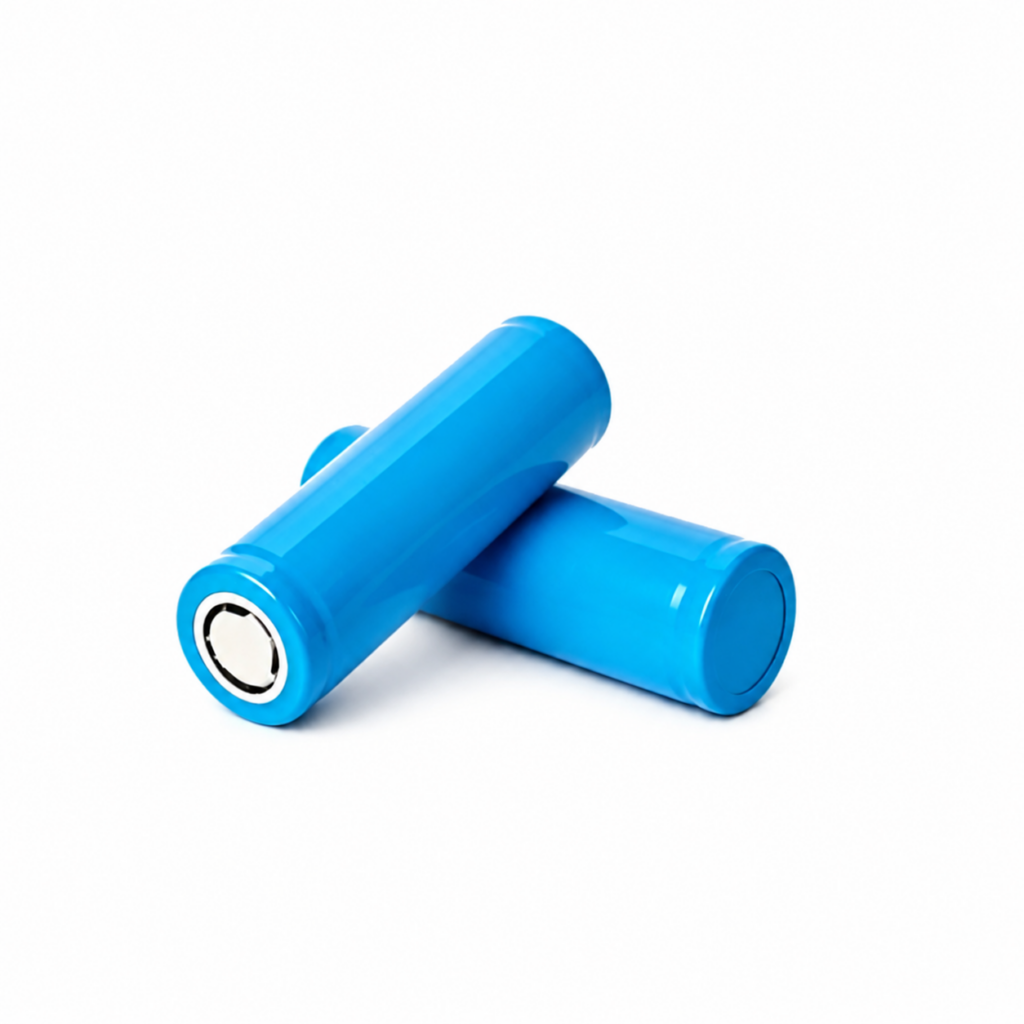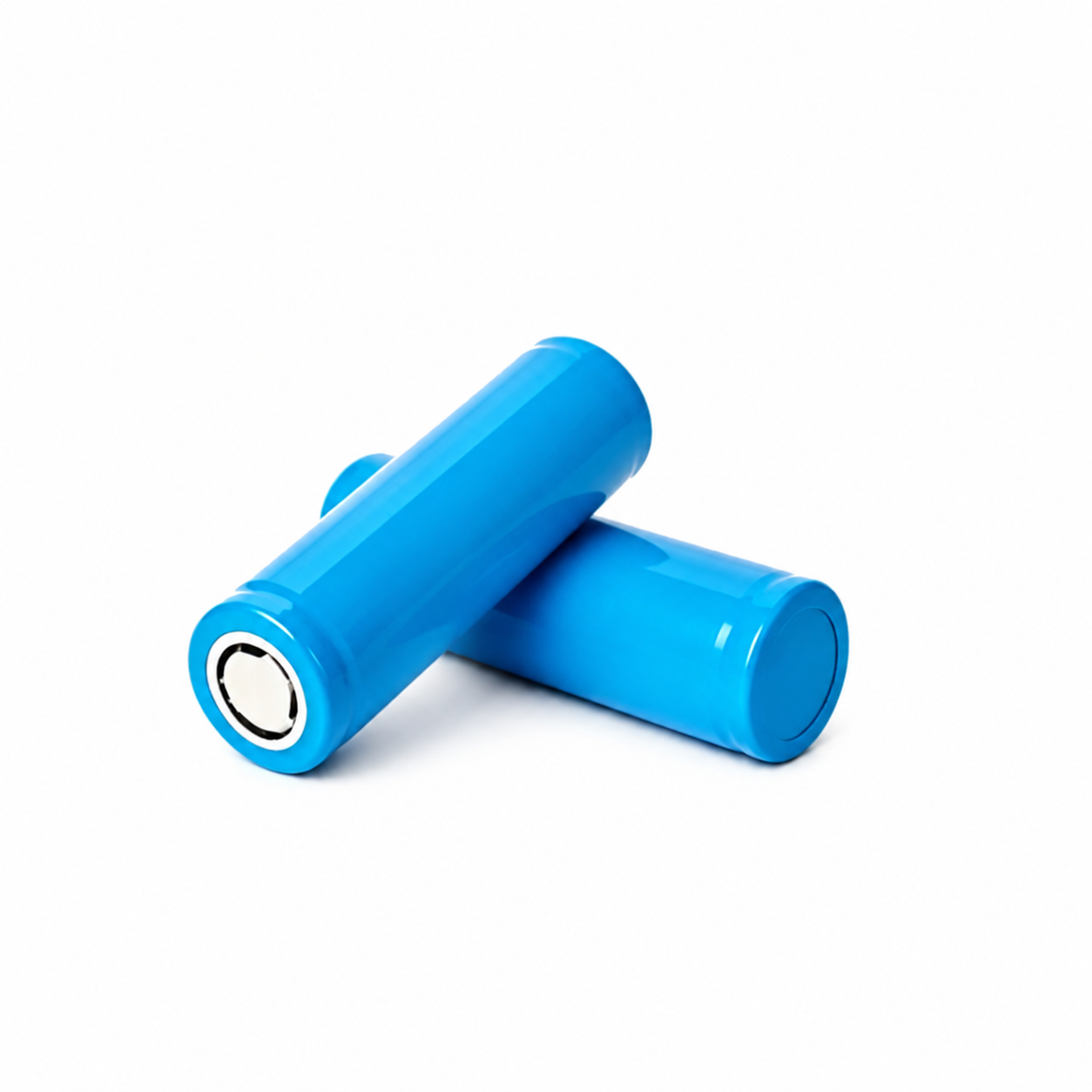
46800 Sodium-ion Cylindrical Battery Series (4-Pack)COMMERCIAL GRADE · PRODUCTION
|
||||||||||||||||||||||||||||||||
|
||||||||||||||||||||||||||||||||
|
TAILORED SOLUTIONS FOR RESEARCH
Contact our engineering team for technical support or official institutional quotations.
EMAIL: inquiry@atomfair.com
|
||||||||||||||||||||||||||||||||
|
Manufacturer: Atomfair LLC
Brand: ATOMFAIR®
|
||||||||||||||||||||||||||||||||
Sodium-ion cells are highly moisture-sensitive and must be stored in environments below 10% relative humidity or within an argon glovebox prior to activation. Use only sodium-ion-specific electrolyte to avoid compatibility failures; do not intermix with lithium-ion battery systems.
- Moisture Sensitivity: Store cells exclusively in <10% RH environment or an argon glovebox to prevent degradation from atmospheric moisture before first activation.
- Electrolyte Compatibility: Use only electrolyte formulations designed for sodium-ion chemistry to avoid adverse chemical reactions or performance loss.
- System Isolation: Do not mix sodium-ion cells with lithium-ion battery systems in the same assembly to prevent mismatched voltage profiles and safety hazards.
These steps cover initial inspection, pre-activation storage, and safe electrical connection of the 46800 sodium-ion cells. Proper handling preserves cell performance and prevents moisture ingress.
Required Equipment: Argon glovebox or dry room (<10% RH), Sodium-ion-specific electrolyte, Insulated battery connector tools
- Inspect Packaging
Inspect the sealed moisture-barrier packaging for any tears or damage before opening to confirm the cells have not been exposed to ambient humidity. - Transfer to Controlled Environment
Transfer the unopened boxes immediately into an argon glovebox or a room maintained below 10% relative humidity for storage. - Prepare Electrolyte
Prepare only sodium-ion-specific electrolyte per manufacturer instructions, ensuring no cross-contamination with lithium-ion electrolyte residues. - Connect Cells
Connect cells using properly insulated tools in series or parallel configurations, confirming voltage polarity matches the target system design.
What is the performance trade-off between the AF46800NA01 and AF46800NA02 variants of the 46800 sodium-ion cell?
The AF46800NA01 (8 Ah, 233 g) is optimized for high-rate applications with 15C continuous discharge and >3000 cycles at 70% capacity retention, while the AF46800NA02 (10 Ah, 268 g) prioritizes energy density with a 6C discharge rate and >2500 cycles. The trade-off is between power capability and runtime, with the high-rate variant supporting UPS and power tools and the high-energy variant better suited for stationary storage.
How does the voltage window of sodium-ion cells affect integration into existing battery systems?
The 46800 sodium-ion cells operate from 1.5V to 3.9V, with nominal voltages of 2.9V (AF46800NA01) and 3.0V (AF46800NA02), which is lower than typical lithium-ion cells. This wider voltage window enables higher system voltage with fewer cells in series, but requires compatible BMS and charging algorithms designed for sodium-ion chemistry. The manufacturer explicitly warns against mixing with lithium-ion systems, as electrolyte and voltage management differ.
What are the critical storage conditions for sodium-ion cells to prevent degradation?
Sodium-ion cells are highly moisture-sensitive and must be stored in a <10% relative humidity environment or an argon glovebox before activation to prevent capacity loss. They are otherwise very safe, with no thermal runaway risk even under nail penetration or overcharge, and pass UL 1642 abuse tests. The cells are shipped in sealed moisture-barrier industrial boxes with cell separators.
The ATOMFAIR 46800 Na-ion cylindrical cell series offers a sustainable alternative to Li-ion with hard carbon anode technology, providing up to 10Ah capacity and 15C discharge rate across two variants, with excellent cold-weather performance and intrinsic safety, but requires strict moisture control during storage and handling.
Positive
- Sustainable sodium-based chemistry: Eliminates reliance on lithium, cobalt, and nickel; fully compatible with existing lithium-ion manufacturing infrastructure.
- Excellent low-temperature performance: Retains >80% capacity at -20°C without external heating, outperforming LFP in cold climates.
Trade-offs
- High moisture sensitivity: Requires storage in <10% RH environment or argon glovebox before activation; moisture exposure can degrade performance.
- Application-specific variant selection: High-rate (15C) variant has lower capacity (8Ah) while high-energy variant (10Ah) has lower discharge rate (6C); trade-off between power and runtime.
Every advanced material, component, equipment, and instrument in our catalog is backed by rigorous testing. We maintain strict internal quality management frameworks and align with CE conformity metrics to deliver transparent, reproducible performance data via our public open-science repository.
To request raw batch performance data, submit formal vendor registration paperwork, or execute a fast-turnaround R&D manufacturing loop, contact us at inquiry@atomfair.com.
Item is dispatched under the Atomfair Shipping & Delivery Framework (Free worldwide shipping on orders over $59 USD excl. heavy equipment). Return is governed by the Atomfair Return & Refund Policy (7-day technical return window).