
Pouch Cell Test Fixtures
Pouch cell test fixtures are designed for pouch cell charge-discharge cycling, life testing, swelling analysis, thickness variation studies, and pressure-controlled experiments. They provide stable, uniform, and adjustable mechanical clamping force to help maintain cell positioning and consistent pressure distribution during testing.
Atomfair offers basic four-corner locking fixtures, three-layer fixtures with pressure-sensing layers, four-layer fixtures for single-cell testing, and five-layer fixtures for parallel testing of multiple pouch cells. Available materials include polypropylene (PP), 5052, 6061-T6 and 7075-T6 aluminum alloys, 304 and 316 stainless steel, and carbon steel.
Standard and customized configurations are available for different cell dimensions, pressure requirements, testing environments, installation spaces, and battery research applications.
Show More: Custom Pouch Cell Test Fixtures
Pouch cell test fixtures can be customized according to the customer’s cell specifications, testing pressure, installation space, and laboratory environment. The fixture material, dimensions, clamping structure, number of layers, layer spacing, pressure range, sensor configuration, and mounting method can all be adapted to specific requirements.
Customized fixtures are suitable for:
- Non-standard pouch cell dimensions;
- Large-format or thick pouch cells;
- Parallel testing of multiple cells;
- Testing systems that require pressure sensors;
- Glovebox or environmental chamber operation;
- High-temperature, low-temperature, or corrosive environments;
- Special mounting holes and equipment interfaces;
- Specific pressure ranges and cycling requirements.
Before customization, customers are encouraged to provide the cell length, width, thickness, tab position, required clamping force, number of cells, test environment, and available installation space.
1. Fixture Structure Options
| Fixture Structure | Main Features | Typical Applications |
|---|---|---|
| Basic Four-Corner Locking Fixture | Four-corner screw locking with spring buffering | Standard pouch cell cycling tests |
| Three-Layer Sensor Fixture | Integrated pressure-sensing layer with external signal connection | Real-time monitoring of clamping or swelling pressure |
| Four-Layer Test Fixture | Parallel stacked-plate structure, generally for one cell | Single-cell cycling and controlled pressure validation |
| Five-Layer Test Fixture | Multi-layer structure for parallel cell testing | Multi-cell comparison and higher testing throughput |
| Custom Fixture Structure | Designed according to cell and equipment requirements | Non-standard cells and specialized testing systems |
2. Material Selection
| Material | Main Characteristics | Recommended Applications |
|---|---|---|
| PP Polypropylene | Lightweight, electrically insulating, and resistant to electrolyte exposure | Low-pressure testing, glovebox work, and chemically sensitive experiments |
| 5052 Aluminum Alloy | Lightweight with good corrosion resistance | Testing that requires low weight and chemical resistance |
| 6061-T6 Aluminum Alloy | Balanced strength, machinability, and handling convenience | Routine laboratory cycling tests |
| 7075-T6 Aluminum Alloy | High rigidity and load-bearing capability | High-stability testing and applications requiring reduced deflection |
| 304 Stainless Steel | High rigidity, durability, and non-magnetic construction | General-purpose high-strength testing |
| 316 Stainless Steel | Enhanced resistance to corrosive environments | Electrolyte leakage, immersion, and long-duration testing |
| Carbon Steel | High structural rigidity and suitability for heavy loads | High-pressure and cost-sensitive testing |
| Custom Materials | Selected according to pressure, temperature, corrosion, and insulation requirements | Special laboratory environments and dedicated equipment |
If standard materials do not meet the testing requirements, other suitable metals or engineering plastics may be evaluated according to the customer’s application.
3. Pressure and Size Selection
The current product range includes configurations from low-pressure to high-load testing. The actual pressure range depends on the fixture material, dimensions, layer structure, spring configuration, and pouch cell specifications.
Customers should confirm the following parameters:
- Standard working pressure;
- Maximum design load;
- Cell thickness variation range;
- Fixture plate dimensions;
- Cell length and width;
- Number of cells tested simultaneously;
- Whether pressure sensing is required;
- Whether customized layer spacing is required.
For non-standard pouch cells, the fixture length, width, thickness clearance, plate structure, and layer spacing can be designed according to customer drawings or cell specifications.
4. Customization Options
| Customization Item | Available Customization |
|---|---|
| Material | PP, aluminum alloy, stainless steel, carbon steel, or other suitable materials |
| Overall Dimensions | Fixture length, width, height, and plate dimensions |
| Cell Compatibility | Cell length, width, thickness, expansion allowance, and tab position |
| Clamping Pressure | Standard pressure, maximum load, and spring-buffer range |
| Number of Layers | Basic, three-layer, four-layer, five-layer, or dedicated structures |
| Sensor Function | Pressure-sensing layer, sensor interface, and external connection method |
| Mounting Method | Mounting holes, fixing method, and equipment interfaces |
| Electrical Insulation | Insulating layers, surface treatment, and isolation structures |
| Operating Environment | Glovebox, environmental chamber, high humidity, corrosive, or special-temperature environments |
| Batch Configuration | Prototype, small-batch testing, or multiple fixtures with unified specifications |
All customized designs should be technically confirmed before production based on the customer’s cell dimensions, required pressure, testing environment, and equipment interface.
5. Typical Applications
- Pouch cell charge-discharge cycling;
- Battery life and rate-performance testing;
- Cell swelling and thickness variation studies;
- Research on pressure and electrochemical performance;
- Comparison of electrode and electrolyte systems;
- Parallel testing of multiple pouch cells;
- Battery testing inside gloveboxes;
- High- and low-temperature testing inside environmental chambers;
- Electrolyte leakage and corrosion-environment testing;
- Integration with customized battery testing equipment.
Frequently Asked Questions
What is a pouch cell test fixture?
A pouch cell test fixture is a mechanical device used to secure, position, and compress pouch cells during cycling and other battery tests. It provides stable and uniform clamping force throughout the test.
Can pouch cell test fixtures be customized?
Yes. The fixture material, dimensions, structure, number of layers, pressure range, layer spacing, mounting holes, and sensor configuration can be customized according to customer requirements.
Can a fixture be manufactured according to my cell dimensions?
Yes. Customers can provide the cell length, width, thickness, tab position, and expansion allowance. The fixture dimensions and internal structure can then be designed accordingly.
Which material is suitable for my testing application?
PP is suitable for low-pressure, electrically insulating, and electrolyte-resistant applications. Aluminum alloys are suitable for lightweight laboratory fixtures. Stainless steel is suitable for high-rigidity and corrosive environments, while carbon steel is suitable for high-load testing.
What is the purpose of a three-layer pressure-sensing fixture?
A three-layer fixture generally includes a pressure-sensing layer that can be connected to external cables and data-acquisition equipment to monitor pressure changes during testing.
What applications are suitable for five-layer fixtures?
Five-layer fixtures are suitable for parallel testing of multiple pouch cells, comparative cell evaluation, material screening, and applications that require higher testing throughput.
Can the clamping pressure be customized?
Yes. The standard working pressure and maximum design load can be evaluated and customized according to cell dimensions, material system, swelling behavior, and testing requirements.
What information is needed for a customized fixture?
Recommended information includes cell dimensions, thickness variation, tab position, number of cells, target pressure, test temperature, operating environment, installation space, and equipment interface requirements.
Showing 17–29 of 29 results
-
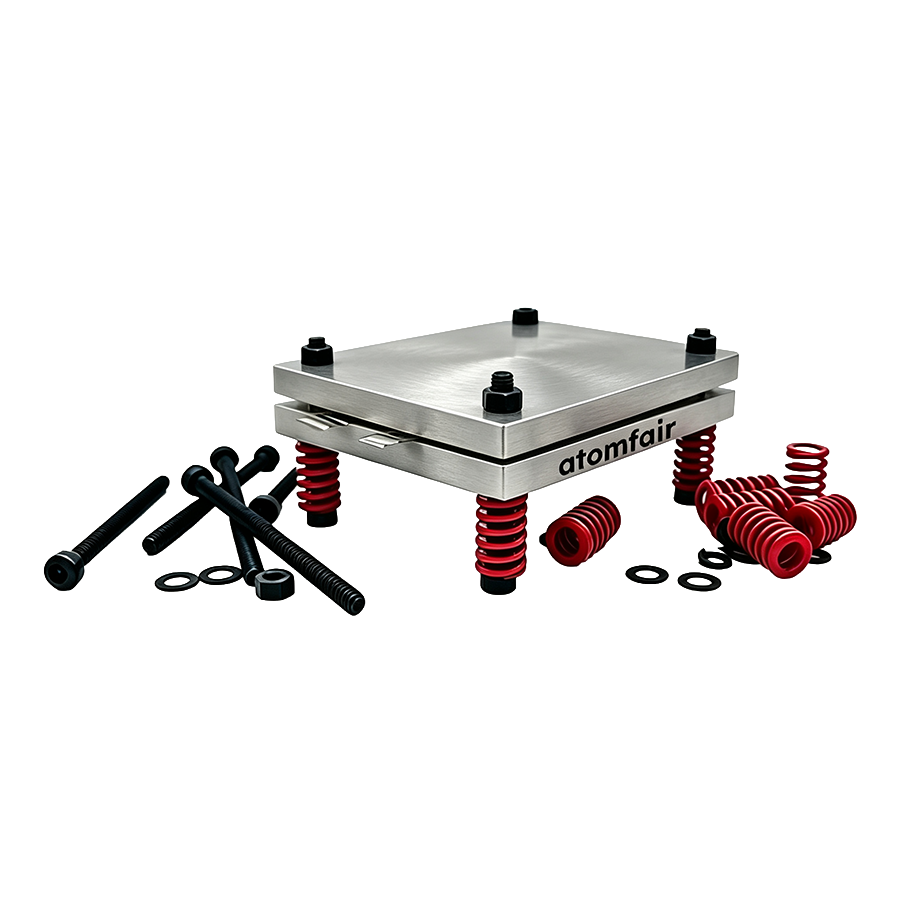
Pouch Cell Battery Test Fixture 300kg 304 Stainless ATMFAIR®
Price range: $207.00 through $266.00 -
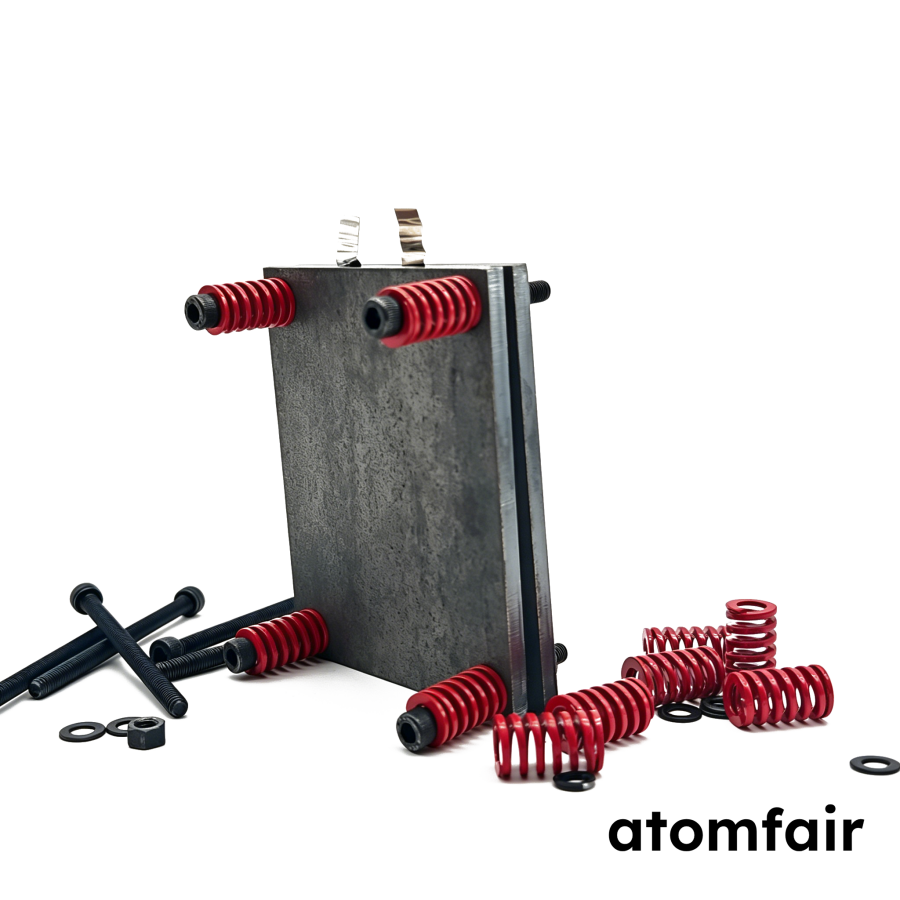
Pouch Cell Battery Test Fixture 6061-T6 250kg ATOMFAIR®
Price range: $193.00 through $219.00 -
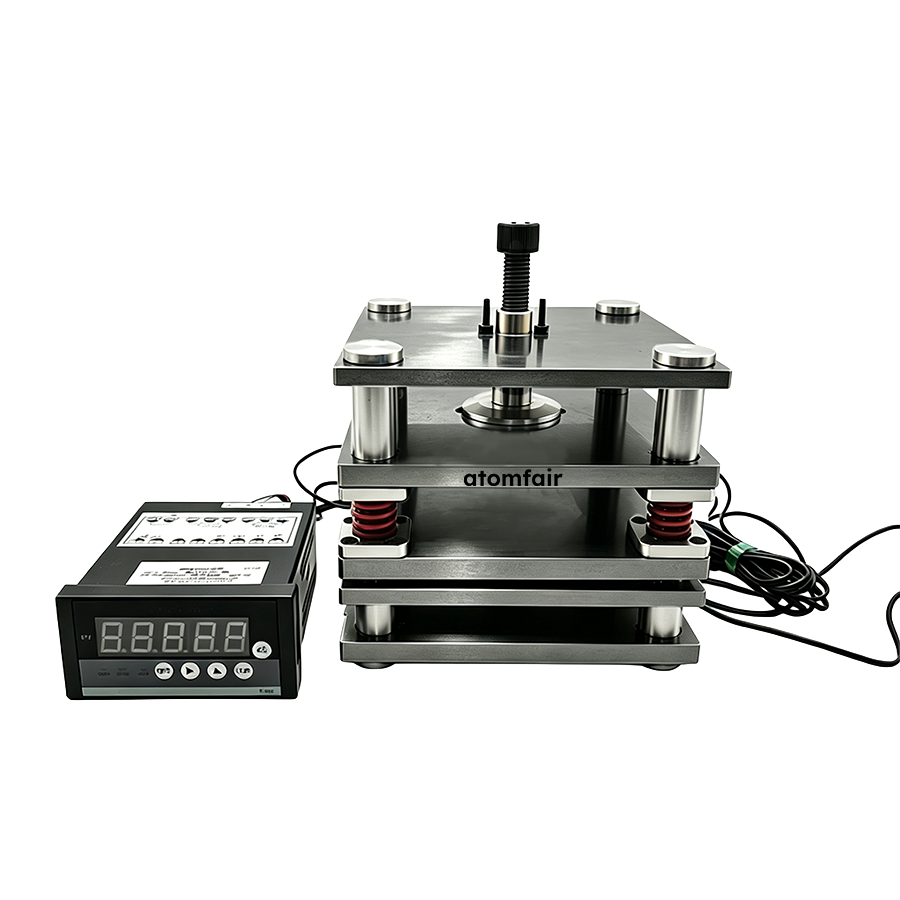
Pouch Cell Cycle Test Fixture 5-Layer 500–800 kg ATOMFAIR®
Price range: $471.00 through $530.00 -
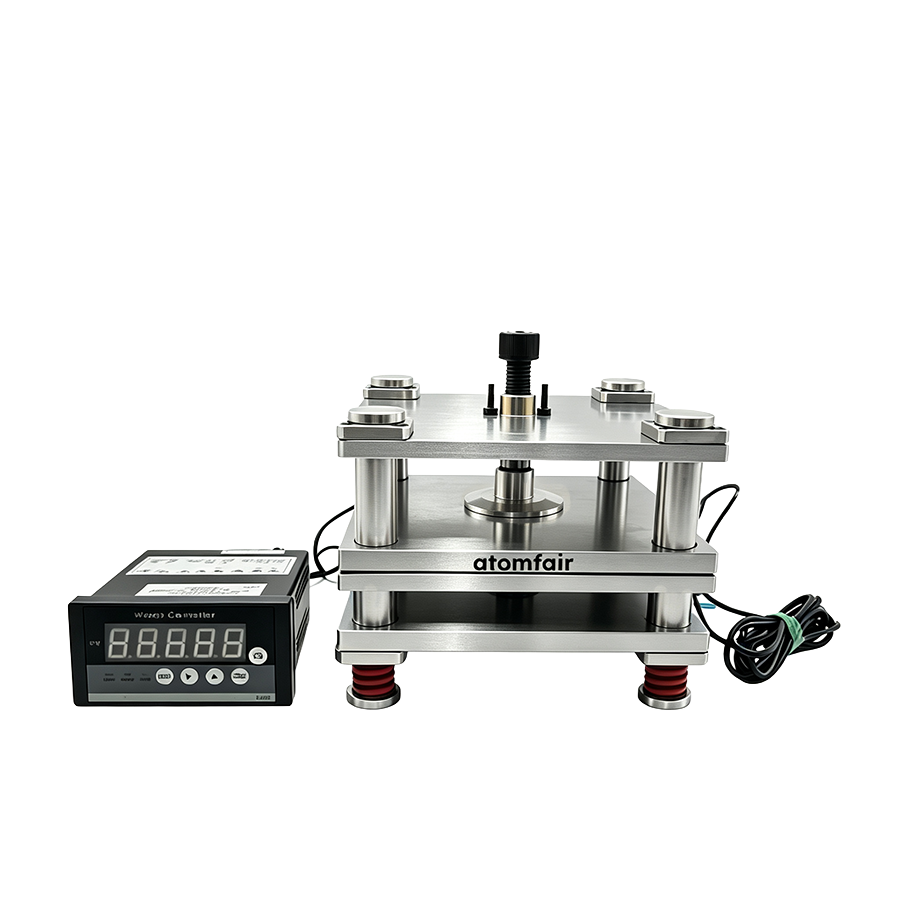
Pouch Cell Cycle Test Fixture 5052 Al 4-Layer ATOMFAIR®
Price range: $460.00 through $487.00 -
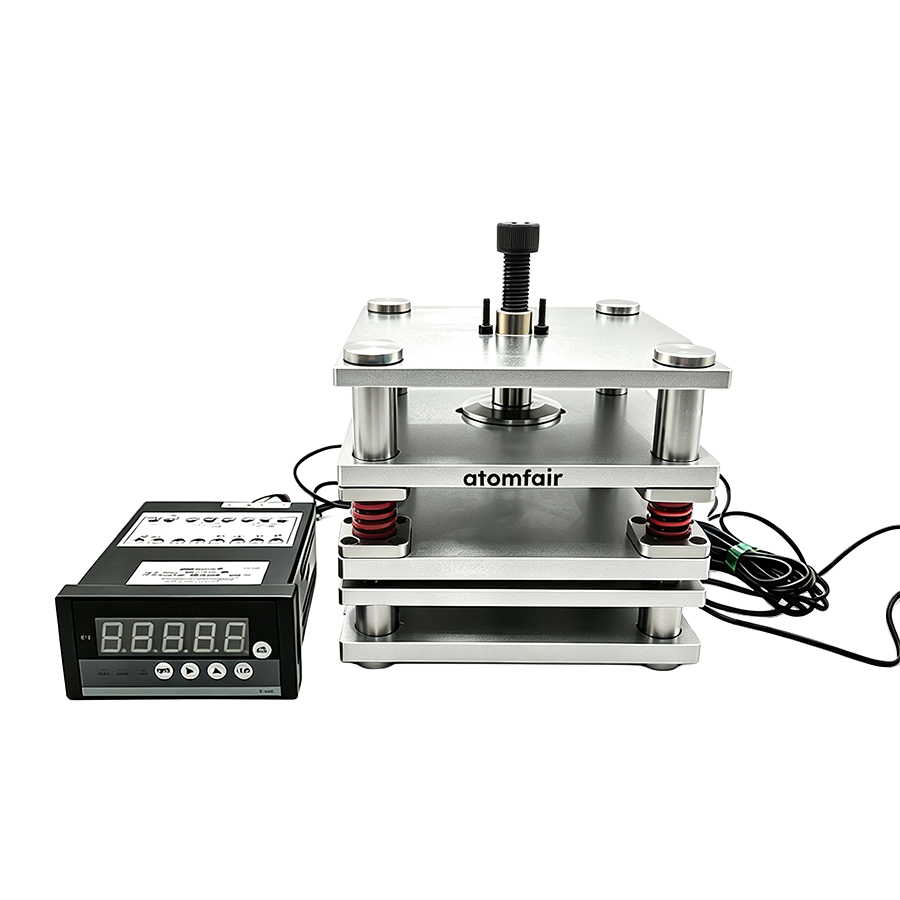
Pouch Cell Cycle Test Fixture 6061AL-5L 350kg ATOMFAIR®
Price range: $464.00 through $501.00 -
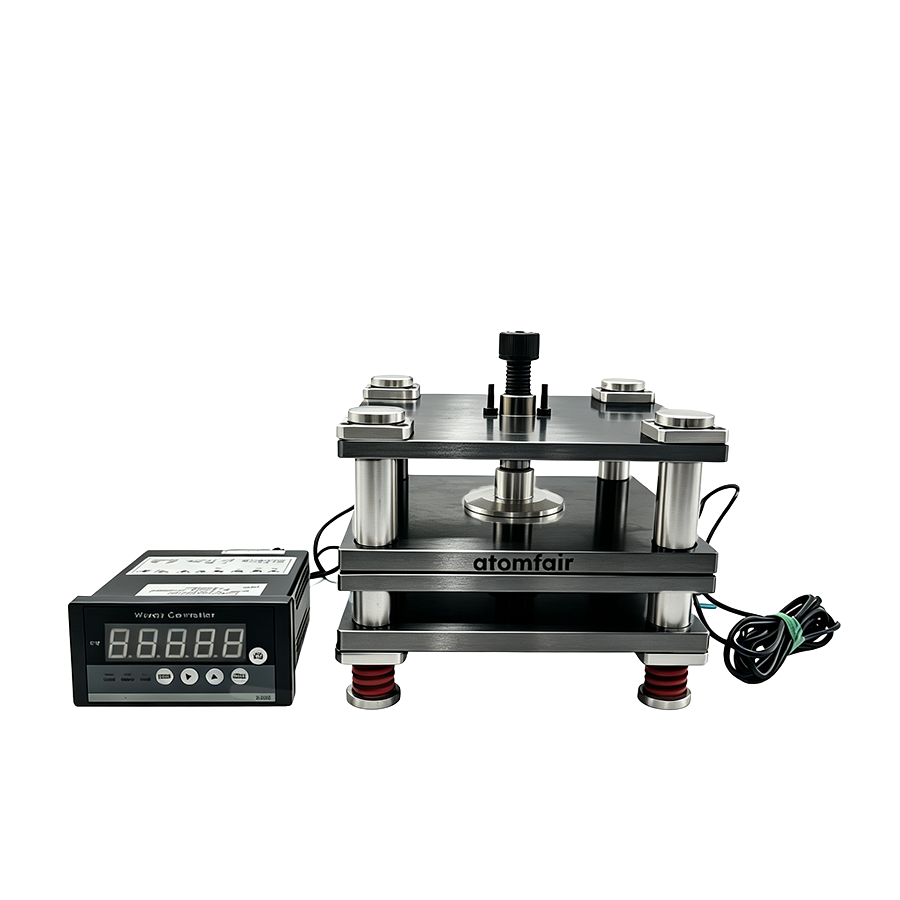
Pouch Cell Cycle Test Fixture ATM-PCBT-CS-4L ATOMFAIR®
Price range: $469.00 through $523.00 -
Pouch Cell Fixture ATM-PCBT-CS 300kg Carbon Steel ATOMFAIR®
Price range: $204.00 through $265.00 -
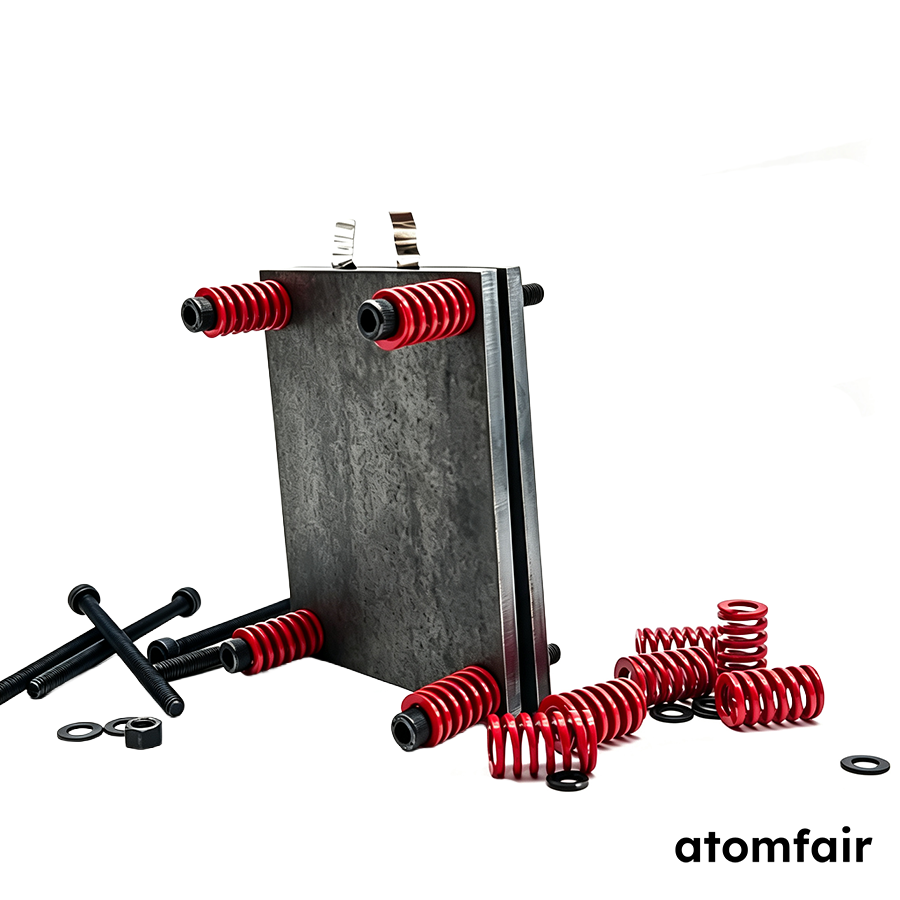
Pouch Cell Test Fixture – 5052 Aluminum Alloy Battery Clamping
Price range: $192.00 through $218.00 -
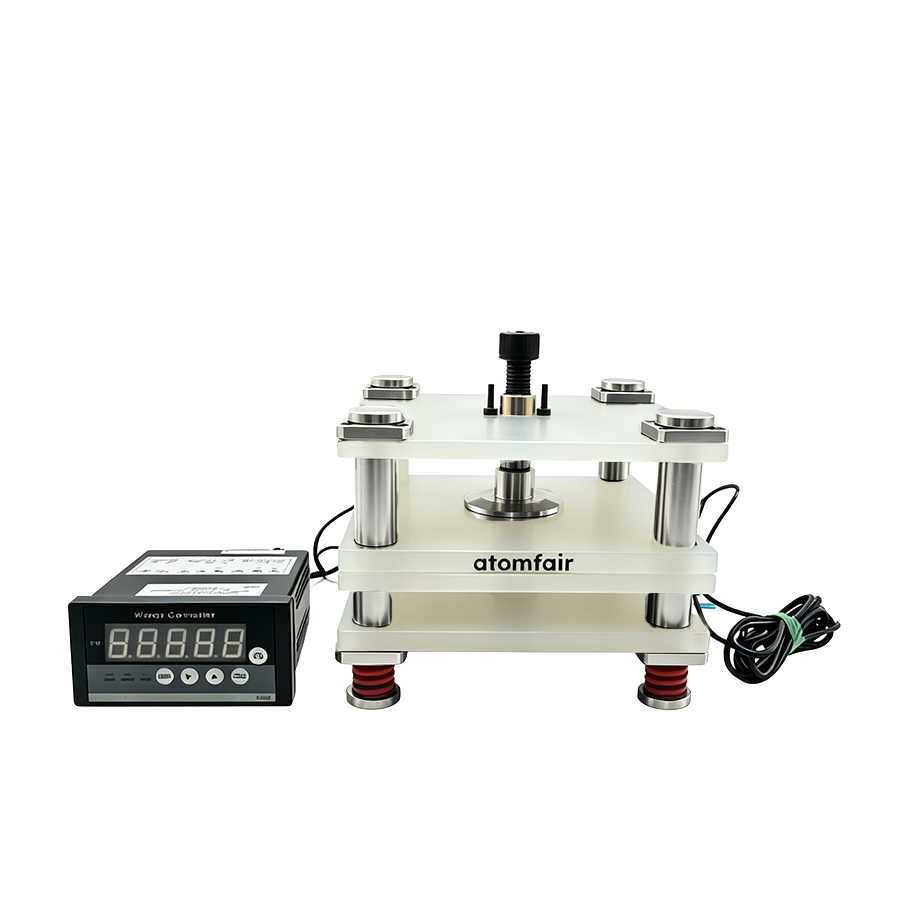
PP 4-Layer Pouch Cell Fixture ATM-PCBT-PP-4L ATOMFAIR®
Price range: $453.00 through $460.00 -
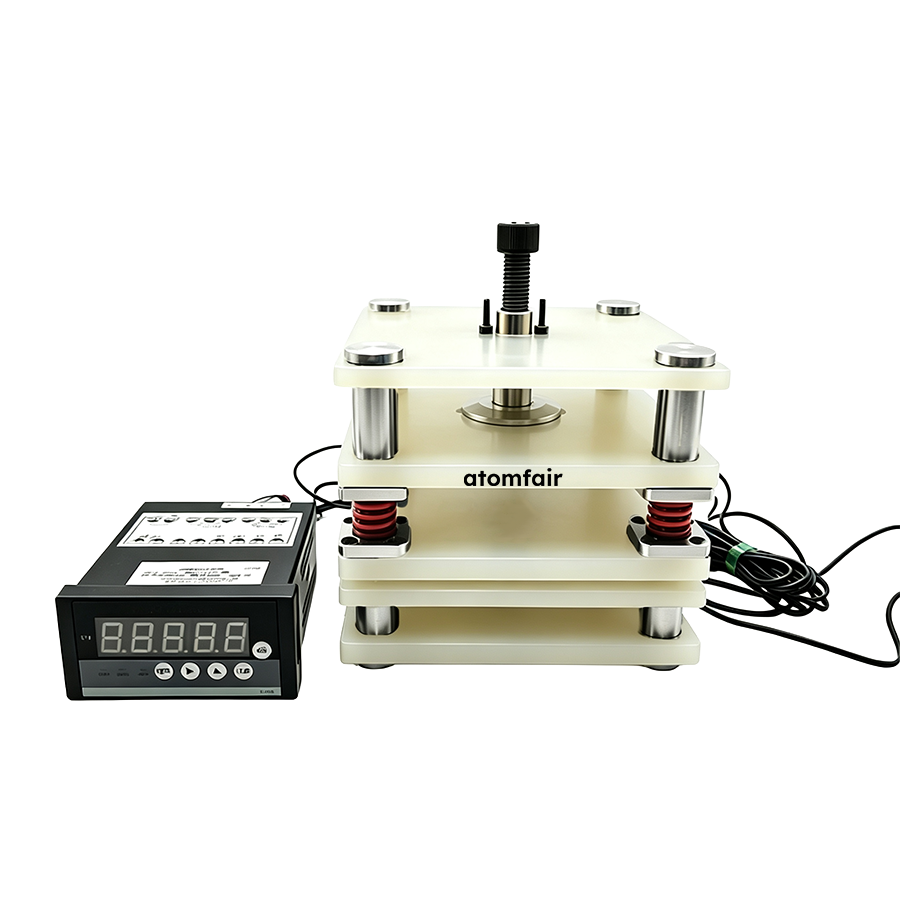
PP Pouch Cell Cycle Test Fixture 5-Layer 80 kg ATOMFAIR®
Price range: $454.00 through $462.00 -
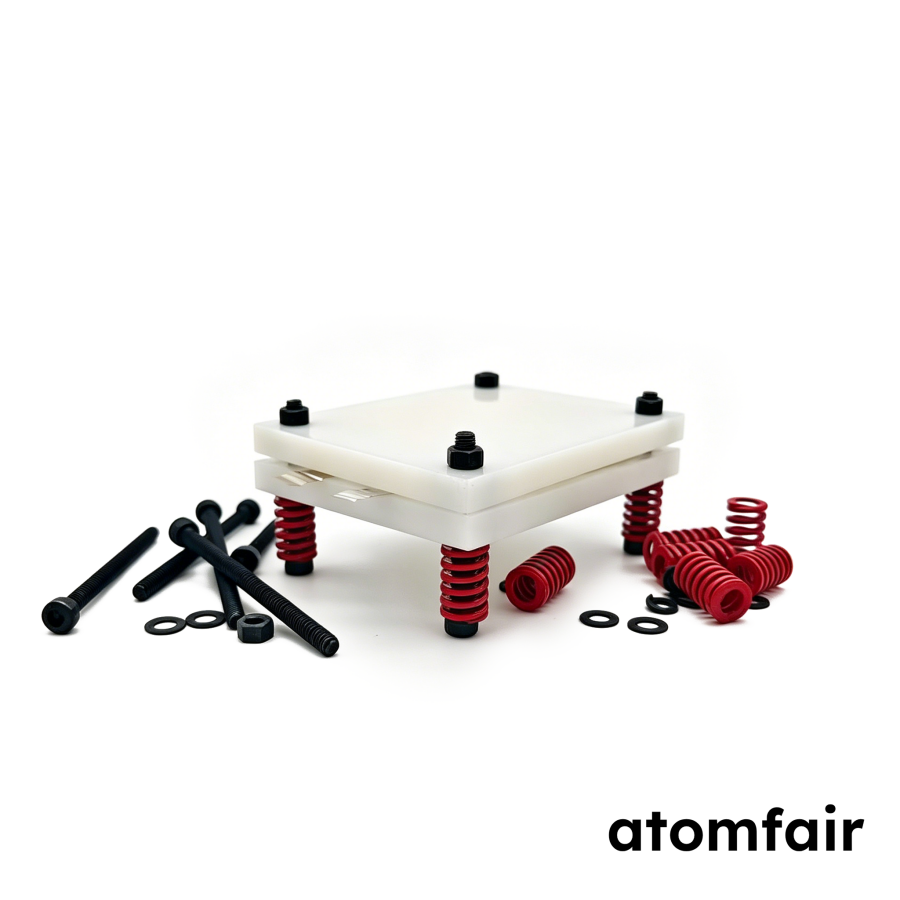
PP Pouch Cell Test Fixture 150kg ATM-PCBT-PP ATOMFAIR®
Price range: $189.00 through $199.00 -
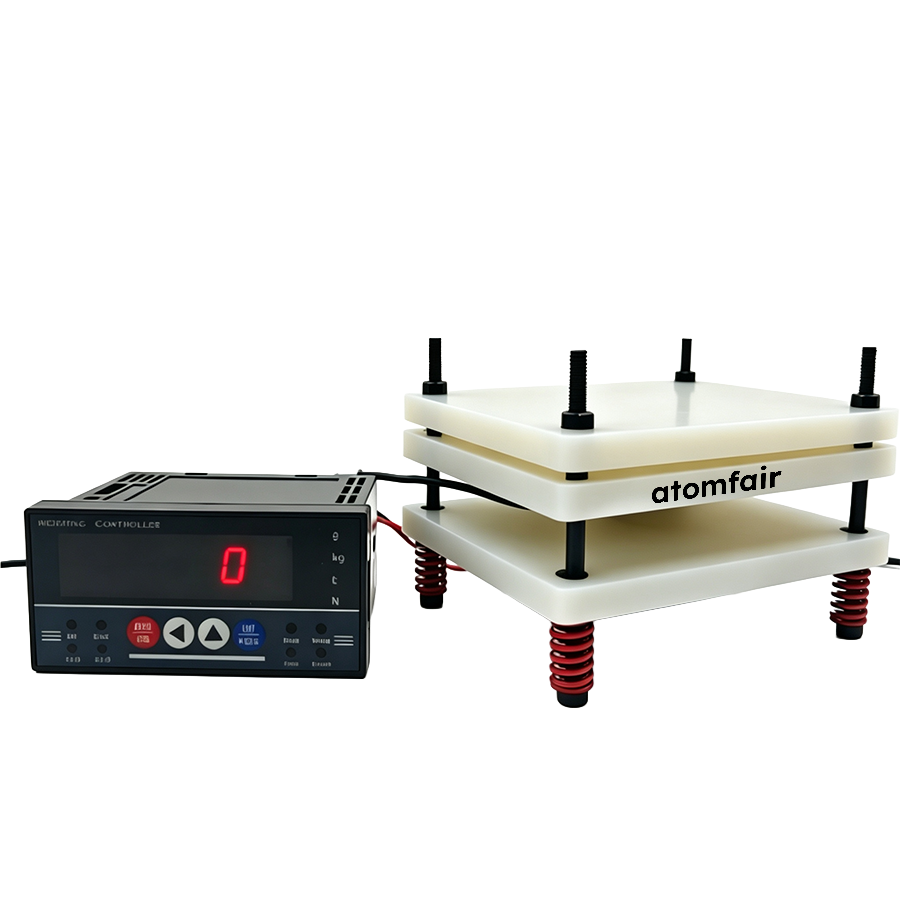
PP Three-Layer Pouch Cell Sensor Fixture 200kg ATOMFAIR®
Price range: $310.00 through $332.00 -
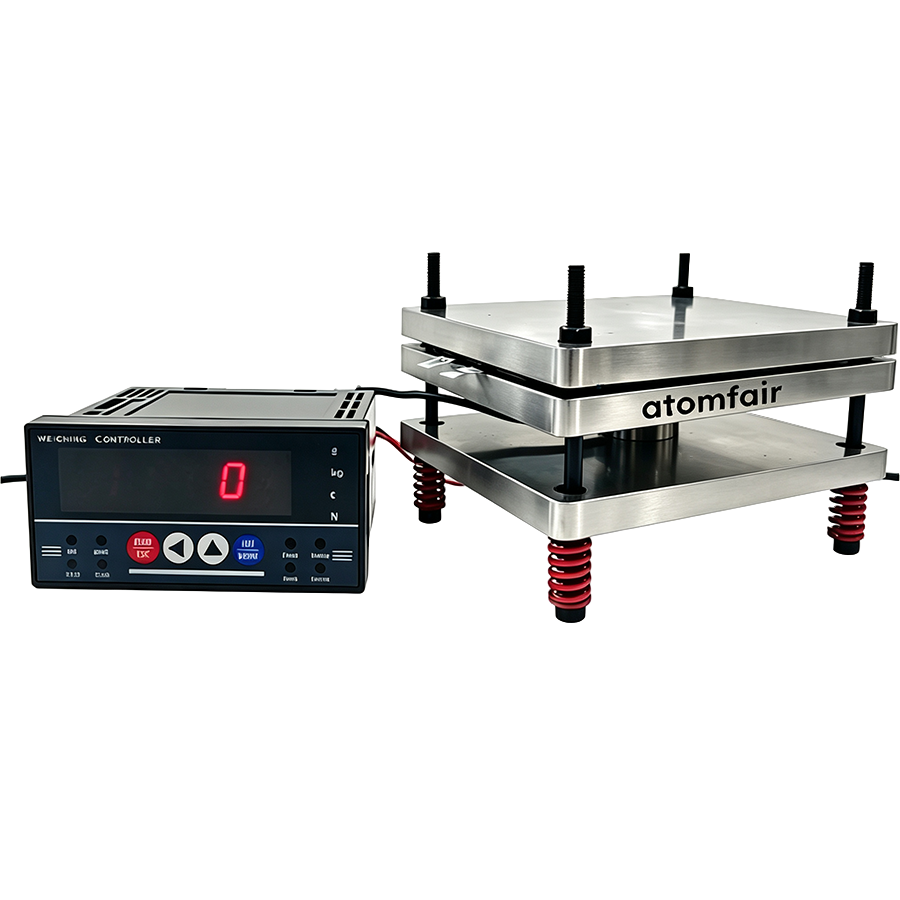
SS304 Pouch Cell Cycle Test Fixture 400–600kg ATOMFAIR®
Price range: $358.00 through $514.00