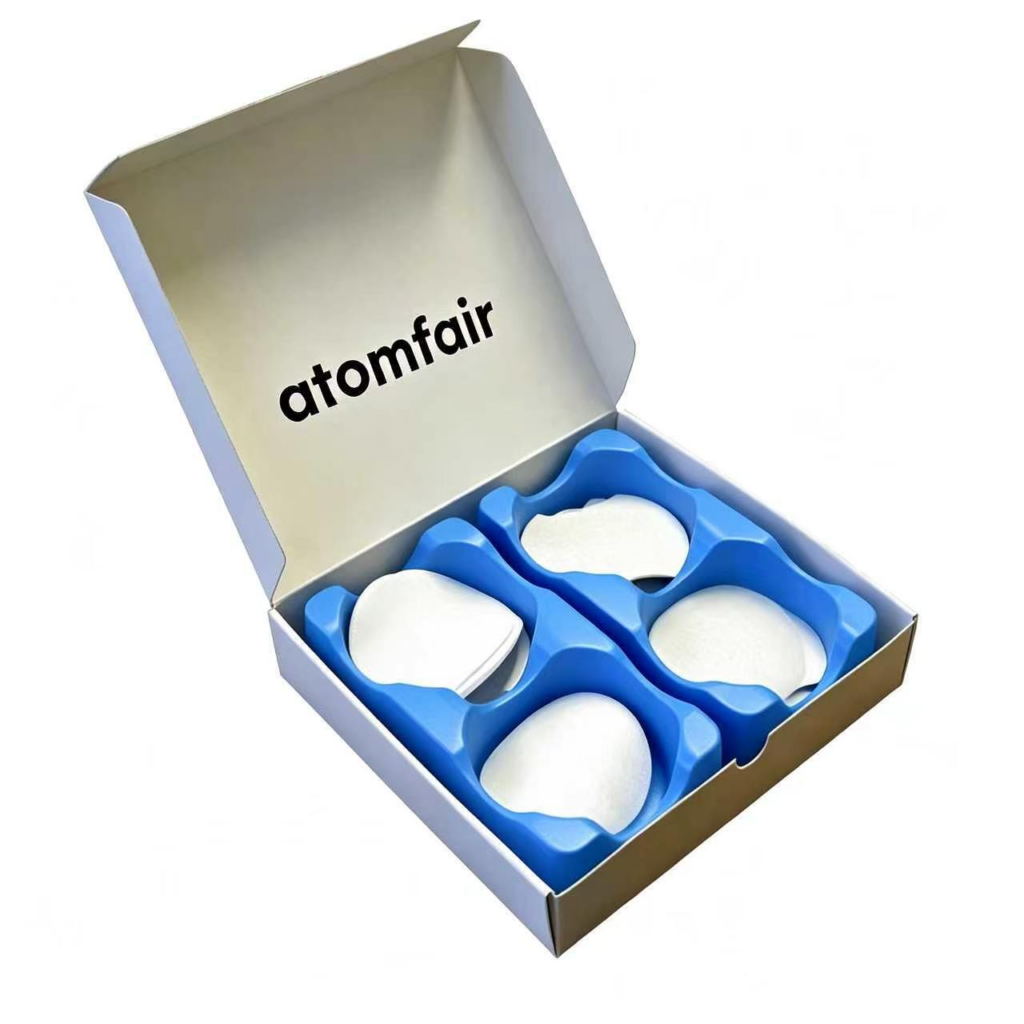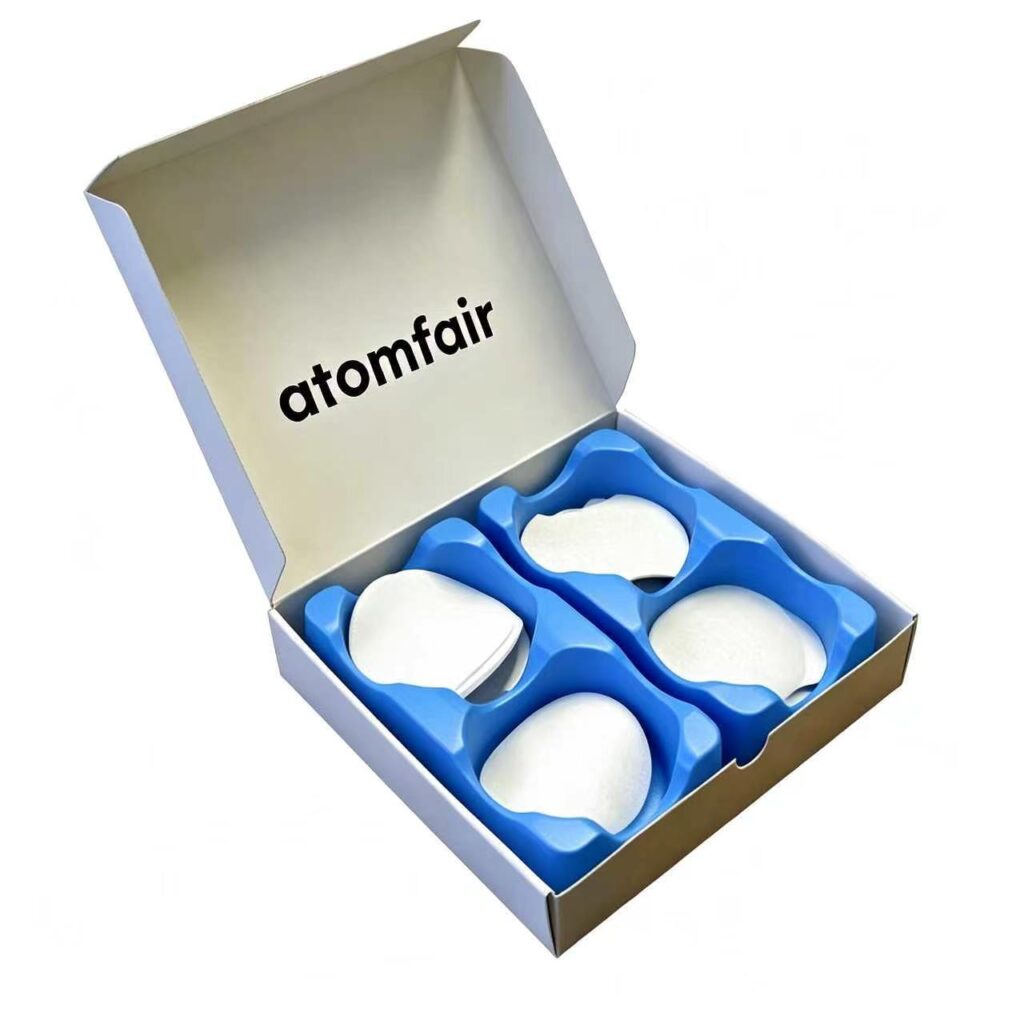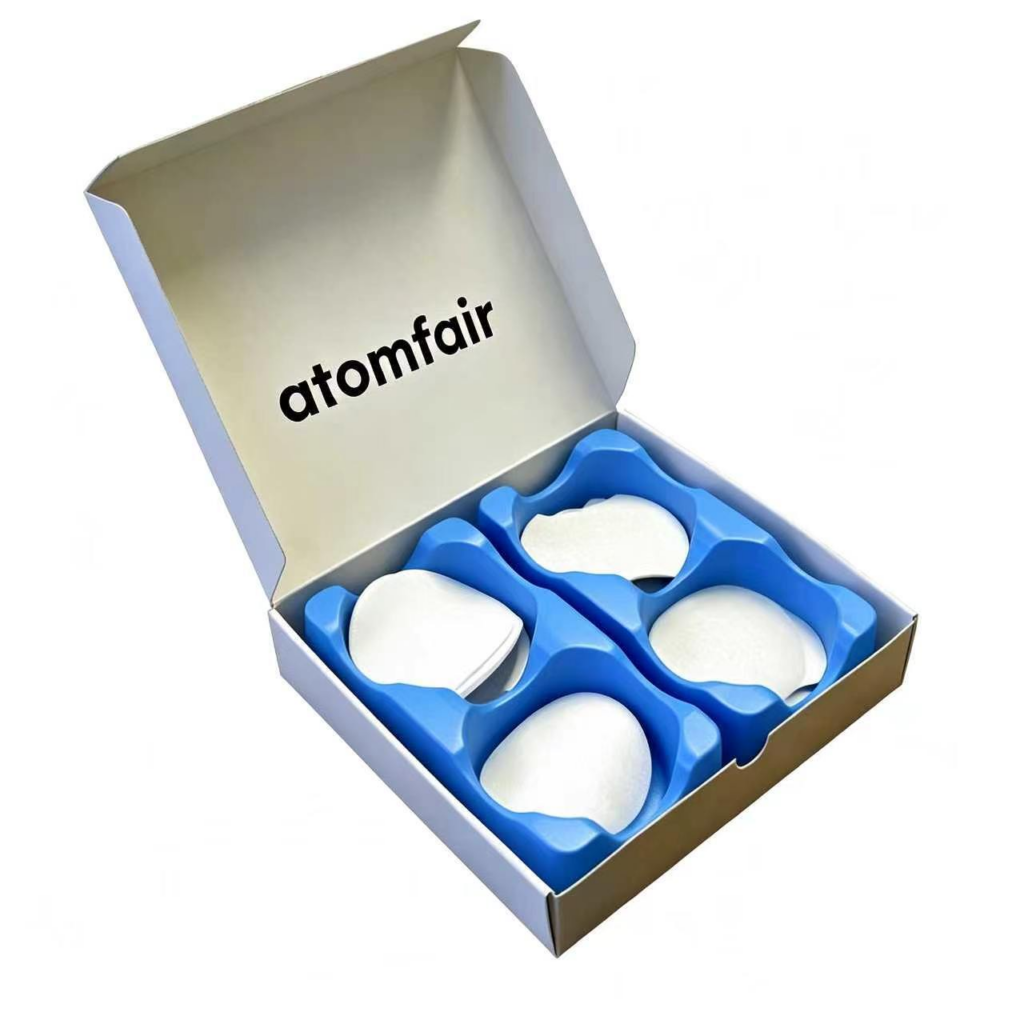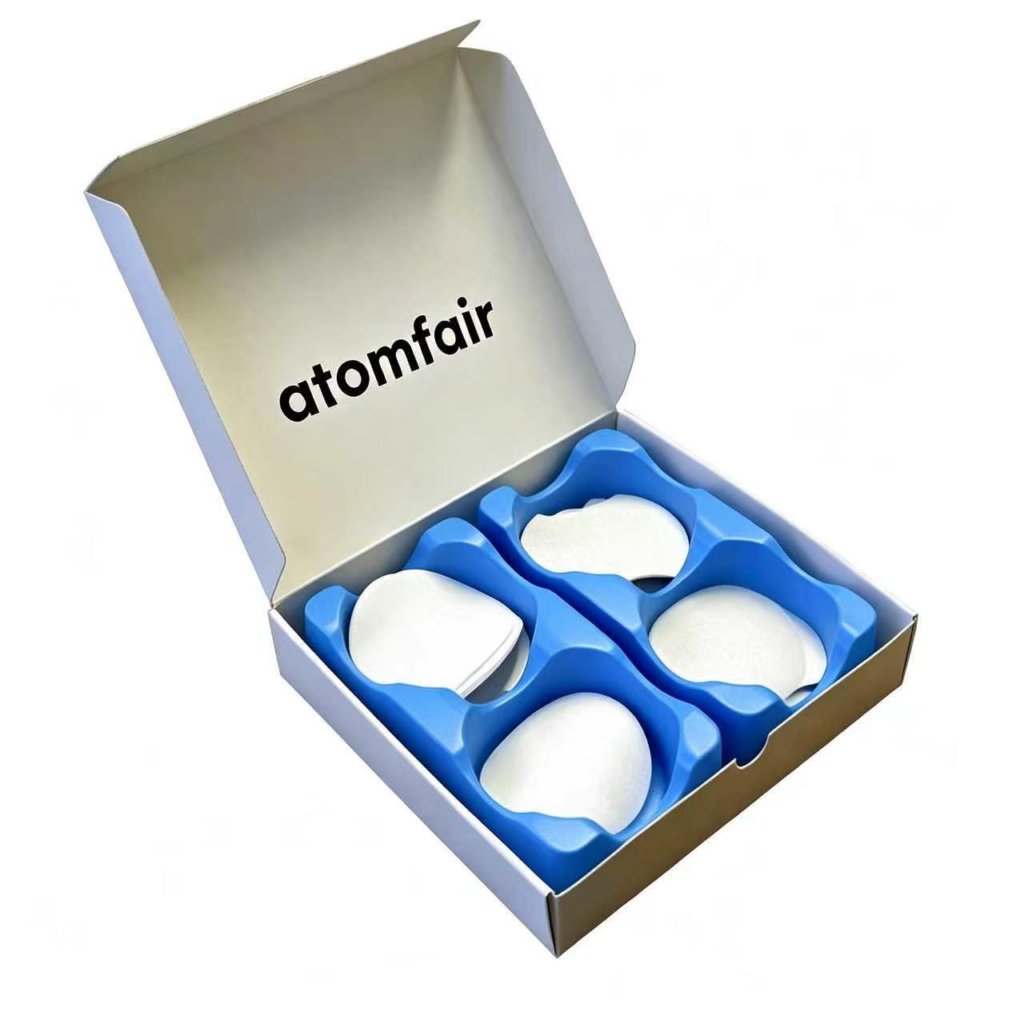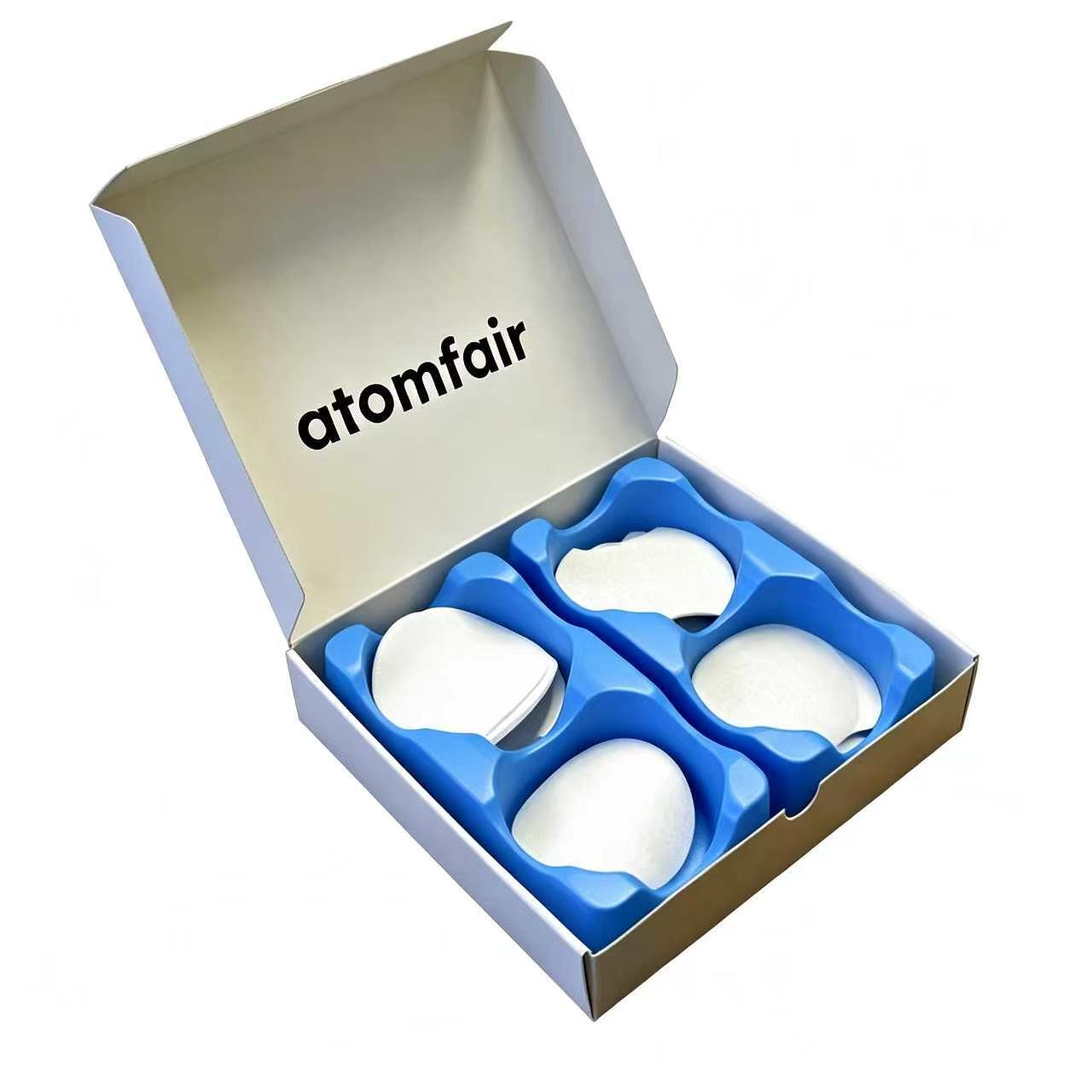
ATOMFAIR® PRE-CUT POLYPROPYLENE DISC (16.2MM COIN CELL SPECTRUM)RESEARCH GRADE MATERIAL
|
|||||||||||||||||||||||||||||||||||||
|
|||||||||||||||||||||||||||||||||||||
|
TAILORED SOLUTIONS FOR RESEARCH
Contact our engineering team for technical support or official quotations.
EMAIL: INQUIRY@ATOMFAIR.COM
|
|||||||||||||||||||||||||||||||||||||
|
Manufacturer: ATOMFAIR LLC
Brand: ATOMFAIR®
|
|||||||||||||||||||||||||||||||||||||
This pre-cut polypropylene disc requires strict environmental controls during handling to ensure experimental validity. The disc must be unpacked and used within an argon-filled glove box at less than 2% relative humidity and free of dust and contaminants.
- Operating Environment: Unpack and use the disc exclusively within an argon-filled glove box to prevent moisture and oxygen contamination.
- Humidity Control: Maintain ambient humidity below 2% relative humidity during handling and assembly to avoid electrolyte degradation and experimental variability.
- Contamination Prevention: Ensure the working environment is free of dust and electrochemical contaminants to preserve disc integrity and data accuracy.
- Thermal Stability: The disc exhibits low thermal shrinkage at elevated temperatures, requiring consistent temperature control during battery charge-discharge cycles.
- Chemical Compatibility: The polypropylene material is chemically inert to common battery electrolytes, eliminating side reactions during electrochemical testing.
This procedure describes the safe handling and installation of the polypropylene disc for CR20XX button batteries. Strict environmental controls must be followed to maintain disc integrity and ensure reproducible electrochemical measurements.
Required Equipment: Argon-filled glove box, Humidity monitor
- Setup Glove Box
Prepare an argon-filled glove box equipped with a humidity monitor and ensure the internal environment meets the required purity and dryness. - Unpack Disc
Open the sealed packaging of the polypropylene disc only inside the glove box to prevent contamination from ambient air. - Verify Humidity
Check the glove box humidity reading to confirm it is below 2% relative humidity before handling the disc. - Position Disc
Place the disc centrally onto the battery electrode substrate, ensuring it lies flat and free of wrinkles. - Assemble Battery
Assemble the remaining button battery components (gasket, cap, spring) while keeping the disc aligned and undisturbed.
How does the anisotropic tensile strength (MD vs TD) of the 16.2mm PP disc influence its handling durability during high-throughput button cell assembly?
The disc's machine-direction (MD) tensile strength of ≥1200kgf/cm² ensures it can withstand axial pulling forces during automated pick-and-place, while the transverse-direction (TD) strength of ≥100kgf/cm² is sufficient for radial stability given the 16.2mm diameter constraint. This anisotropy is a trade-off typical of extruded PP films, but the puncture strength ≥220G guarantees integrity against sharp electrode particles in CR20XX cells.
Is the Atomfair PP disc compatible with carbonate and ether-based electrolytes used in lithium-metal and lithium-sulfur button cell research?
Yes, the high-purity polypropylene is chemically inert to both carbonate and ether-based electrolytes, as stated in the product's research-grade compatibility. It does not undergo swelling or degradation that would interfere with ion conductivity studies, making it suitable for lithium-metal, lithium-sulfur, and other advanced battery chemistries in CR20XX coin cells.
What storage and handling precautions are necessary to prevent contamination when using these pre-cut PP separators for academic battery testing?
The discs must be unpacked and used exclusively inside an argon-filled glove box with ambient humidity below 2% RH and in a dust-free environment. These conditions prevent moisture absorption and particulate contamination that could alter porosity-dependent ion transport and short-circuit the button cell during cycling tests.
This pre-cut polypropylene disc provides a research-grade isolating separator for CR20XX button batteries, with tightly controlled porosity (35±4%) and thickness (16±1.5 μm) to ensure consistent ion transport and short-circuit prevention. However, its use demands a stringent argon glove box environment with <2% RH, and it is dimensionally specific to CR20XX cells, limiting broader applicability.
Positive
- Precise material isolation: Uniform porosity (35±4%) and thickness (16±1.5 μm) enable stable electrode separation, preventing short circuits while allowing ion exchange essential for accurate electrochemical testing.
- Excellent thermal and mechanical stability: Low thermal shrinkage (TD ≤0.5%, MD ≤8.0% at 120°C) combined with high puncture strength (≥220G) and tensile strength (MD ≥1200 kgf/cm²) resist mechanical damage during assembly, cycling, and disassembly.
Trade-offs
- Stringent operating environment required: Unpacking and use must occur inside an argon-filled glove box with humidity below 2% RH and a dust-free, contaminant-free atmosphere, adding infrastructure and procedural complexity.
- CR20XX-specific dimensional design: The 16.2 mm diameter and pre-cut format are exclusive to CR20XX button cells, limiting use to this specific battery format and precluding adaptation to other cell geometries.
Every advanced material, component, equipment, and instrument in our catalog is backed by rigorous testing. We maintain strict internal quality management frameworks and align with CE conformity metrics to deliver transparent, reproducible performance data via our public open-science repository.
To request raw batch performance data, submit formal vendor registration paperwork, or execute a fast-turnaround R&D manufacturing loop, contact us at inquiry@atomfair.com.
Item is dispatched under the Atomfair Shipping & Delivery Framework (Free worldwide shipping on orders over $59 USD excl. heavy equipment). Return is governed by the Atomfair Return & Refund Policy (7-day technical return window).