
Battery Electrode Sheets
Battery Electrode Sheets include ready-to-use coated cathode and anode sheets for lithium-ion and sodium-ion battery research. This category helps laboratories compare active material systems, coating loading, single-sided or double-sided formats, foil substrate, coating process, and cell-assembly compatibility before moving into coin cell, pouch cell, or materials screening workflows.
The current catalog covers lithium-ion cathode sheets such as LFP, NCM/NMC, NCA, LCO, LMR, and related high-nickel systems; lithium-ion anode sheets such as graphite, silicon-carbon graphite, and LTO-related electrodes; sodium-ion cathode sheets such as NVP, NFPP, NFM, Prussian Blue-type, and sodium transition-metal oxide systems; and sodium-ion anode sheets based mainly on hard carbon and soft carbon.
Use this category when you need controlled electrode loading, reduced slurry-preparation variability, faster cell assembly, or comparable baseline electrodes for electrolyte, separator, active material, and full-cell validation. Final selection should consider active material chemistry, areal loading, coating side, substrate type, sheet dimensions, moisture sensitivity, and whether the electrode is intended for half-cell testing, full-cell balancing, or pouch-cell development.
Show More: Battery Electrode Sheet Selection Guide
1. Choose by Battery System and Electrode Type
| Product Family | Typical Materials | Best Fit |
|---|---|---|
| Lithium-Ion Cathode Electrode Sheets | LFP, NCM/NMC, NCA, LCO, LMR, high-nickel cathodes | Lithium-ion half-cell testing, cathode comparison, electrolyte screening, pouch-cell R&D |
| Lithium-Ion Anode Electrode Sheets | Graphite, silicon-carbon graphite, LTO-related electrodes | Anode evaluation, full-cell matching, dry/wet process comparison |
| Sodium-Ion Cathode Electrode Sheets | NVP, NFPP, NFM, sodium transition-metal oxides, Prussian Blue-type systems | Sodium-ion cathode development, electrolyte validation, Na-ion full-cell studies |
| Sodium-Ion Anode Electrode Sheets | Hard carbon, soft carbon | Sodium-ion anode benchmarking, Na half-cell studies, paired SIB cell development |
2. Compare Loading, Coating Side, and Process Route
| Selection Factor | What to Check | Why It Matters |
|---|---|---|
| Areal Loading | Observed catalog values range from about 4.5 to 118.7 mg/cm² | Loading affects capacity balance, electrolyte wetting, rate behavior, and full-cell design |
| Coating Side | Single-sided and double-sided formats are both represented | Single-sided sheets are convenient for half cells and controlled studies; double-sided sheets are useful for higher-capacity or pouch-style workflows |
| Coating Process | Wet-process and dry-process products are both listed | Dry-process sheets may support binder/process comparison; wet-process sheets are common for conventional electrode benchmarking |
| Substrate | Aluminum foil, coated aluminum foil, copper foil, and other substrate descriptions may appear by product | Substrate compatibility depends on cathode/anode polarity, potential window, adhesion, and cell format |
| Sheet Size | Some products list formats such as 230 × 90 mm or defined coating areas | Size determines cutting yield, pouch-cell compatibility, and whether additional trimming is needed |
3. Application Paths
For electrolyte screening, choose a stable and well-defined electrode chemistry with a loading close to the intended test condition. LFP, NCM, graphite, hard carbon, NVP, and NFPP sheets are practical starting points because they help reduce variability from slurry preparation and coating.
For full-cell matching, evaluate both cathode and anode areal capacity rather than material name alone. Pairing a high-loading cathode with an unsuitable anode loading can distort cycle-life, rate, and irreversible-capacity results.
For process comparison, use wet-process and dry-process versions where available. This can help researchers separate the influence of active material chemistry from the influence of binder system, electrode porosity, and coating architecture.
For sodium-ion R&D, select NVP, NFPP, NFM, Prussian Blue-type, or other sodium cathode sheets together with hard carbon or soft carbon anode sheets. Confirm sodium-ion compatibility on the individual product page, especially for products whose material name may overlap with other battery systems.
4. What to Specify Before Inquiry
Before ordering or requesting a custom electrode sheet, prepare the battery system, cathode or anode role, active material chemistry, desired areal loading, single-sided or double-sided coating, substrate material, sheet dimensions, coating area, target cell format, preferred process route, pack quantity, and any moisture-handling or vacuum-drying requirements.
For custom sheets, also provide the target active material ratio, binder/conductive additive preference if relevant, target compaction density, coating thickness, electrode porosity, tab or uncoated margin requirements, and whether the sheet will be used for coin cells, pouch cells, or pilot-scale validation.
FAQ
How do I choose between lithium-ion and sodium-ion electrode sheets?
Start with the ion chemistry of the cell you are building. Lithium-ion sheets are used with lithium-compatible cathode/anode systems such as LFP, NCM, LCO, graphite, silicon-carbon, or LTO-related electrodes. Sodium-ion sheets should use sodium cathodes such as NVP, NFPP, NFM, or Prussian Blue-type materials together with sodium-compatible anodes such as hard carbon or soft carbon.
Should I choose single-sided or double-sided electrode sheets?
Single-sided sheets are usually easier for coin-cell tests, half-cell evaluation, and controlled materials screening. Double-sided sheets are useful when higher areal capacity, pouch-cell relevance, or practical cell balancing is needed.
Why does areal loading matter?
Areal loading affects capacity, electrode resistance, ion transport, electrolyte wetting, and rate performance. Low-loading sheets are useful for fundamental comparison, while higher-loading sheets are closer to practical cell-development conditions.
Can these electrode sheets replace in-house slurry coating?
They can reduce coating variability and save preparation time for many R&D workflows. However, if the project focuses on binder formulation, slurry rheology, drying behavior, or coating-process development, in-house coating or custom sheet preparation may still be required.
What information is needed for cathode/anode balancing?
Provide cathode chemistry, anode chemistry, areal loading, specific capacity assumption, first-cycle efficiency, electrode dimensions, target N/P ratio, and intended cell format. Product-level loading values should be checked before final matching.
Are dry-process and wet-process sheets interchangeable?
Not always. Dry-process and wet-process electrodes can differ in binder network, porosity, adhesion, tortuosity, and mechanical behavior. They should be compared as different electrode architectures unless the product data confirms equivalence for the intended test.
How should moisture-sensitive electrode sheets be handled?
Many battery electrodes benefit from dry storage and pre-use vacuum drying, but exact handling conditions depend on chemistry and product specification. Confirm drying temperature, time, atmosphere, and storage requirements on the product page or before ordering.
Can custom loading or dimensions be requested?
Custom dimensions, loading targets, coating sides, substrates, and sheet formats may be possible upon inquiry. Provide the full electrochemical target and cell format so the electrode can be matched to the intended experiment.
Showing 17–32 of 109 results
-
Hard Carbon HC-D03 Electrode Sheet 20 mg/cm2 ATOMFAIR®
$89.00 -
Hard Carbon Single-Sided Anode Sheet, 6.6 mg/cm2
$89.00 -
Hard Carbon Single-Sided Anode Sheet, 6.6 mg/cm2
$89.00 -
Hard Carbon Single-Sided Anode Sheet, 8.5 mg/cm2
$89.00 -
LCO Cathode Sheet Single/Double Sided 5-Pack
$89.00 -
LCO Lithium Cobalt Oxide Single-Sided Cathode Sheet, 20 mg/cm2
$89.00 -
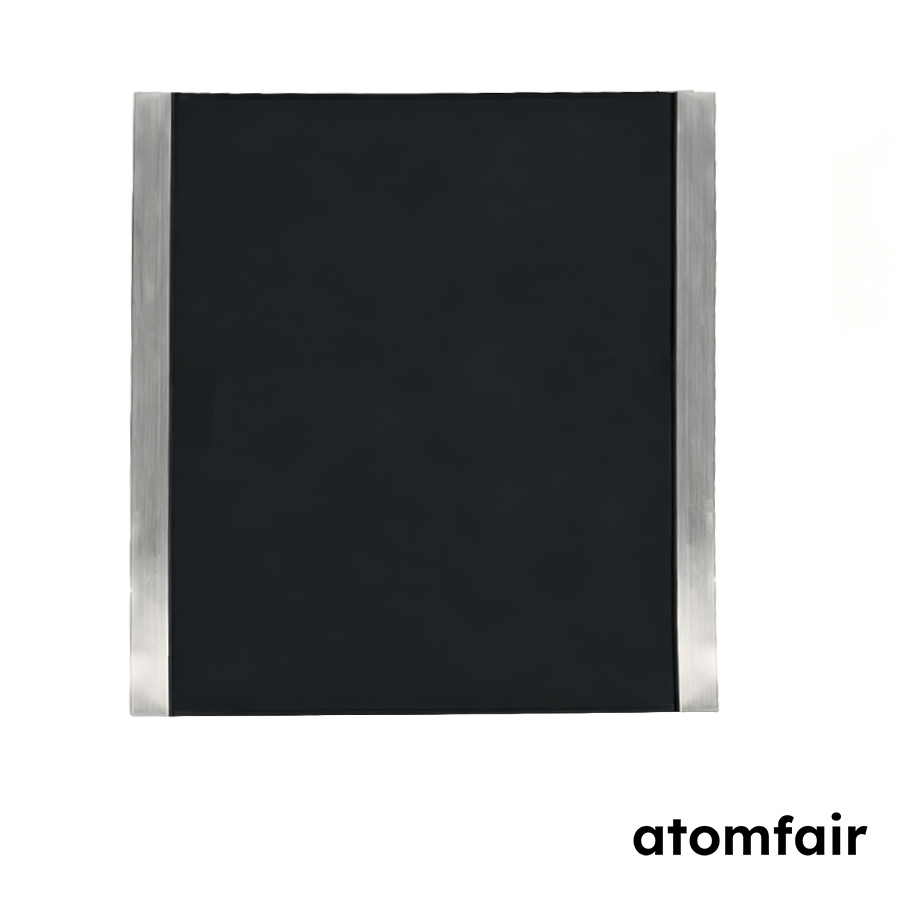
LFP Coated Aluminum Foil Cathode Sheet 14μm ATOMFAIR®
Price range: $240.00 through $251.00 -
LFP Double Side Cathode 37.6 mg/cm² Wet Process
$89.00 -
LFP Lithium Iron Phosphate Single-Sided Cathode Sheet, 15.6 mg/cm2
$89.00 -
LFP Lithium Iron Phosphate Single-Sided Cathode Sheet, 17.4 mg/cm2
$89.00 -
LFP Lithium Iron Phosphate Single-Sided Cathode Sheet, 18.8 mg/cm2
$89.00 -
LFP Lithium Iron Phosphate Single-Sided Cathode Sheet, 24 mg/cm2
$89.00 -
LiCoO2 Cathode Sheet 60 mg/cm² Dry Process 5-Pack
$99.00 -
LiCoO2 Double-Sided Coated Aluminum Foil 5 Sheets
$89.00 -
Lithium Iron Phosphate (LFP) Dry-Process Cathode Sheet
$109.00 -
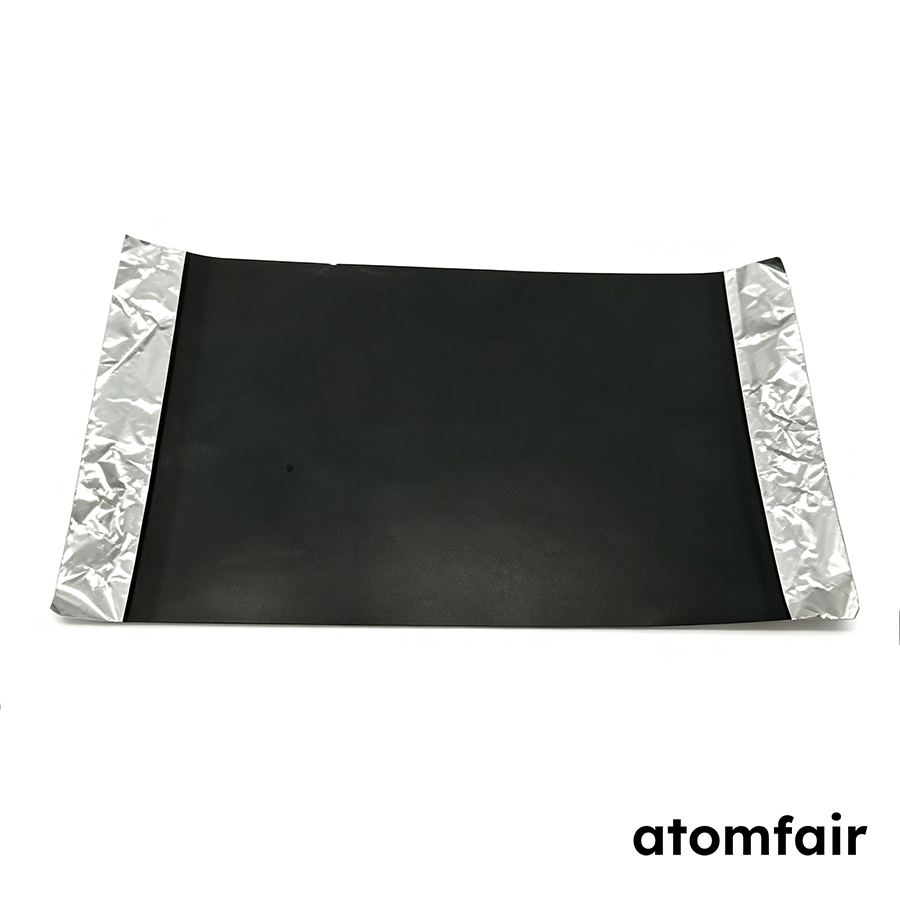
Lithium Iron Phosphate Dry-Process Electrode ATOMFAIR®
$89.00