ATOMFAIR® X40RESEARCH GRADE MATERIAL
|
|||||||||||||||||||||||||||||||||||||||||||||||||||||||||
|
|||||||||||||||||||||||||||||||||||||||||||||||||||||||||
|
TAILORED SOLUTIONS FOR RESEARCH
Contact our engineering team for technical support or official institutional quotations.
EMAIL: inquiry@atomfair.com
|
|||||||||||||||||||||||||||||||||||||||||||||||||||||||||
|
Manufacturer: Atomfair LLC
Brand: ATOMFAIR®
|
|||||||||||||||||||||||||||||||||||||||||||||||||||||||||
This document defines handling and containment constraints for the Atomfair X40 powder system. It addresses ambient exposure sensitivity and inert-atmosphere requirements before thermal validation.
- Ambient Exposure Sensitivity: Keep containers tightly sealed or handle exclusively within an anhydrous inert gas environment to prevent phase contamination or degradation before thermal validation.
- Containment Requirement: Packaging must remain sealed argon-filled protective bottles or specialized vacuum containment drums.
- Thermal Processing Constraint: Mechanical validation is applicable only after heat treatment of the additively manufactured component.
- Microstructural Integrity: Maintain inert atmosphere during handling to avoid phase contamination that can affect layer-to-layer integrity in additive manufacturing.
This procedure describes safe handling and processing of the powder from sealed storage through additive manufacturing. Execute all powder transfers under anhydrous inert gas to preserve phase integrity before thermal validation.
Required Equipment: Anhydrous inert gas environment
- Verify container seal
Verify that the original container seal is intact before any powder is exposed. - Transfer under inert atmosphere
Transfer the powder only within an anhydrous inert gas environment. - Reseal after sampling
Reseal the container under argon or vacuum immediately after each sampling or transfer event. - Load into additive manufacturing system
Load the powder into the additive manufacturing system without leaving the inert atmosphere.
What high-temperature mechanical properties does ATOMFAIR® X40 achieve after heat treatment for gas turbine applications?
ATOMFAIR® X40 exhibits a tensile strength of ≥400 MPa, yield strength ≥280 MPa, and elongation ≥15% at 820°C, while at room temperature it achieves ≥850 MPa tensile, ≥500 MPa yield, and ≥9% elongation. These properties are designed for high-temperature component validation in aviation, marine, and land-based gas turbines.
How does the particle size distribution of ATOMFAIR® X40 affect its use in additive manufacturing of complex turbine components?
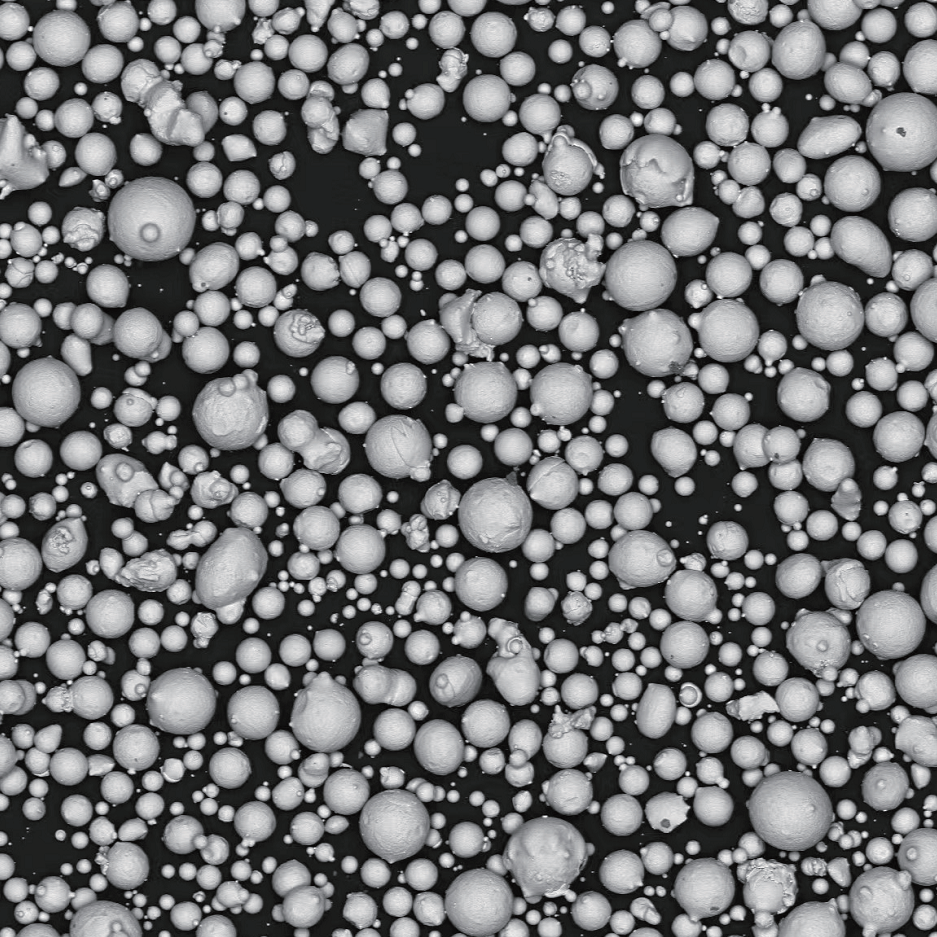
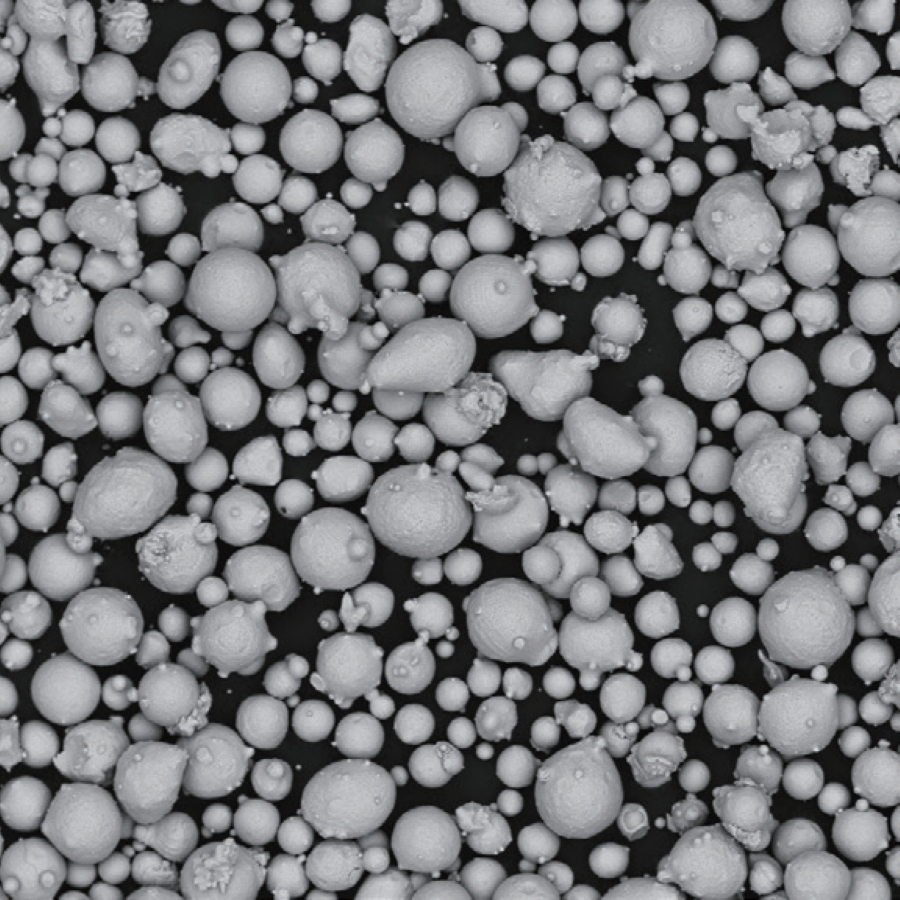
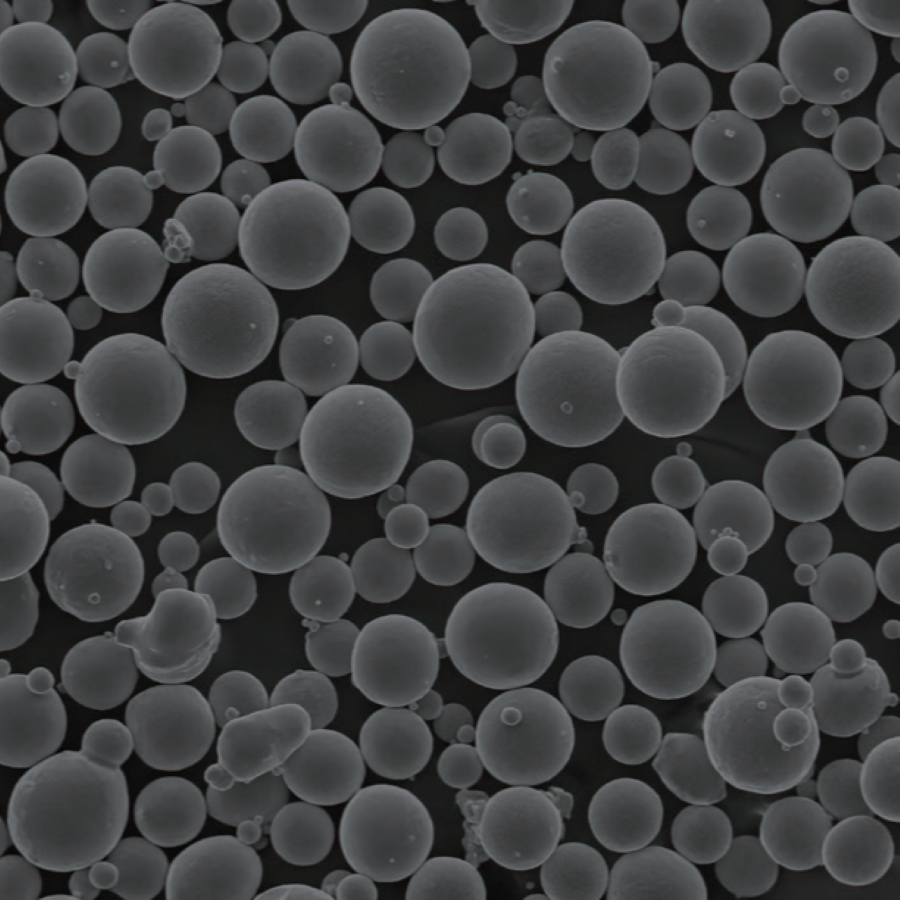
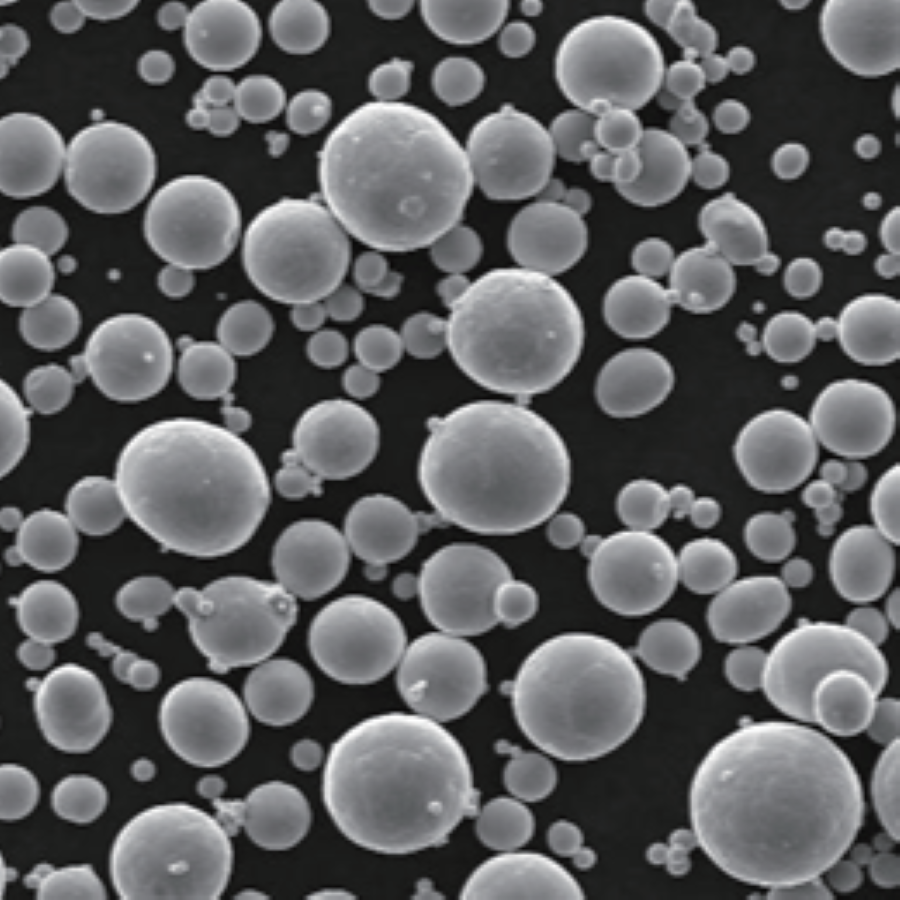
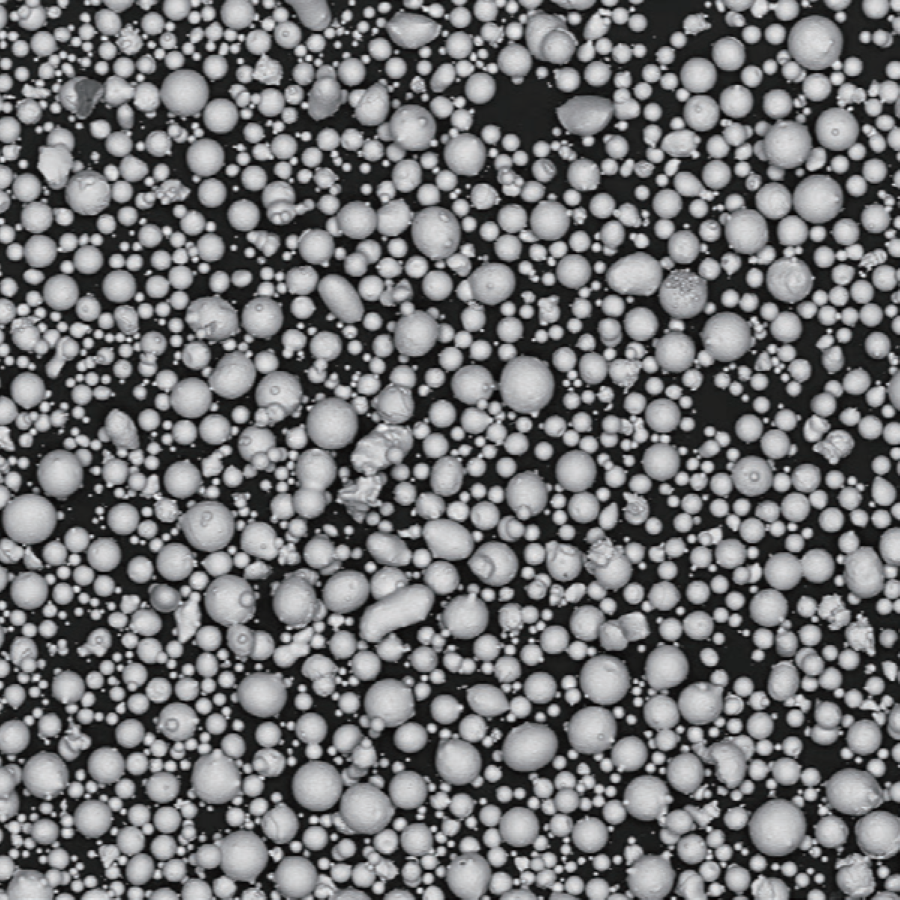
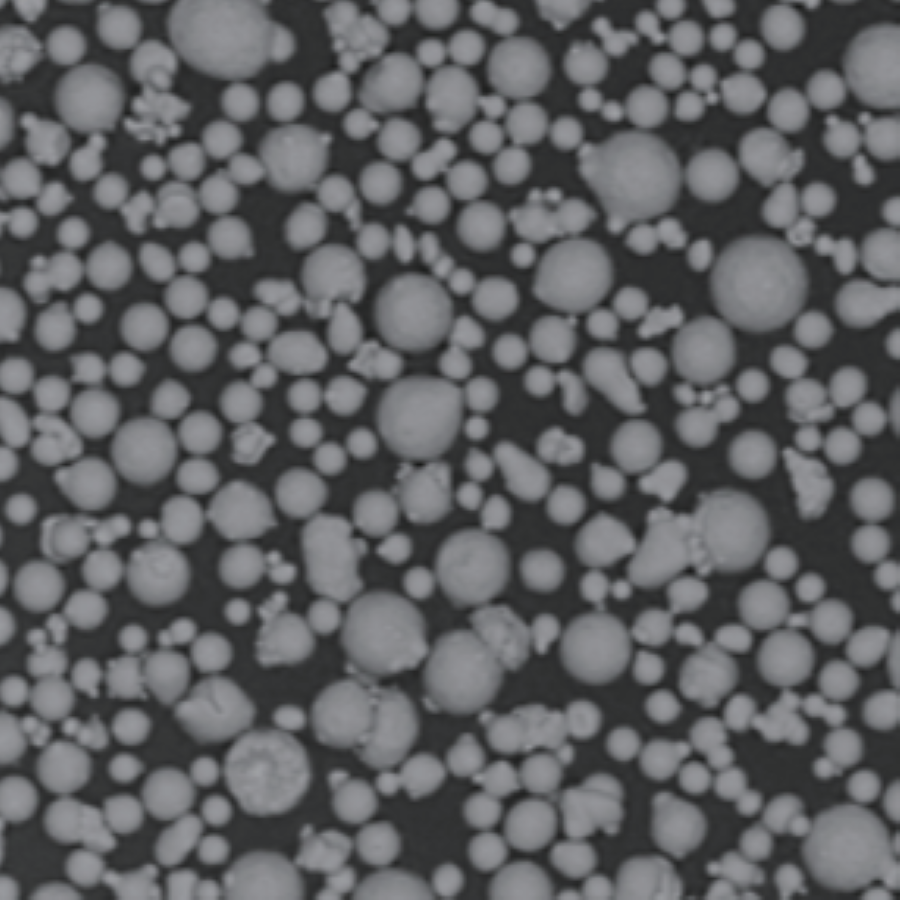
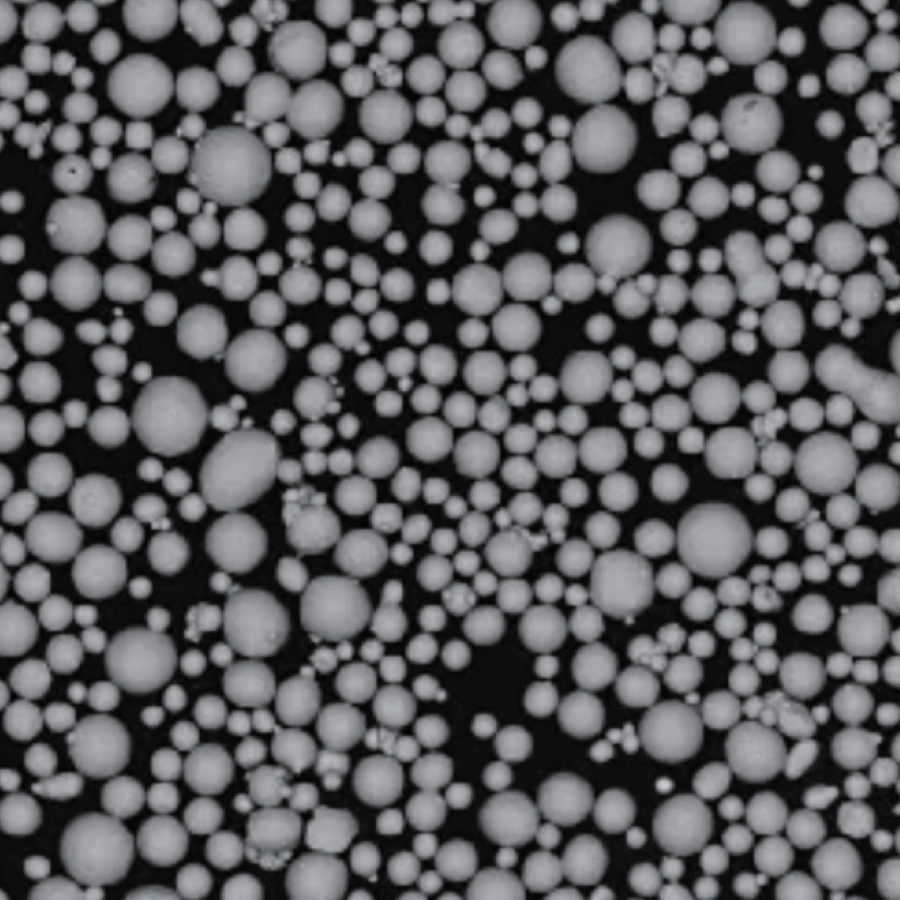
The powder features D10 ≥15 μm, D50 30-40 μm, and D90 ≤60 μm with a sphericity ≥0.9, ensuring consistent layer-to-layer integrity during additive manufacturing. The flowability is ≥18 s/50g, and apparent/tap densities are ≥4.7 g/cm³ and ≥5.2 g/cm³ respectively, which support stable powder bed deposition for complex internal cooling channels in turbine guide vanes.
What storage and handling precautions are required for ATOMFAIR® X40 powder to prevent degradation?
ATOMFAIR® X40 is highly sensitive to ambient exposure and must be kept in sealed argon-filled bottles or vacuum drums, and handled exclusively within an anhydrous inert gas environment to prevent phase contamination or degradation before thermal validation. This is critical to maintain its chemical composition and mechanical integrity.
The Atomfair X40 spherical alloy powder combines a tightly controlled Co-Cr-W-Ni composition with D50 30–40 µm particle size, ≥0.9 sphericity, and 18 s/50g flowability to support consistent additive manufacturing build quality. Mechanical testing confirms meaningful strength retention at 820°C, although the material demands strict inert-atmosphere handling and sealed packaging to avoid ambient degradation before thermal validation.
Positive
- Consistent AM Layer Integrity: Homogeneous elemental distribution combined with ≥0.9 sphericity, a D50 of 30–40 µm, and flowability of ≥18 s/50g supports uniform layer-to-layer deposition and reduces microstructural variance during additive manufacturing.
- High-Temperature Strength Retention: Heat-treated material maintains at least 400 MPa tensile strength and 280 MPa yield strength at 820°C, aligning with the mechanical demands of turbine guide vanes with complex internal cooling channels.
Trade-offs
- Ambient Exposure Sensitivity: The powder is highly sensitive to ambient exposure and must be kept in sealed argon-filled protective bottles or specialized vacuum containment drums to prevent phase contamination or degradation.
- Anhydrous Inert Handling Required: Any handling outside sealed packaging must occur in an anhydrous inert gas environment; exposure to moisture or reactive atmospheres before thermal validation risks altering the intended material phase and downstream mechanical performance.
Every advanced material, component, equipment, and instrument in our catalog is backed by rigorous testing. We maintain strict internal quality management frameworks and align with CE conformity metrics to deliver transparent, reproducible performance data via our public open-science repository.
To request raw batch performance data, submit formal vendor registration paperwork, or execute a fast-turnaround R&D manufacturing loop, contact us at inquiry@atomfair.com.
Item is dispatched under the Atomfair Shipping & Delivery Framework (Free worldwide shipping on orders over $59 USD excl. heavy equipment). Return is governed by the Atomfair Return & Refund Policy (7-day technical return window).