Engineering Polymers & Composites
Engineering polymers and composites are designed for research, manufacturing, and engineering applications that require elevated heat resistance, strength, electrical insulation, chemical resistance, lightweight construction, thermal management, or functional integration. This category brings together high-performance polymers, fiber- and filler-reinforced materials, ceramic and metal matrix composites, carbon-based composites, and metal-polymer laminates and foil tapes.
The right material is not defined only by being stronger or more heat resistant. Practical selection often requires a balanced view of service temperature, loading, dielectric or conductive requirements, thermal-management goals, chemical exposure, dimensional stability, and downstream cutting, forming, lamination, bonding, or machining processes.
Whether you need engineering plastics for structural and insulating parts, polymer composites for lightweight reinforcement, ceramic composites for high-temperature electrical insulation, or advanced laminated materials for heat spreading, shielding, flexible interconnection, and functional assemblies, this category supports a clear performance-led approach to material selection.
Show More: Engineering Polymers & Composites Selection Guide
Browse by Material System
| Material Category | Common Material Directions | Key Performance Characteristics | Typical Applications |
|---|---|---|---|
| Engineering Polymers | Polyimide, PEEK, PPS, polyamide, POM, polycarbonate, PTFE, PVDF, high-performance resins, films, sheets, rods, and functional adhesives | Heat resistance, chemical resistance, wear resistance, insulation, toughness, dimensional stability, or transparency | Insulating parts, mechanical components, equipment liners, protective parts, fixtures, sealing, bonding, and electronic assemblies |
| Polymer Composites | Thermoplastic and thermoset polymers reinforced with glass fiber, carbon fiber, aramid fiber, mineral fillers, or functional fillers | Lightweight construction, strength, stiffness, fatigue resistance, reduced warpage, insulation, or functional performance | Structural supports, insulation boards, housings, lightweight components, flexible electronic materials, and industrial assemblies |
| Ceramic Composites | Ceramic-filled polymers, ceramic fiber composites, ceramic coatings, and functional ceramic composite sheets | High-temperature resistance, wear resistance, insulation, flame resistance, dielectric control, and thermal stability | High-temperature insulation, electronic substrates, thermal protection, wear components, and power-device materials |
| Metal Matrix Composites | Aluminum-, copper-, magnesium-, or titanium-based composites and metal structures combined with thermally conductive or reinforcing phases | High thermal conductivity, load-bearing capability, dimensional stability, thermal-expansion matching, and heat resistance | Heat-spreading substrates, power electronics, laser and optoelectronic assemblies, precision structures, and thermal-management systems |
| Carbon-Based Composites | Carbon-fiber composites, graphite- or graphene-filled polymers, carbon-cloth resin composites, and conductive carbon composites | High strength at low weight, electrical or thermal conductivity, corrosion resistance, fatigue resistance, and adjustable electromagnetic performance | Lightweight structures, conductive parts, EMI shielding, heat spreading, and energy or electrochemical components |
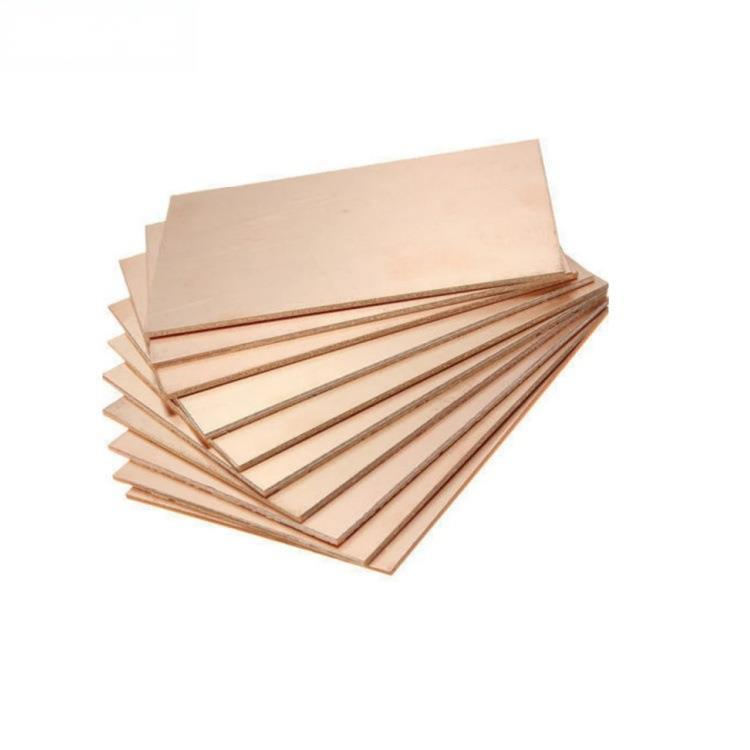
| Metal-Polymer Laminates & Foil Tapes | Copper, aluminum, nickel, and other metal foils combined with polyimide, polyester, acrylic, rubber, or other polymer layers | Conductivity, shielding, flexibility, insulation, adhesion, barrier performance, or grounding capability | Flexible circuits, EMI shielding, grounding, transformers and harnesses, electronic packaging, protection, and assembly |
Choose by Your Performance Requirement
| Primary Requirement | Material Directions to Explore | Key Factors to Compare |
|---|---|---|
| Stable performance at elevated temperature | High-temperature engineering polymers, ceramic composites, and metal matrix composites | Continuous service temperature, short-term heat exposure, thermal cycling, thermal expansion, and property retention |
| Reliable electrical insulation | Engineering polymers, ceramic-filled composites, and insulating laminates | Dielectric behavior, voltage resistance, tracking resistance, moisture absorption, thickness, and operating environment |
| Low-loss or controlled dielectric performance | Ceramic-polymer composites, functional films, and laminates | Dielectric constant, dissipation factor, frequency range, thickness consistency, and processing compatibility |
| Light weight with structural strength | Fiber-reinforced polymer composites and carbon-based composites | Specific strength, stiffness, impact behavior, fatigue performance, fiber orientation, and joining method |
| Heat spreading or thermal-expansion control | Metal matrix composites, thermally filled polymers, and carbon-based thermal materials | Thermal path, coefficient of thermal expansion, interface contact, mounting stress, and service temperature |
| Resistance to chemicals, solvents, or moisture | Fluoropolymers, chemical-resistant engineering polymers, and sealing or barrier materials | Medium type, contact time, temperature, humidity, stress condition, and sealing design |
| Conductivity, grounding, or electromagnetic shielding | Metal-polymer laminates, metal foil tapes, and conductive carbon composites | Surface resistance, shielding requirement, bonding method, grounding path, flexing, and environmental durability |
Select by Product Form
| Product Form | Best Suited For | Selection Considerations |
|---|---|---|
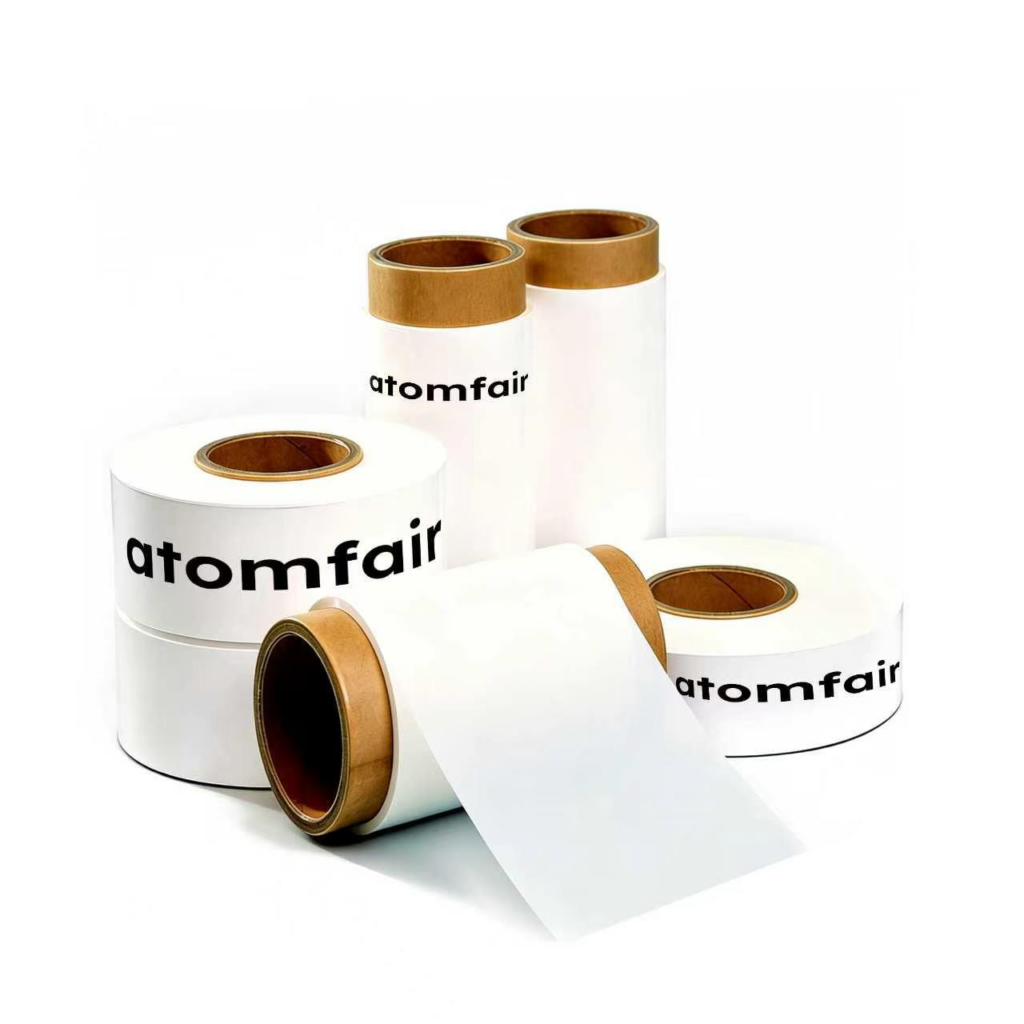
| Films and Rolls | Insulation, protection, flexible circuits, lamination, barrier layers, and continuous processing | Material system, thickness, width, surface treatment, flatness, heat resistance, and process compatibility |
| Sheets and Plates | Structural parts, insulating components, fixtures, machined parts, and heat-spreading assemblies | Dimensions, thickness, tolerance, flatness, mechanical properties, and machinability |
| Laminates | Electronic substrates, flexible assemblies, insulating structures, and functional panels | Layer structure, substrate and metal layers, bonding system, peel strength, flexing, and thermal requirements |
| Foil Tapes and Functional Tapes | Shielding, grounding, conductive connection, insulating wrap, assembly, and repair | Metal type, adhesive function, width, thickness, bonding surface, heat resistance, and electrical requirement |
| Resins, Adhesives, and Sealants | Potting, bonding, edge sealing, surface protection, and functional coating | Cure method, working time, viscosity, hardness, bonding substrate, weather resistance, and chemical resistance |
Before You Select
Before selecting an engineering polymer or composite material, define the actual service temperature and environment, chemical or moisture exposure, electrical insulation or conductivity requirement, continuous load or repeated flexing demand, thermal-management or thermal-expansion target, and the intended processing and assembly method. For critical applications, material suitability should be confirmed through samples, dimensional requirements, and validation under relevant operating conditions.
FAQ
What is the difference between engineering plastics and standard plastics?
Engineering plastics are generally used where higher heat resistance, strength, wear resistance, chemical resistance, electrical insulation, or dimensional stability is required. They are selected when a specific combination of engineering properties is needed.
When choosing an engineering polymer, should I prioritize heat resistance or strength?
Prioritize the condition that determines whether the part can work safely. For hot environments, confirm continuous service temperature and thermal-cycling stability first. For load-bearing parts, compare strength, stiffness, impact behavior, and fatigue performance.
What types of applications are composites suitable for?
Composites are useful when one material alone cannot meet all the requirements, such as low weight with high strength, electrical insulation with heat resistance, or heat conduction with controlled thermal expansion. They are widely used in electronics, transportation, industrial equipment, energy, communications, and precision manufacturing.
Which materials are suitable when electrical insulation is required?
Engineering polymers, ceramic-filled composites, and insulating laminates are common starting points. The appropriate option depends on voltage, operating temperature, humidity, thickness, long-term ageing conditions, and whether flame resistance or low dielectric loss is also required.
Is a higher thermal conductivity always better?
Not always. Thermal performance should be considered together with electrical insulation, thermal-expansion matching, structural strength, weight, mounting method, and cost. Some applications need highly conductive metal matrix composites, while others need polymer or ceramic composites that combine heat transfer with electrical insulation.
Can metal foil tapes and metal-polymer laminates be used for shielding?
Many of these materials can support electromagnetic shielding, grounding, conductive connection, or surface protection. Actual performance depends on the metal layer, adhesive system, grounding design, overlap method, installation surface, and frequency range.
How should I choose between films, sheets, laminates, and adhesives?
Films are well suited to thin, flexible, and continuous-processing applications. Sheets are commonly used for support, insulation, and machining. Laminates support multilayer functional integration, while adhesives and sealants are used for joining, encapsulation, and protection.
What information is useful before purchasing a material?
Prepare the application, required form and dimensions, operating temperature, loading or flexing requirement, electrical or thermal target, contact media, processing method, and expected quantity. Complete application information makes it easier to identify a suitable material system and specification direction.