|
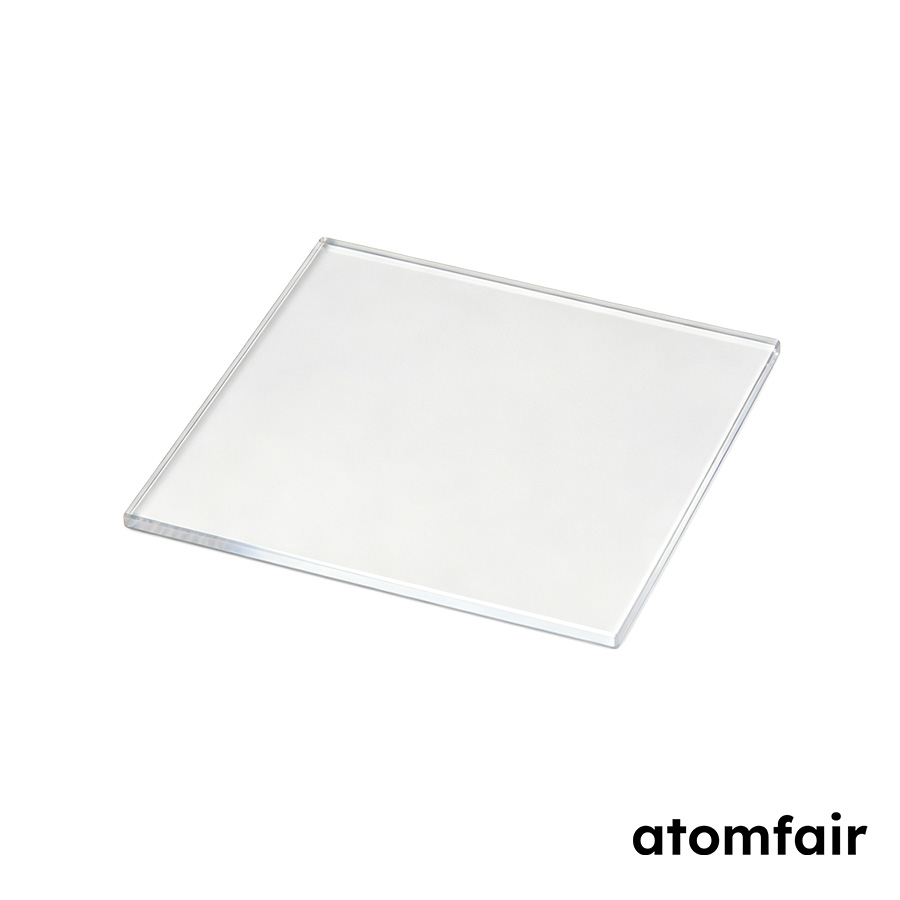
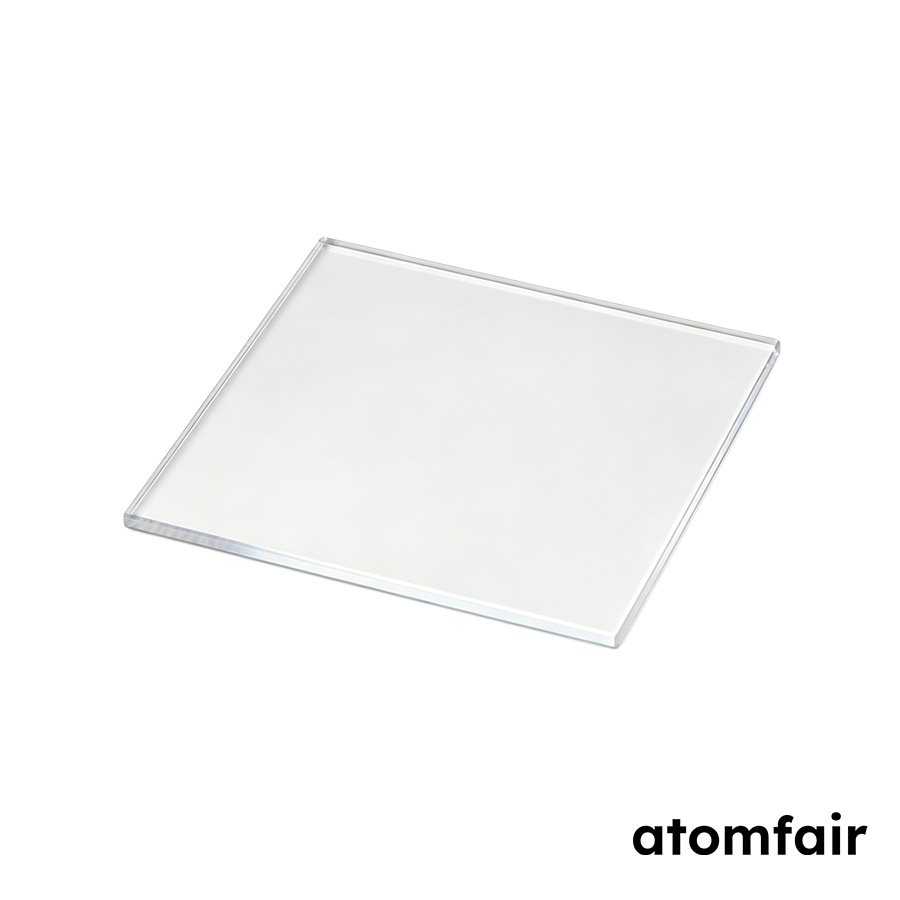
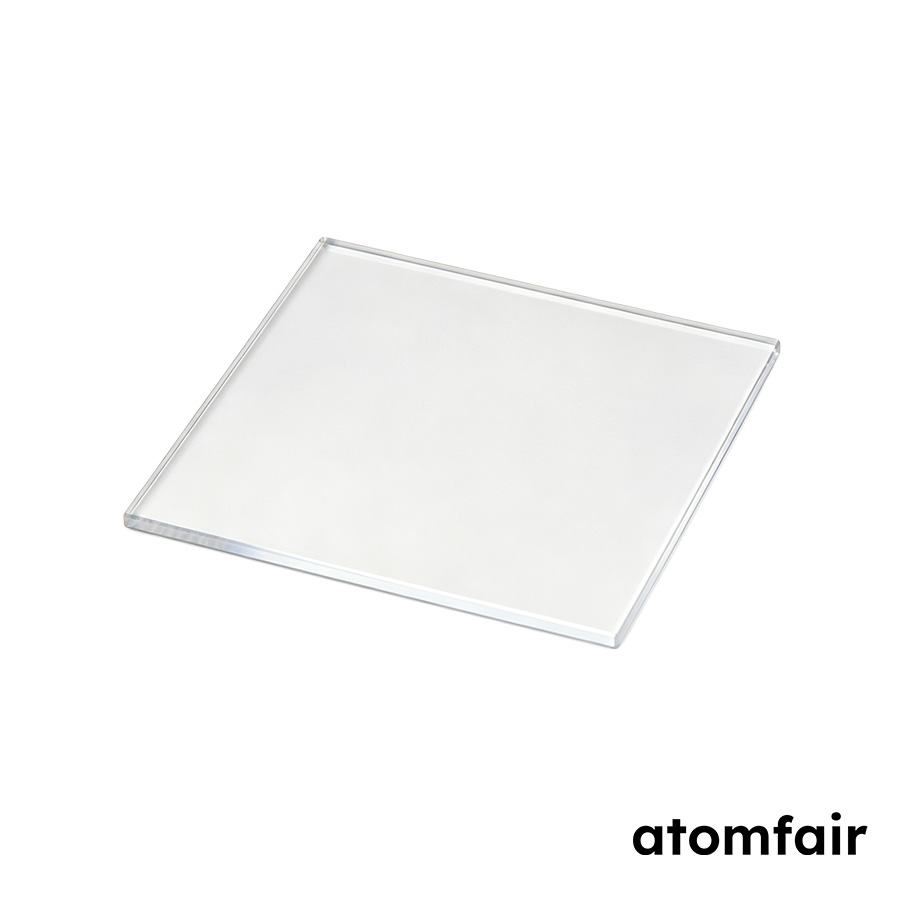
Lithium Niobate (LiNbO3) Crystal Substrate, 10 × 5 × 0.5 mm, (11-20), double-side polished (10 Pieces per Box)
Product Type: Lithium niobate crystal substrate
Research-grade laboratory product
|
|||||||||||||||||||||||||||||||||||||||||||
|
|||||||||||||||||||||||||||||||||||||||||||
|
LABORATORY PROCUREMENT SUPPORT
For model selection, coating review, platform compatibility or configuration confirmation, contact our technical sales team.
E-MAIL: inquiry@atomfair.com
|
|||||||||||||||||||||||||||||||||||||||||||
|
Manufacturer: Atomfair LLC
Brand: ATOMFAIR®
|
How does the (11-20) orientation of this lithium niobate substrate affect its electro-optic and nonlinear optical performance compared to other common orientations?
The (11-20) orientation provides specific access to the nonlinear and electro-optic tensor components of LiNbO3. The source lists nonlinear coefficients d33 = 34.45, d31 = d15 = 5.95, and d22 = 13.07 pm/V, as well as electro-optic coefficients γ13 = 9, γ22 = 3.4, and γ33 = 31, with an orientation tolerance of <0.5°. The choice of orientation depends on the desired phase-matching condition and device geometry for applications such as parametric oscillators or optical modulators.
Can this 0.5 mm thick double-side polished LiNbO3 substrate be used for frequency doubling of near-infrared lasers around 1064 nm?
Yes, the spectral transmission range of 0.4–2.90 μm covers both 1064 nm and its second harmonic at 532 nm. The nonlinear coefficient d33 = 34.45 pm/V is available for type I phase matching depending on orientation, and the 0.5 mm thickness is suitable for bulk frequency conversion devices such as second harmonic generators.
What is the Curie temperature of this LiNbO3 substrate and why is it important for device fabrication?
The Curie temperature is approximately 1140 °C. Above this temperature, the material undergoes a phase transition and loses its ferroelectric and piezoelectric properties, which are essential for electro-optic and nonlinear optical device operation. This parameter is critical for processes such as annealing, bonding, or any high-temperature step that may approach this threshold.
This 10 × 5 × 0.5 mm (11-20) double-side polished LiNbO3 substrate offers high nonlinear coefficients (d33 = 34.45 pm/V) and precise surface quality (roughness < 5 Å, orientation tolerance < 0.5°), making it suitable for frequency conversion and electro-optic devices, but its undoped nature and 0.4–2.90 μm spectral window impose constraints on high-intensity and mid-IR applications.
Positive
- High nonlinear optical coefficients: d33 = 34.45 pm/V and d31 = d15 = 5.95 pm/V enable efficient frequency doubling and parametric oscillation across the 0.4–2.90 μm transmission range.
- Precision-polished surface and orientation: Double-side polishing with surface roughness < 5 Å and orientation tolerance < 0.5° ensures low optical scattering and accurate crystallographic alignment for device integration.
Trade-offs
- Limited optical damage threshold: Undoped LiNbO3 is susceptible to photorefractive damage at high intensities; MgO doping is noted as a mitigation but is not specified for this substrate, so power handling must be carefully managed.
- Narrow spectral transmission window: Effective transmission is limited to 0.4–2.90 μm, excluding longer infrared wavelengths and restricting use in mid-IR photonics applications beyond 2.9 μm.
Every advanced material, component, equipment, and instrument in our catalog is backed by rigorous testing. We maintain strict internal quality management frameworks and align with CE conformity metrics to deliver transparent, reproducible performance data via our public open-science repository.
To request raw batch performance data, submit formal vendor registration paperwork, or execute a fast-turnaround R&D manufacturing loop, contact us at inquiry@atomfair.com.
Item is dispatched under the Atomfair Shipping & Delivery Framework (Free worldwide shipping on orders over $59 USD excl. heavy equipment). Return is governed by the Atomfair Return & Refund Policy (7-day technical return window).