|
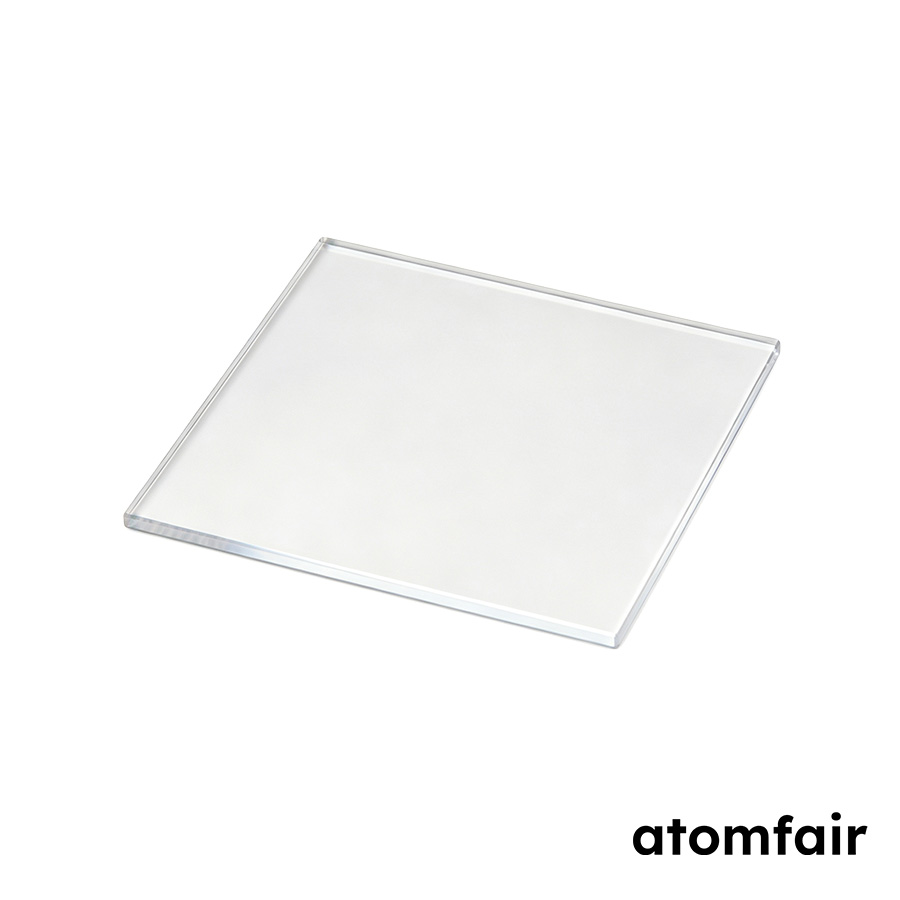
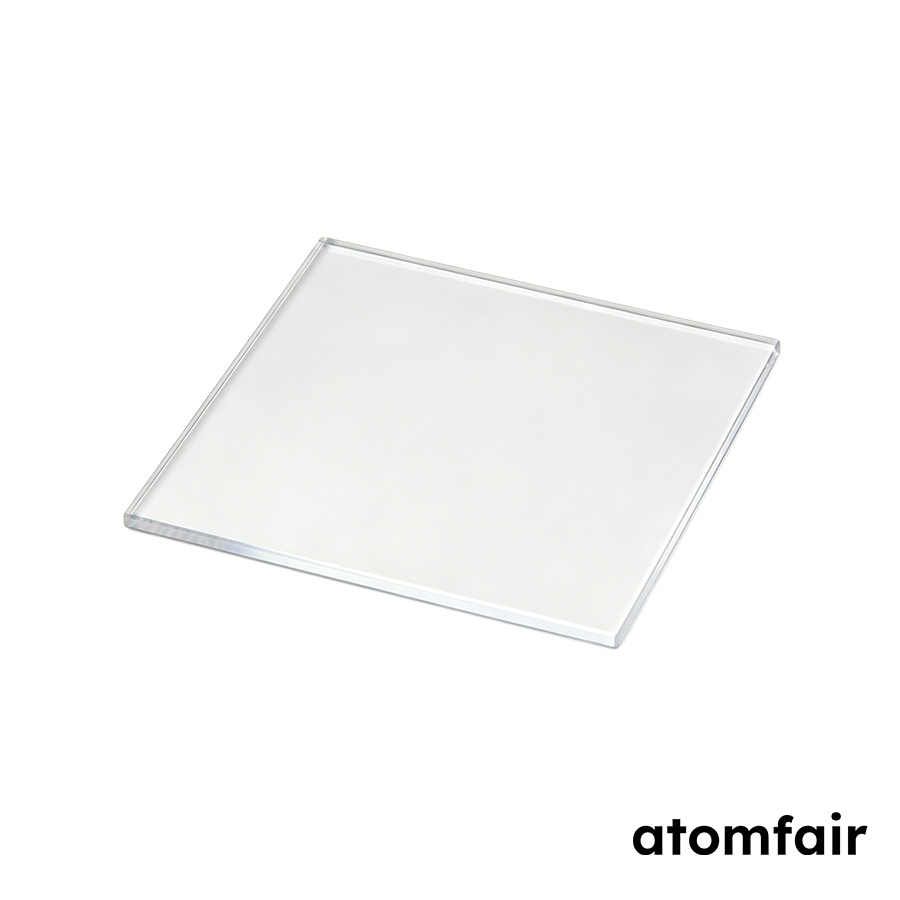
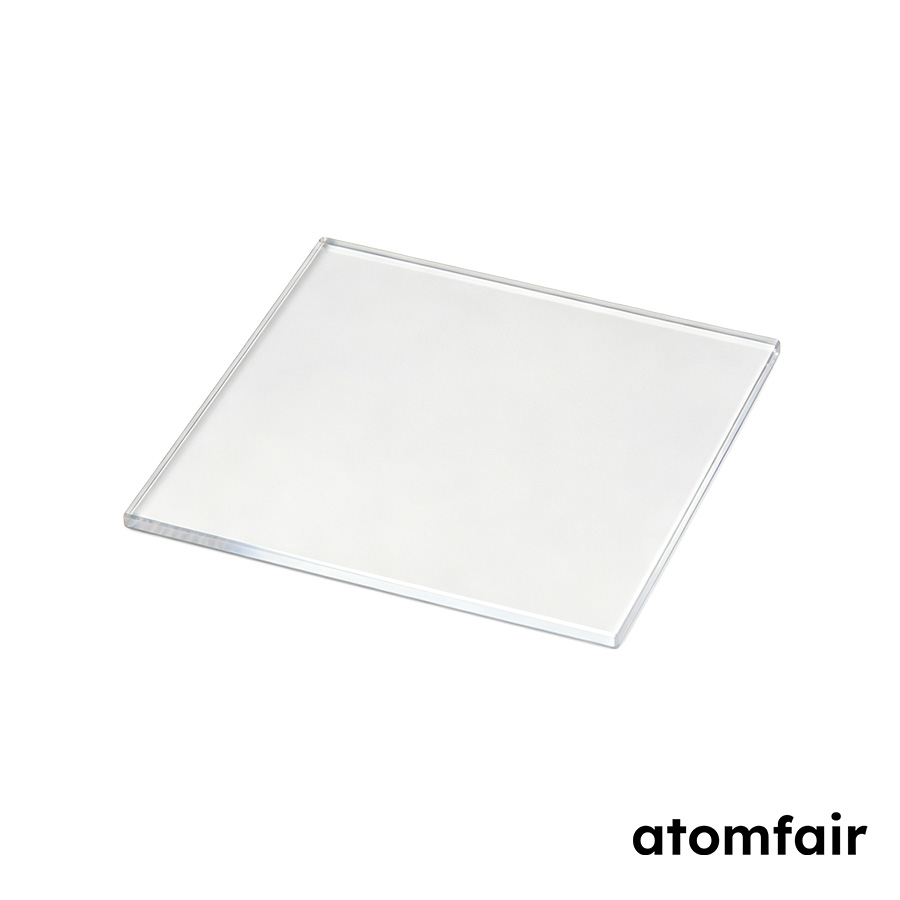
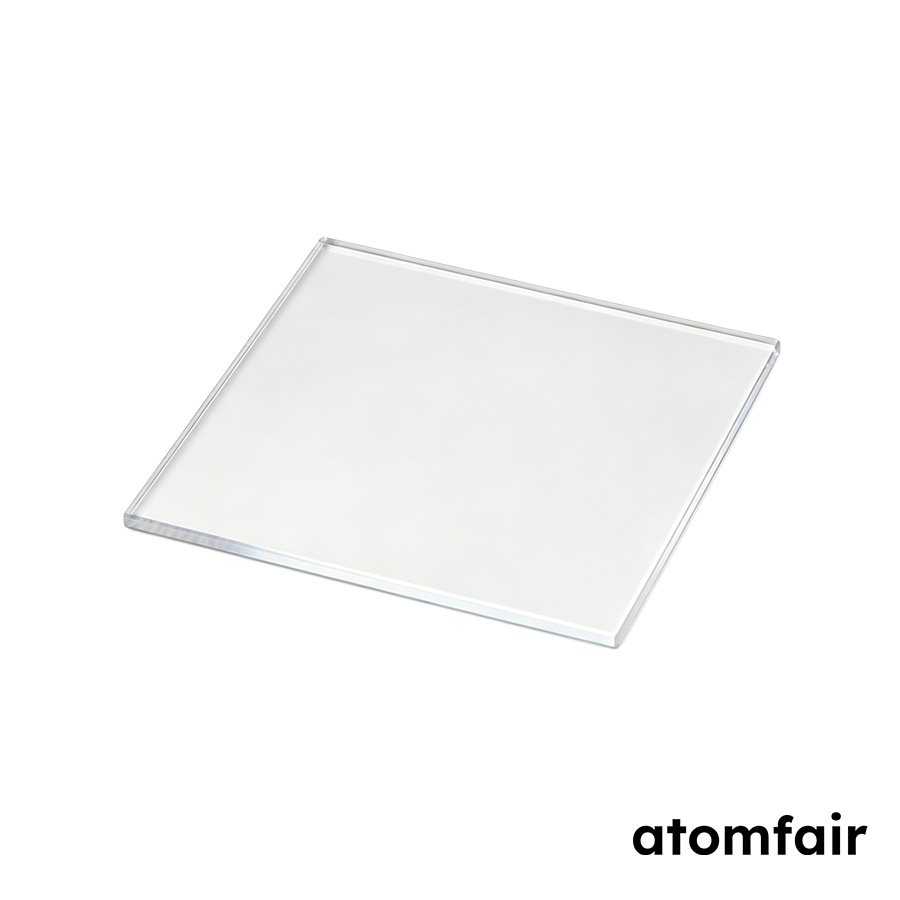
BBO (β-BaB2O4) Nonlinear Optical Crystal, 5 × 5 × 0.5 mm
Product Type: BBO nonlinear optical crystal
Research-grade laboratory product
|
|||||||||||||||||||||||||||||
|
|||||||||||||||||||||||||||||
|
LABORATORY PROCUREMENT SUPPORT
For model selection, coating review, platform compatibility or configuration confirmation, contact our technical sales team.
E-MAIL: inquiry@atomfair.com
|
|||||||||||||||||||||||||||||
|
Manufacturer: Atomfair LLC
Brand: ATOMFAIR®
|
The β-BaB2O4 crystal exhibits a transmission range of 190-3500 nm and requires careful handling due to its electro-optic sensitivity and temperature-dependent phase-matching properties. The material has a temperature acceptance bandwidth of 55 °C·cm⁻¹ and resistivity greater than 10¹¹ Ω·cm, necessitating controlled environmental conditions to maintain optical performance.
- Environmental Sensitivity: The crystal's thermo-optic coefficients (dno/dT = -16.6 × 10⁻⁶, dne/dT = -9.3 × 10⁻⁶) require stable temperature control within the 55 °C·cm⁻¹ acceptance bandwidth to prevent phase-matching degradation.
- Electrical Handling Precautions: With a half-wave voltage of 7 kV at 1064 nm and resistivity exceeding 10¹¹ Ω·cm, the crystal must be handled using grounded equipment to avoid electrostatic discharge that could damage the optical surfaces.
Proper handling and storage procedures are critical to maintain the crystal's optical quality and phase-matching performance. Follow these steps to ensure the crystal remains free from contamination and mechanical damage.
Required Equipment: Lint-free optical wipes, Optical-grade solvent (e.g., acetone or isopropanol), Anti-static tweezers or vacuum pickup tool, Sealed desiccator with silica gel
- Inspect the crystal upon receipt
Inspect the crystal under a microscope for any visible scratches, chips, or contamination on the optical surfaces before handling. - Clean the crystal surfaces
Clean the crystal surfaces using lint-free optical wipes moistened with optical-grade solvent, wiping in a single direction to avoid streaking. - Handle with anti-static tools
Handle the crystal using anti-static tweezers or a vacuum pickup tool, gripping only the edges to avoid contact with polished faces. - Store in controlled environment
Store the crystal in a sealed desiccator with silica gel at room temperature, away from direct light and sources of vibration. - Verify orientation before use
Verify the crystal orientation matches the required phase-matching configuration for your application before mounting in the optical setup.
What are the Type I and Type II phase-matching wavelength ranges for this BBO nonlinear optical crystal?
The Type I phase-matching wavelength range is 409.6 to 3500 nm, and the Type II range is 525 to 3500 nm, as specified in the product documentation for this β-BaB2O4 crystal.
What is the spectral acceptance bandwidth of the BBO crystal and how does it relate to wavelength conversion efficiency?
The spectral acceptance bandwidth is 1.1 nm·cm⁻¹, which describes the product of crystal length and the spectral bandwidth that can be phase-matched. This parameter directly influences the range of input wavelengths that can be efficiently converted in nonlinear optical processes.
This 5×5×0.5 mm BBO nonlinear optical crystal offers a broad transmission range of 190–3500 nm and high damage threshold, making it suitable for Nd:YAG third-harmonic generation. However, its high half-wave voltage (7 kV) and negative thermo-optic coefficients require careful temperature and voltage management in laser setups.
Positive
- Wide transmission range: Transmission from 190 to 3500 nm covers UV to IR, enabling multi-wavelength nonlinear optical applications.
- High damage threshold and low absorption: Stated high damage threshold and low absorption coefficient support use in high-power laser systems like Nd:YAG third-harmonic generation.
Trade-offs
- High half-wave voltage: Half-wave voltage of 7 kV at 1064 nm requires high-voltage driver electronics, increasing system complexity and cost.
- Negative thermo-optic coefficients: Thermo-optic coefficients dno/dT = -16.6×10⁻⁶ and dne/dT = -9.3×10⁻⁶ require precise temperature stabilization to maintain phase-matching conditions.
Every advanced material, component, equipment, and instrument in our catalog is backed by rigorous testing. We maintain strict internal quality management frameworks and align with CE conformity metrics to deliver transparent, reproducible performance data via our public open-science repository.
To request raw batch performance data, submit formal vendor registration paperwork, or execute a fast-turnaround R&D manufacturing loop, contact us at inquiry@atomfair.com.
Item is dispatched under the Atomfair Shipping & Delivery Framework (Free worldwide shipping on orders over $59 USD excl. heavy equipment). Return is governed by the Atomfair Return & Refund Policy (7-day technical return window).