|
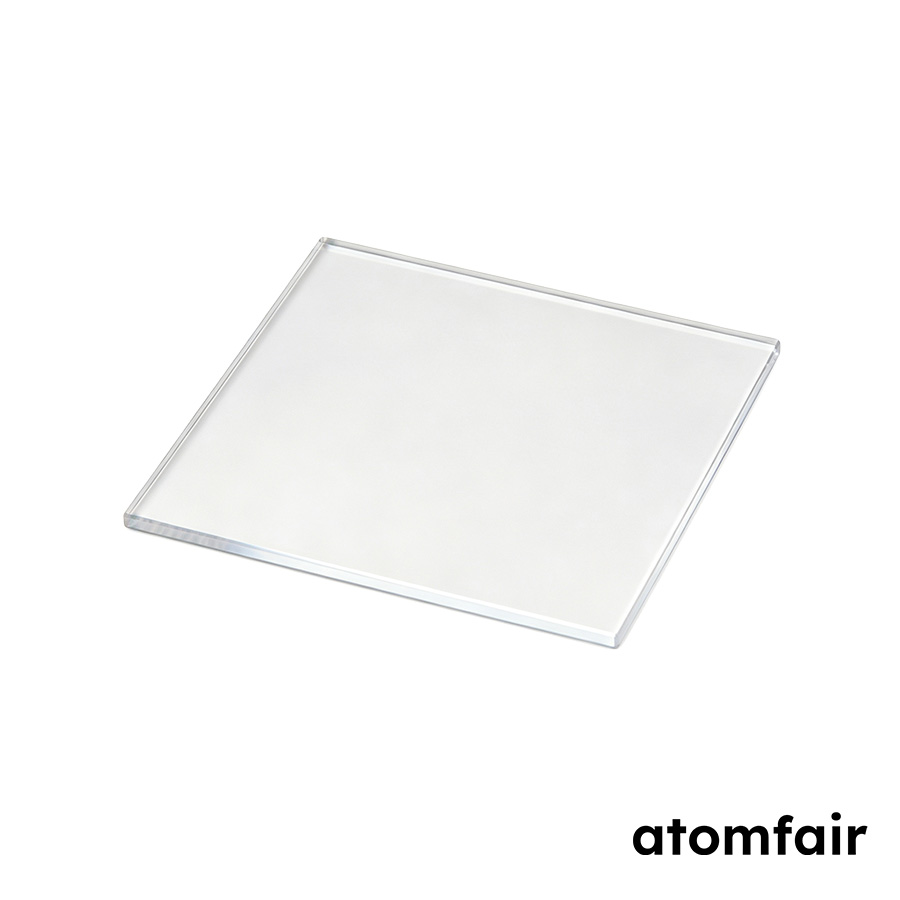
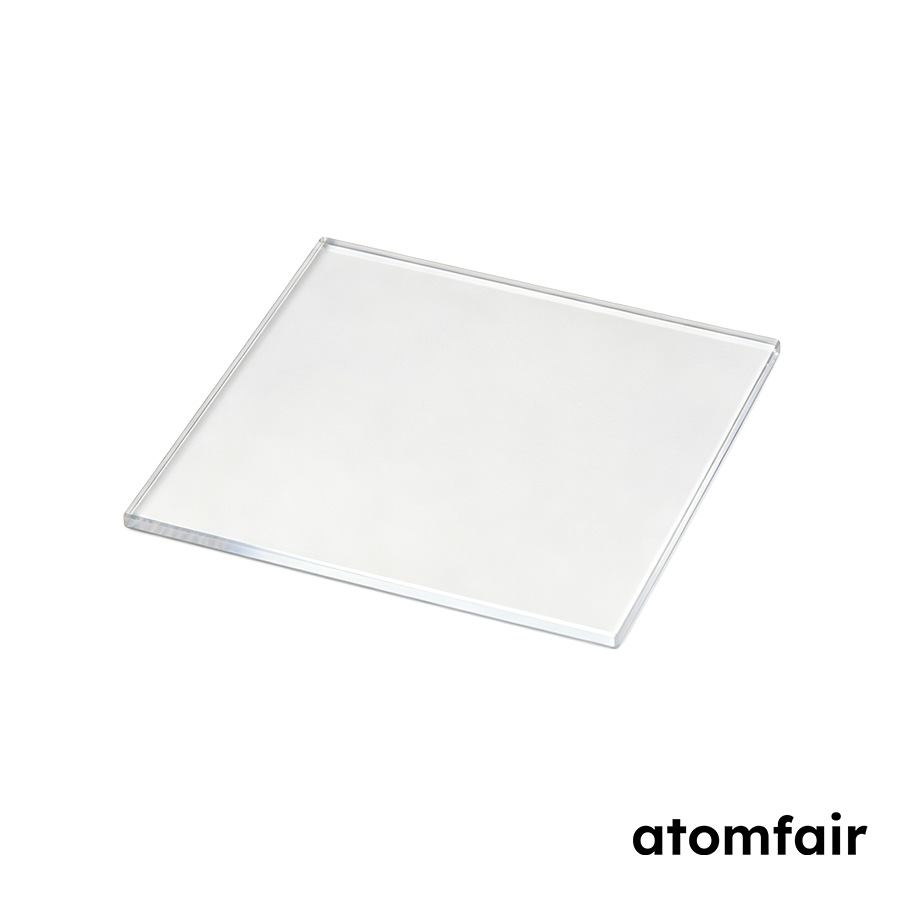
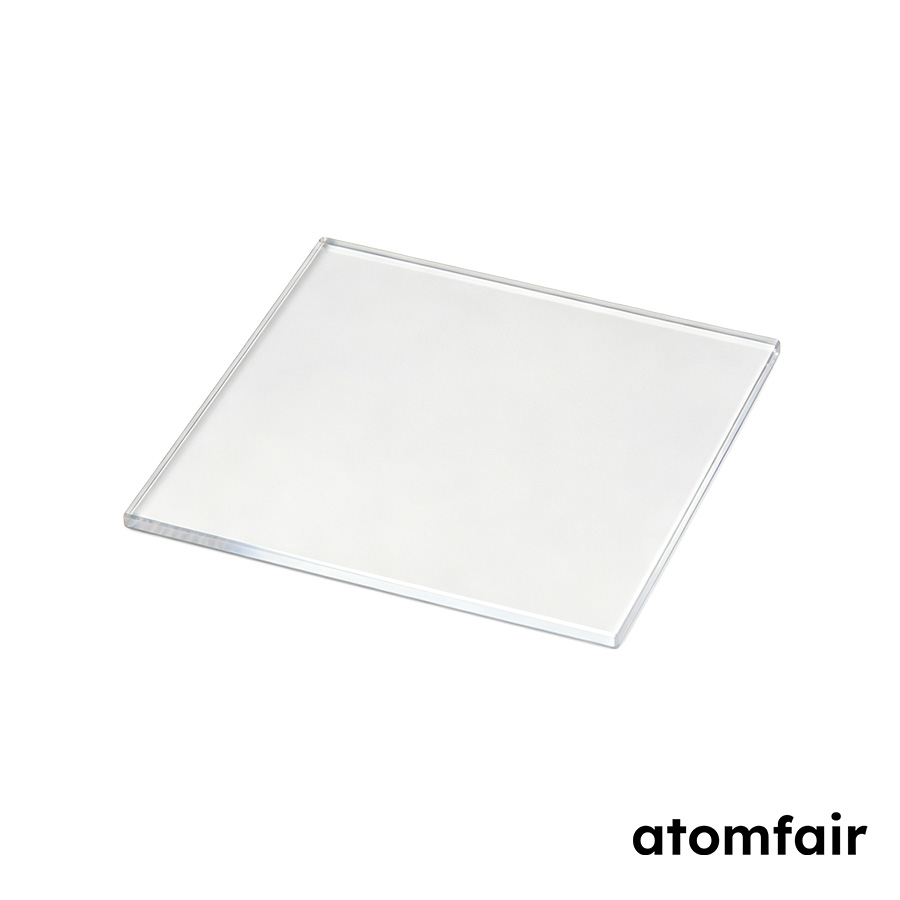
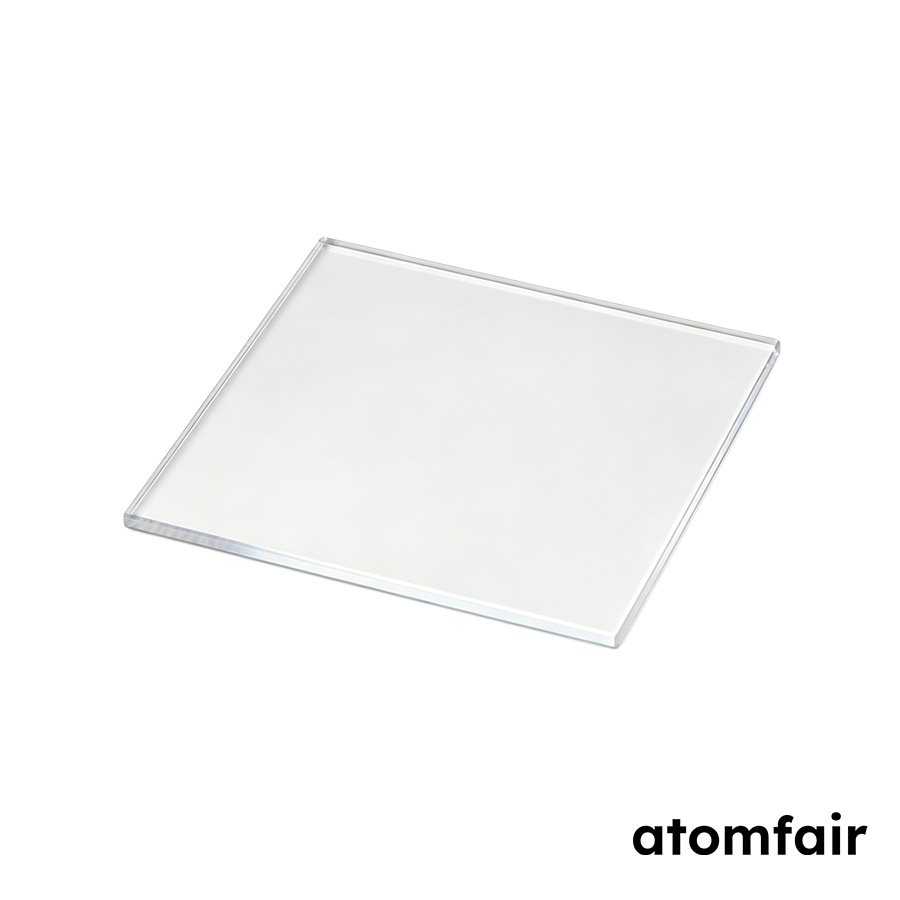
BBO (β-BaB2O4) Nonlinear Optical Crystal, 10 × 10 × 0.5 mm
Product Type: BBO nonlinear optical crystal
Research-grade laboratory product
|
|||||||||||||||||||||||||||||
|
|||||||||||||||||||||||||||||
|
LABORATORY PROCUREMENT SUPPORT
For model selection, coating review, platform compatibility or configuration confirmation, contact our technical sales team.
E-MAIL: inquiry@atomfair.com
|
|||||||||||||||||||||||||||||
|
Manufacturer: Atomfair LLC
Brand: ATOMFAIR®
|
What is the phase-matching wavelength range for Type I and Type II operation in this 10 × 10 × 0.5 mm BBO crystal?
For this β-BaB2O4 crystal, the Type I phase-matching wavelength range is 409.6–3500 nm, and the Type II range is 525–3500 nm. These ranges are specified for nonlinear optical applications such as Nd:YAG laser third-harmonic generation, as stated in the product description.
What are the thermal handling constraints for this BBO crystal given its thermo-optic coefficients and temperature acceptance bandwidth?
The crystal has a temperature acceptance bandwidth of 55 °C·cm⁻¹, with thermo-optic coefficients dno/dT = -16.6 × 10⁻⁶ and dne/dT = -9.3 × 10⁻⁶. These negative coefficients indicate that refractive indices decrease with temperature, so precise thermal stabilization is required to maintain phase-matching conditions during high-power or frequency-conversion experiments.
Does this 0.5 mm thick BBO crystal require specific coating or mounting considerations for UV transmission down to 190 nm?
Yes, the transmission range extends from 190 to 3500 nm, but the product description notes that coating and tolerance requirements must be confirmed before quotation. For UV operation near 190 nm, uncoated surfaces or custom anti-reflection coatings may be necessary to minimize losses, and the thin 0.5 mm geometry requires careful mounting to avoid stress-induced birefringence or damage.
The 10 × 10 × 0.5 mm BBO crystal offers a 190–3500 nm transmission window with Type I phase-matching from 409.6 nm and Type II from 525 nm, supporting Nd:YAG third-harmonic generation, but its thin 0.5 mm thickness and high half-wave voltage impose alignment and handling constraints.
Positive
- Broad transmission and phase-matching range: Transmission from 190 to 3500 nm with Type I phase-matching from 409.6 nm and Type II from 525 nm enables versatile nonlinear conversion including Nd:YAG third-harmonic generation.
- High damage threshold and low absorption: The material's low absorption coefficient and high damage threshold are stated as suitable for nonlinear optical applications requiring intense laser exposure.
Trade-offs
- Thin 0.5 mm substrate fragility: The 10 × 10 × 0.5 mm dimension presents mechanical fragility during handling, mounting, and polishing, requiring careful laboratory procedures to avoid fracture.
- High half-wave voltage requirement: A half-wave voltage of 7 kV at 1064 nm for a 3 × 3 × 20 mm³ geometry indicates significant drive voltage demands for electro-optic switching, which may limit integration with low-voltage electronics.
Every advanced material, component, equipment, and instrument in our catalog is backed by rigorous testing. We maintain strict internal quality management frameworks and align with CE conformity metrics to deliver transparent, reproducible performance data via our public open-science repository.
To request raw batch performance data, submit formal vendor registration paperwork, or execute a fast-turnaround R&D manufacturing loop, contact us at inquiry@atomfair.com.
Item is dispatched under the Atomfair Shipping & Delivery Framework (Free worldwide shipping on orders over $59 USD excl. heavy equipment). Return is governed by the Atomfair Return & Refund Policy (7-day technical return window).