|
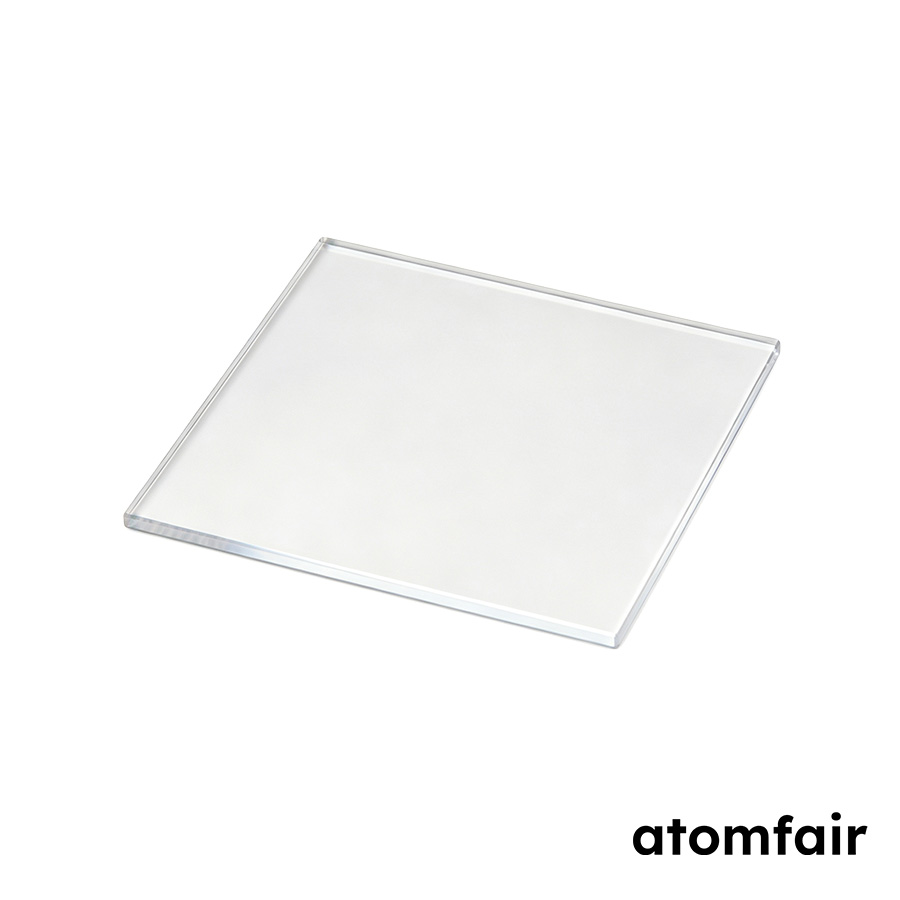
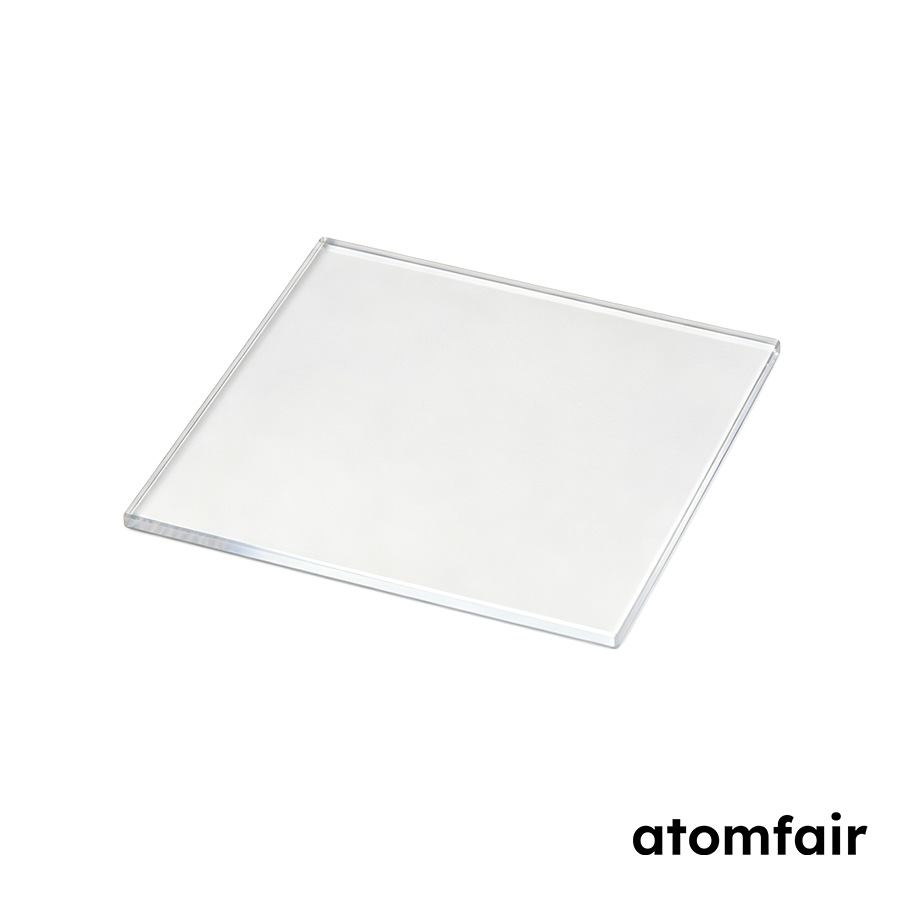
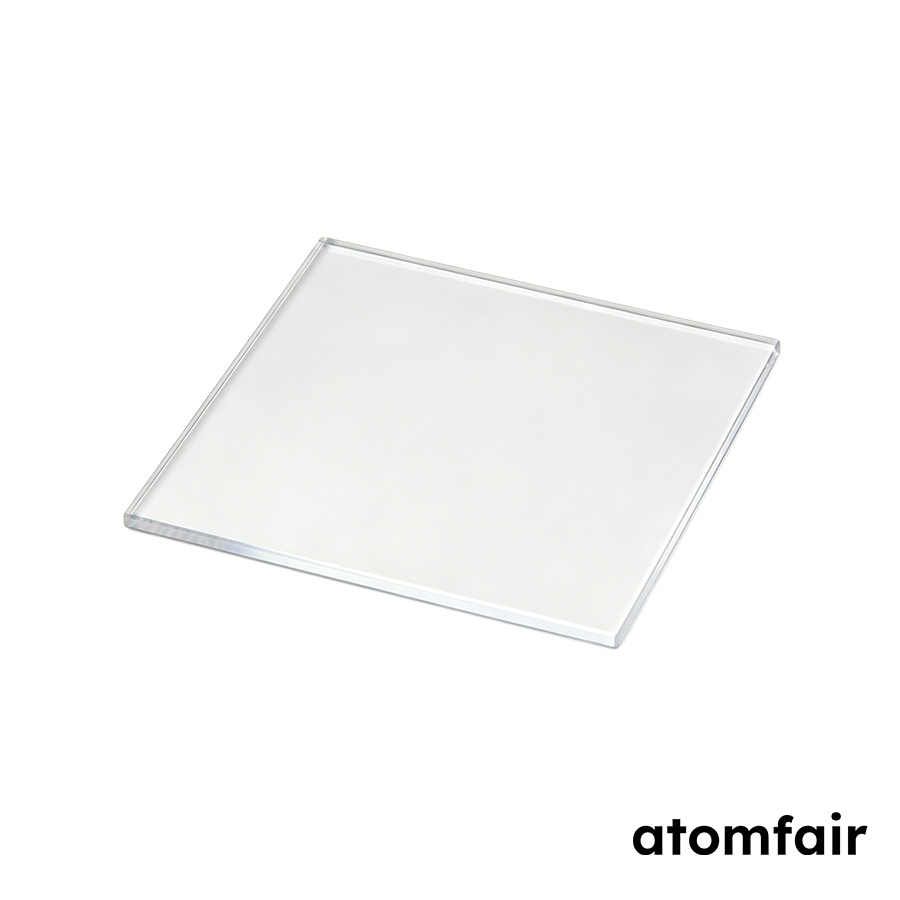
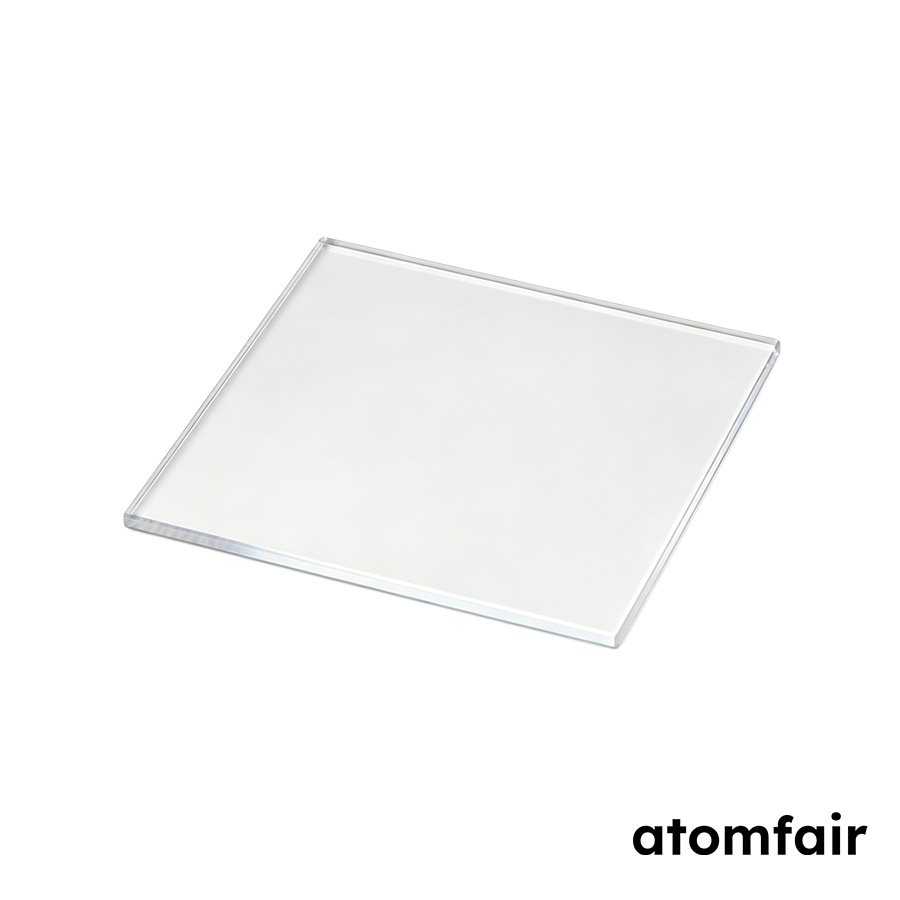
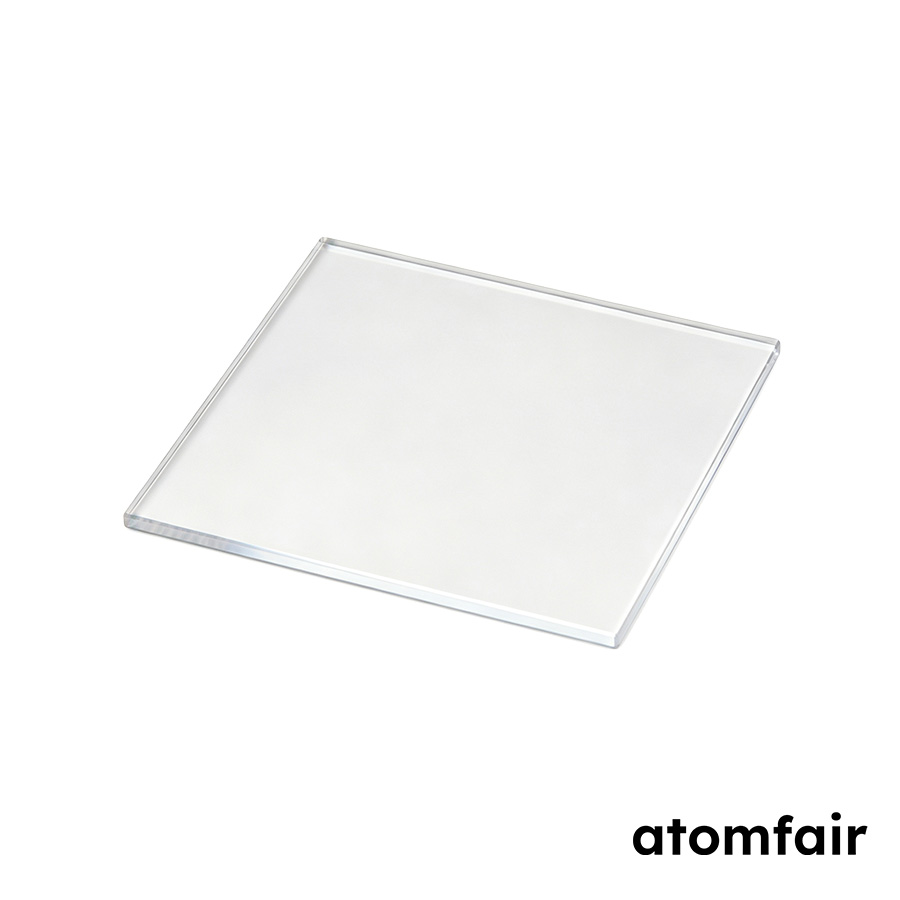
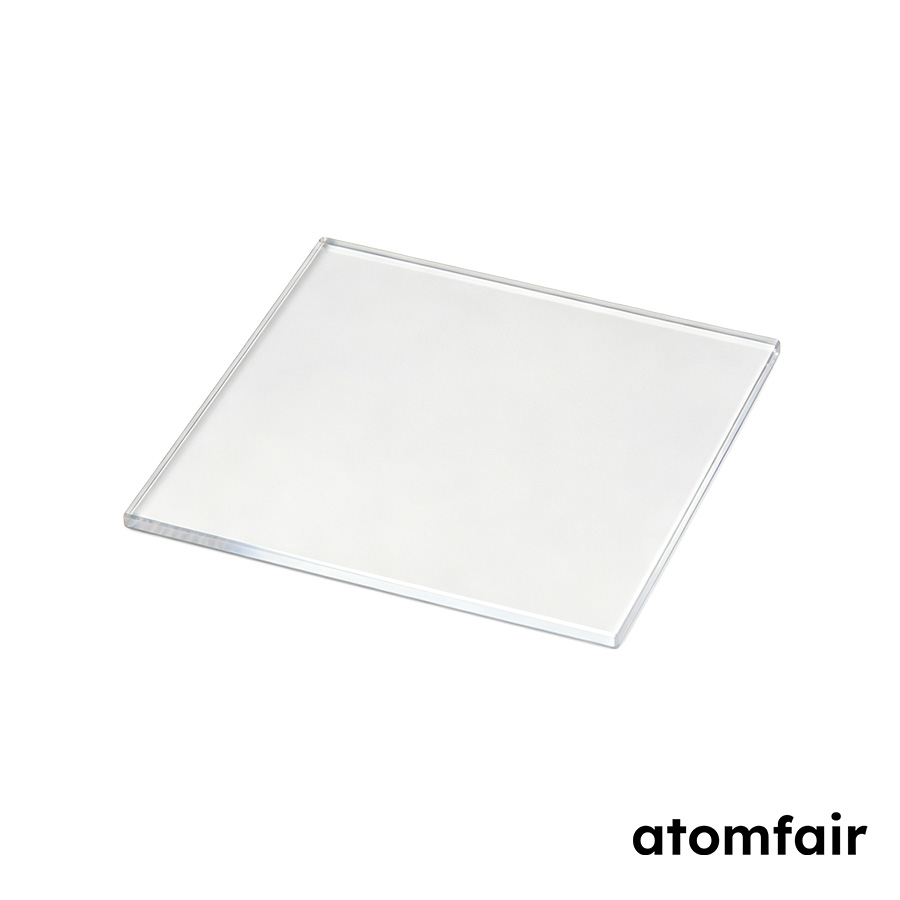
Calcium Fluoride (CaF2) Crystal Substrate, 10 × 10 × 0.5 mm, (100), single-side polished (10 Pieces per Box)
Product Type: Calcium fluoride crystal substrate
Research-grade laboratory product
|
|||||||||||||||||||||||||||||||||||||||||
|
|||||||||||||||||||||||||||||||||||||||||
|
LABORATORY PROCUREMENT SUPPORT
For model selection, coating review, platform compatibility or configuration confirmation, contact our technical sales team.
E-MAIL: inquiry@atomfair.com
|
|||||||||||||||||||||||||||||||||||||||||
|
Manufacturer: Atomfair LLC
Brand: ATOMFAIR®
|
What is the significance of the Bridgman crystal growth method for this CaF2 substrate?
The Bridgman method is used to grow high-quality single crystals with low defect density, which is critical for achieving the specified optical clarity and cubic crystal structure. The source lists Bridgman as the crystal growth method, ensuring the material meets the transmission range of 0.11–12.00 μm and a refractive index of 1.43382 required for infrared optical components.
Is this single-side polished CaF2 substrate suitable for use as an infrared optical window?
While the substrate's transmission range of 0.11–12.00 μm covers the mid-IR region, single-side polished surfaces may introduce scattering in window applications where both sides are exposed. The source notes that double-side polishing options are available for common substrate specifications, indicating that double-side polished variants are typically preferred for window use to minimize scatter and ensure seal integrity.
How does the Mohs hardness of 4 affect handling of this CaF2 substrate?
With a Mohs hardness of 4, CaF2 is relatively soft compared to materials like sapphire or quartz, making it prone to scratching during handling. The source specifies a surface roughness of Ra < 5 Å, which requires careful use of clean, soft tools and avoidance of contact with harder particles to maintain the polished finish.
Calcium fluoride (CaF2) crystal substrate with (100) orientation, single-side polished, 10x10x0.5 mm, offering a wide transmission range from 0.11 to 12.00 μm for infrared optical components, but with low hardness (4) and high thermal expansion requiring careful handling and thermal management.
Positive
- Broad IR transmission range: Transmission from 0.11 to 12.00 μm enables use in infrared windows, prisms, and lenses across a wide spectral band.
- High transmission efficiency: >94% transmission at 5 mm thickness and >85% at 0.2 mm reduces signal loss in optical setups.
Trade-offs
- Low surface hardness: Hardness rating of 4 (Mohs) makes the substrate prone to scratching; careful handling and cleanroom protocols are required during processing.
- High thermal expansion: Thermal expansion coefficient of 18.85 × 10^-6 /°C can cause stress-induced deformation or cracking under rapid temperature changes; thermal management is critical.
Every advanced material, component, equipment, and instrument in our catalog is backed by rigorous testing. We maintain strict internal quality management frameworks and align with CE conformity metrics to deliver transparent, reproducible performance data via our public open-science repository.
To request raw batch performance data, submit formal vendor registration paperwork, or execute a fast-turnaround R&D manufacturing loop, contact us at inquiry@atomfair.com.
Item is dispatched under the Atomfair Shipping & Delivery Framework (Free worldwide shipping on orders over $59 USD excl. heavy equipment). Return is governed by the Atomfair Return & Refund Policy (7-day technical return window).