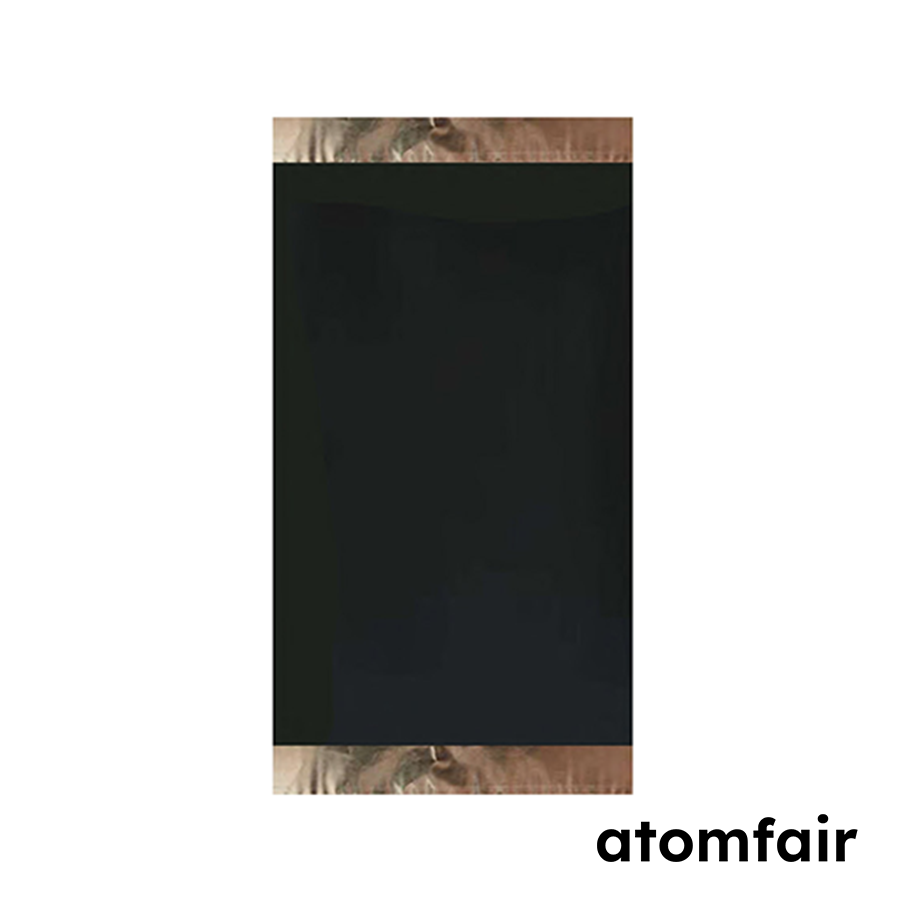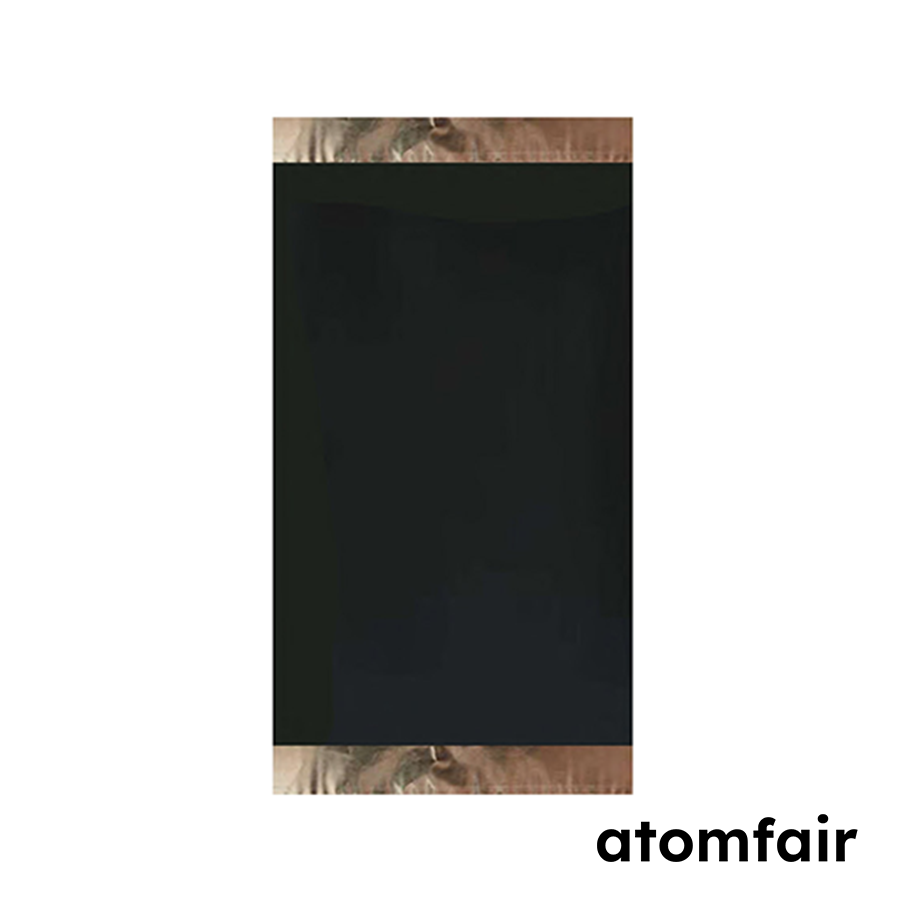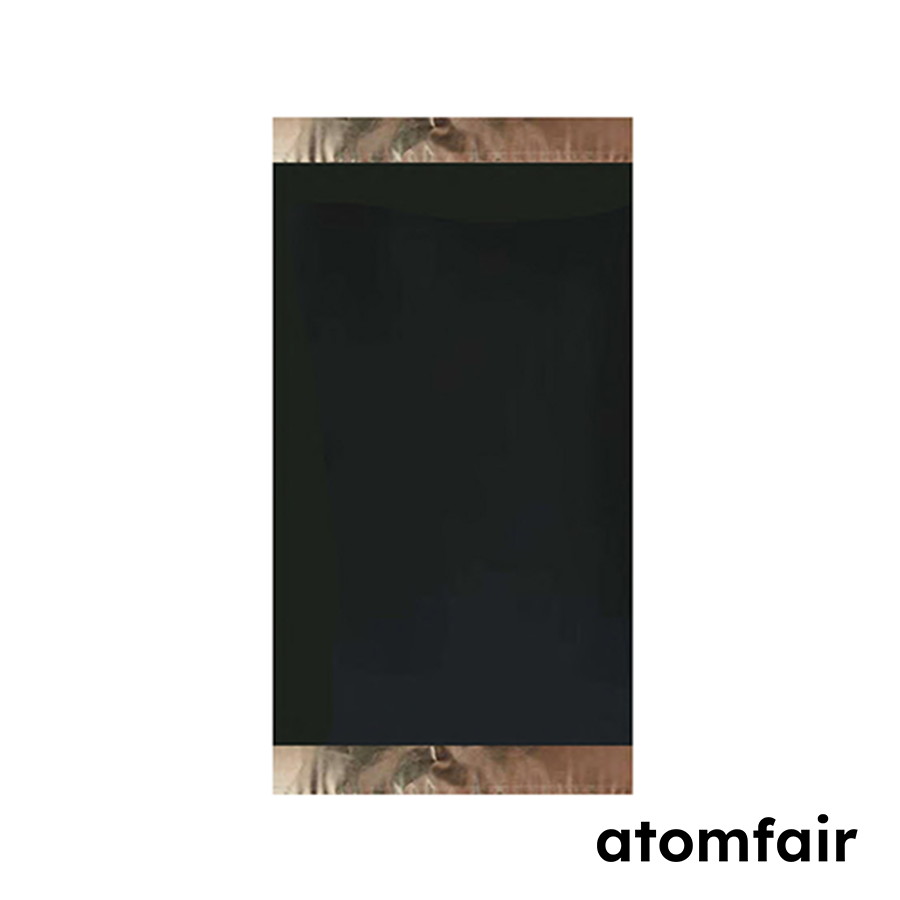
Si-C Silicon-Carbon Single-Sided Anode Sheet, 6 mg/cm2
Silicon-carbon, Si-C, is a composite anode material for lithium-ion batteries. This ready-to-use sheet is supplied for laboratory cell assembly and material evaluation in the listed Single-Sided, 6 mg/cm2 configuration.
Material Characteristics
- Silicon and carbon composite material system
- Lithium-ion negative-electrode research material
- Coated sheet supplied in a defined side and loading configuration
Typical Research Uses
Use for silicon-containing anode evaluation, electrolyte studies, formation work, and lithium-ion cathode pairing.
How to Read This Configuration
Do not substitute a constituent silicon capacity for the supplied composite electrode; use the listed product basis and actual punched mass in cell calculations.
- Areal loading: 6 mg/cm2. Use this value as the coating-mass basis when comparing electrode configurations.
- Capacity basis: 1100 mAh/g is retained as an active-material reference value, not a guaranteed cell-level result.
| Product Specification | Value / Description |
|---|---|
| Product Type | Single-Sided Anode Sheet |
| Active Material System | Silicon-Carbon (Si-C) |
| Battery System | Lithium-Ion |
| Electrode Role | Anode |
| Coating Side | Single-Sided |
| Areal Loading | 6 mg/cm2 |
| Specific Capacity | 1100 mAh/g, based on active material mass |
Drying and Handling
Before cell assembly, dry the electrode sheet at 90-100 C for 12-24 hours. Use a clean, dry handling environment after drying.
Avoid bending, scratching, or contaminating the coated surface during cutting, punching, transfer, and stacking.
| Research Need | Related Atomfair Category | Best For |
|---|---|---|
| Full-cell electrode pairing | Lithium-Ion Cathode Electrode Sheets | Selecting a matched lithium-ion cathode sheet for cell assembly |
| Material selection | Lithium-Ion Anode Materials | Comparing anode material options before custom electrode preparation |
| Custom configuration | Custom Battery Electrode Coating Service | Alternative loading, dimensions, current collector, or coating configuration |
This electrode sheet requires dry handling and inert atmosphere storage to prevent moisture-induced degradation. The final coating loading and active-material ratio must be confirmed via RFQ to ensure compatibility with the intended cell design.
- Dry Handling Requirement: Use a dry handling environment before cell assembly to reduce moisture exposure on the coated electrode surface.
- Storage Atmosphere Requirement: Store opened sheets in a dry environment or inert atmosphere to reduce moisture exposure before use.
- Mechanical Handling Constraint: Avoid touching, bending, scratching, or contaminating the coated surface during punching, transfer, and stacking.
- Loading Confirmation Requirement: The final coating loading must be confirmed during RFQ according to the customer's cell design, electrode size, formulation, and testing plan.
- Current Collector Compatibility: Carbon-coated copper foil is the standard current collector; bare copper foil or other options should be reviewed by RFQ for compatibility.
This procedure outlines the necessary steps for handling, storing, and preparing the electrode sheet for cell assembly. Adhering to these steps ensures electrode integrity and reliable electrochemical testing.
- Confirm Loading Parameters
Confirm the final coating loading and active-material ratio with the supplier via RFQ before initiating experiments. - Store in Dry or Inert Atmosphere
Store opened electrode sheets in a dry environment or inert atmosphere to minimize moisture exposure. - Handle with Care
Handle the sheets by the edges only to avoid touching, bending, scratching, or contaminating the coated surface. - Calculate Active Material Mass
Calculate the active material mass from the confirmed loading target, active-material ratio, and punched electrode area for coin-cell testing.
How is the theoretical areal capacity calculated for this Si-C/graphite composite anode sheet given the 4-6 mg/cm2 loading window and 1100 mAh/g composite specific capacity?
The theoretical areal capacity is calculated from the confirmed loading target, confirmed active-material ratio, and the 1100 mAh/g composite active-material capacity. For example, using a 5.0 mg/cm2 loading target and a 90.30% active material reference, the result is approximately 5.0 mAh/cm2. The final loading target must be confirmed by RFQ according to the customer's cell design, electrode size, formulation, and testing plan.
Why does this electrode use carbon-coated copper foil as the standard current collector, and what are the implications for Si-C/graphite anode integration?
The carbon-coated copper foil improves interfacial contact between the anode coating and the current collector, which is especially relevant for Si-C/graphite electrodes due to volume changes during cycling and adhesion requirements. Bare copper foil or alternative current collector structures can be reviewed by RFQ if the customer's existing cell design, control experiment, or supplied formulation requires it.
What handling and storage conditions are required to maintain the integrity of this single-sided Si-C/graphite anode sheet before cell assembly?
Use a dry handling environment before cell assembly to reduce moisture exposure on the coated electrode surface. Store opened sheets in a dry environment or inert atmosphere to minimize moisture uptake. Avoid touching, bending, scratching, or contaminating the coated surface during punching, transfer, and stacking. For coin-cell testing, active material mass is determined from the confirmed loading target, active-material ratio, and punched electrode area.
This Si-C/graphite composite single-sided anode sheet, rated at 1100 mAh/g composite active-material capacity with a customizable areal loading of 4–6 mg/cm², is engineered for high-capacity anode evaluation, electrolyte screening, and early-stage full-cell matching in lithium-ion battery R&D; its carbon-coated copper collector improves interfacial contact for silicon-containing anodes, though the wet-process coating and limited loading window impose drying and infrastructure constraints.
Positive
- High-capacity composite anode design: The 1100 mAh/g composite active-material capacity provides significantly higher specific capacity than standard graphite anodes, enabling evaluation of next-generation anode materials for increased energy density.
- Carbon-coated copper foil improves contact: The standard carbon-coated copper current collector (1 µm carbon / 6 µm Cu / 1 µm carbon) enhances interfacial adhesion with the Si-C/graphite coating, reducing delamination risk and improving cycle stability in silicon-containing electrodes.
Trade-offs
- Customizable loading requires early confirmation: The areal loading target (4–6 mg/cm² per side) must be confirmed by RFQ, and the final capacity must be calculated from the confirmed loading, active-material ratio, and 1100 mAh/g grade, adding a pre-order design step.
- Wet-process coating demands dry handling: The wet-process coating requires strict dry-environment handling and storage before cell assembly to minimize moisture exposure, and the opened sheets must be kept in inert atmospheres to avoid degradation.
Every advanced material, component, equipment, and instrument in our catalog is backed by rigorous testing. We maintain strict internal quality management frameworks and align with CE conformity metrics to deliver transparent, reproducible performance data via our public open-science repository.
To request raw batch performance data, submit formal vendor registration paperwork, or execute a fast-turnaround R&D manufacturing loop, contact us at inquiry@atomfair.com.
Item is dispatched under the Atomfair Shipping & Delivery Framework (Free worldwide shipping on orders over $59 USD excl. heavy equipment). Return is governed by the Atomfair Return & Refund Policy (7-day technical return window).