|
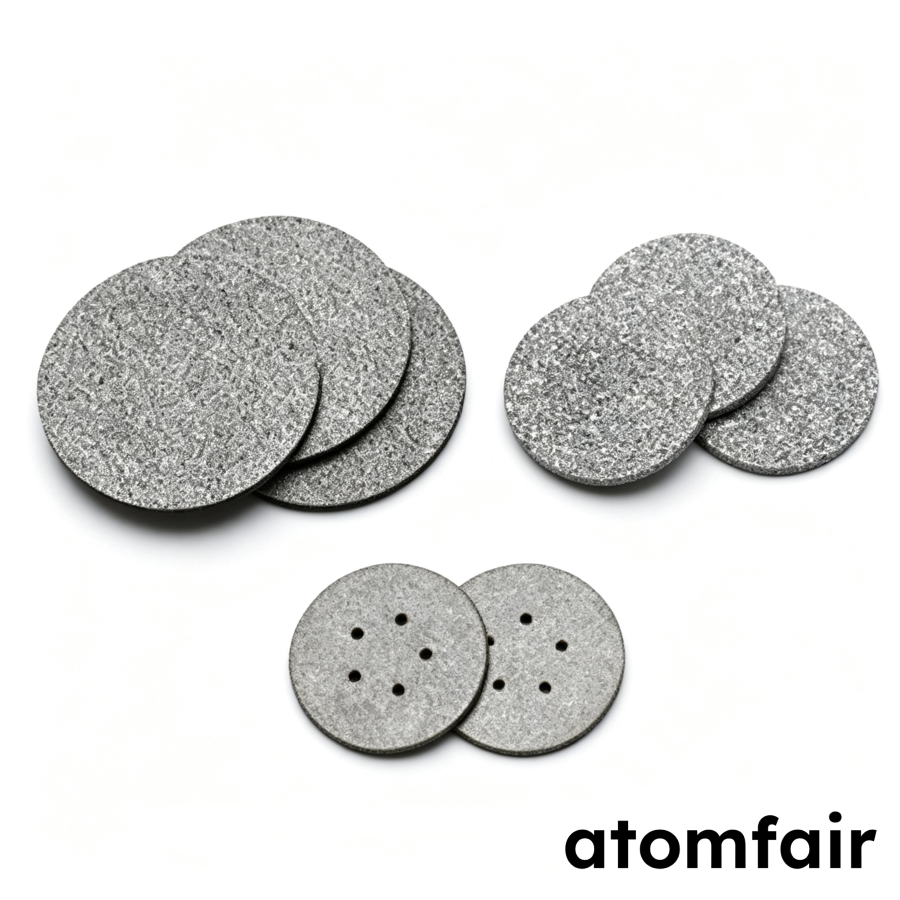
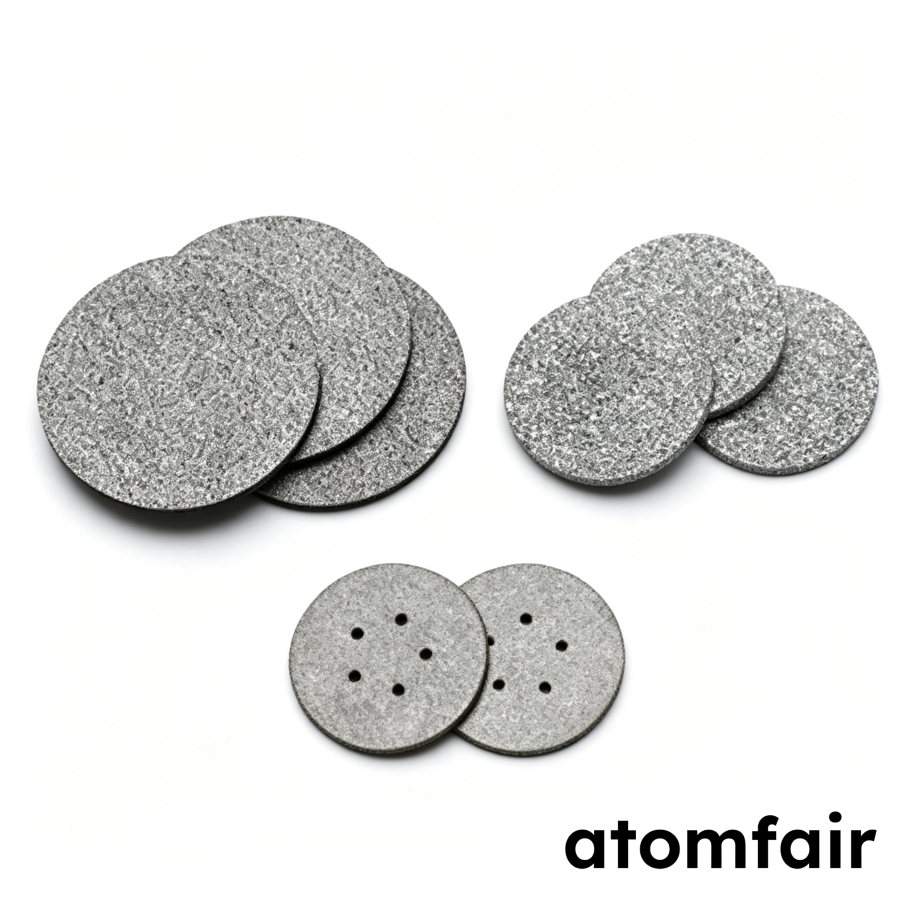
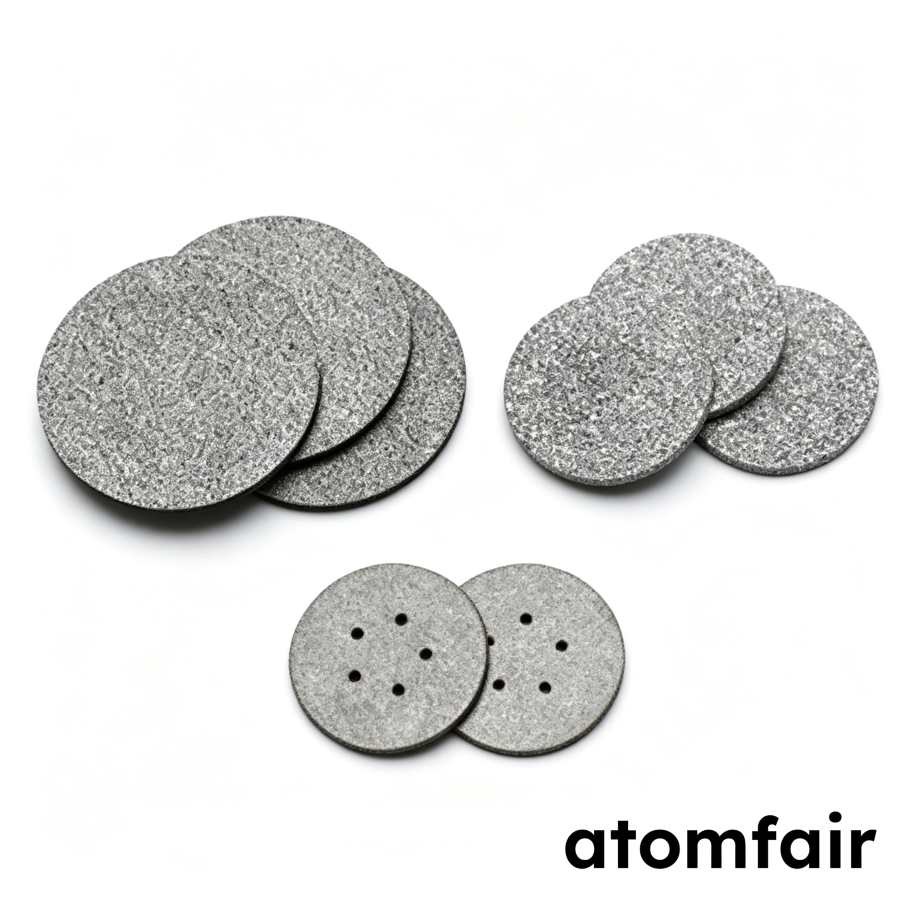
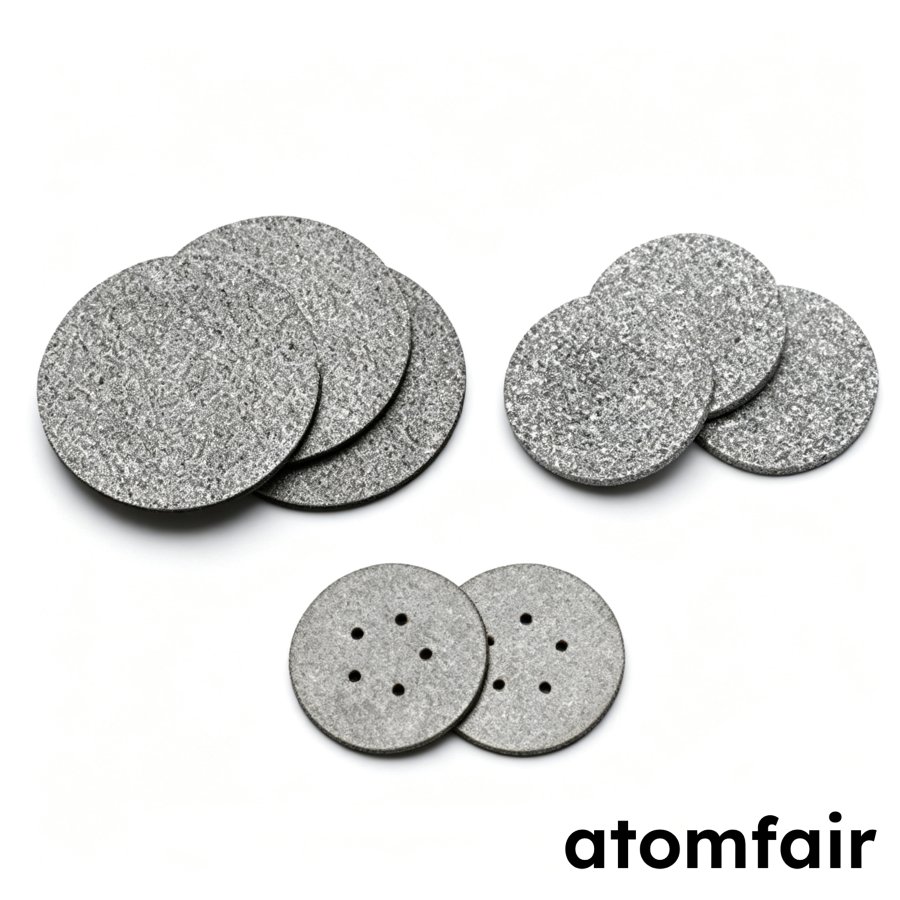
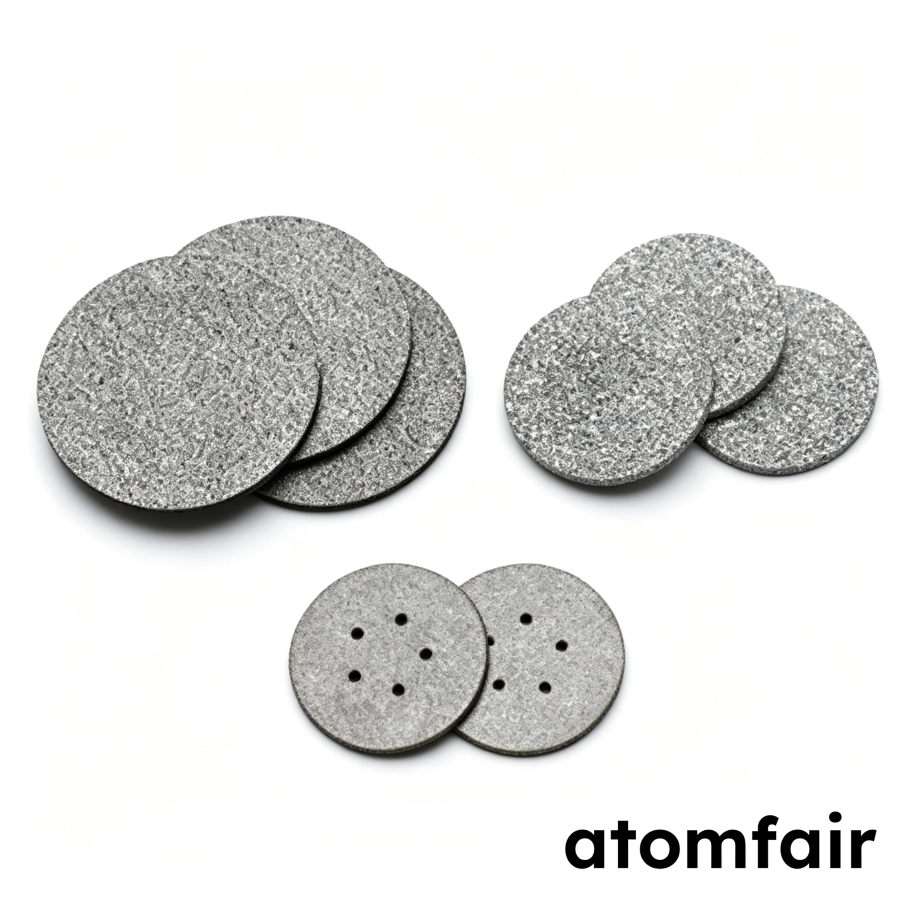
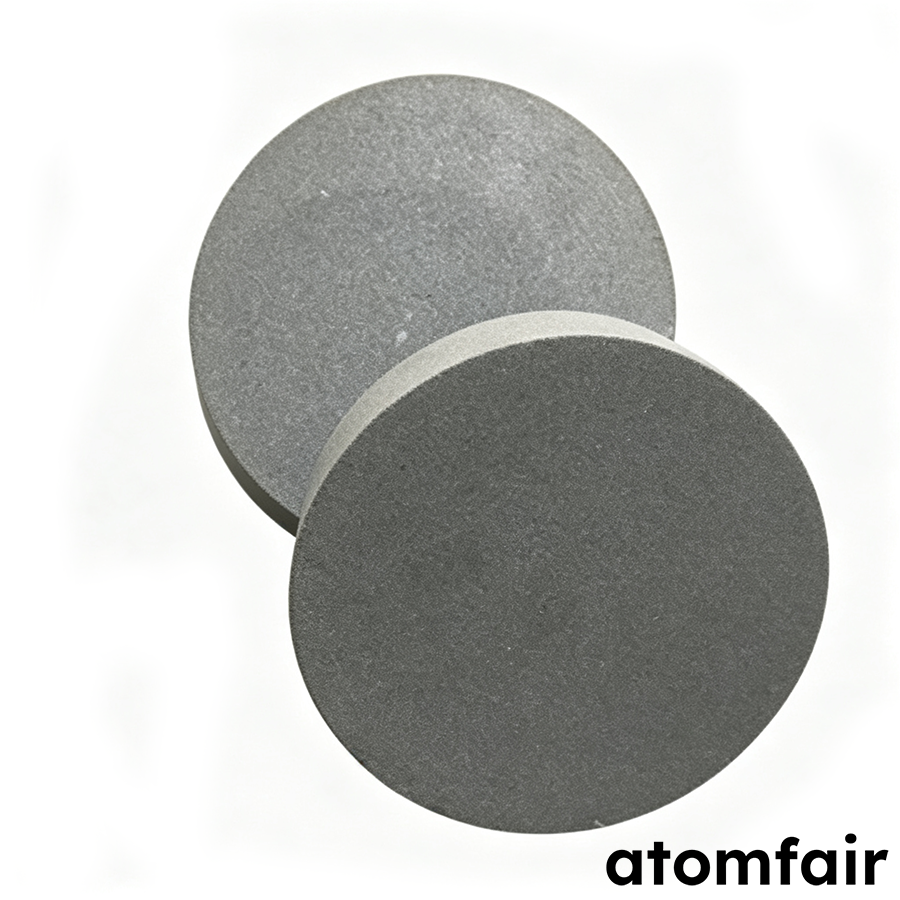
316L Stainless Steel Powder-Sintered Filter Plate, 20 µm Filtration Rating, Ø50 × 5 mm, 30 PPI, 1/5/10 pcs
Research-grade laboratory product
|
|||||||||||||||||||||||||||||||||||||||||||||||
|
|||||||||||||||||||||||||||||||||||||||||||||||
|
LABORATORY PROCUREMENT SUPPORT
For filtration-grade selection, dimensional confirmation, material compatibility or custom configuration review, contact our technical sales team.
E-MAIL: inquiry@atomfair.com
|
|||||||||||||||||||||||||||||||||||||||||||||||
|
Manufacturer: Atomfair LLC
Brand: ATOMFAIR®
|
Operating limits include a maximum working pressure of 3 MPa and a normal use temperature of 500 °C. The media must be cleaned via validated backblowing, backwashing, ultrasonic, or compatible chemical methods to maintain filtration efficiency.
- Temperature and Pressure Limits: Do not exceed the stated 500 °C normal-use temperature or 3 MPa maximum working pressure to avoid structural failure.
- Flow Direction: Maintain flow from the outside surface toward the clean side to prevent pressure buildup and media damage.
- Cleaning Compatibility: Select compatible cleaning agents based on the retained material, considering dilute acids, alkalis, oxidizing agents, surfactants, or enzymes.
- Handling Precautions: Avoid impact, scratching, or concentrated tool pressure on the porous surface to prevent damage and premature failure.
Follow these steps to ensure proper installation and cleaning of the filter plate. Gradually pressurize the system and monitor filtration efficiency to trigger cleaning when needed.
Required Equipment: Backflushing or backwashing equipment, Ultrasonic cleaner, Clean fluid or gas source, Compatible chemical cleaning agents
- Confirm Operating Parameters
Confirm the required operating parameters (flow, pressure, temperature, and media compatibility) against the product specifications. - Install with Correct Orientation
Install the filter plate with the outside surface facing the upstream flow direction. - Gradually Increase Pressure
Increase the system pressure gradually to the desired working pressure, avoiding sudden spikes. - Monitor Filtration Efficiency
Monitor filtered output; if filtration efficiency falls below 50%, initiate a backblowing or backwashing cycle. - Perform Periodic Cleaning
Perform periodic cleaning using a validated method such as ultrasonic cleaning or compatible chemical agents.
What is the maximum working pressure and temperature for the 316L powder-sintered filter plate with 20 µm rating?
The maximum working pressure is ≤3 MPa, and the normal use temperature is ≤500 °C. These limits apply to the Ø50 × 5 mm, 30 PPI, 20 µm filter plate in 316L stainless steel. Operating beyond these thresholds may compromise the sintered porous structure and mechanical integrity.
Can this 20 µm sintered filter plate be cleaned and reused, and what cleaning methods are compatible?
Yes, the powder-sintered metallic media can be regenerated by backblowing, backwashing, ultrasonic cleaning, or chemical cleaning with dilute acid, dilute alkali, oxidizing agents, surfactants, or enzymes. The cleaning method should be selected based on the retained material and process medium. Avoid impact, scratching, or concentrated tool pressure on the porous surface to maintain filtration performance.
What is the porosity and bulk density range of the 30 PPI 316L sintered filter plate?
The porosity is 30–45%, and the bulk density ranges from 4.4 to 5.6 g/cm³. The nominal pore spacing is 0.85 mm for the 30 PPI structure. These parameters support stable gas or liquid passage with low initial resistance while maintaining particle retention at the 20 µm filtration rating.
This Ø50 × 5 mm 316L powder-sintered filter plate provides a 20 µm filtration rating through a 30 PPI interconnected pore network with 30–45% porosity, supporting cleanable, weldable porous media for gas and liquid filtration up to 500 °C and 3 MPa. The 1/5/10 piece packaging supports laboratory trials, replacement programs, and small-batch equipment integration.
Positive
- 20 µm rating with interconnected pore network: The sintered 316L plate combines a 20 µm filtration rating with 30 PPI porous structure, 0.85 mm nominal pore spacing, and 30–45% porosity, providing stable gas or liquid passage with low initial resistance.
- Cleanable and weldable self-supporting construction: Rigid 316L metallic media can be welded, bonded, or mechanically integrated and regenerated by backblowing, backwashing, ultrasonic cleaning, or compatible chemical cleaning procedures.
Trade-offs
- Pressure ramp and surface handling constraints: Pressure must be increased gradually, and the porous surface must be protected from impact, scratching, or concentrated tool pressure. If filtration efficiency drops below 50%, a validated backblowing or backwashing procedure is required.
- Operating limits require pre-order confirmation: Normal use is limited to ≤500 °C and ≤3 MPa, and the through-pore rate, target flow, working pressure, temperature, media compatibility, and dimensional tolerance must be confirmed before ordering.
Every advanced material, component, equipment, and instrument in our catalog is backed by rigorous testing. We maintain strict internal quality management frameworks and align with CE conformity metrics to deliver transparent, reproducible performance data via our public open-science repository.
To request raw batch performance data, submit formal vendor registration paperwork, or execute a fast-turnaround R&D manufacturing loop, contact us at inquiry@atomfair.com.
Item is dispatched under the Atomfair Shipping & Delivery Framework (Free worldwide shipping on orders over $59 USD excl. heavy equipment). Return is governed by the Atomfair Return & Refund Policy (7-day technical return window).