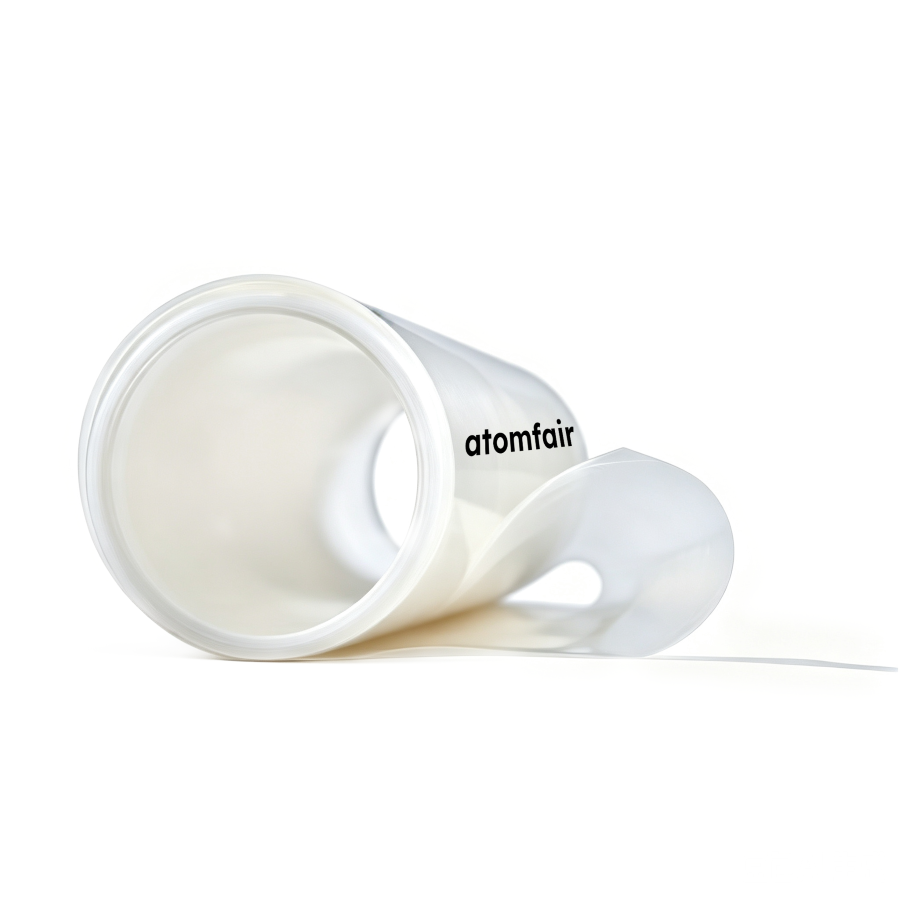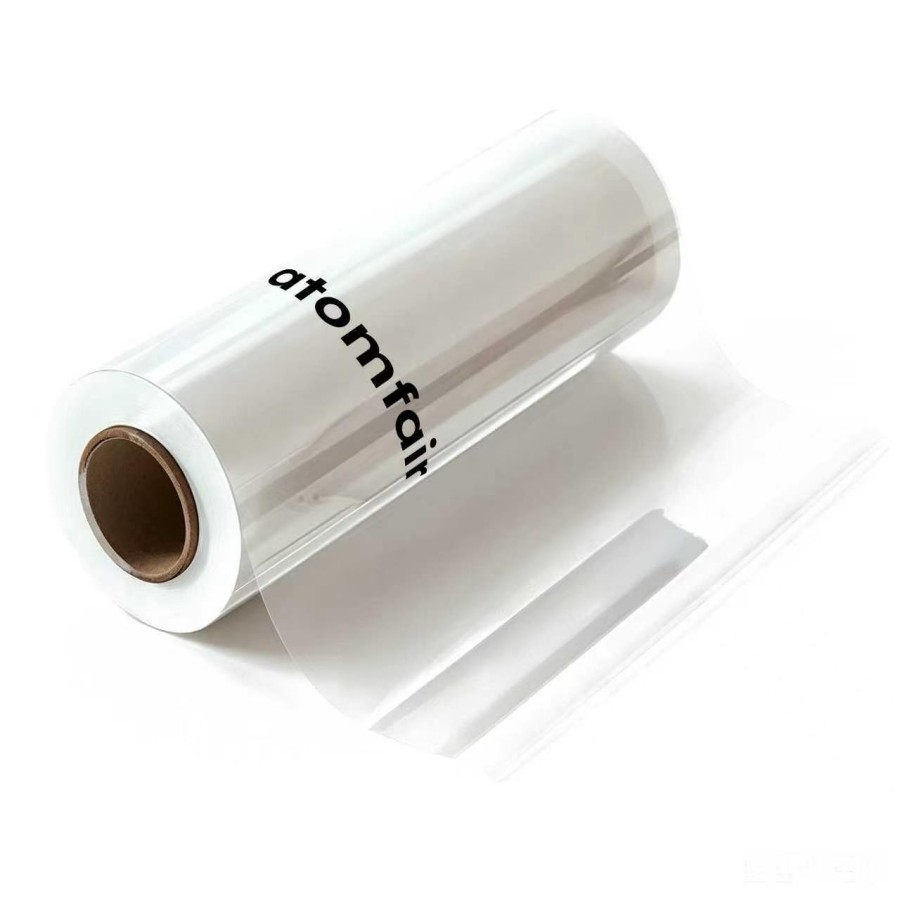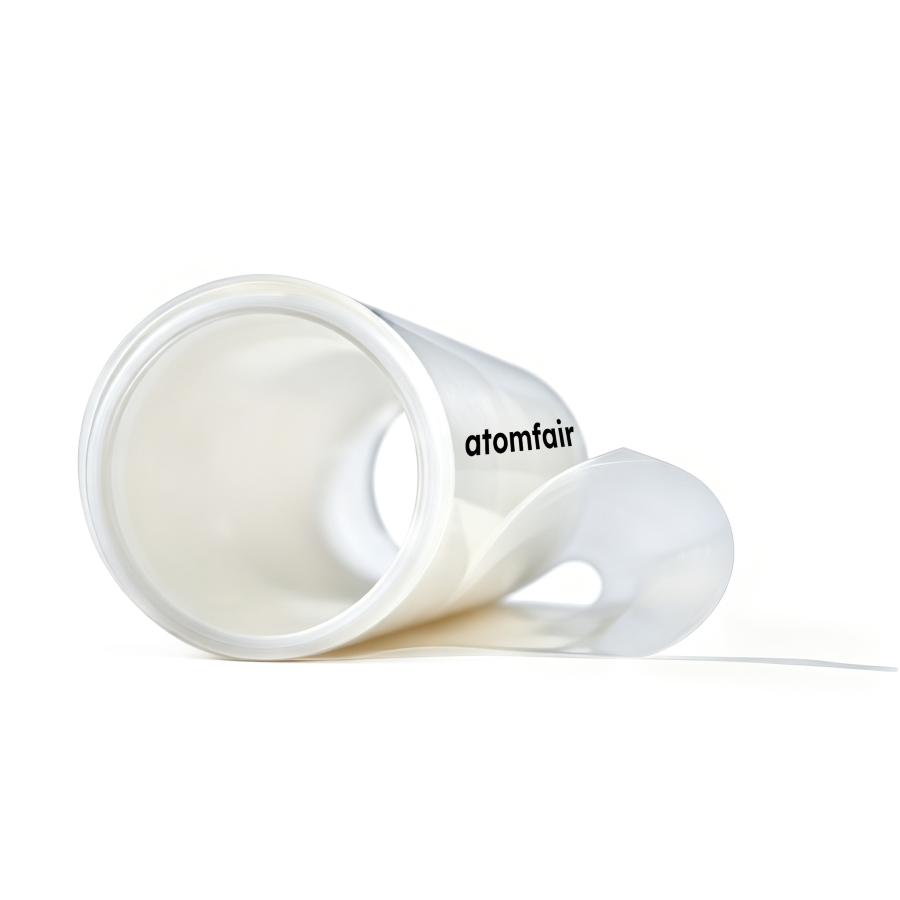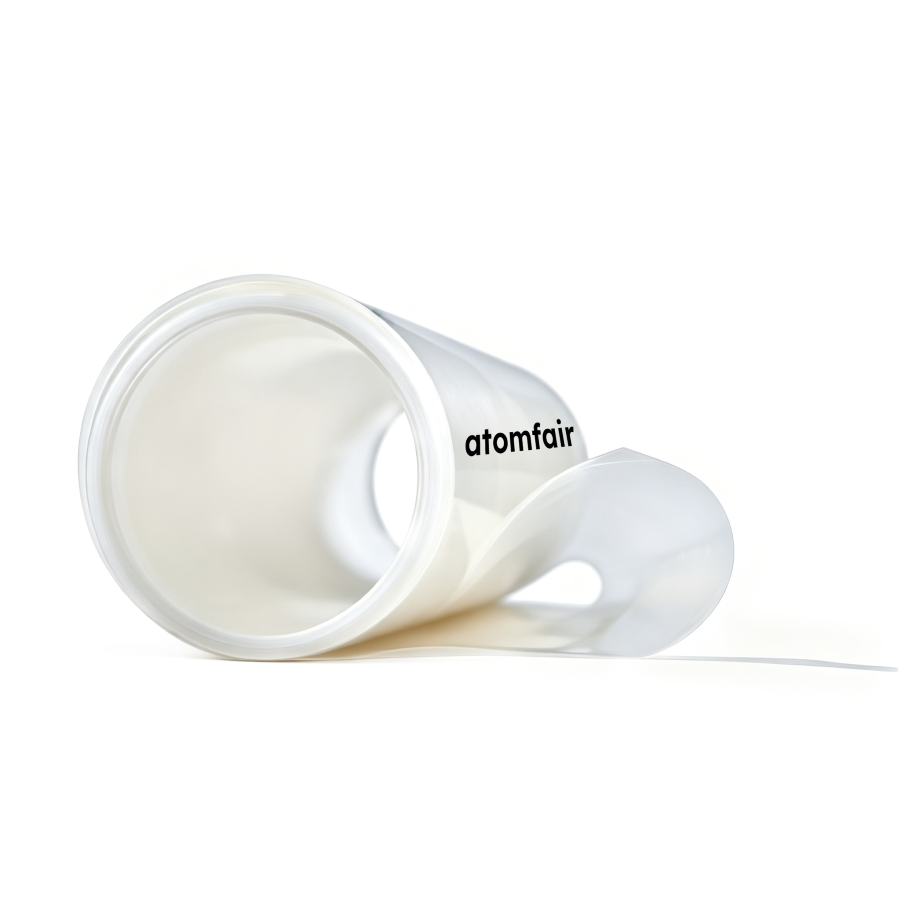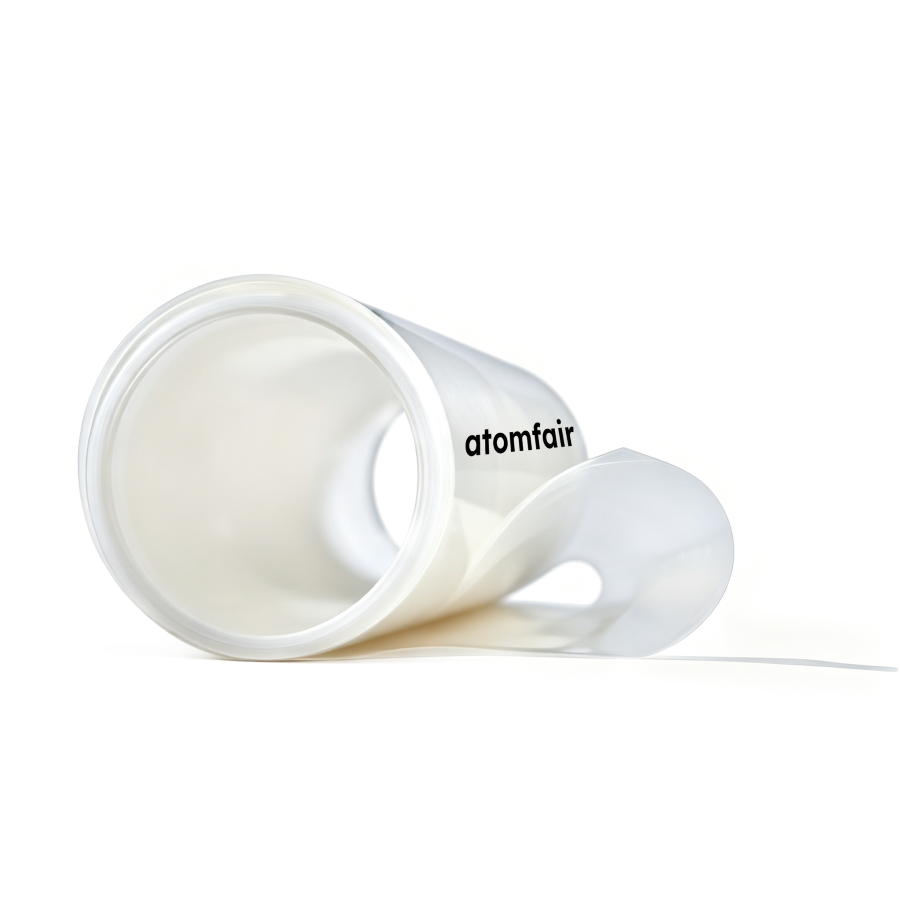
N-115 Perfluorosulfonic Acid Proton Exchange Membrane for PEMWEProduct Type: PEMWE Hydrogen Production Proton Exchange Membrane
commercialn grade product
|
|||||||||||||||||||||||||||||||||||
|
|||||||||||||||||||||||||||||||||||
|
LABORATORY PROCUREMENT SUPPORT
For model selection, application fit or configuration confirmation, contact our technical sales team.
E-MAIL: inquiry@atomfair.com
|
|||||||||||||||||||||||||||||||||||
|
Manufacturer: Atomfair LLC
Brand: ATOMFAIR®
|
How does the acid capacity of 1.00 ± 0.05 meq/g for the N-115 perfluorosulfonic acid membrane influence its proton conductivity and suitability for PEM water electrolysis?
The acid capacity of 1.00 ± 0.05 meq/g directly determines the number of ion-exchange sites available for proton transport, which is critical for efficient electrolysis. This membrane achieves a conductivity of ≥0.100 S/cm, consistent with this acid capacity. The narrow tolerance ensures reproducible electrochemical activity across batches.
What mechanical properties must be considered when integrating the N-115 membrane (125 μm thickness, ≥28 MPa tensile strength) into a PEMWE stack assembly?
The membrane's tensile strength ≥28 MPa and elastic modulus ≥400 MPa ensure it can withstand the clamping pressures and thermal cycling during stack assembly. The 125 μm thickness provides a balance between mechanical robustness and low ionic resistance, while the ≥120% elongation at break allows for slight deformation without tearing.
What are the implications of the N-115 membrane's water uptake (50.0 ± 5.0%) and as-received water content (5.0 ± 3.0%) for its handling and installation in a PEM electrolyzer stack?
The membrane is supplied with a low water content of 5.0 ± 3.0% and will absorb up to 50.0 ± 5.0% water upon hydration, causing significant swelling. This dimensional change must be accommodated in the stack design to avoid mechanical stress. The basis weight of 246 g/m² and thickness of 125 μm provide a stable handling profile before hydration.
N-115 perfluorosulfonic acid membrane offers high conductivity (≥0.100 S/cm) and mechanical robustness (tensile ≥28 MPa, elastic modulus ≥400 MPa) for PEMWE hydrogen production, but its standard 1 m x 1 m sheet size and hydration sensitivity (water content 5.0 ± 3.0%, water uptake 50.0 ± 5.0%) require careful integration planning and controlled storage conditions.
Positive
- High proton conductivity: Conductivity ≥0.100 S/cm ensures efficient proton transport for industrial electrolysis.
- Mechanical strength for stack assembly: Tensile strength ≥28 MPa and elastic modulus ≥400 MPa provide reliable structural integrity during cell stacking.
Trade-offs
- Standard sheet size limitation: Supplied as 1 m x 1 m sheets; custom dimensions require separate quotation and may affect integration for non-standard cell designs.
- Hydration sensitivity during handling: Water content tolerance (5.0 ± 3.0%) and water uptake (50.0 ± 5.0%) require controlled humidity storage to maintain performance and dimensional stability.
Every advanced material, component, equipment, and instrument in our catalog is backed by rigorous testing. We maintain strict internal quality management frameworks and align with CE conformity metrics to deliver transparent, reproducible performance data via our public open-science repository.
To request raw batch performance data, submit formal vendor registration paperwork, or execute a fast-turnaround R&D manufacturing loop, contact us at inquiry@atomfair.com.
Item is dispatched under the Atomfair Shipping & Delivery Framework (Free worldwide shipping on orders over $59 USD excl. heavy equipment). Return is governed by the Atomfair Return & Refund Policy (7-day technical return window).