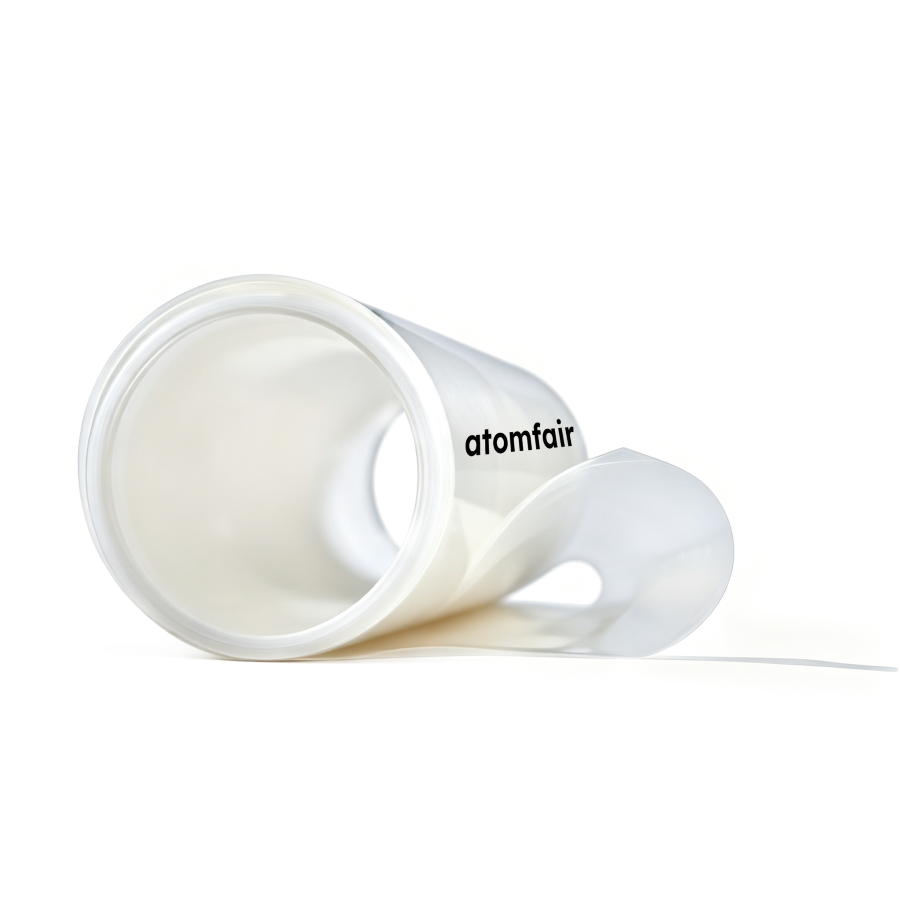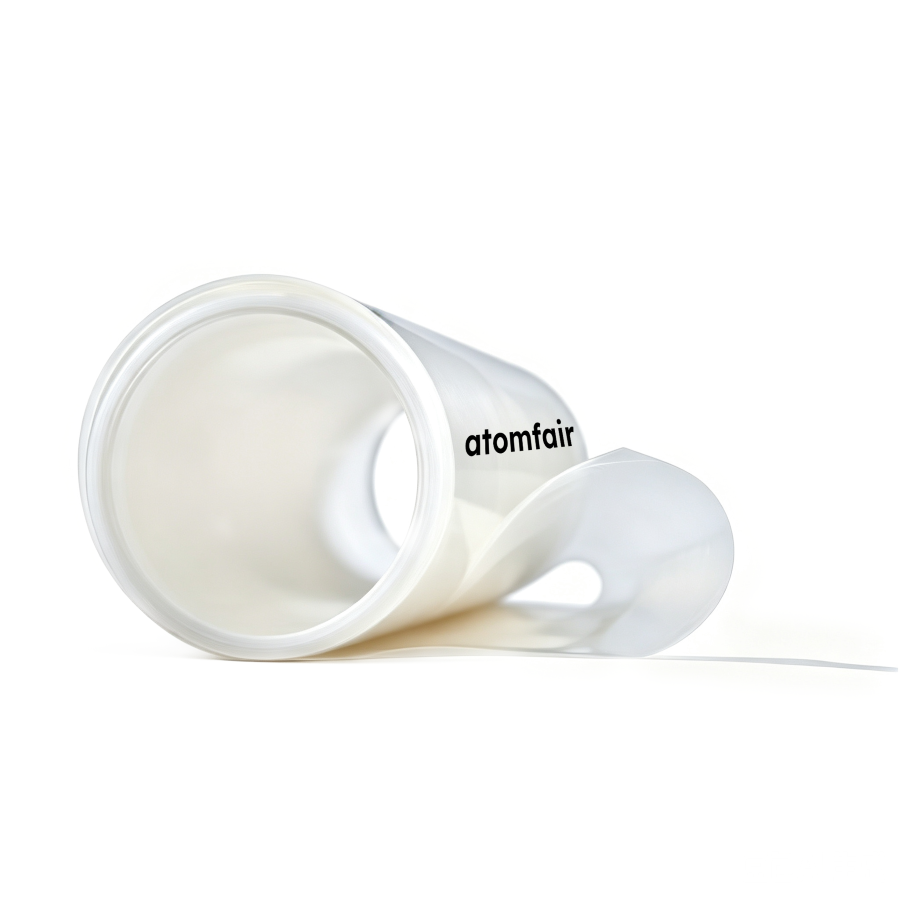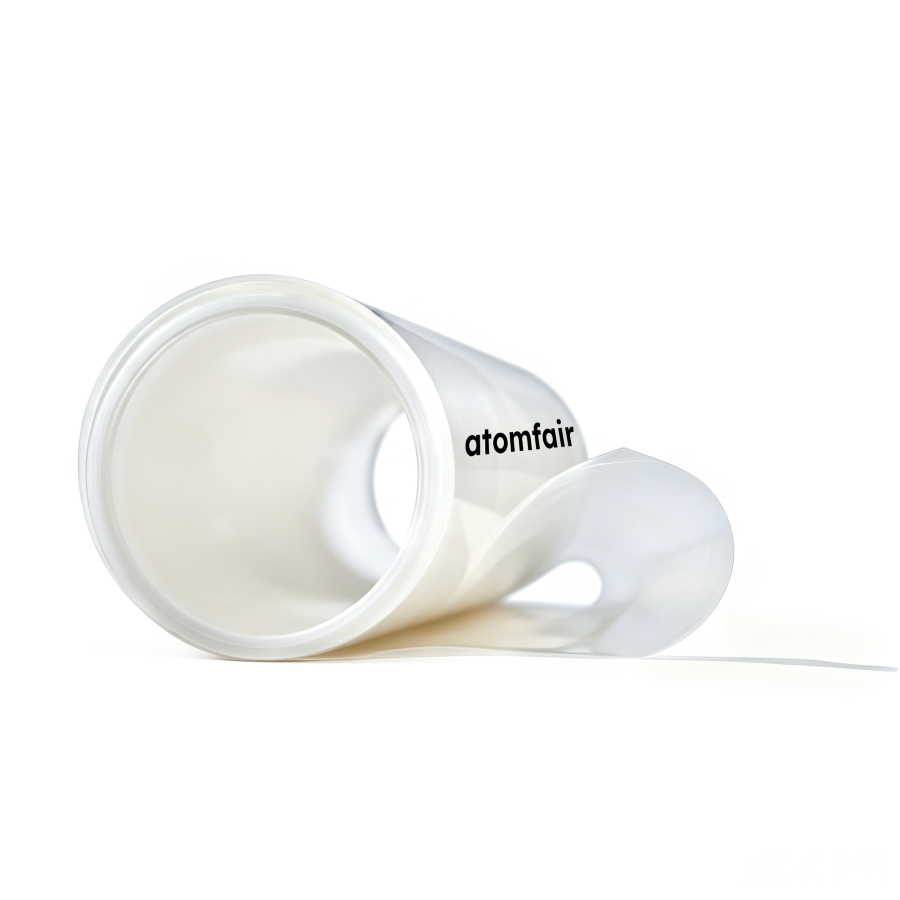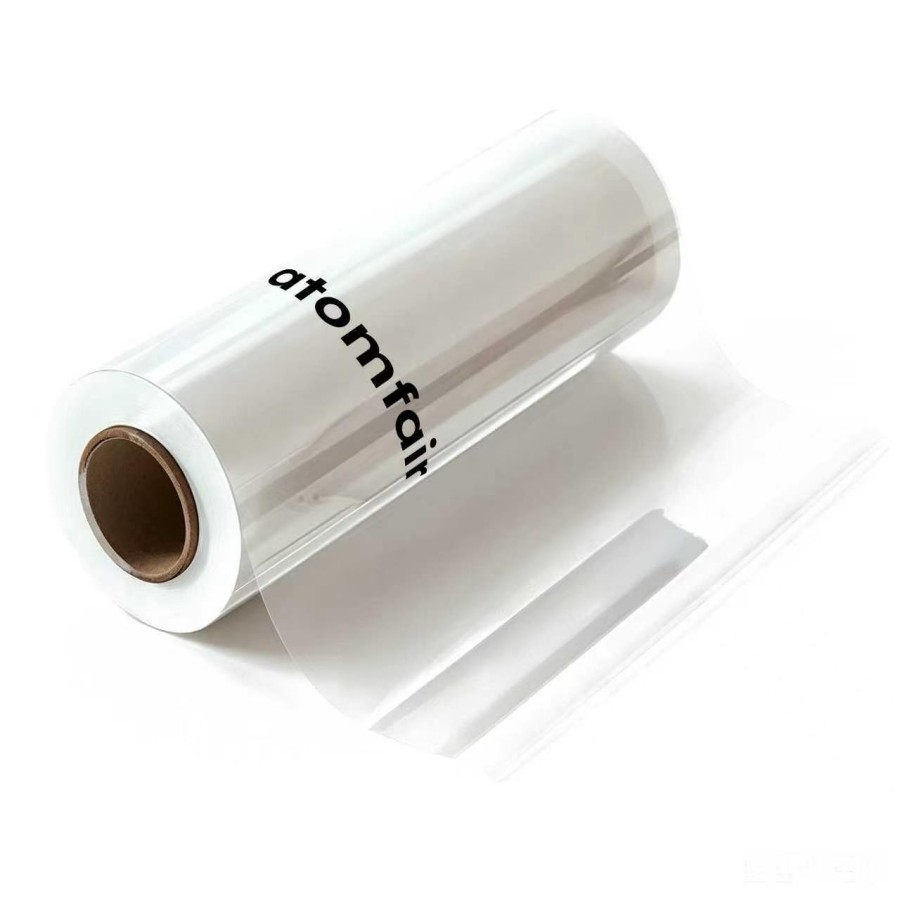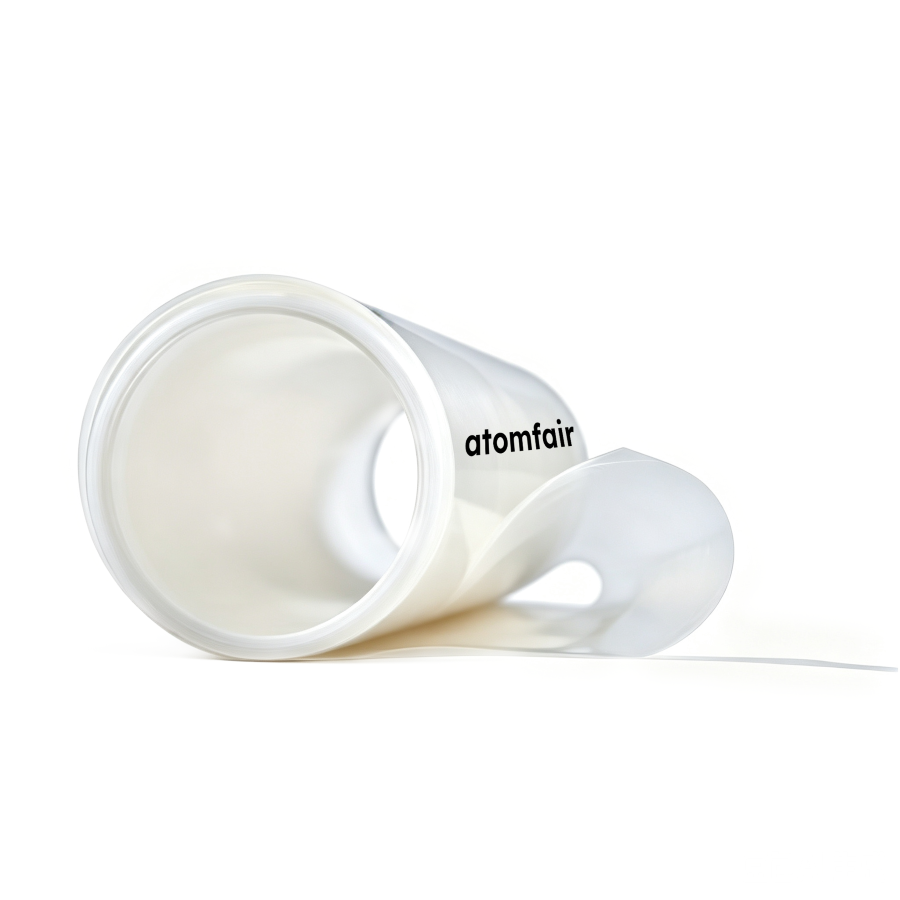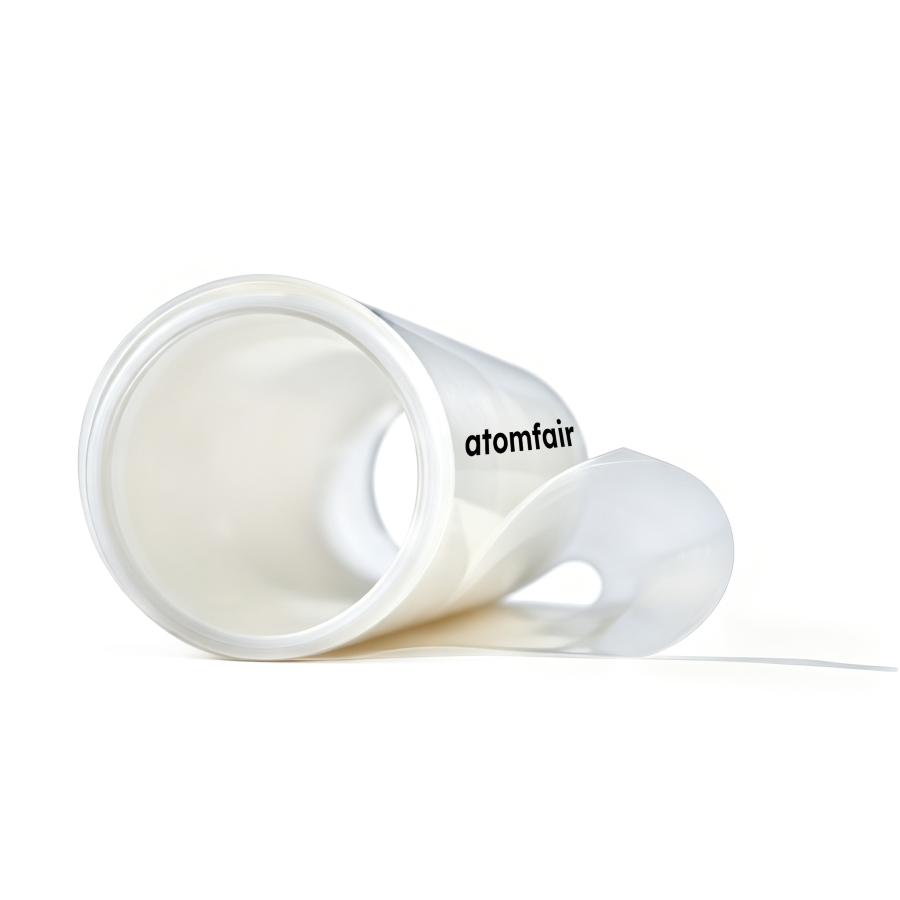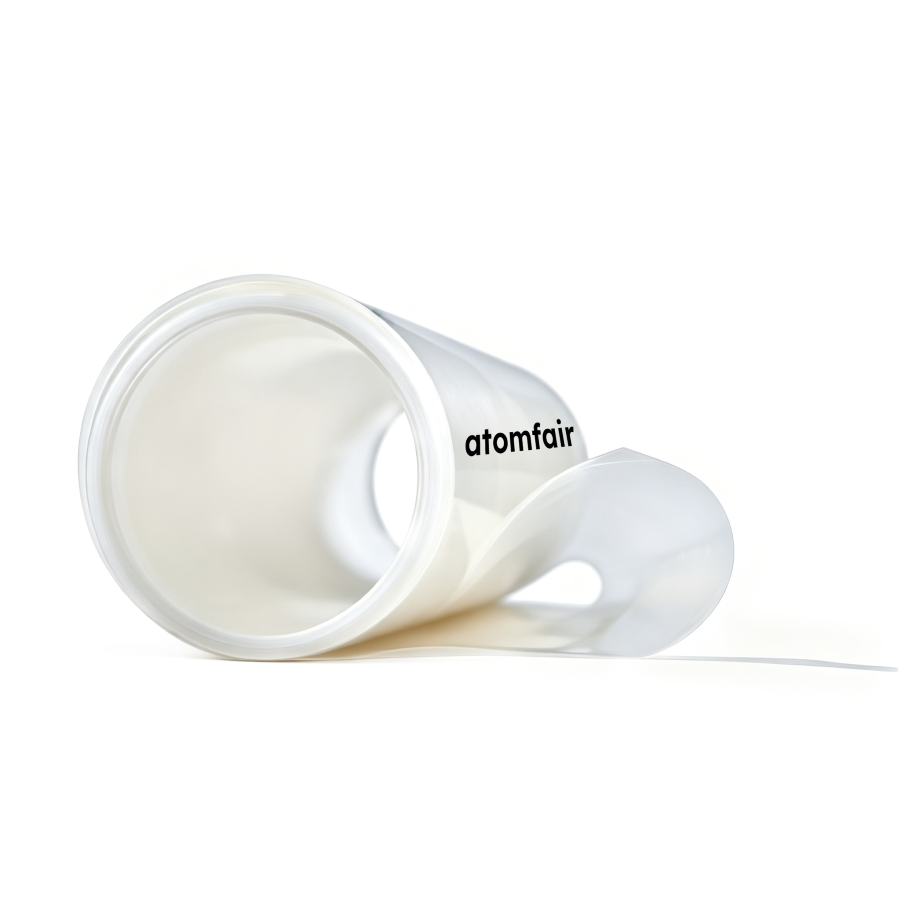
NEPEM N-117W Proton Exchange Membrane for PEMWEProduct Type: PEMWE Hydrogen Production Proton Exchange Membrane
commercial grade product
|
|||||||||||||||||||||||||||||||||||||
|
|||||||||||||||||||||||||||||||||||||
|
LABORATORY PROCUREMENT SUPPORT
For model selection, application fit or configuration confirmation, contact our technical sales team.
E-MAIL: inquiry@atomfair.com
|
|||||||||||||||||||||||||||||||||||||
|
Manufacturer: Atomfair LLC
Brand: ATOMFAIR®
|
This membrane requires controlled environmental conditions to prevent moisture loss or contamination that could degrade proton conductivity. The material exhibits a water content of 5.0 ± 3.0% and water uptake of 50.0 ± 5.0%, indicating sensitivity to ambient humidity.
- Moisture Sensitivity: Maintain the membrane in sealed packaging until use to avoid moisture loss or gain beyond the specified 5.0 ± 3.0% water content range.
- Contamination Prevention: Handle the membrane with clean, powder-free gloves to prevent ionic contamination that could alter acid capacity or conductivity.
- Mechanical Integrity: Avoid creasing or puncturing the 175 μm thick membrane, as elongation at break ≥200% indicates high ductility but localized stress may cause failure.
This procedure outlines the steps to safely handle and install the membrane into a PEMWE cell stack. Proper preparation ensures optimal proton conductivity and mechanical performance during electrolysis operation.
Required Equipment: Clean, powder-free gloves, Deionized water bath (≥18 MΩ·cm), Flat, non-abrasive cutting surface, Cleanroom-grade wipes
- Inspect the membrane
Inspect the membrane visually for any tears, creases, or contamination before removing it from its sealed packaging. - Hydrate the membrane
Immerse the membrane in deionized water at room temperature for at least 30 minutes to achieve equilibrium water uptake of 50.0 ± 5.0%. - Cut to required dimensions
Cut the hydrated membrane to the required cell dimensions using a sharp, clean blade on a flat non-abrasive surface. - Assemble into cell stack
Place the cut membrane between the anode and cathode catalyst-coated layers, ensuring no wrinkles or air pockets are trapped. - Compress the cell stack
Apply uniform compression pressure as specified by the cell manufacturer to achieve proper electrical contact without exceeding the membrane's elastic modulus of ≥200 MPa.
How does the 175 μm thickness of the NEPEM N-117W membrane affect the trade-off between mechanical durability and proton conductivity in PEMWE applications?
The 175 μm thickness provides a balance: it offers high durability with tensile strength ≥28 MPa and elastic modulus ≥200 MPa, while maintaining conductivity ≥0.100 S/cm. The elongation at break ≥200% indicates flexibility that aids in handling and assembly without compromising electrochemical performance.
What are the dissolved hydrogen concentration limits for the N-117W membrane and how does that impact system design?
The membrane has a maximum dissolved hydrogen concentration of 1000 ppb. This reference value must be considered in system design to avoid hydrogen crossover, which could affect efficiency and safety. The membrane's conductivity and acid capacity (1.00±0.05 meq/g) are optimized for PEMWE, but the hydrogen crossover limit is a key parameter for selecting membranes in high-pressure electrolysis systems.
What are the recommended storage and handling conditions for the N-117W proton exchange membrane to maintain its water uptake and conductivity?
The membrane has a specified water content of 5.0±3.0% and water uptake of 50.0±5.0%. To maintain these properties, the membrane should be kept in sealed packaging to prevent moisture loss or gain. Standard packaging ensures protection during transit, and for custom sizes, contact the manufacturer for handling guidelines. The membrane's specific gravity of 1.98 and thickness of 175 μm indicate it is robust but requires careful handling to avoid contamination.
The NEPEM N-117W is a 175 μm thick proton exchange membrane for PEM water electrolysis, featuring tensile strength ≥28 MPa, elongation ≥200%, and conductivity ≥0.100 S/cm for durable and efficient operation.
Positive
- High Durability and Flexibility: Thickness of 175 μm with elongation ≥200% provides mechanical robustness and ease of handling during fabrication and integration.
- High Proton Conductivity: Conductivity ≥0.100 S/cm enables efficient proton exchange, reducing ohmic losses in PEMWE systems.
Trade-offs
- Standard Sheet Size Only: Supplied as 1 m x 1 m sheets; custom dimensions require email inquiry and confirmation, which may delay procurement for non-standard setups.
Every advanced material, component, equipment, and instrument in our catalog is backed by rigorous testing. We maintain strict internal quality management frameworks and align with CE conformity metrics to deliver transparent, reproducible performance data via our public open-science repository.
To request raw batch performance data, submit formal vendor registration paperwork, or execute a fast-turnaround R&D manufacturing loop, contact us at inquiry@atomfair.com.
Item is dispatched under the Atomfair Shipping & Delivery Framework (Free worldwide shipping on orders over $59 USD excl. heavy equipment). Return is governed by the Atomfair Return & Refund Policy (7-day technical return window).