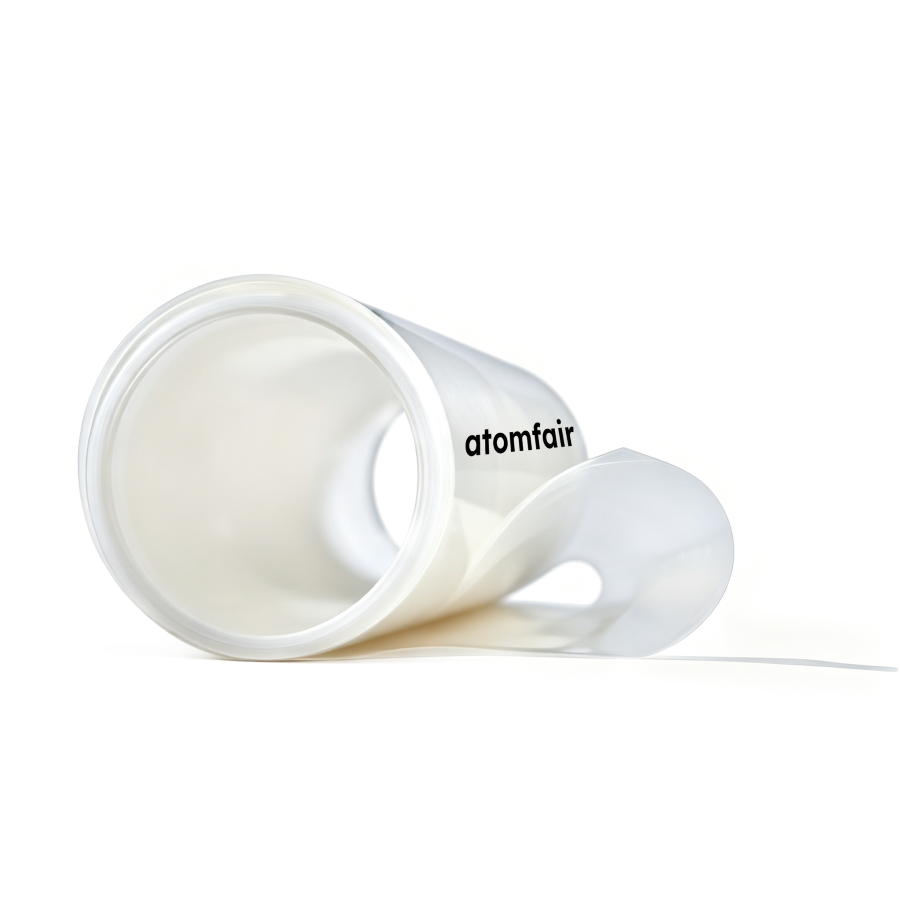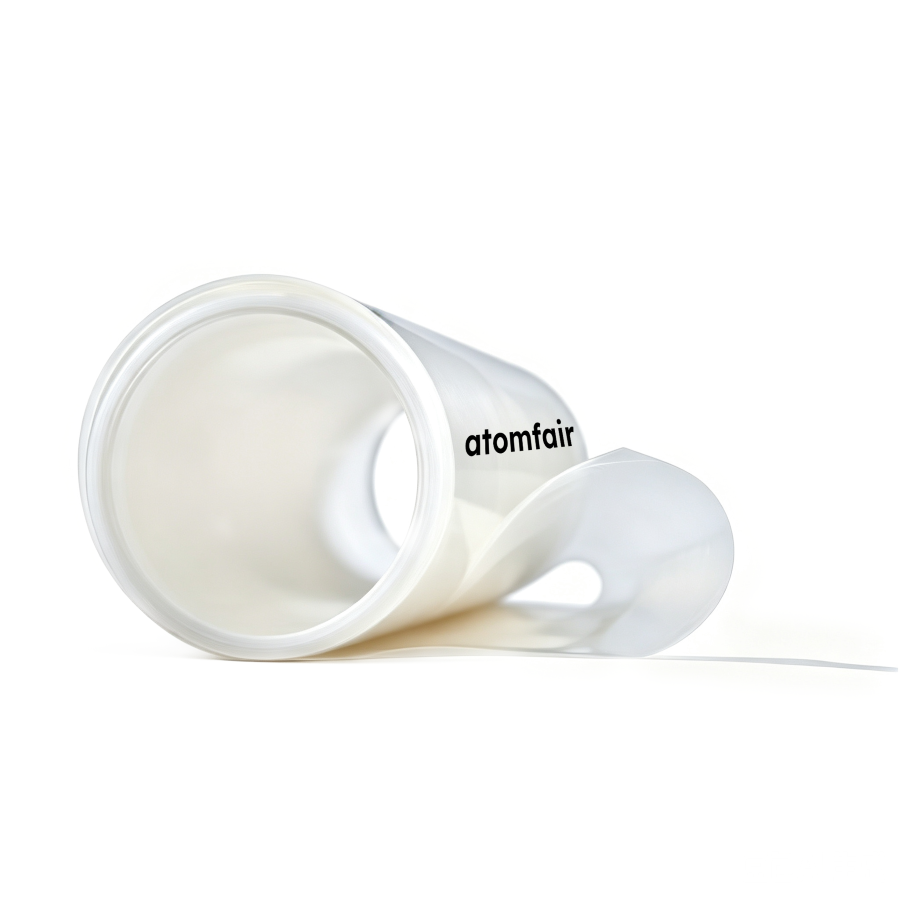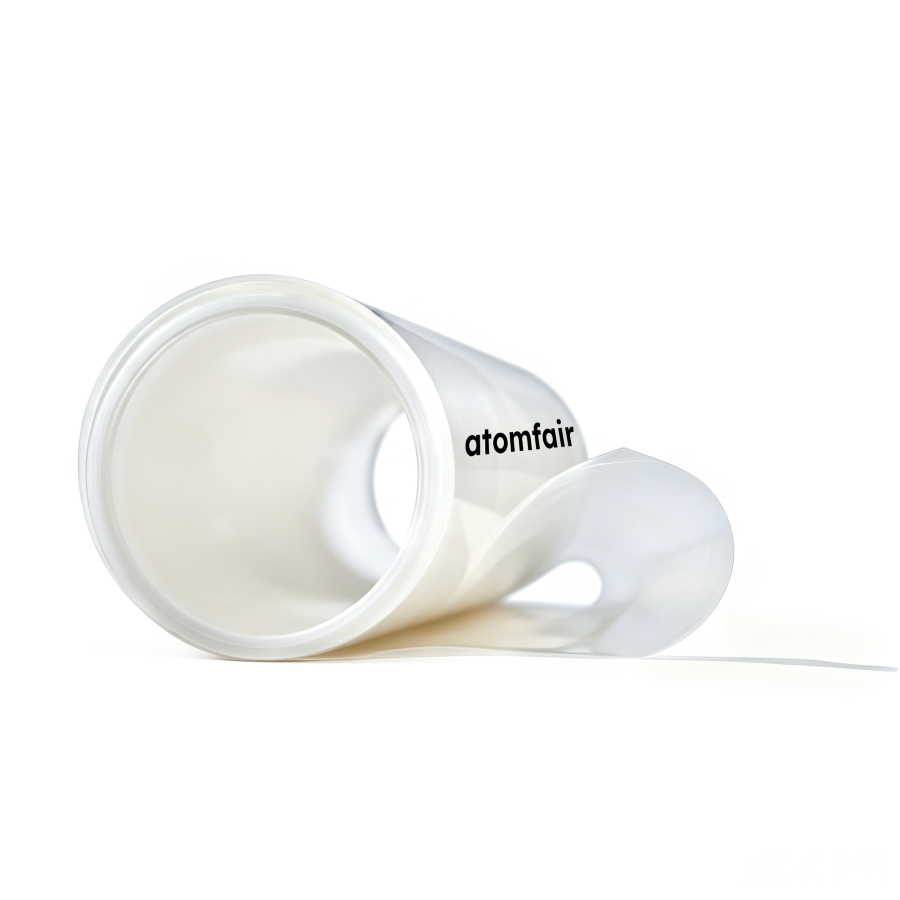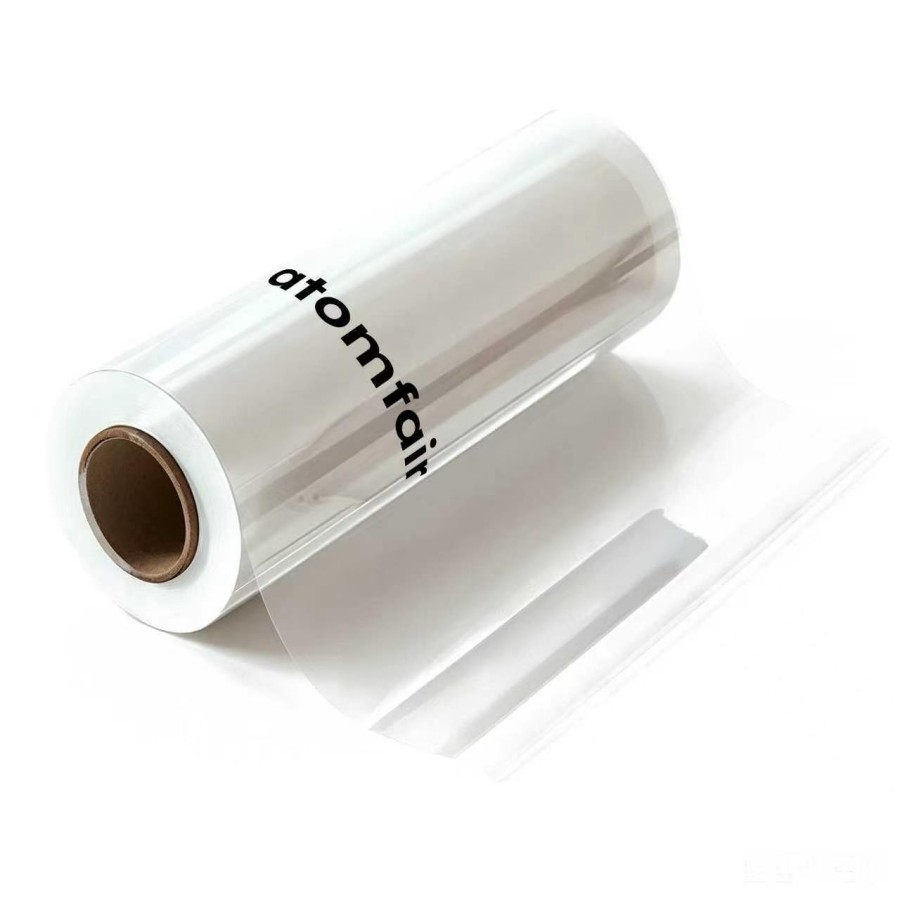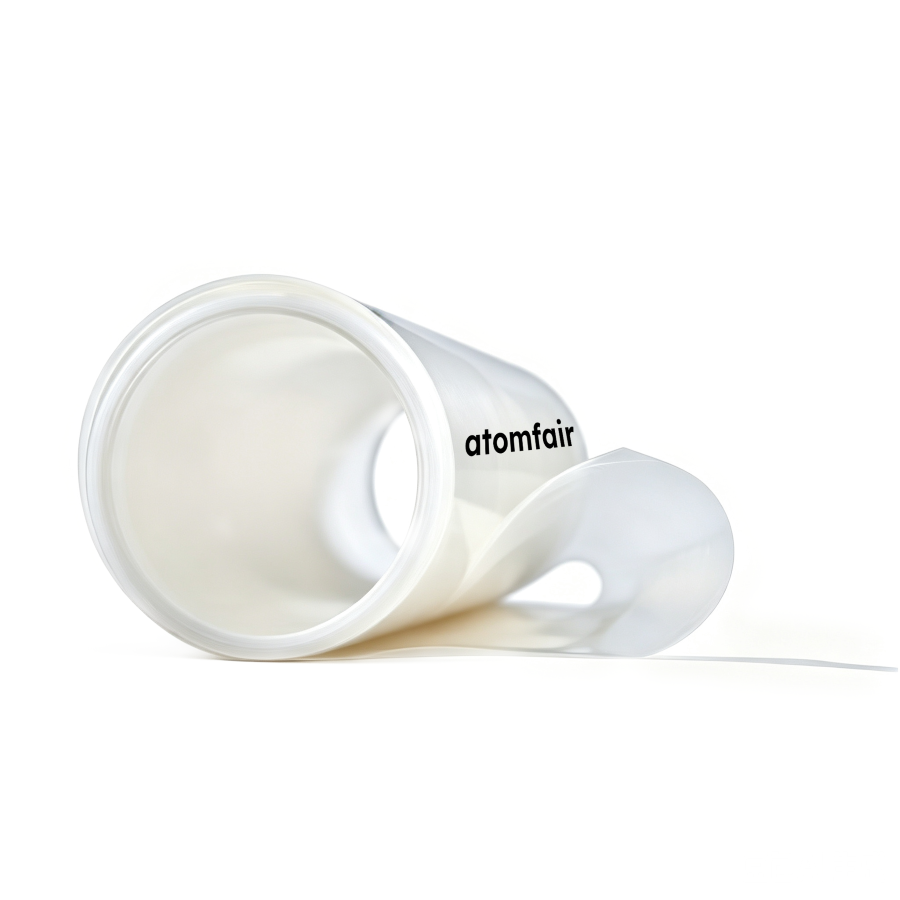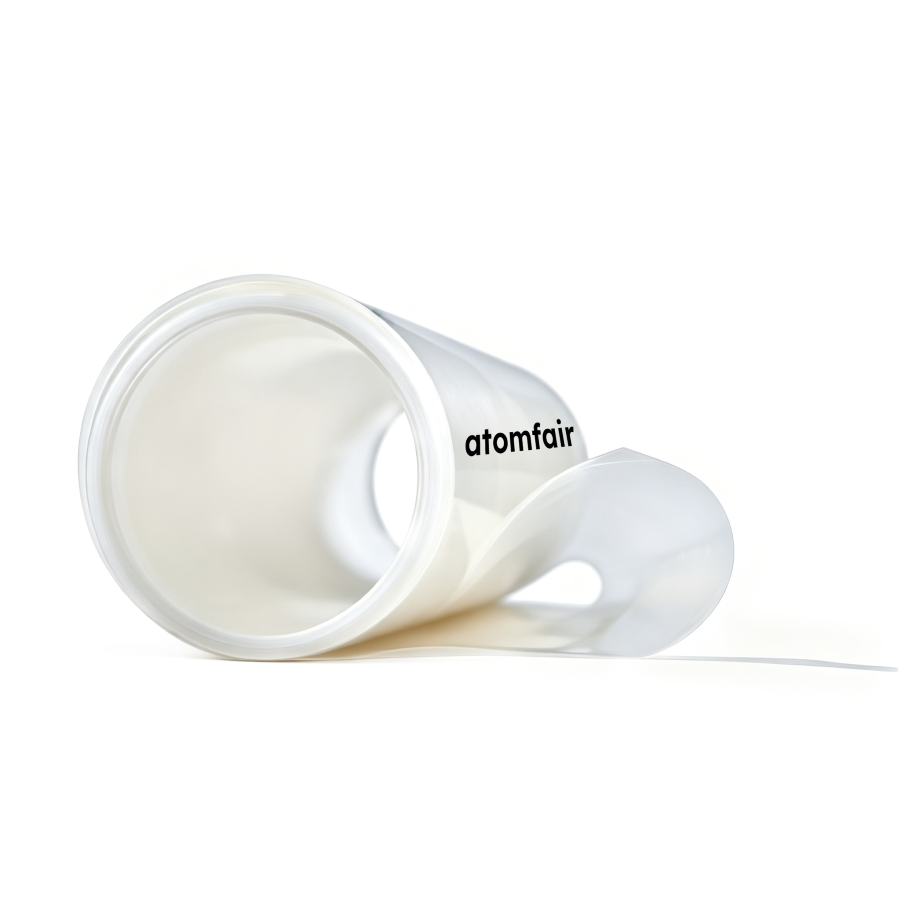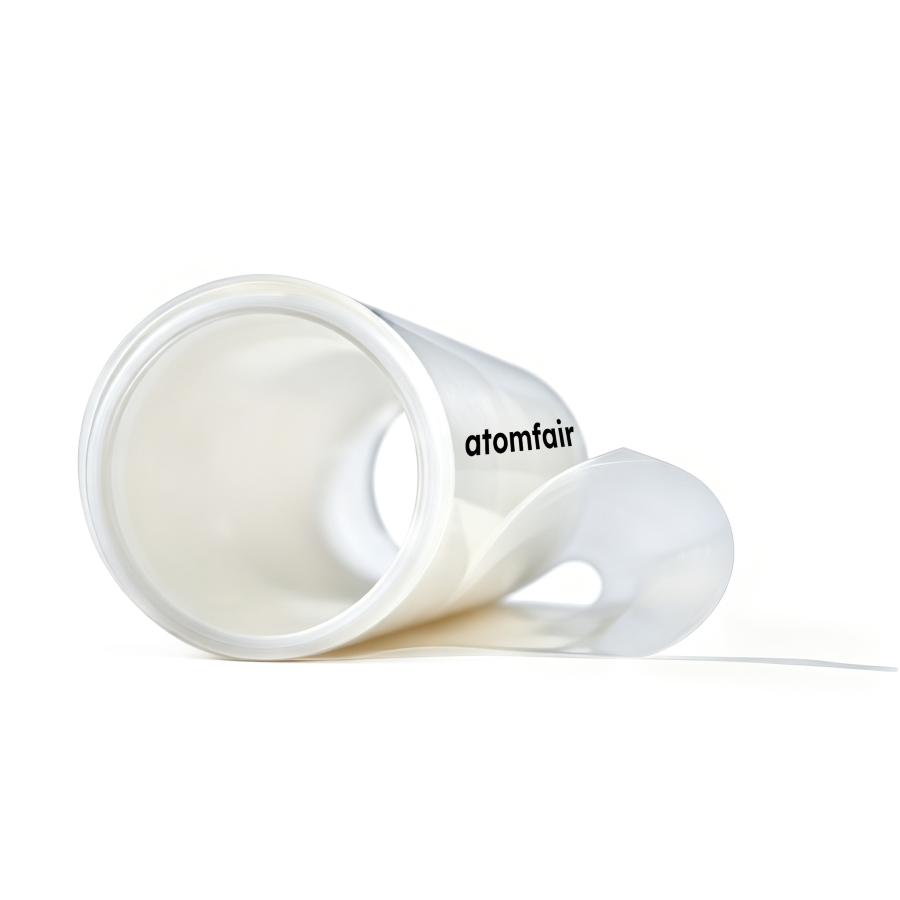
N-116W Perfluorosulfonic Acid Proton Exchange Membrane for PEMWEProduct Type: PEMWE Hydrogen Production Proton Exchange Membrane
commercial grade product
|
|||||||||||||||||||||||||||||||||||||
|
|||||||||||||||||||||||||||||||||||||
|
LABORATORY PROCUREMENT SUPPORT
For model selection, application fit or configuration confirmation, contact our technical sales team.
E-MAIL: inquiry@atomfair.com
|
|||||||||||||||||||||||||||||||||||||
|
Manufacturer: Atomfair LLC
Brand: ATOMFAIR®
|
How does the combination of 150 μm thickness, elongation ≥200%, and tensile strength ≥28 MPa affect the processability and long-term mechanical integrity of the N-116W membrane in PEM electrolyzers?
The membrane offers a balance: the 150 μm thickness provides structural support while the high elongation (≥200%) ensures flexibility during roll-to-roll processing. The tensile strength ≥28 MPa and elastic modulus ≥200 MPa enable it to withstand the mechanical stresses in a PEMWE stack without cracking, making it suitable for moderate-durability hydrogen energy systems.
What is the maximum dissolved hydrogen concentration allowable in the N-116W membrane, and why is this parameter critical for PEMWE operation?
The membrane has a maximum dissolved hydrogen concentration of 1000 ppb. This limit is critical because excessive hydrogen crossover can reduce faradaic efficiency and pose safety risks in high-pressure electrolysis. The specification ensures that the membrane maintains low gas permeability under typical operating conditions.
What are the key considerations for handling and storing the N-116W membrane before installation to preserve its water content and proton conductivity?
The membrane is supplied in standard packaging for transit protection. To preserve its specified water content (5.0±3.0%) and water uptake (50±5%), it should remain in the sealed packaging until use, as deviations in moisture content can affect proton conductivity (≥0.100 S/cm) and acid capacity (1.00±0.05 meq/g).
The N-116W perfluorosulfonic acid membrane (150 μm, 295 g/m²) provides a balanced combination of proton conductivity (≥0.100 S/cm) and mechanical strength (≥28 MPa tensile, ≥200% elongation) for PEMWE applications, but requires careful water content management and compliance with a 1000 ppb dissolved hydrogen limit.
Positive
- Balanced Thickness and Flexibility: 150 μm thickness with ≥200% elongation enables good processability and handling during membrane electrode assembly fabrication.
- High Proton Conductivity: Conductivity ≥0.100 S/cm ensures efficient proton transport suitable for hydrogen energy electrolysis systems.
Trade-offs
- Dissolved Hydrogen Concentration Limit: Maximum dissolved hydrogen concentration of 1000 ppb imposes a constraint on operating conditions to avoid membrane degradation or excessive hydrogen crossover.
- Water Content Sensitivity: Water content of 5.0±3.0% and water uptake of 50.0±5.0% require precise humidity control during storage, handling, and operation to maintain performance and dimensional stability.
Every advanced material, component, equipment, and instrument in our catalog is backed by rigorous testing. We maintain strict internal quality management frameworks and align with CE conformity metrics to deliver transparent, reproducible performance data via our public open-science repository.
To request raw batch performance data, submit formal vendor registration paperwork, or execute a fast-turnaround R&D manufacturing loop, contact us at inquiry@atomfair.com.
Item is dispatched under the Atomfair Shipping & Delivery Framework (Free worldwide shipping on orders over $59 USD excl. heavy equipment). Return is governed by the Atomfair Return & Refund Policy (7-day technical return window).