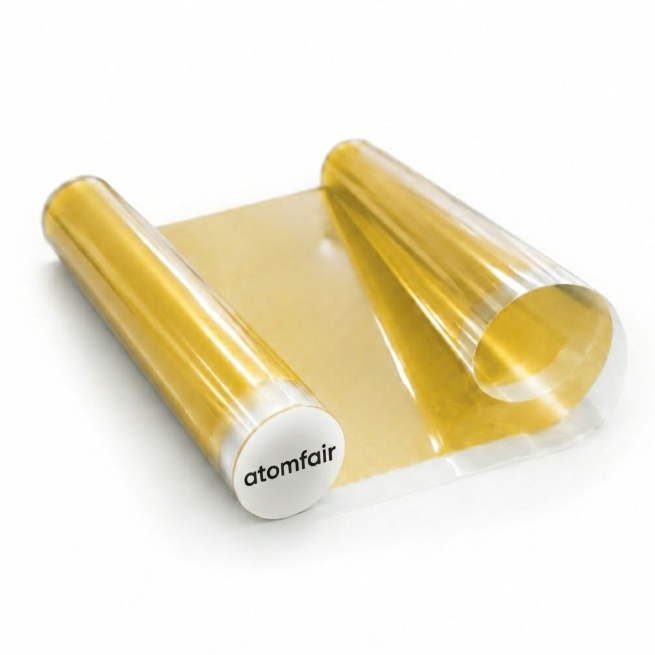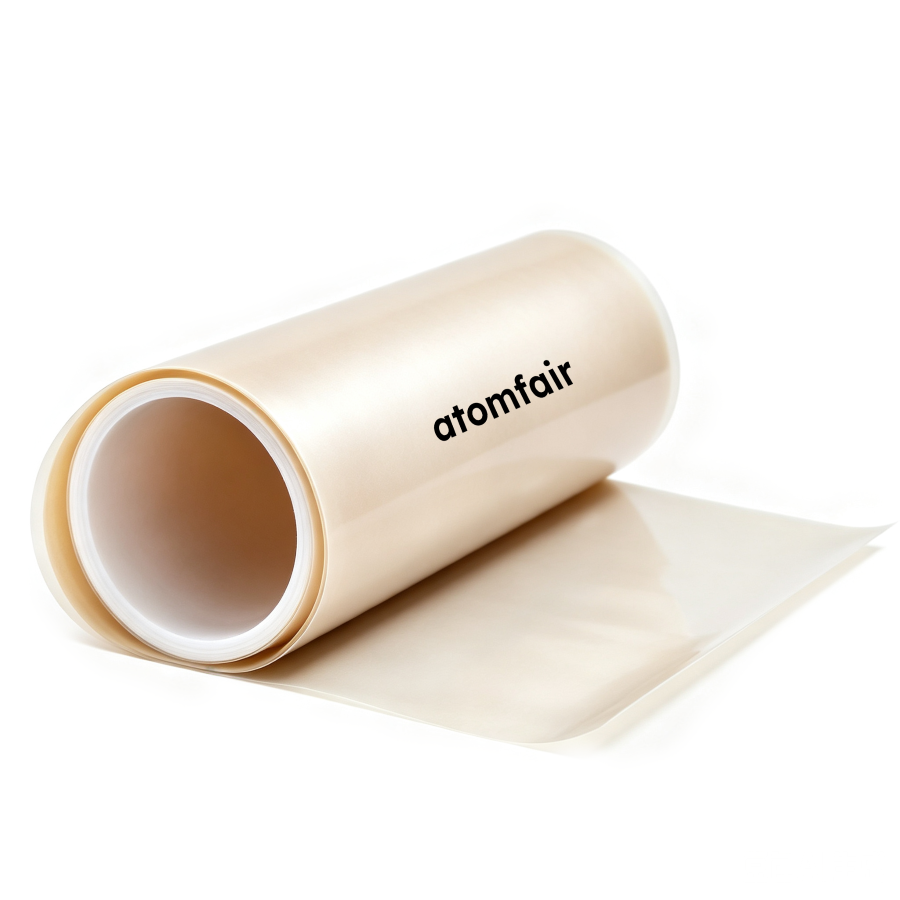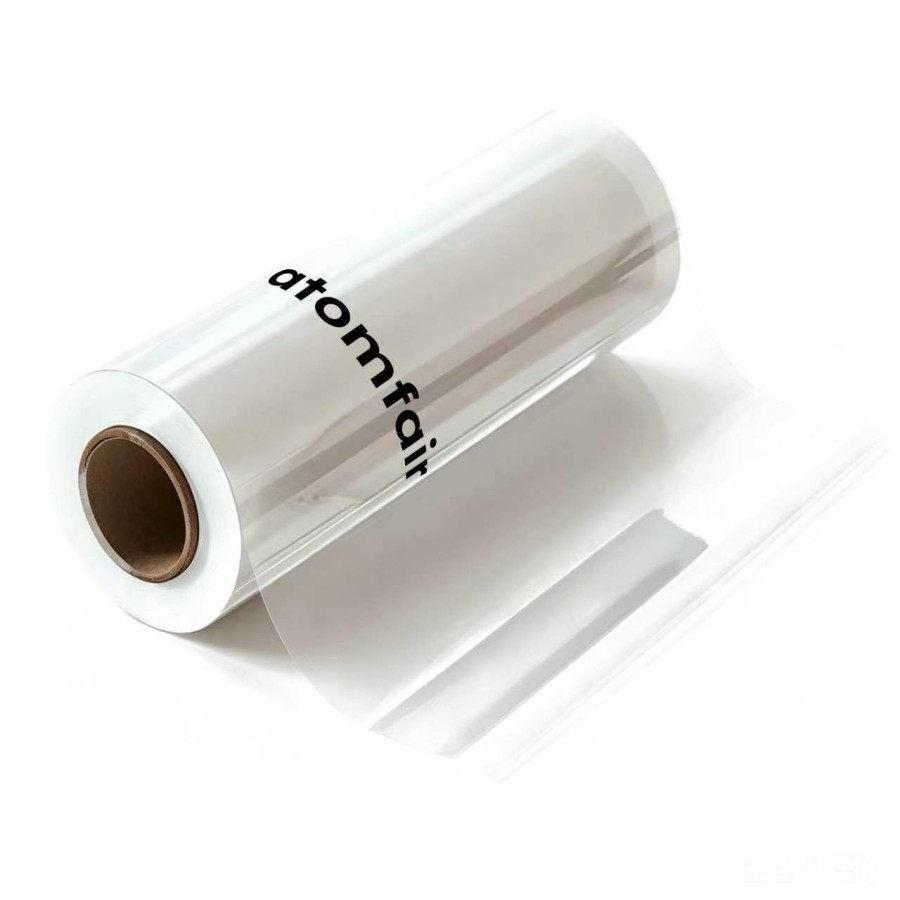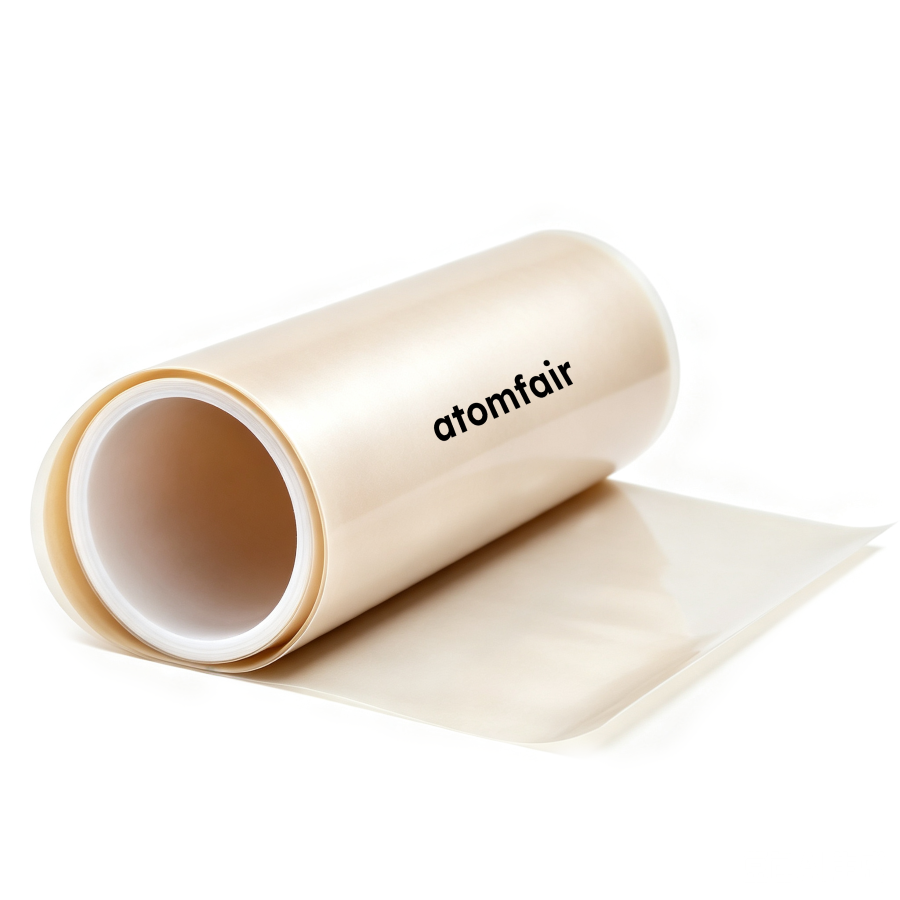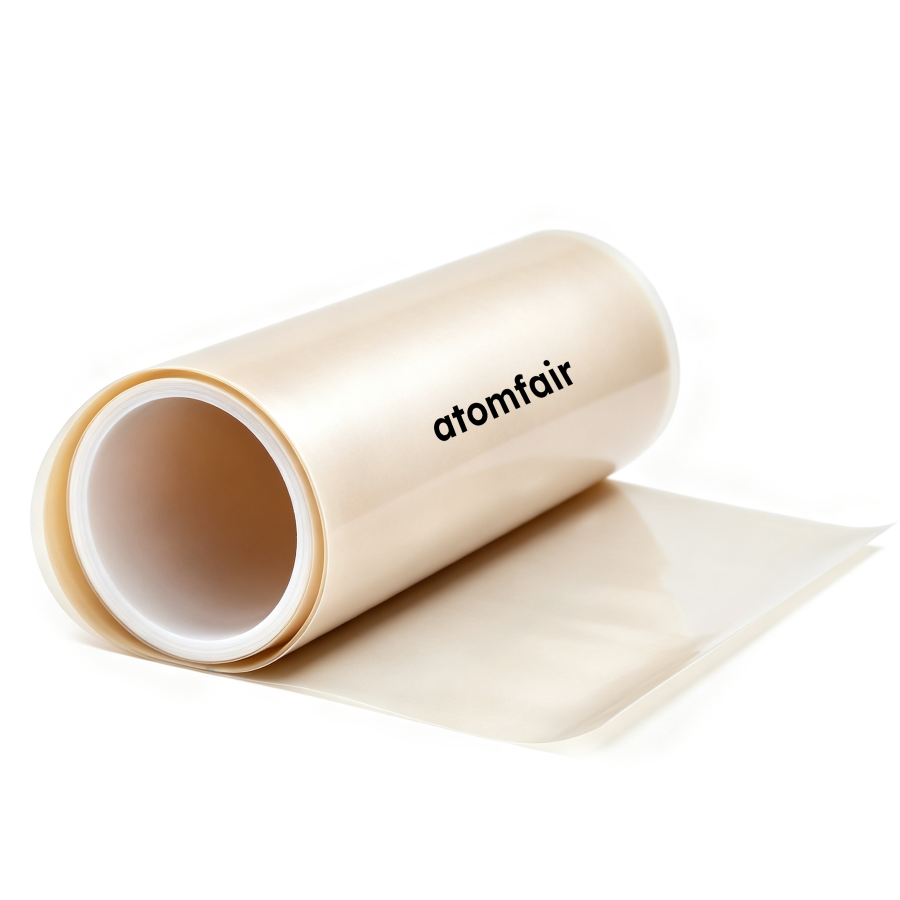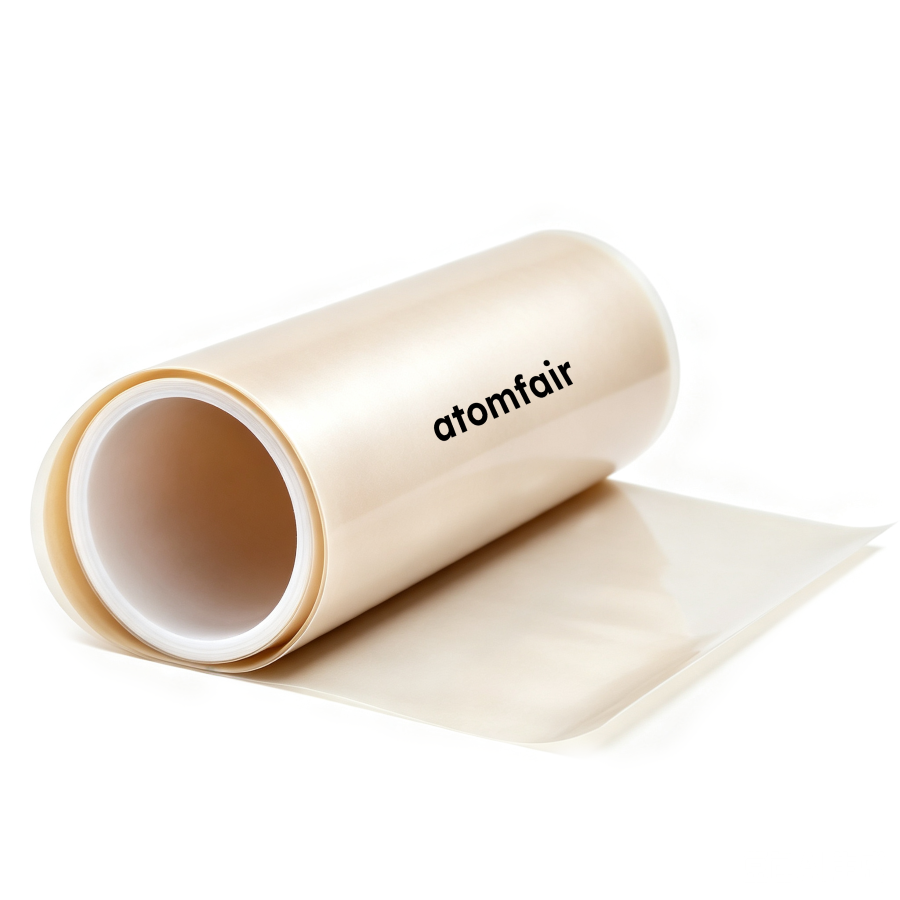
N-113 Perfluorosulfonic Acid Proton Exchange Membrane for Vanadium Flow BatteryProduct Type: Vanadium Flow Battery Proton Exchange Membrane
commercial grade product
|
|||||||||||||||||||||||||||||||||||
|
|||||||||||||||||||||||||||||||||||
|
LABORATORY PROCUREMENT SUPPORT
For model selection, application fit or configuration confirmation, contact our technical sales team.
E-MAIL: inquiry@atomfair.com
|
|||||||||||||||||||||||||||||||||||
|
Manufacturer: Atomfair LLC
Brand: ATOMFAIR®
|
The membrane must be stored in a clean, dry environment to prevent moisture-induced swelling or contamination. Avoid exposure to direct sunlight, ozone, and temperatures exceeding 40°C to preserve ionic conductivity and mechanical integrity.
- Moisture Sensitivity: Maintain relative humidity below 60% during storage to prevent excessive water uptake beyond the specified 50.0 ± 5.0%.
- Mechanical Handling: Handle the membrane with clean, powder-free gloves to avoid contamination that could reduce proton conductivity or cause localized degradation.
This procedure outlines the steps to cut, hydrate, and install the N-113 membrane into a vanadium flow battery stack. Proper handling ensures optimal proton conductivity and prevents mechanical damage during assembly.
Required Equipment: Clean, powder-free gloves, Deionized water bath, Sharp, non-serrated cutting tool
- Cut Membrane to Size
Cut the membrane sheet to the required stack dimensions using a sharp, non-serrated blade on a clean, flat surface. - Hydrate the Membrane
Immerse the cut membrane in deionized water at room temperature for at least 30 minutes to achieve the specified water uptake of 50.0 ± 5.0%. - Inspect for Defects
Visually inspect the hydrated membrane for any wrinkles, tears, or contamination before installation. - Install in Stack Assembly
Place the hydrated membrane between the electrode and bipolar plate layers, ensuring alignment with gasket seals to prevent bypass leakage. - Compress Stack Evenly
Apply uniform compression force to the stack assembly according to manufacturer torque specifications to achieve stable contact without damaging the membrane.
How does the 75 μm thickness of the N-113 membrane balance mechanical strength and ionic conductivity for vanadium flow battery applications?
The N-113 membrane at 75 μm provides a medium-thickness balance: tensile strength ≥30 MPa and elastic modulus ≥400 MPa for mechanical stability, while maintaining in-plane conductivity ≥0.100 S/cm and normal conductivity ≥0.04 S/cm for proton transport. This thickness supports medium-duty flow battery systems without excessive resistance.
What is the vanadium ion crossover resistance of the N-113 membrane, and how does it affect battery efficiency?
The N-113 membrane incorporates specialty materials to enhance vanadium resistance, as stated in the product overview. The controlled water uptake of 50.0±5.0% and acid capacity of 1.00±0.05 meq/g help maintain selectivity, though specific crossover rates are not quantified in the provided specifications. The membrane is designed for vanadium flow battery applications where proton conductivity and vanadium rejection are critical.
What are the recommended storage conditions for the N-113 membrane to maintain its water content and performance?
The membrane has a water content of 5.0±3.0% and water uptake of 50.0±5.0%, indicating sensitivity to humidity. Standard packaging ensures membrane protection during transit, and for storage, it should be kept in a controlled environment to prevent dehydration or over-hydration, as the performance parameters (conductivity, acid capacity) depend on proper hydration levels. The source does not specify exact temperature/humidity ranges, but the given water content tolerance suggests sealed storage.
The N-113 PFSA membrane (75 μm) offers balanced ionic conductivity (≥0.100 S/cm) and mechanical strength (≥30 MPa tensile) for vanadium flow battery applications, with a tape-cast structure enhancing vanadium resistance and moisture retention.
Positive
- Balanced mechanical and ionic performance: The 75 μm thickness with 148 g/m² basis weight provides tensile strength ≥30 MPa and elastic modulus ≥400 MPa, enabling stable stack operation while maintaining in-plane conductivity ≥0.100 S/cm.
- High acid capacity and conductivity: Acid capacity of 1.00±0.05 meq/g and normal conductivity ≥0.04 S/cm ensure reliable proton exchange essential for vanadium flow battery efficiency.
Trade-offs
- Water uptake tolerance affects hydration consistency: Water uptake is specified as 50.0±5.0%, a ±10% relative tolerance that may require batch-level characterization for applications demanding precise hydration control.
- Custom sizes require email confirmation: Standard sheet size is 1 m × 1 m (1 m²); other dimensions must be confirmed separately before quotation, potentially extending lead times for non-standard configurations.
Every advanced material, component, equipment, and instrument in our catalog is backed by rigorous testing. We maintain strict internal quality management frameworks and align with CE conformity metrics to deliver transparent, reproducible performance data via our public open-science repository.
To request raw batch performance data, submit formal vendor registration paperwork, or execute a fast-turnaround R&D manufacturing loop, contact us at inquiry@atomfair.com.
Item is dispatched under the Atomfair Shipping & Delivery Framework (Free worldwide shipping on orders over $59 USD excl. heavy equipment). Return is governed by the Atomfair Return & Refund Policy (7-day technical return window).