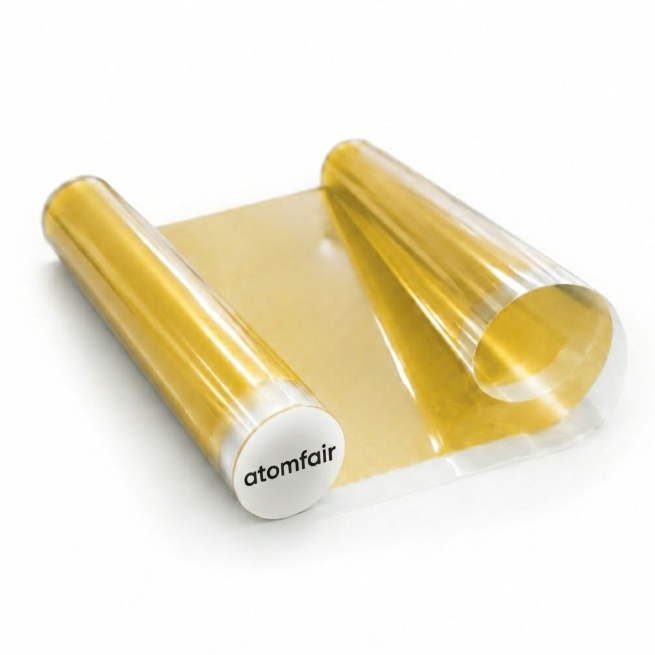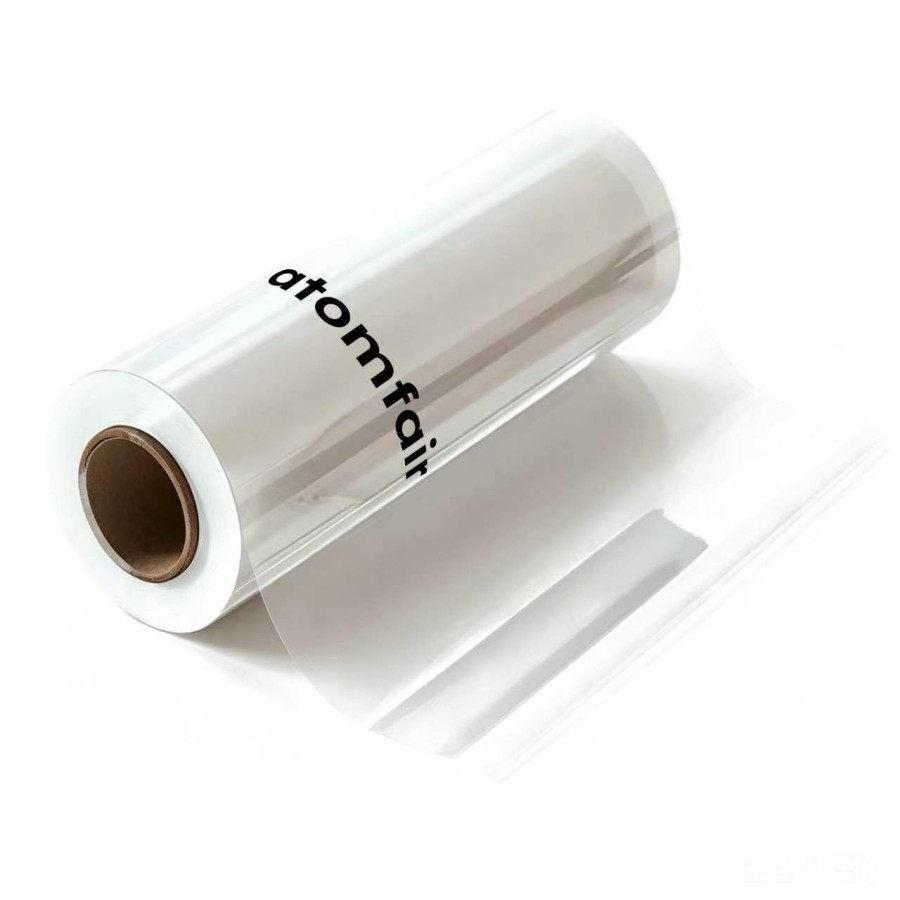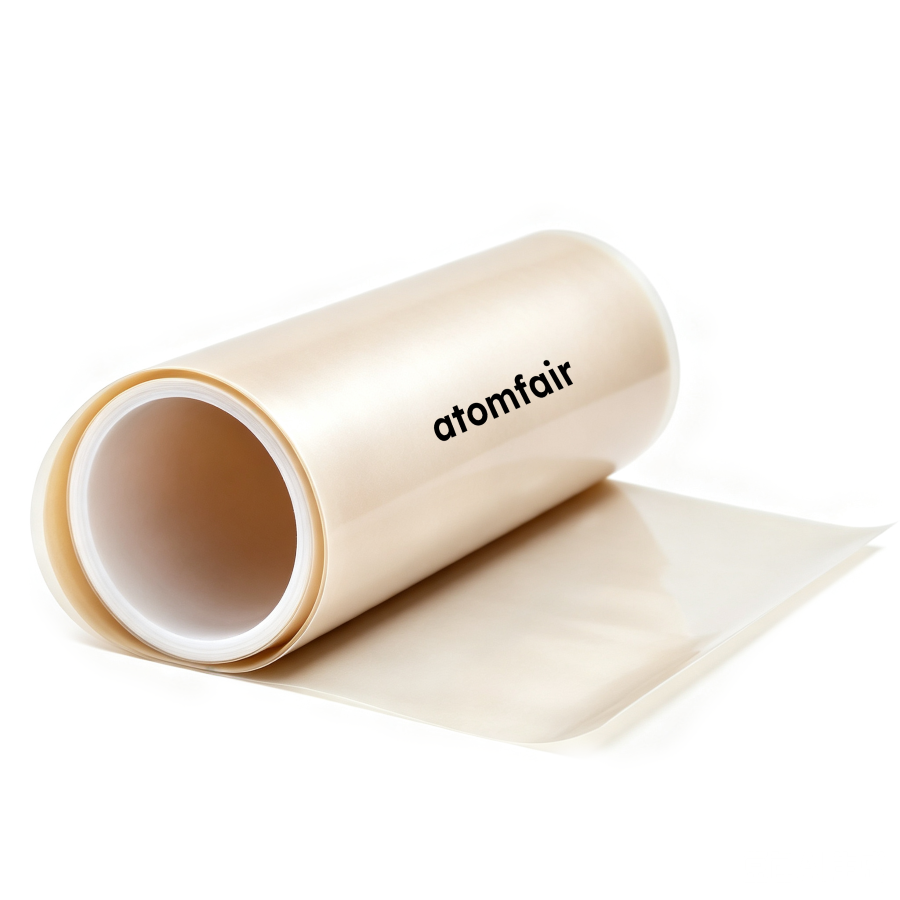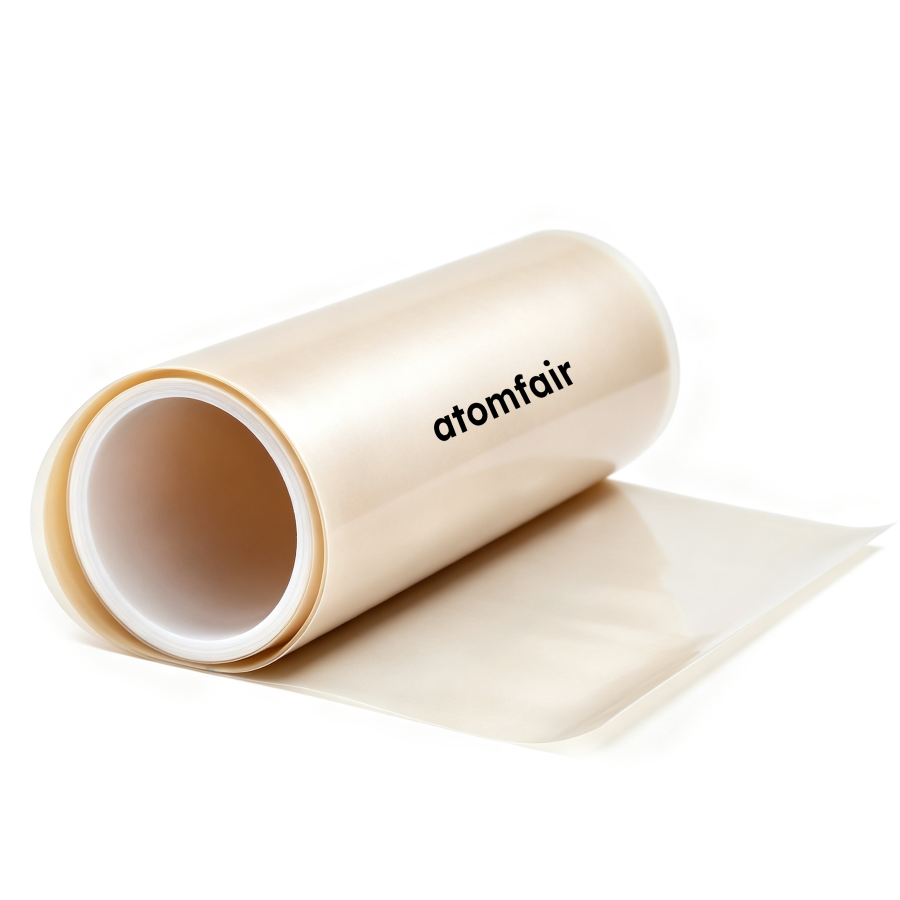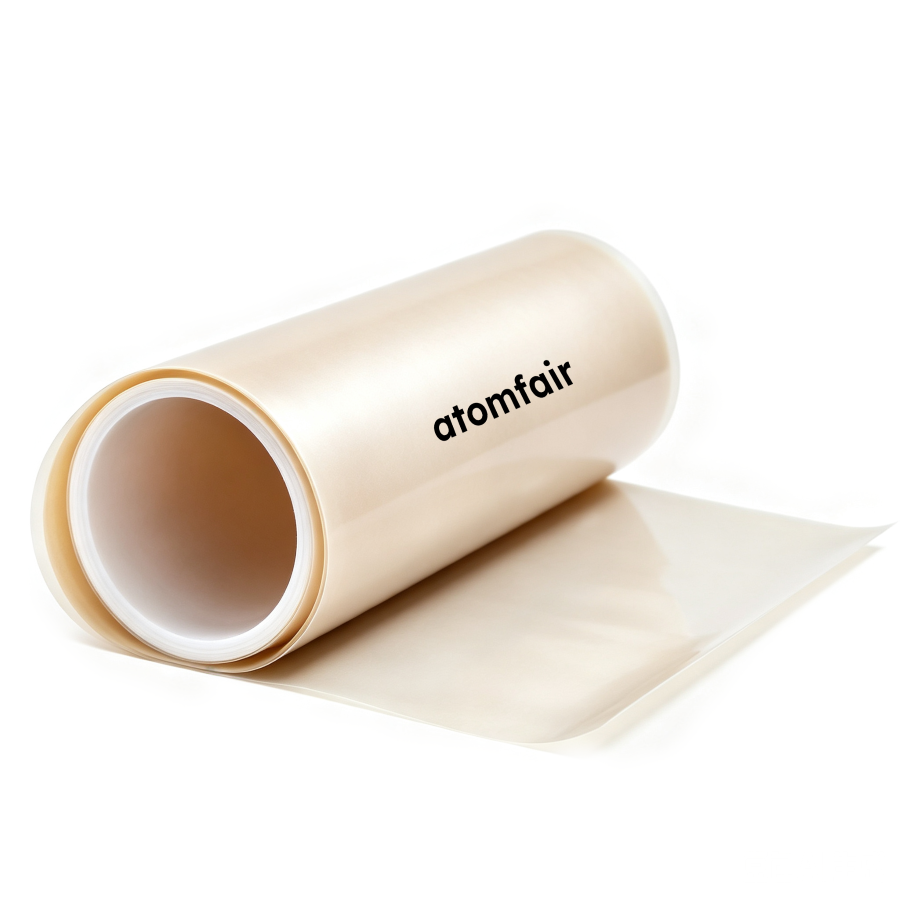
N-114 Perfluorosulfonic Acid Proton Exchange Membrane for Vanadium Flow BatteryProduct Type: Vanadium Flow Battery Proton Exchange Membrane
commercial grade product
|
|||||||||||||||||||||||||||||||||||
|
|||||||||||||||||||||||||||||||||||
|
LABORATORY PROCUREMENT SUPPORT
For model selection, application fit or configuration confirmation, contact our technical sales team.
E-MAIL: inquiry@atomfair.com
|
|||||||||||||||||||||||||||||||||||
|
Manufacturer: Atomfair LLC
Brand: ATOMFAIR®
|
The membrane requires storage in a dry, clean environment to prevent contamination or moisture absorption that could compromise proton conductivity. Exposure to high humidity or liquid water before installation may cause dimensional swelling and reduce mechanical integrity within the vanadium flow battery stack.
- Moisture Sensitivity: Maintaining water content within the specified 5.0 ± 3.0% range is critical for consistent ion-exchange performance and avoidance of proton conductivity degradation.
- Mechanical Handling Constraint: The membrane must not be folded, creased, or punctured during handling, as its 100 μm thickness and ≥120% elongation at break cannot guarantee against crack propagation from localized stress points.
The membrane is a 100 μm perfluorosulfonic acid film requiring careful unpacking and pre-assembly conditioning to preserve proton conductivity and mechanical integrity. Proper hydration equilibration and alignment within the stack are essential to prevent leakage and ensure long cycling life.
Required Equipment: Clean, lint-free gloves, PTFE-coated or ceramic scissors, Ultrapure deionized water bath (18.2 MΩ·cm)
- Inspect Membrane Packaging
Inspect the sealed packaging for any punctures or moisture intrusion before opening to confirm the membrane has not been pre-exposed to ambient humidity. - Cut Membrane to Required Dimensions
Cut the membrane to the required stack dimensions using clean, sharp PTFE-coated or ceramic scissors, ensuring no jagged edges or folds form along the cut line. - Equilibrate Membrane in Deionized Water
Immerse the cut membrane in an ultrapure deionized water bath at 20–25°C for 30 minutes to allow uniform water uptake within the specified 50.0 ± 5.0% tolerance. - Remove Excess Surface Water
Remove the membrane from the bath and gently blot both surfaces with a lint-free wipe to eliminate excess droplets without applying pressure that could deform the film. - Align Membrane in Battery Stack
Align the hydrated membrane precisely between the electrode and flow-field layers of the vanadium flow battery stack, ensuring full coverage and no wrinkles that could create leakage paths.
Why is the N-114 membrane designed with a 100 μm thickness for vanadium flow battery applications?
The N-114 membrane's 100 μm thickness provides substantial mechanical protection, with tensile strength ≥30 MPa and elastic modulus ≥400 MPa, while maintaining in-plane conductivity ≥0.100 S/cm. This thick-grade design is specifically engineered to improve vanadium resistance and durability for heavy-duty flow battery operations, as stated in the product specifications.
What is the significance of the acid capacity specification of 1.00±0.05 meq/g for the N-114 membrane?
The acid capacity of 1.00±0.05 meq/g ensures reliable ion exchange capacity, which is critical for proton conductivity in vanadium flow batteries. This specification, combined with water uptake of 50.0±5.0% and water content of 5.0±3.0%, directly influences the membrane's proton transport efficiency and overall battery performance.
What are the key mechanical properties to consider when handling or installing the N-114 membrane?
The membrane has a tensile strength ≥30 MPa, elastic modulus ≥400 MPa, and elongation at break ≥120%, indicating it can withstand significant strain during handling. However, its basis weight of 197 g/m² and specific gravity of 1.97 suggest it is relatively dense; standard packaging ensures protection during transit, and care should be taken to avoid creasing or puncturing before installation.
The N-114 membrane offers 100 μm thickness with high mechanical strength and ionic conductivity, tailored for heavy-duty vanadium flow battery operations. Its controlled water uptake and acid capacity ensure consistent ion exchange performance, though standard sizing and moisture sensitivity require careful handling.
Positive
- Thick-Grade Mechanical Protection: At 100 μm thickness with tensile strength ≥30 MPa and elastic modulus ≥400 MPa, this membrane provides robust mechanical durability for demanding flow battery conditions.
- High Ionic Conductivity and Acid Capacity: In-plane conductivity ≥0.100 S/cm and acid capacity 1.00±0.05 meq/g enable efficient proton transport and reliable ion exchange in vanadium redox flow batteries.
Trade-offs
- Controlled Water Uptake Tolerance: Water uptake is specified at 50.0±5.0% and water content at 5.0±3.0%, requiring controlled humidity and handling to maintain performance within specification.
- Standard Sheet Size Limitation: Supplied as 1 m x 1 m sheets; custom dimensions require email inquiry, potentially adding lead time for non-standard installations.
Every advanced material, component, equipment, and instrument in our catalog is backed by rigorous testing. We maintain strict internal quality management frameworks and align with CE conformity metrics to deliver transparent, reproducible performance data via our public open-science repository.
To request raw batch performance data, submit formal vendor registration paperwork, or execute a fast-turnaround R&D manufacturing loop, contact us at inquiry@atomfair.com.
Item is dispatched under the Atomfair Shipping & Delivery Framework (Free worldwide shipping on orders over $59 USD excl. heavy equipment). Return is governed by the Atomfair Return & Refund Policy (7-day technical return window).