|
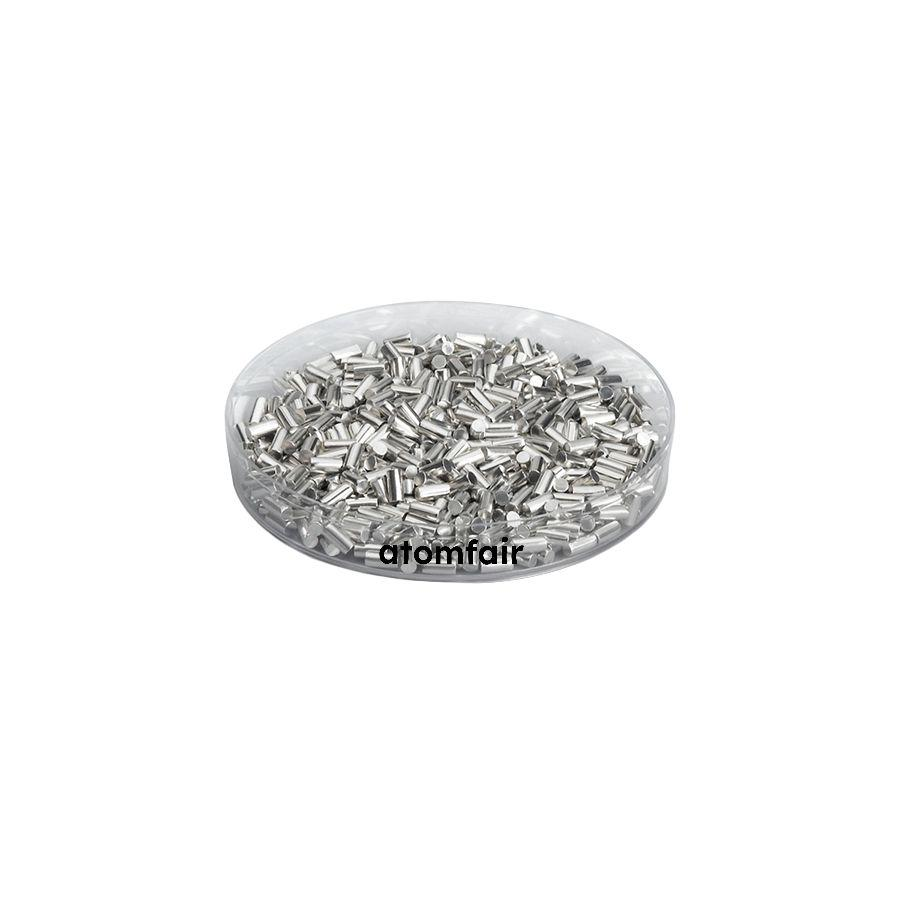
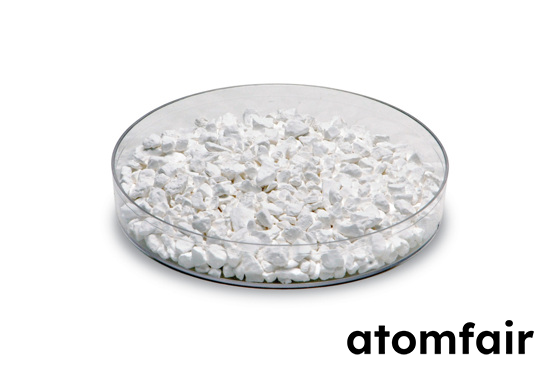
Yttrium Oxide (Y2O3) Evaporation Material, Pieces, 99.999%, 25-50 nm
Product Type: Compound Evaporation Material
Research-grade laboratory product
|
|||||||||||||||||||||||||||||||||||||||
|
|||||||||||||||||||||||||||||||||||||||
|
LABORATORY PROCUREMENT SUPPORT
For material selection, deposition-source matching, pack-size confirmation or quotation support, contact our technical sales team.
INQUIRY: inquiry@atomfair.com
|
|||||||||||||||||||||||||||||||||||||||
|
Manufacturer: Atomfair LLC
Brand: ATOMFAIR®
|
This evaporation material is designed for vacuum thin-film deposition and requires e-beam evaporation with a graphite, alumina, or boron nitride liner, or a tungsten, molybdenum, or tantalum boat. The material's melting point of 2410°C and Z-Ratio of 1.00 must be considered for process calibration and source loading.
- Evaporation Method Requirement: E-beam evaporation is the preferred method, while thermal evaporation requires a request for quotation (RFQ).
- Source Hardware Compatibility: Use an e-beam hearth with a graphite, alumina, or boron nitride liner, or a tungsten, molybdenum, or tantalum boat.
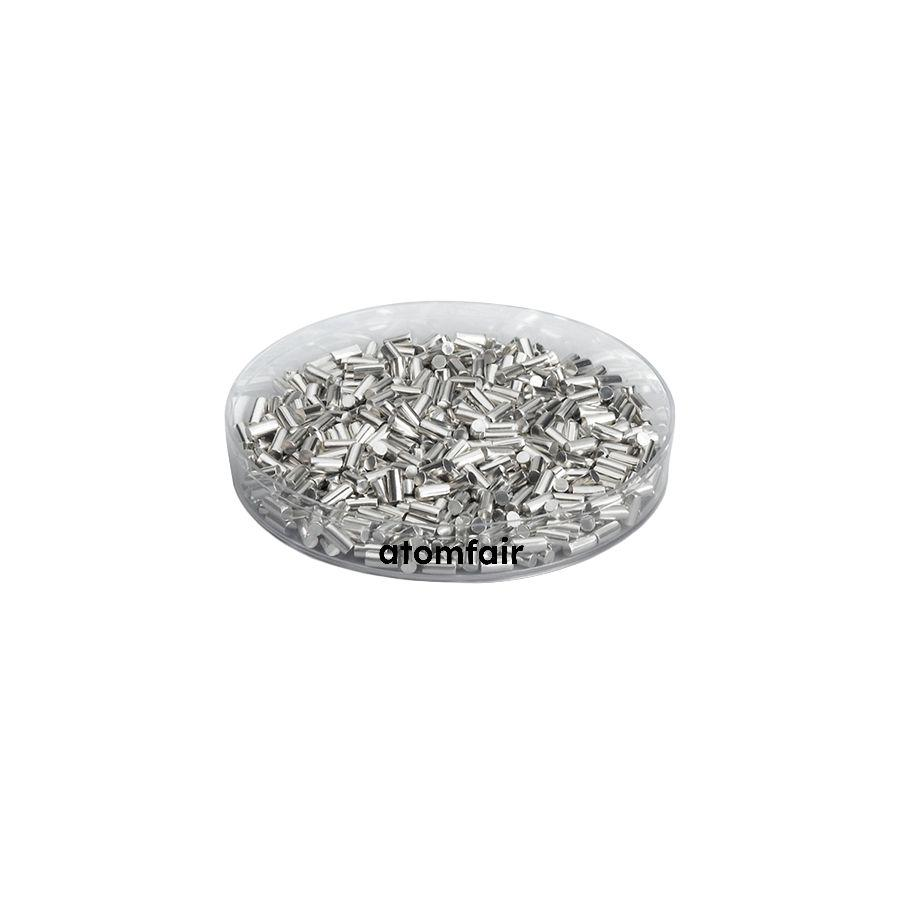
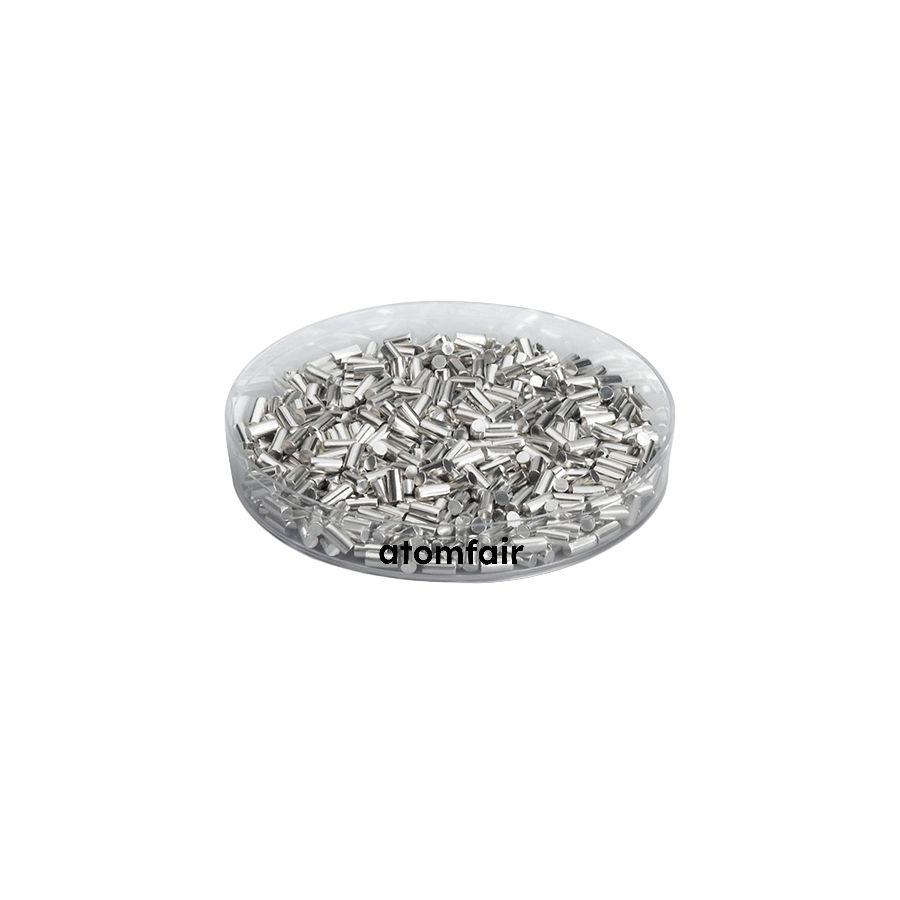
- Physical Form Constraint: The material is supplied as pieces of 25–50 nm size, which affects loading uniformity and evaporation behavior.
- Thermal Property Consideration: The high melting point of 2410°C requires sufficient power input and controlled heating to avoid decomposition.
- Thickness Monitoring Parameter: A Z-Ratio of 1.00 simplifies film thickness monitoring using quartz crystal microbalance without tooling factor adjustment.
What evaporation method is recommended for Y2O3 pieces, and why is E-beam preferred over thermal evaporation?
E-beam evaporation is the preferred method for Y2O3 pieces due to its high melting point of 2,410 °C and good performance with an E-beam hearth using a graphite, Al2O3, or BN liner, or a W/Mo/Ta boat. Thermal evaporation is available only by RFQ, indicating that E-beam is the standard route for reliable deposition of this material.
Which liner or boat materials are compatible with Y2O3 evaporation in an E-beam hearth?
For E-beam evaporation of Y2O3 pieces, compatible liner materials include graphite, aluminum oxide (Al2O3), and boron nitride (BN), while tungsten (W), molybdenum (Mo), and tantalum (Ta) boats are also suitable. The product specification lists these options explicitly, ensuring direct compatibility with common deposition hardware.
What does the Z-Ratio of 1.00 indicate for process control during Y2O3 deposition?
The Z-Ratio of 1.00 for Y2O3 indicates the material's acoustic impedance factor used in quartz crystal microbalance (QCM) thickness monitoring, where a value of 1.00 simplifies calibration because the tooling factor can be directly applied without correction. This is typical for many oxide materials and allows straightforward integration into standard thin-film deposition processes.
Yttrium Oxide (Y2O3) evaporation material in pieces form with 99.999% purity and 25-50 nm particle size is evaluated for E-beam evaporation in vacuum thin-film deposition. The high purity and defined particle size support consistent film stoichiometry, but the material's high melting point (2,410°C) and specific liner/boat requirements impose infrastructure constraints for thermal evaporation routes.
Positive
- High purity for film integrity: 99.999% purity minimizes contaminant incorporation into deposited films, critical for optical and electronic applications where trace impurities degrade performance.
- Defined particle size for source loading: Pieces sized 25-50 nm ensure consistent feeding and evaporation behavior in E-beam hearths, reducing process variability during deposition runs.
Trade-offs
- High melting point limits evaporation methods: Melting point of 2,410°C requires E-beam evaporation as the preferred method; thermal evaporation is only feasible by RFQ and may demand specialized boat materials (W, Mo, Ta) or liners (graphite, Al2O3, BN), increasing setup complexity.
- Z-Ratio of 1.00 requires process calibration: A Z-Ratio of 1.00 indicates the material's acoustic impedance matches the quartz crystal monitor default, but users must still verify calibration for accurate thickness control, especially in multi-layer stacks.
Every advanced material, component, equipment, and instrument in our catalog is backed by rigorous testing. We maintain strict internal quality management frameworks and align with CE conformity metrics to deliver transparent, reproducible performance data via our public open-science repository.
To request raw batch performance data, submit formal vendor registration paperwork, or execute a fast-turnaround R&D manufacturing loop, contact us at inquiry@atomfair.com.
Item is dispatched under the Atomfair Shipping & Delivery Framework (Free worldwide shipping on orders over $59 USD excl. heavy equipment). Return is governed by the Atomfair Return & Refund Policy (7-day technical return window).