|
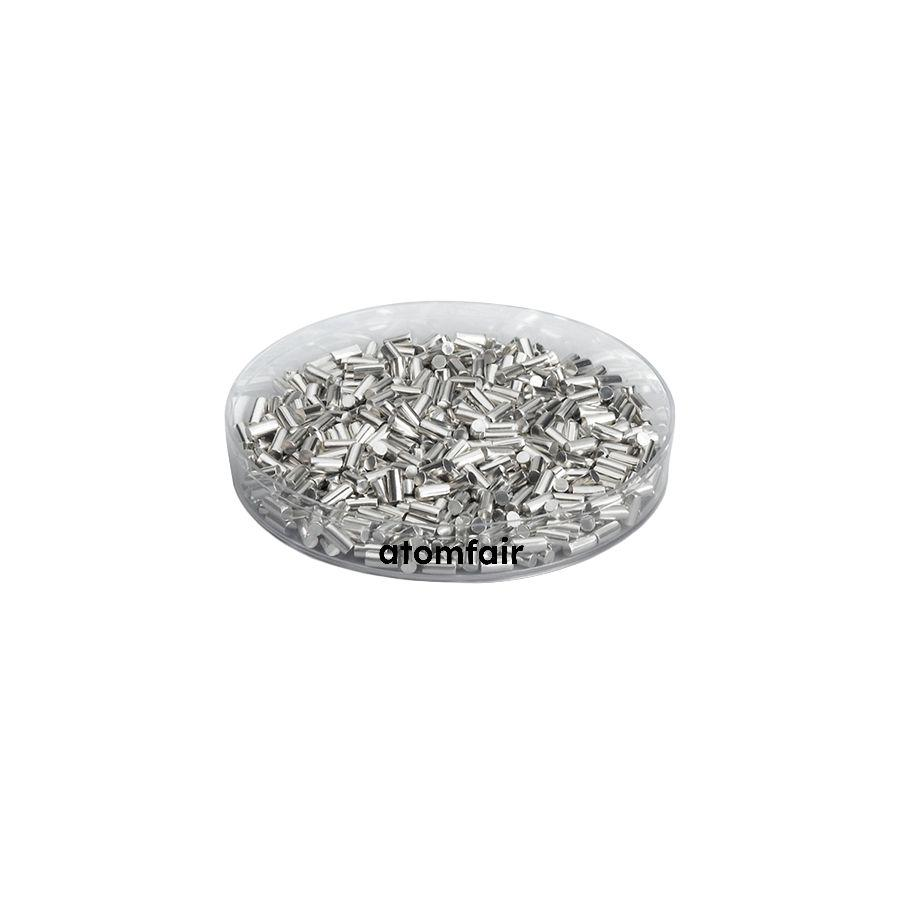
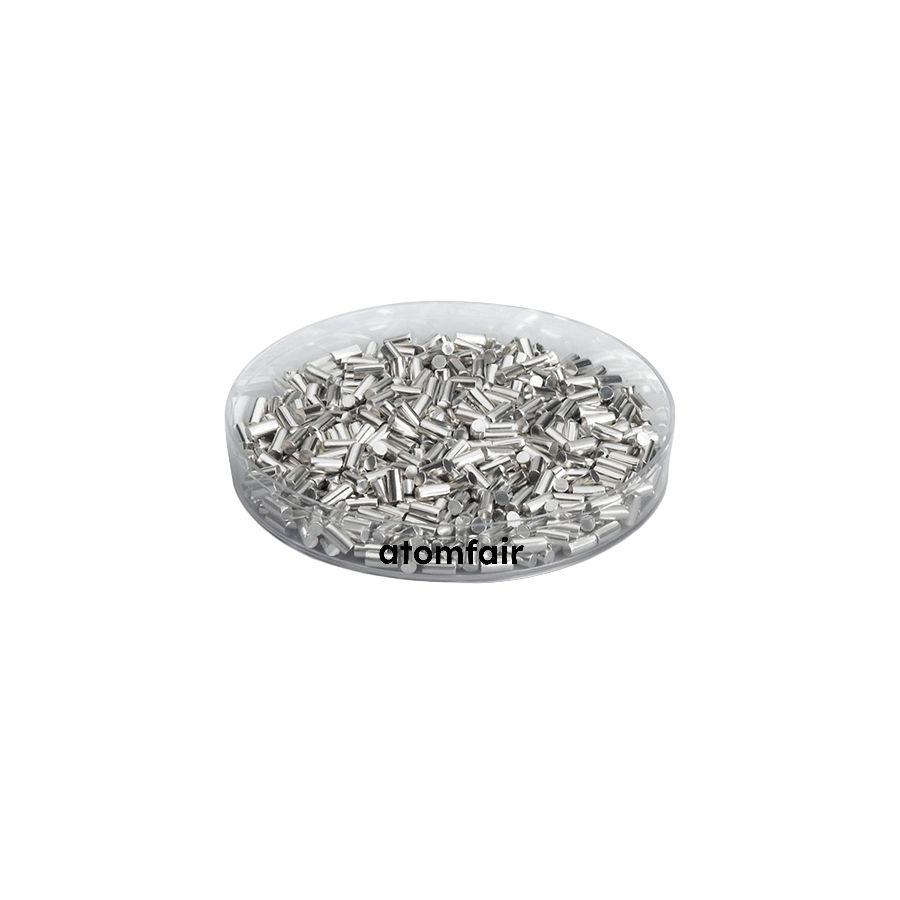
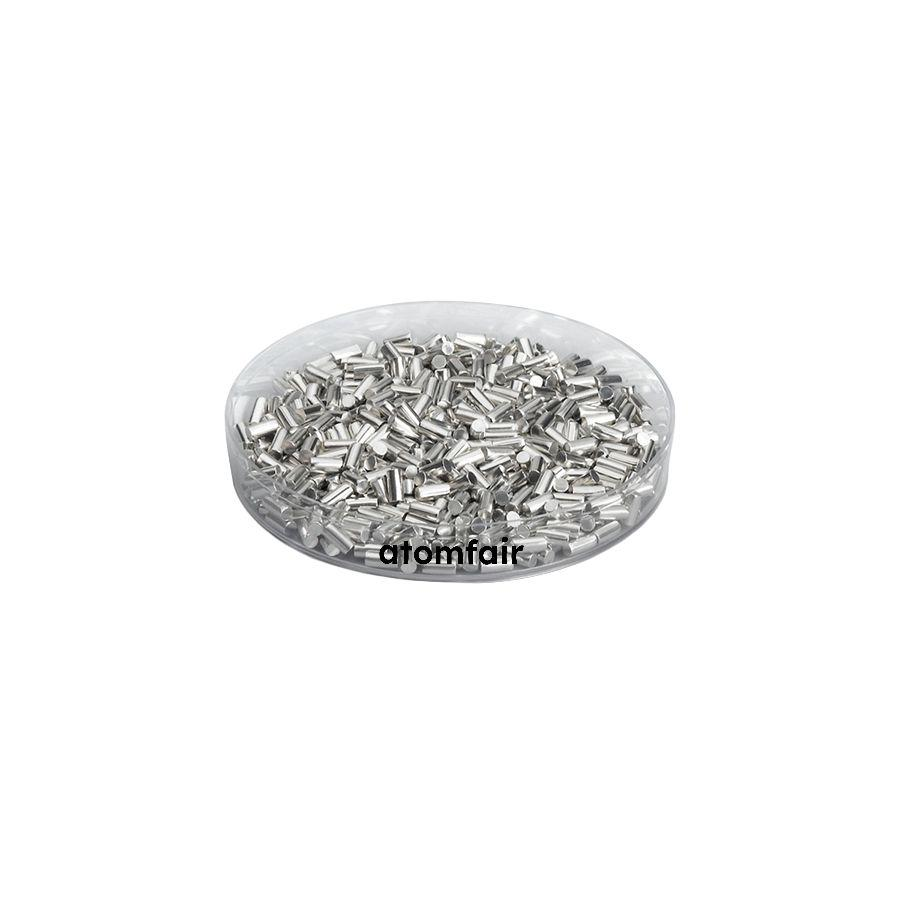
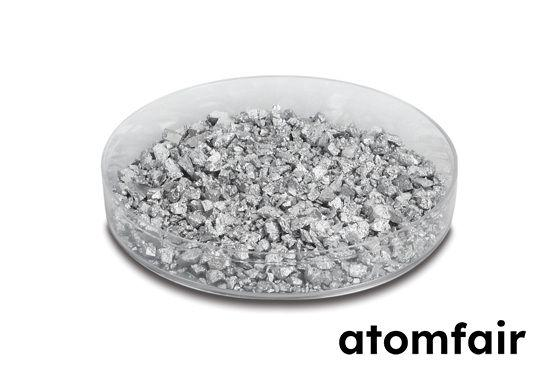
Vanadium (V) Evaporation Material, Pieces, 99.9%, 1-3 mm
Product Type: Pure Metal Evaporation Material
Research-grade laboratory product
|
|||||||||||||||||||||||||||||||||||||||
|
|||||||||||||||||||||||||||||||||||||||
|
LABORATORY PROCUREMENT SUPPORT
For material selection, deposition-source matching, pack-size confirmation or quotation support, contact our technical sales team.
INQUIRY: inquiry@atomfair.com
|
|||||||||||||||||||||||||||||||||||||||
|
Manufacturer: Atomfair LLC
Brand: ATOMFAIR®
|
Vanadium (V) evaporation material in piece form requires specific deposition source hardware and process parameters. The material is compatible with water-cooled copper e-beam hearths and several liner materials, with size and purity predetermined for standard thin-film applications.
- Deposition Method: E-beam evaporation is the preferred method; the material must be used in a compatible deposition system.
- Source Compatibility: The evaporation source requires a water-cooled copper hearth; liners of graphite, Al2O3, BN, or Ta are compatible.
- Physical Form: The 1-3 mm piece size is suited for direct loading into the hearth without additional size reduction.
- Process Parameters: The material's melting point (1,890°C), density (5.96 g/cm³), and Z-ratio (0.53) must be incorporated into process parameter calculations.
What is the significance of the Z-ratio of 0.53 for Vanadium evaporation material in e-beam deposition?
The Z-ratio is a material-specific correction factor used in quartz crystal microbalance (QCM) thickness monitoring. A Z-ratio of 0.53 for Vanadium indicates the acoustic impedance mismatch between the crystal and the deposited film, which must be programmed into the thickness monitor to ensure accurate film thickness control during e-beam evaporation. This value is provided in the product specifications.
Which liner materials are compatible with Vanadium e-beam evaporation, and why is liner selection important?
Compatible liner materials for Vanadium e-beam evaporation include graphite, Al2O3 (alumina), BN (boron nitride), and Ta (tantalum). Liner selection is critical to avoid chemical reaction or contamination at the high melting point of 1,890°C; the listed materials are chosen for their thermal stability and inertness relative to molten Vanadium.
What type of evaporation source and cooling system is required for Vanadium e-beam deposition?
Vanadium evaporation is preferably performed using e-beam evaporation with a water-cooled copper hearth. The water-cooled copper hearth is required to handle the high melting point of 1,890°C and to prevent the crucible from melting or reacting with the Vanadium melt. This infrastructure is essential for stable and controlled evaporation.
Vanadium (V) evaporation material in pieces (1–3 mm, 99.9% purity) is specified for e-beam evaporation, requiring a water-cooled copper hearth and compatible liner (graphite, Al₂O₃, BN, or Ta). The high melting point (1890°C) and Z-ratio (0.53) impose precise deposition control and source matching, while pack sizes from 25 g to 1 kg allow flexible laboratory scaling.
Positive
- Defined material identity and form: Vanadium (V) as pure metal evaporation material in pieces with 1–3 mm sizing ensures clear procurement matching and reliable source loading for e-beam deposition.
- Specified purity for grade comparison: 99.9% purity listing allows direct comparison with standard, high-purity, or RFQ-controlled grades, supporting informed material selection for film quality requirements.
Trade-offs
- Requires compatible liner and hearth: E-beam evaporation is preferred, and the material must be used with a water-cooled copper e-beam hearth and a compatible liner (graphite, Al₂O₃, BN, or Ta); improper liner selection may cause contamination or process instability.
- High melting point demands e-beam source: With a melting point of 1890°C, vanadium necessitates e-beam evaporation rather than simpler thermal evaporation, requiring higher capital equipment investment and careful process control.
Every advanced material, component, equipment, and instrument in our catalog is backed by rigorous testing. We maintain strict internal quality management frameworks and align with CE conformity metrics to deliver transparent, reproducible performance data via our public open-science repository.
To request raw batch performance data, submit formal vendor registration paperwork, or execute a fast-turnaround R&D manufacturing loop, contact us at inquiry@atomfair.com.
Item is dispatched under the Atomfair Shipping & Delivery Framework (Free worldwide shipping on orders over $59 USD excl. heavy equipment). Return is governed by the Atomfair Return & Refund Policy (7-day technical return window).