|
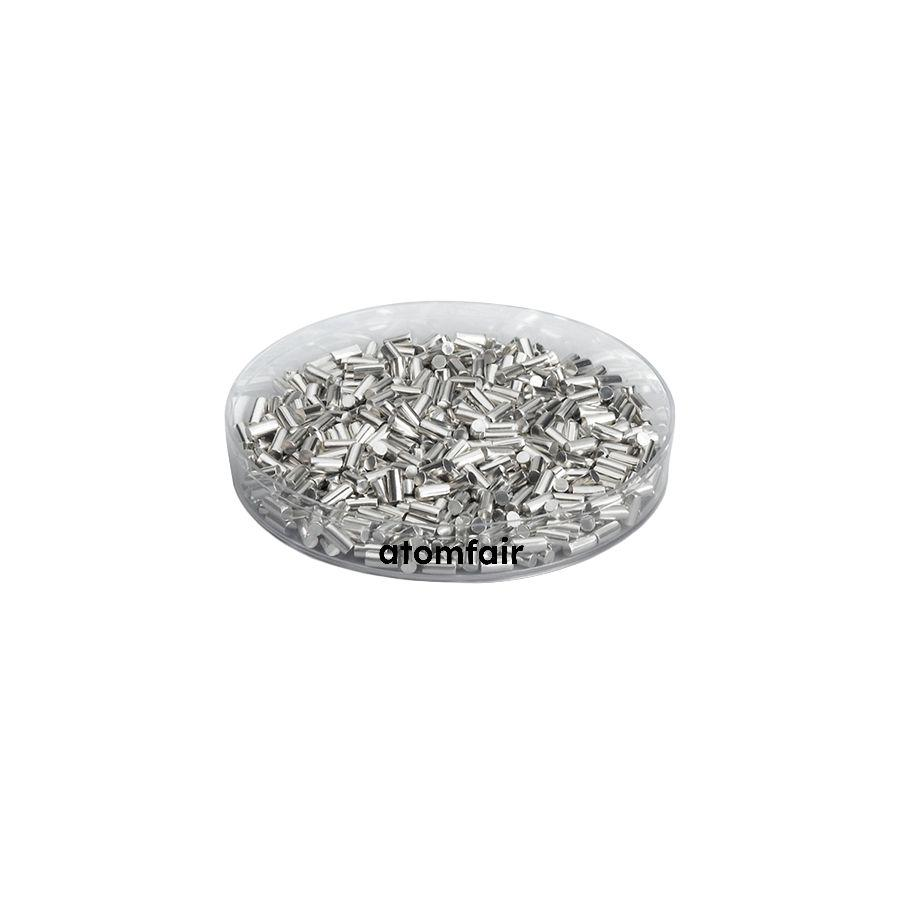
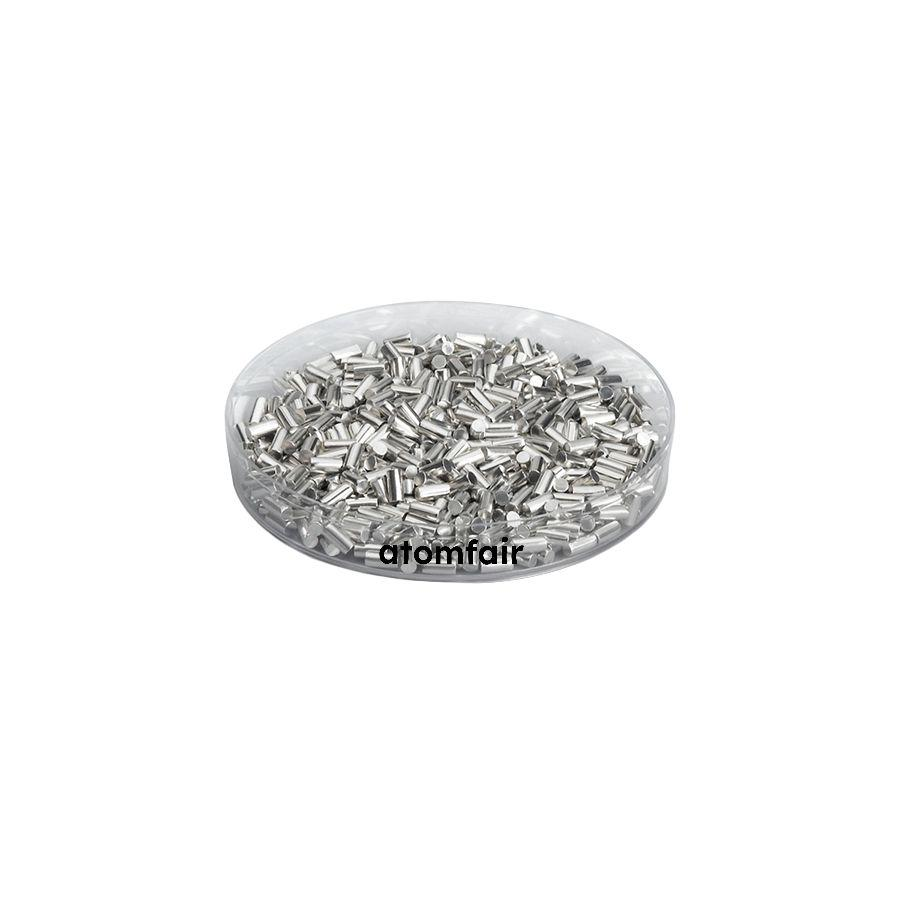
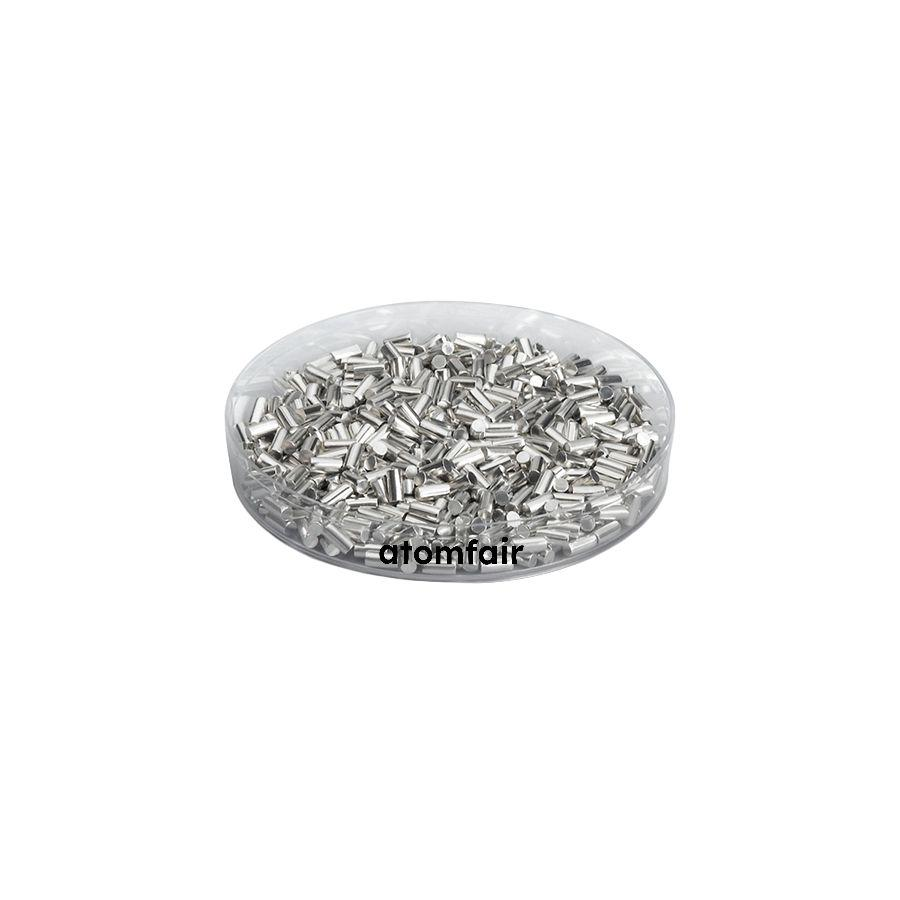
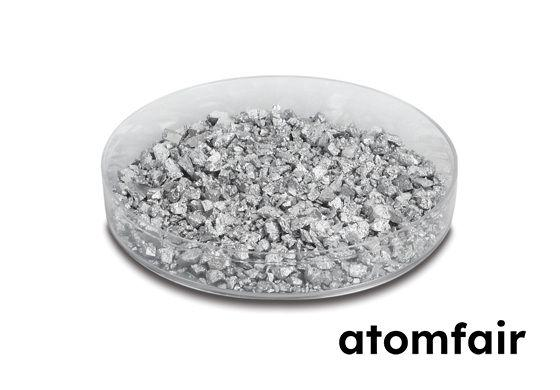
Rubidium (Rb) Evaporation Material, Pieces, 99.5%, under mineral oil/inert gas
Product Type: Pure Metal Evaporation Material
Research-grade laboratory product
|
|||||||||||||||||||||||||||||||||||||
|
|||||||||||||||||||||||||||||||||||||
|
LABORATORY PROCUREMENT SUPPORT
For material selection, deposition-source matching, pack-size confirmation or quotation support, contact our technical sales team.
INQUIRY: inquiry@atomfair.com
|
|||||||||||||||||||||||||||||||||||||
|
Manufacturer: Atomfair LLC
Brand: ATOMFAIR®
|
Rubidium is a highly reactive alkali metal that must be stored and handled under strict dry inert conditions to prevent violent reactions with moisture or oxygen. The material is supplied under mineral oil or inert gas and requires sealed ampoule or refractory metal boat evaporation under inert atmosphere.
- Storage Atmosphere: Store under inert gas or mineral oil at temperatures below the melting point (39°C) to maintain solid form and prevent oxidation.
- Handling Environment: Handle only in a dry inert atmosphere (e.g., argon glovebox) to avoid pyrophoric reaction with air moisture.
- Evaporation Source Compatibility: Use sealed ampoule or tantalum/molybdenum/tungsten boat compatible with rubidium and inert handling setup.
- Moisture Sensitivity: Avoid contact with water or humid air; any spillage must be contained under inert cover.
- Disposal Requirement: Dispose of residues according to regulations for reactive alkali metals.
This procedure outlines the steps to safely transfer rubidium evaporation material from storage to deposition source under inert conditions. Proper inert atmosphere handling prevents oxidation and ensures material integrity for thin-film deposition.
Required Equipment: Inert atmosphere glovebox, Sealed ampoule or Ta/Mo/W boat, Vacuum deposition system with inert gas purge
- Inspect Container
Inspect the storage container for integrity before opening in an inert atmosphere environment. - Transfer Material
Transfer the required quantity of rubidium pieces from the mineral oil or inert gas storage to the evaporation boat using clean, dry tools. - Load and Seal Chamber
Load the boat into the deposition chamber while maintaining continuous inert gas purge to prevent air exposure. - Evacuate Chamber
Evacuate the chamber to high vacuum before initiating thermal evaporation to remove any residual moisture. - Cool and Vent
After deposition, allow the chamber to cool under inert gas before venting to avoid oxidation of residual material.
How does the low melting point of rubidium (39°C) affect the thermal evaporation process?
The low melting point of 39°C means rubidium melts and evaporates at relatively low temperatures compared to typical evaporation materials. This allows efficient deposition but requires precise temperature control to avoid rapid boiling or splattering, and the process must be conducted under strict dry inert handling as specified for thermal/resistive evaporation.
Which boat materials are recommended for thermal evaporation of rubidium pieces?
The product description specifies that rubidium evaporation should be performed using a sealed ampoule or a Ta/Mo/W boat in an inert handling setup. These refractory metals are chosen for their high melting points and chemical compatibility with molten rubidium, preventing contamination or reaction during deposition.
What storage and handling precautions are required for rubidium evaporation material?
Rubidium is supplied under mineral oil or inert gas to prevent oxidation and reaction with atmospheric moisture. Storage must be in a sealed, inert environment, and handling requires strict dry inert conditions, such as a glovebox, to avoid combustion or degradation. The material's low melting point (39°C) and high reactivity necessitate these precautions.
Rubidium (Rb) evaporation material (99.5% purity, pieces) is a low-melting-point alkali metal designed for thermal/resistive evaporation under strict inert handling. Its high reactivity necessitates sealed ampoule or refractory metal boat sources and comprehensive inert atmosphere protocols.
Positive
- Low melting point enables efficient evaporation: With a melting point of 39°C, rubidium allows thermal evaporation at reduced energy input, improving process efficiency for thin-film deposition.
- High purity and defined physical form: The 99.5% purity and pieces form factor under mineral oil/inert gas ensure reproducible film properties and consistent source loading in vacuum deposition systems.
Trade-offs
- Extreme air and moisture reactivity: Rubidium is highly reactive with oxygen and water vapor, requiring strict inert atmosphere handling and storage under mineral oil or inert gas to prevent hazardous reactions.
- Specialized evaporation hardware required: Thermal evaporation demands sealed ampoule or tantalum/molybdenum/tungsten boat sources and a dry inert handling setup, adding complexity and cost to the deposition process.
Every advanced material, component, equipment, and instrument in our catalog is backed by rigorous testing. We maintain strict internal quality management frameworks and align with CE conformity metrics to deliver transparent, reproducible performance data via our public open-science repository.
To request raw batch performance data, submit formal vendor registration paperwork, or execute a fast-turnaround R&D manufacturing loop, contact us at inquiry@atomfair.com.
Item is dispatched under the Atomfair Shipping & Delivery Framework (Free worldwide shipping on orders over $59 USD excl. heavy equipment). Return is governed by the Atomfair Return & Refund Policy (7-day technical return window).