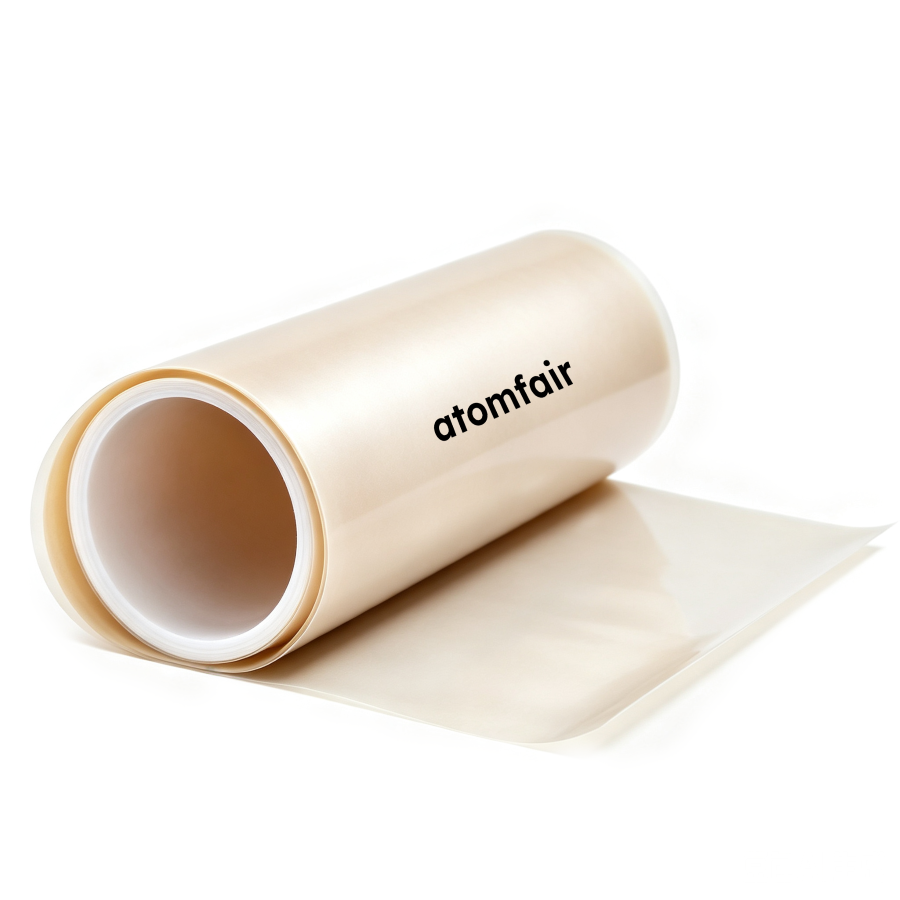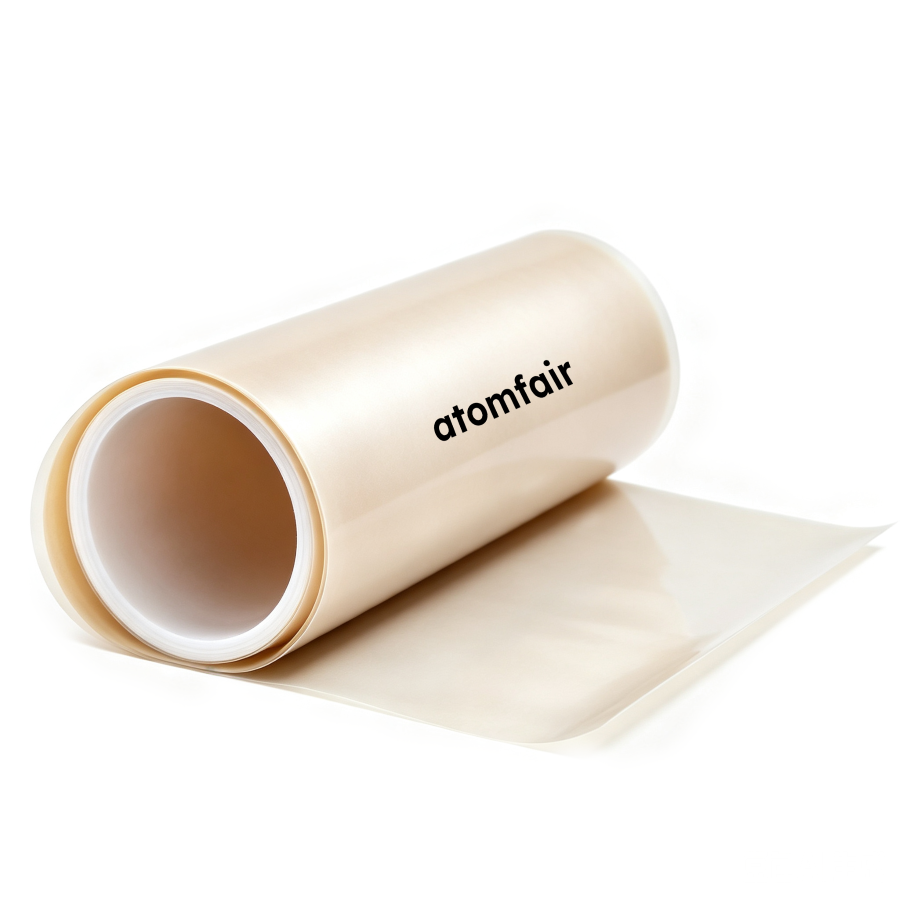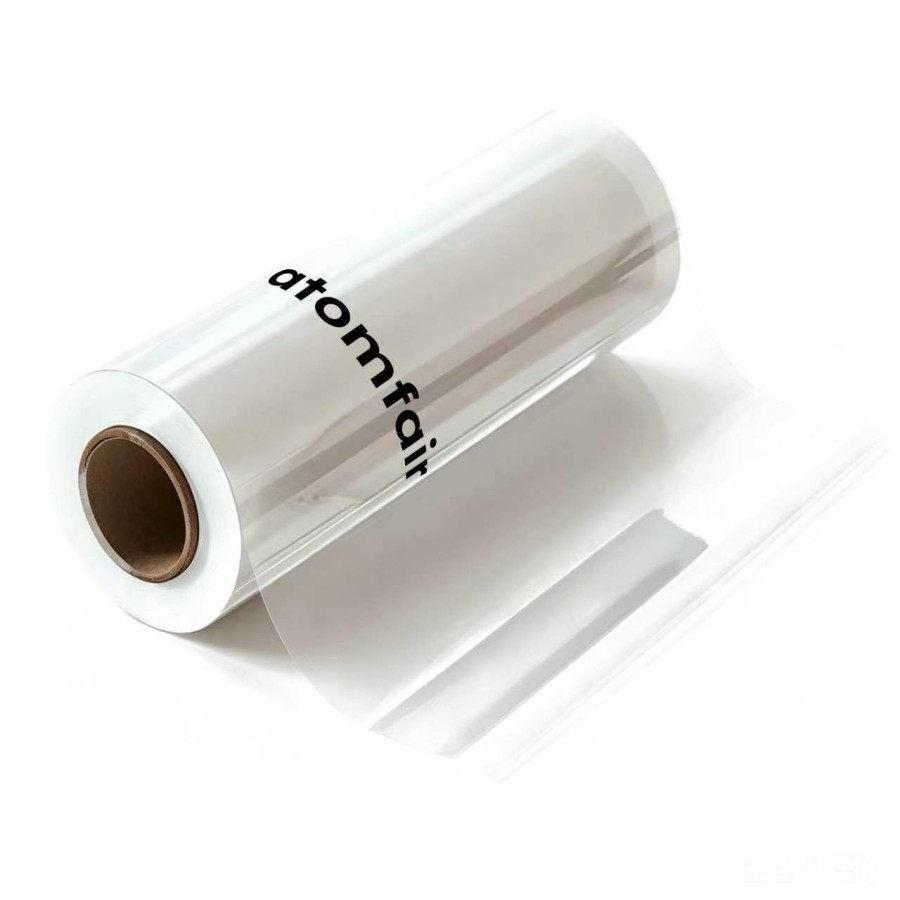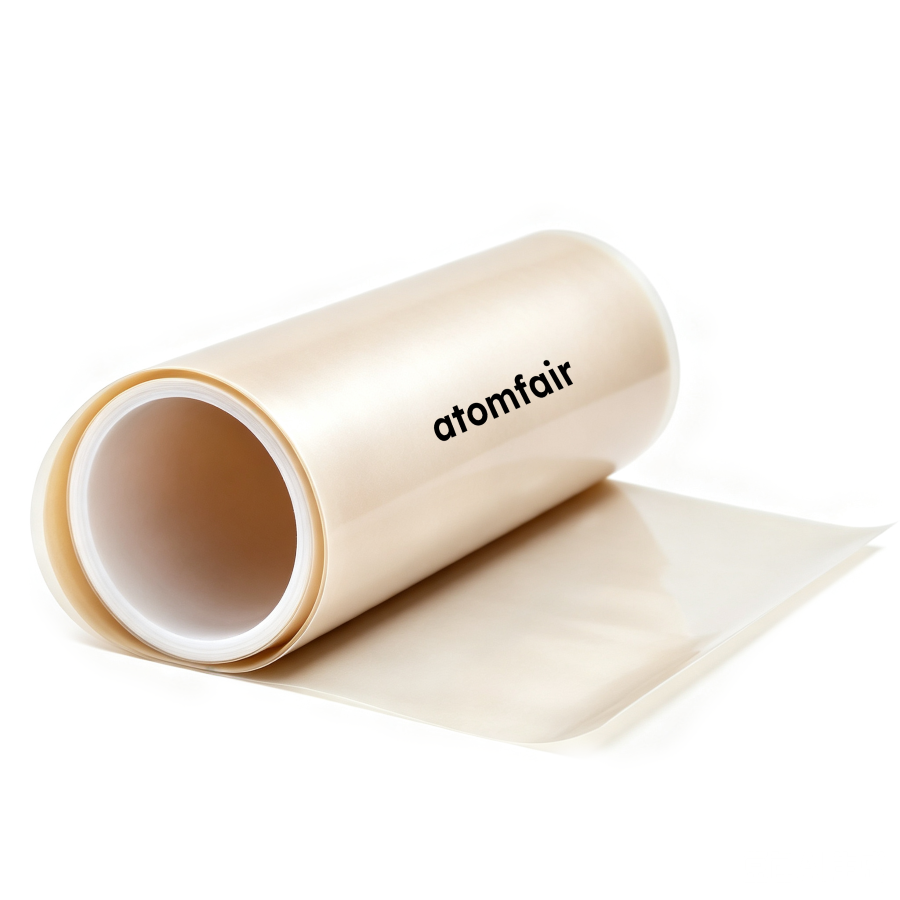
NON-FLUORINE ION EXCHANGE MEMBRANESRESEARCH GRADE MATERIAL
|
|||||||||||||||||||||||||||||||||||||||||||||||||||||||||||||||||||||||||||||||||||||||||||||||||||||||||||||||||||
|
|||||||||||||||||||||||||||||||||||||||||||||||||||||||||||||||||||||||||||||||||||||||||||||||||||||||||||||||||||
|
TAILORED SOLUTIONS FOR RESEARCH
Contact our engineering team for technical support or official quotations.
EMAIL: INQUIRY@ATOMFAIR.COM
|
|||||||||||||||||||||||||||||||||||||||||||||||||||||||||||||||||||||||||||||||||||||||||||||||||||||||||||||||||||
|
Manufacturer: ATOMFAIR LLC
|
|||||||||||||||||||||||||||||||||||||||||||||||||||||||||||||||||||||||||||||||||||||||||||||||||||||||||||||||||||
Optimal membrane performance requires strict environmental and handling protocols to prevent contamination or mechanical damage. Long-term electrochemical stability is susceptible to vanadium ion cross-migration and mechanical creep under cyclic loading.
- Environmental Storage Constraints: Store membranes in a dry, inert-gas atmosphere at temperatures below 30°C to prevent hydrolytic degradation and dimensional change.
- Handling and Installation Restrictions: Handle membranes only with clean, powder-free gloves to avoid surface contamination that can alter ionic conductivity and promote local failure.
- Material Failure Modes: Monitor for delamination or puncture under compressive stack loading, as mechanical integrity degrades beyond the specified 7 N puncture strength threshold.
- Chemical Compatibility and Stability: Avoid exposure to strong oxidizing agents or organic solvents that may attack the polybenzimidazole backbone and reduce ion-exchange capacity.
- Testing and Quality Assessment: Validate membrane performance under test protocols NB/T 42080-2023 to confirm ionic conductivity above 40 mS/cm and vanadium diffusion coefficient below 9.0 × 10⁻⁸ cm²/min.
Follow a chronological sequence to precondition, install, and commission the membrane within a vanadium flow battery cell. These steps ensure uniform hydration, proper alignment, and leak-free operation.
Required Equipment: Cleanroom or glovebox with controlled humidity (< 30% RH), Deionized water bath (18 MΩ·cm resistivity), Precision torque wrench, Dielectric breakdown tester
- Hydration Preconditioning
Immerse the membrane in deionized water at 60°C for 30 minutes to achieve full hydration and stabilize ionic conductivity. - Cutting and Trimming
Trim the hydrated membrane to the final cell dimensions using a ceramic blade on a clean, flat PTFE cutting mat. - Stack Assembly and Alignment
Place the trimmed membrane centrally between the two electrode frames, ensuring no wrinkles or air pockets are trapped. - Compression Setting
Tighten the cell bolts in a cross-pattern sequence to a final torque of 5 N·m to achieve uniform stack compression without exceeding the puncture strength limit. - Leak Test and Verification
Pressurize the vanadium electrolyte compartments to 0.5 bar and confirm no pressure decay over 5 minutes.
How does the vanadium ion diffusion coefficient of this non-fluorine PBI membrane compare to commercial PFSA membranes in terms of capacity fade over accelerated aging cycles?
This membrane achieves a vanadium ion diffusion coefficient of less than 9.0 × 10⁻⁸ cm²/min, which directly minimizes active species cross-migration and capacity fade. In VRFB stack benchmarking at 120 mW/cm², it delivers a coulombic efficiency of 99.6% and energy efficiency of 88.5%, outperforming both commercial PFSA resins tested (CE 96.2% and 95.8%, EE 84.4% and 83.5%), confirming superior cyclic stability without perfluorinated compounds.
Can this 25 μm polybenzimidazole membrane be directly integrated into existing vanadium flow battery stacks designed for perfluorinated sulfonic acid membranes?
Yes, the membrane is optimized as a drop-in replacement for PFSA membranes in VRFB stacks, with a nominal thickness of 25 μm and tensile strength exceeding 40 MPa to withstand stack compression. Its ionic conductivity above 40 mS/cm ensures comparable or superior voltage efficiency, as demonstrated in benchmarking at power densities from 80 to 200 mW/cm², while eliminating environmental PFAS pollutants.
What handling and storage conditions are required to maintain the mechanical integrity and ionic conductivity of this non-fluorine PBI membrane before installation?
The membrane must be stored in a clean, dry environment away from direct UV exposure to preserve its puncture strength above 7 N and elongation at break exceeding 80%. Pre-installation hydration in deionized water is recommended to achieve the specified ionic conductivity greater than 40 mS/cm, as the modified PBI polymer requires proper conditioning to prevent brittleness and ensure optimal performance in vanadium electrolyte.
This 25 μm non-fluorine polybenzimidazole ion exchange membrane achieves >99% coulombic efficiency and >83.5% energy efficiency in vanadium flow battery stacks, outperforming commercial PFSA resins in benchmarking tests. However, it is classified as research-grade material and is optimized specifically for vanadium flow battery applications, which may limit direct deployment in other electrochemical systems without additional validation.
Positive
- High coulombic and energy efficiency: The membrane exhibits >99% coulombic efficiency and >83.5% energy efficiency in VRFB stacks across power densities up to 120 mW/cm², as verified by NB/T protocols, enabling low-loss charge-discharge cycling.
- Eliminates perfluorinated environmental pollutants: Synthesized from modified engineering PBI plastic, this membrane avoids the use of perfluorinated compounds (PFAS), reducing environmental persistence concerns associated with conventional PFSA membranes.
Trade-offs
- Research-grade material with limited validation: The product is explicitly labeled as research-grade material, indicating that it may not have undergone full qualification for commercial or industrial-scale deployment and requires expert handling.
- Optimized specifically for vanadium flow batteries: The membrane characteristics are tailored to enhance vanadium flow battery efficiency benchmarking, and its performance in other electrochemical systems (e.g., fuel cells, electrolyzers) is not characterized in the provided data.
Every advanced material, component, equipment, and instrument in our catalog is backed by rigorous testing. We maintain strict internal quality management frameworks and align with CE conformity metrics to deliver transparent, reproducible performance data via our public open-science repository.
To request raw batch performance data, submit formal vendor registration paperwork, or execute a fast-turnaround R&D manufacturing loop, contact us at inquiry@atomfair.com.
Item is dispatched under the Atomfair Shipping & Delivery Framework (Free worldwide shipping on orders over $59 USD excl. heavy equipment). Return is governed by the Atomfair Return & Refund Policy (7-day technical return window).