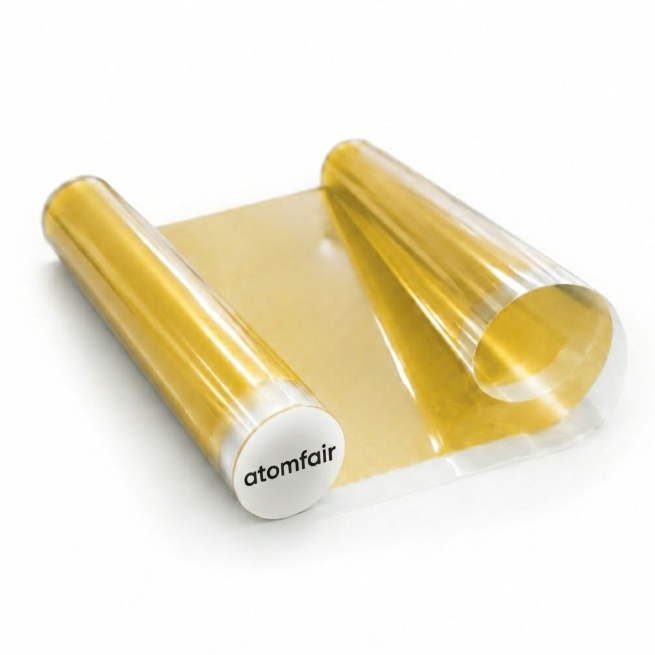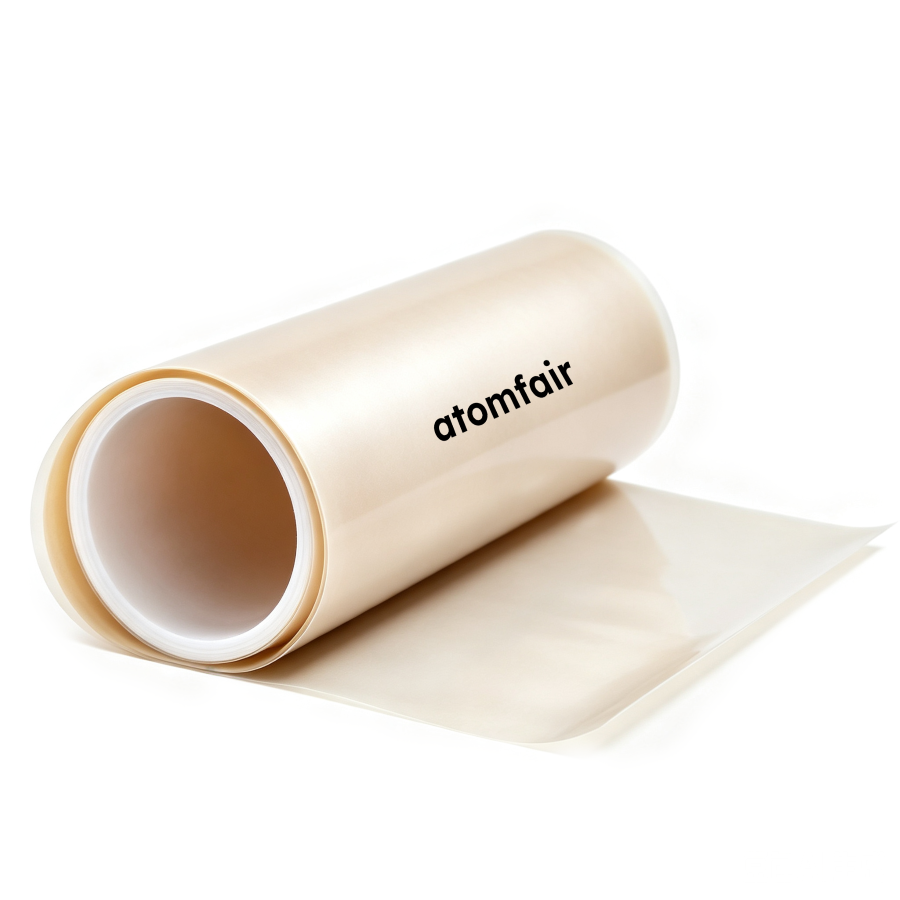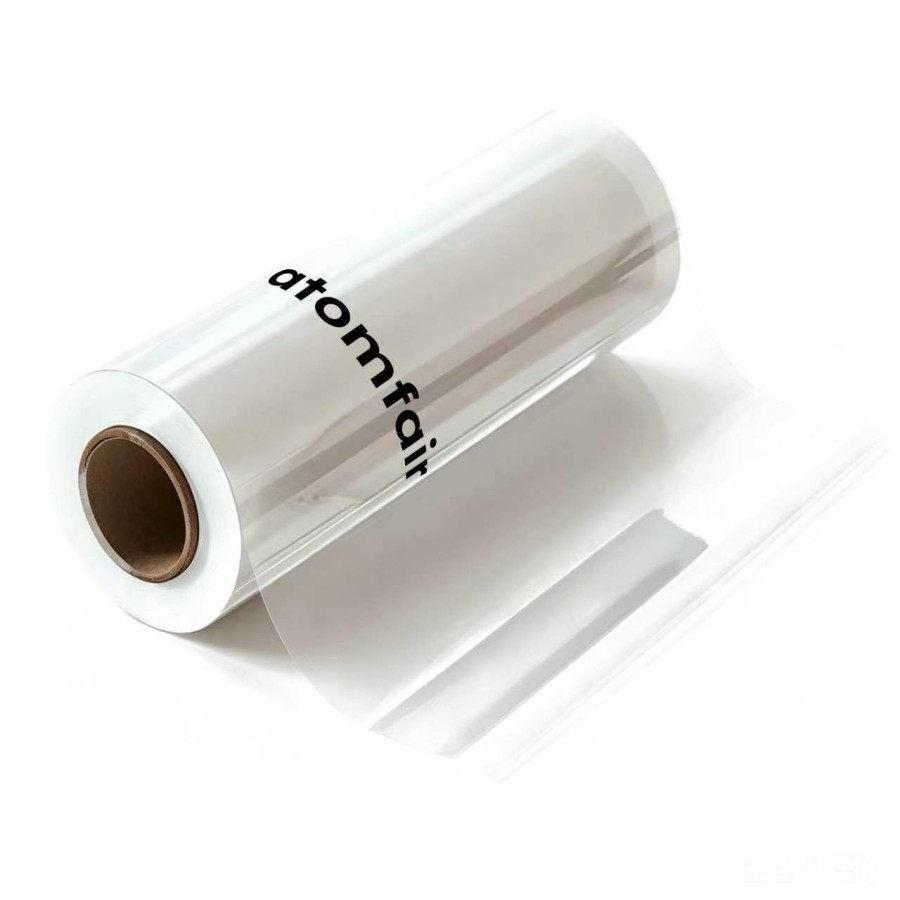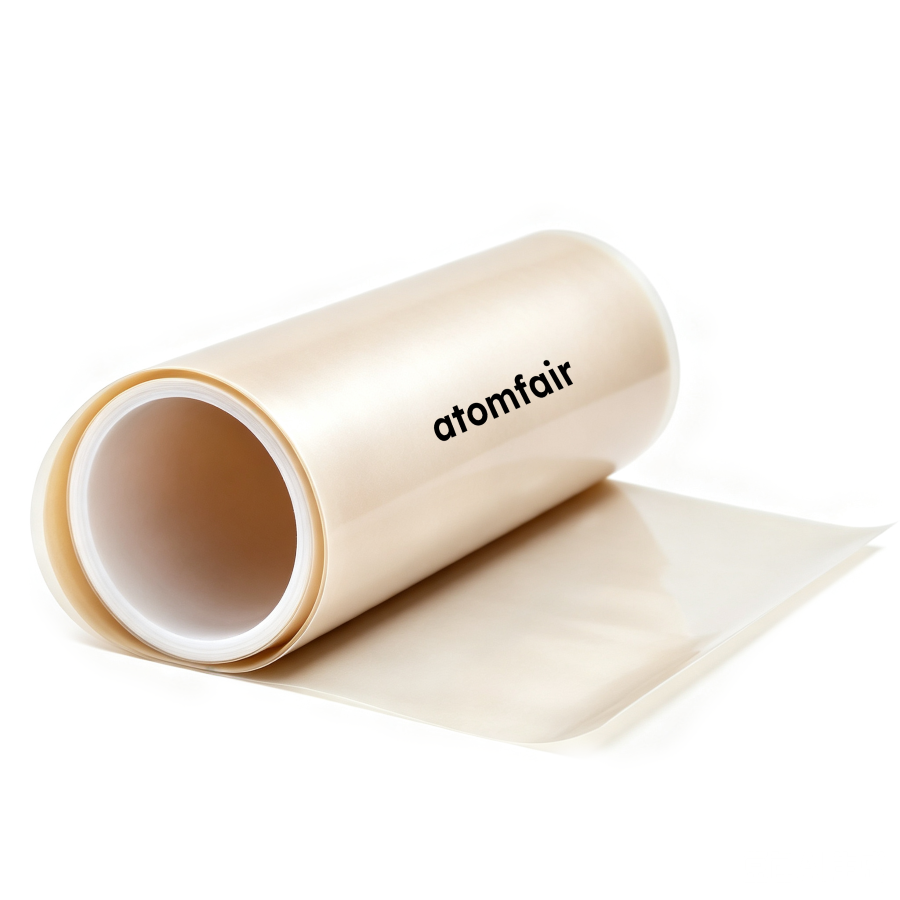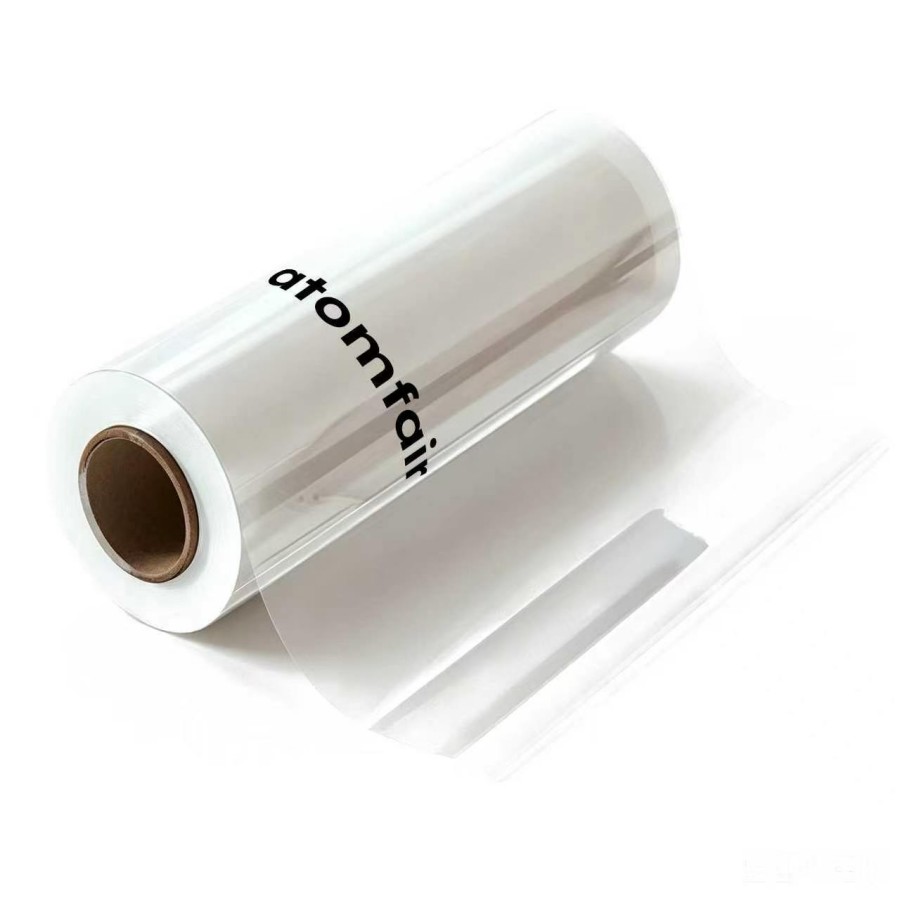
REINFORCED PROTON EXCHANGE MEMBRANERESEARCH GRADE MATERIAL
|
|||||||||||||||||||||||||||||
|
|||||||||||||||||||||||||||||
|
TAILORED SOLUTIONS FOR RESEARCH
Contact our engineering team for technical support or official quotations.
EMAIL: INQUIRY@ATOMFAIR.COM
|
|||||||||||||||||||||||||||||
|
Manufacturer: ATOMFAIR LLC
|
This membrane exhibits a linear swelling ratio of ≤5% in 3M HCl at 25°C for 1 hour, indicating controlled dimensional stability under acidic conditions. Water uptake is limited to ≤50%, which constrains hydration-induced mechanical stress during operation.
- Chemical Stability Constraint: The perfluorosulfonic acid resin matrix provides corrosion resistance in heavy acidic solutions, but prolonged exposure to oxidizing agents may degrade ion exchange capacity.
- Mechanical Integrity Constraint: Tensile strength of ≥25 MPa in both transverse and machine directions ensures structural endurance, but elongation at break ≥100% indicates potential for plastic deformation under sustained load.
- Environmental Sensitivity: The membrane's proton transport dynamics are sensitive to hydration levels, requiring controlled humidity to maintain optimal ion barrier isolation.
This procedure outlines safe handling and assembly steps to preserve membrane integrity during flow battery cell integration. Adherence prevents delamination or contamination that could compromise proton selectivity.
Required Equipment: Cleanroom gloves (nitrile, powder-free), Deionized water bath (25°C), Flat PTFE-coated tweezers
- Inspect Membrane
Inspect the membrane visually for any creases, tears, or particulate contamination before handling. - Hydrate Membrane
Immerse the membrane in deionized water at 25°C for at least 30 minutes to achieve equilibrium hydration. - Align in Cell Assembly
Transfer the hydrated membrane using flat PTFE-coated tweezers and align it centrally between the electrode gaskets. - Secure Compression
Apply uniform torque to the cell bolts in a cross-pattern sequence to achieve consistent compression without wrinkling the membrane. - Verify Seal Integrity
Confirm that the membrane edges are fully seated within the gasket channels to prevent electrolyte bypass leakage.
How does the 52 μm thickness and reinforcement matrix affect proton conductivity versus mechanical durability in VRFB stacks?
The 52 ± 3 μm nominal thickness combined with an internal macro-reinforcement scaffolding provides a deliberate trade-off: the thin profile maintains high proton transport dynamics, while the reinforcement ensures tensile strength ≥ 25 MPa in both transverse and machine directions and elongation at break ≥ 100%, preventing mechanical fatigue under acidic flow conditions. This design prioritizes structural endurance without compromising ion exchange capacity, which is rated at 900–1000 g/mol.
Can this reinforced PEM be integrated into Iron-Chromium flow battery stacks without compatibility issues?
Yes, this membrane is explicitly optimized for Iron-Chromium (Fe-Cr) fluid stacks as well as All-Vanadium Redox Flow Batteries (VRFB) and multi-parameter redox profiling configurations. Its perfluorosulfonic acid resin and reinforcement substrate deliver chemical stability under corrosion and ultra-selective ion barrier isolation, ensuring compatibility with the harsh acidic environments typical of Fe-Cr chemistries.
What are the required preconditioning and storage conditions to prevent membrane deformation before testing?
Sample sheets must be conditioned in a climate-controlled area at 23±2°C and 50±5% relative humidity for 24 hours prior to evaluation. To prevent localized deformation, unsealed products must be stored in vacuum-locked environmental compartments and handled only by qualified lab staff. The membrane is shipped hermetically heat-sealed in multi-layer protective barriers with structural preservation film linings.
This reinforced 52 μm proton exchange membrane offers high proton transport and chemical stability for flow battery applications, but requires strict environmental preconditioning and vacuum-sealed storage to maintain performance integrity.
Positive
- Reinforced structural integrity: The embedded macro-reinforcement matrix provides tensile strength ≥25 MPa in both transverse and machine directions, enabling durability in acidic flow battery stacks.
- Chemical resistance and low swelling: The perfluorosulfonic acid resin and multi-layer design deliver ultra-low linear swelling (≤5% in 3M HCl) and high proton conductivity, ensuring stable operation under corrosive conditions.
Trade-offs
- Strict preconditioning required: Samples must be conditioned for 24 hours in climate-controlled conditions (23±2°C, 50±5% RH) prior to evaluation to ensure data fidelity, adding setup time.
- Vacuum-sealed storage necessary: Extended ambient drying exposure can cause localized deformation; unsealed product must be kept in vacuum-locked environmental storage, requiring specialized lab infrastructure.
Every advanced material, component, equipment, and instrument in our catalog is backed by rigorous testing. We maintain strict internal quality management frameworks and align with CE conformity metrics to deliver transparent, reproducible performance data via our public open-science repository.
To request raw batch performance data, submit formal vendor registration paperwork, or execute a fast-turnaround R&D manufacturing loop, contact us at inquiry@atomfair.com.
Item is dispatched under the Atomfair Shipping & Delivery Framework (Free worldwide shipping on orders over $59 USD excl. heavy equipment). Return is governed by the Atomfair Return & Refund Policy (7-day technical return window).