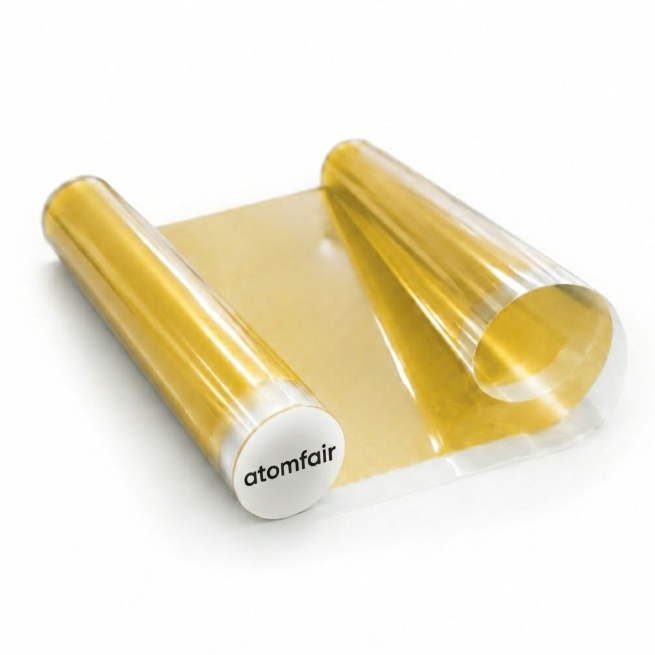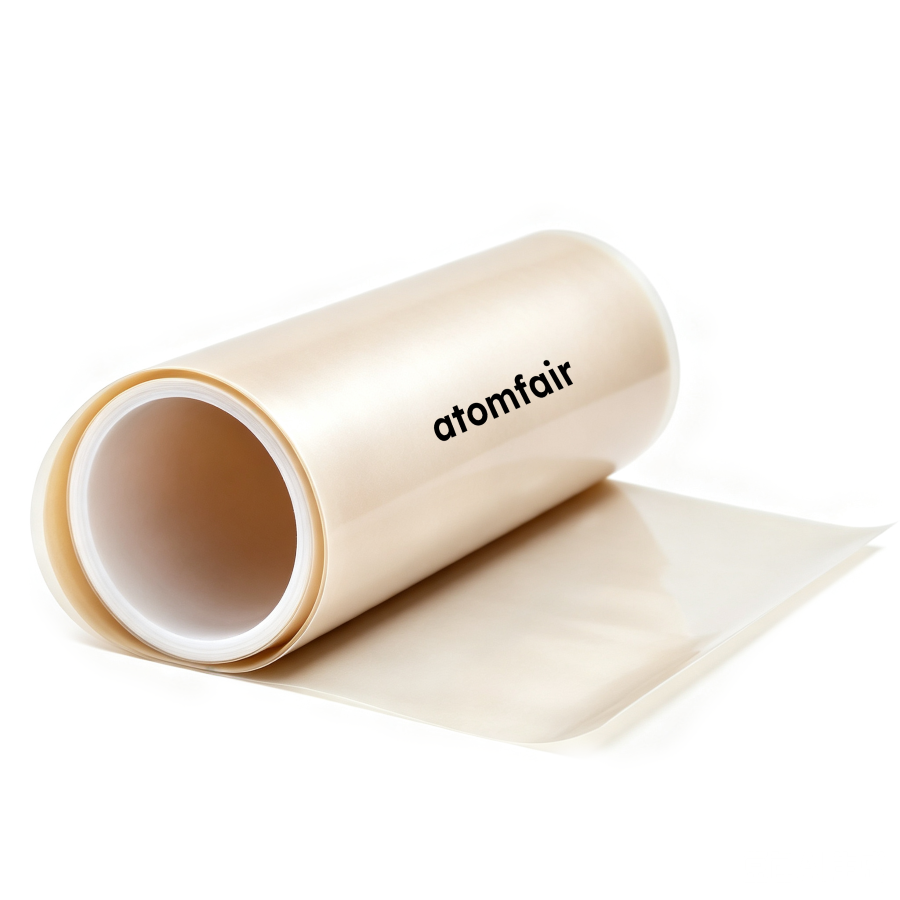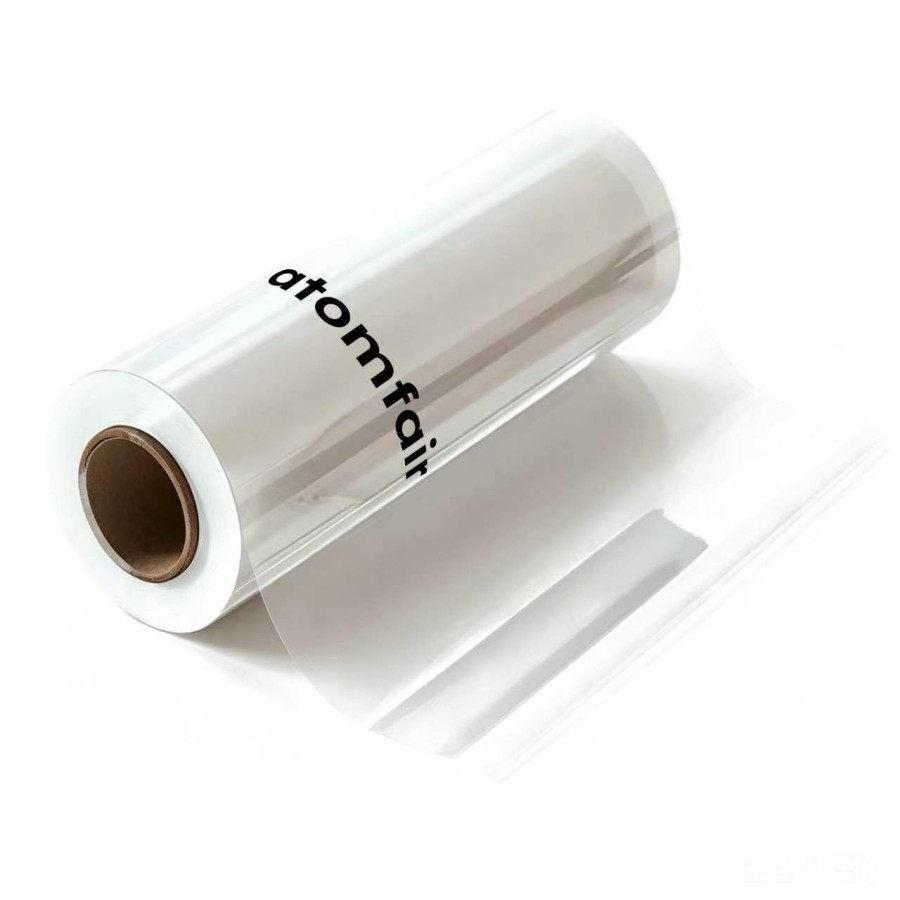
COMPOSITE CATION EXCHANGE MEMBRANES FOR FLOW BATTERIESRESEARCH GRADE MATERIAL
|
|||||||||||||||||||||||||||||||||||||||||||||||||||||||||||||||||||
|
|||||||||||||||||||||||||||||||||||||||||||||||||||||||||||||||||||
|
TAILORED SOLUTIONS FOR RESEARCH
Contact our engineering team for technical support or official quotations.
EMAIL: INQUIRY@ATOMFAIR.COM
|
|||||||||||||||||||||||||||||||||||||||||||||||||||||||||||||||||||
|
Manufacturer: ATOMFAIR LLC
|
|||||||||||||||||||||||||||||||||||||||||||||||||||||||||||||||||||
These composite cation exchange membranes require storage in a dry environment to maintain low water retention and dimensional stability. Compatibility with specific flow battery electrolytes must be verified to ensure barrier performance against crossover.
- Moisture Sensitivity: Store membranes in a dry atmosphere to preserve low water retention properties and prevent dimensional changes.
- Electrolyte Compatibility: Test compatibility with intended flow battery electrolytes to confirm barrier integrity and avoid chemical degradation.
- Mechanical Handling: Handle membranes with care to avoid puncture or tearing due to low thickness (50-60 μm) and high elongation properties.
How does the choice between PEM-A and PEM-C affect the balance between mechanical durability and electrochemical efficiency in a vanadium redox flow battery?
PEM-A (50 μm thickness) offers lower puncture strength at ≥500 gf but achieves higher energy efficiency (≥82.5%) and voltage efficiency (≥85.5%), while PEM-C (60 μm thickness) provides superior puncture strength (≥650 gf) at the cost of reduced efficiencies (≥81.5% and ≥83.5% respectively). The thicker substrate of PEM-C enhances mechanical tenacity but increases ionic resistance, lowering overall stack efficiency.
Can these composite cation exchange membranes be directly substituted for standard perfluorosulfonic acid membranes in existing flow battery stack designs?
Yes, these membranes are engineered as composite PFSA substrates with thicknesses of 50–60 μm and vanadium ion permeability ≤10×10⁻⁷ cm²·min⁻¹, comparable to commercial Nafion-type membranes. However, the lower water content (≤5–7%) and swelling ratio (≤5–7%) may require adjustment of hydration protocols to match the ionic conductivity profile of the original membrane.
What mechanical properties make these composite membranes resistant to tearing during flow battery stack assembly?
The internal structural matrices provide bidirectionally balanced tensile strength of ≥25–32 MPa in both transverse and machine directions (depending on grade), puncture strength ranging from ≥500 to ≥650 gf, and elongation at break ≥150–200%. These parameters ensure the membranes can withstand cutting, gasketing, and compressive clamping forces without mechanical failure.
This composite reinforced perfluorosulfonic acid cation exchange membrane series offers low water content (≤5–7%) and swelling ratio (≤5–7%), combined with high coulomb efficiency (≥96.5%) and low vanadium ion permeability (≤10×10⁻⁷ cm²·min⁻¹), making it suitable for flow battery stacks requiring minimal crossover and dimensional stability.
Positive
- Low crossover and high coulomb efficiency: Vanadium ion permeability ≤10×10⁻⁷ cm²·min⁻¹ and coulomb efficiency ≥96.5% across all variants provide robust barrier defense against active species crossover, preserving stack performance during prolonged cycling.
- High dimensional stability with low swelling: Swelling ratio ≤5–7% in both transverse and machine directions, combined with water content ≤5–7%, ensures minimal membrane deformation under hydrated conditions, maintaining consistent stack geometry and reducing mechanical stress on seals.
Trade-offs
- Thickness tolerance requires careful handling: Nominal thickness ranges from 50±2 μm to 60±3 μm, with tight tolerances that demand precise alignment during stack assembly to avoid localized pressure points or uneven compression that could compromise barrier integrity.
- Energy efficiency varies by variant: Energy efficiency ranges from ≥81.5% for PEM-C and PEM-D to ≥82.5% for PEM-A and PEM-B, indicating that thicker or higher-puncture-strength variants may incur slightly higher ohmic losses, which must be factored into system-level efficiency modeling.
Every advanced material, component, equipment, and instrument in our catalog is backed by rigorous testing. We maintain strict internal quality management frameworks and align with CE conformity metrics to deliver transparent, reproducible performance data via our public open-science repository.
To request raw batch performance data, submit formal vendor registration paperwork, or execute a fast-turnaround R&D manufacturing loop, contact us at inquiry@atomfair.com.
Item is dispatched under the Atomfair Shipping & Delivery Framework (Free worldwide shipping on orders over $59 USD excl. heavy equipment). Return is governed by the Atomfair Return & Refund Policy (7-day technical return window).