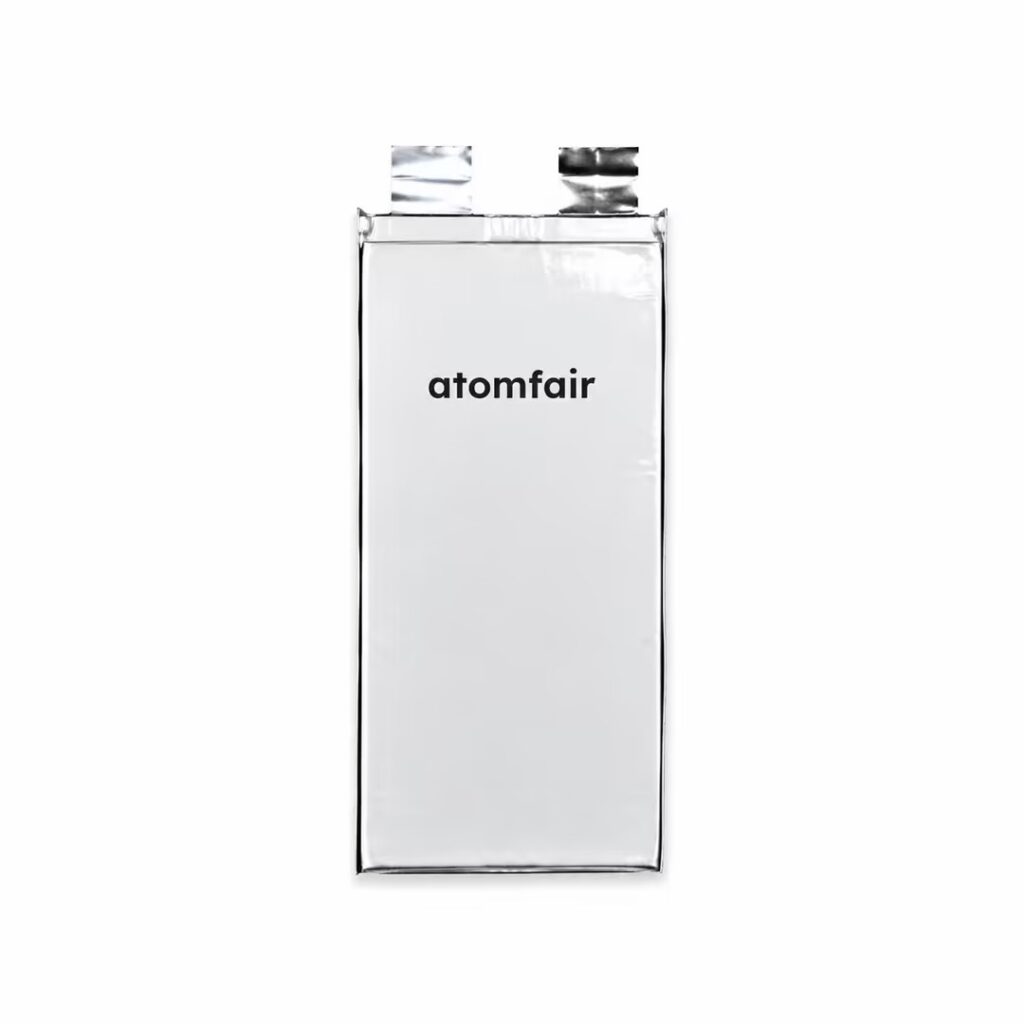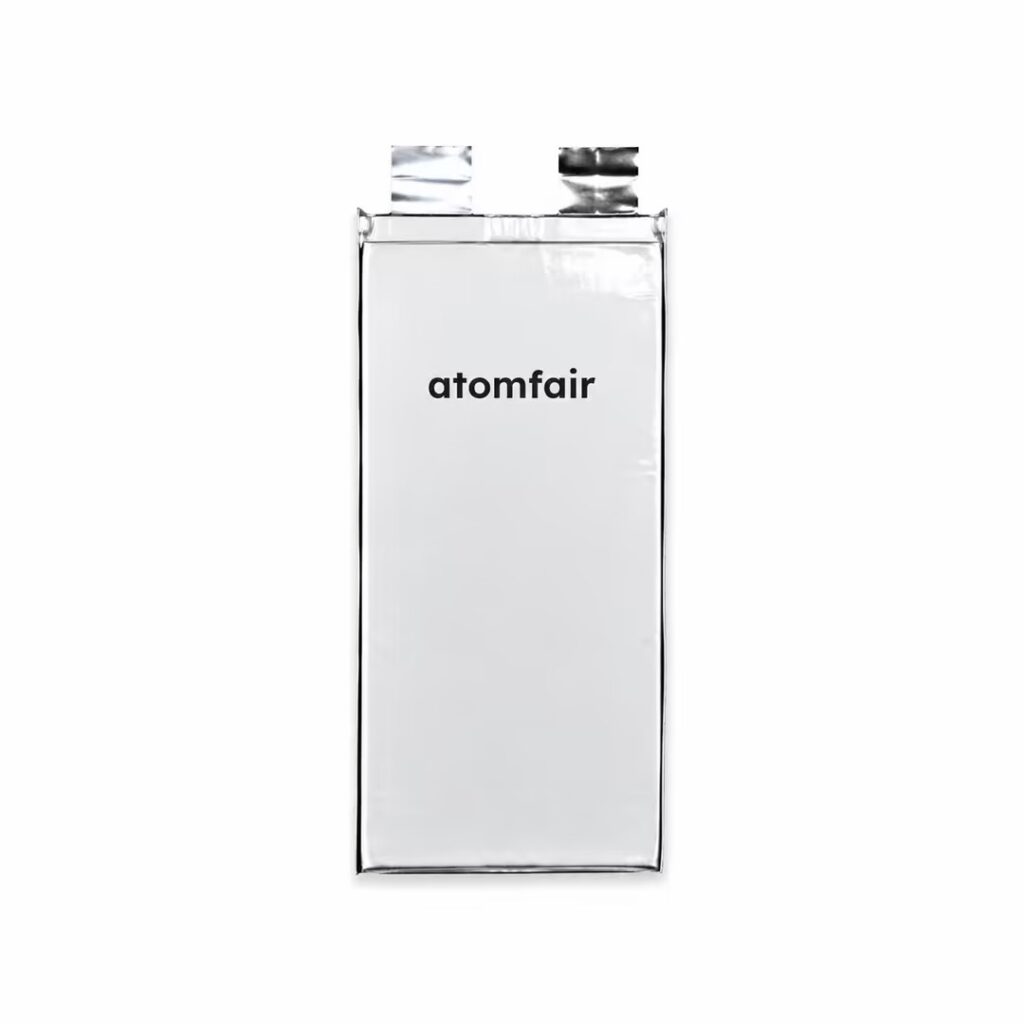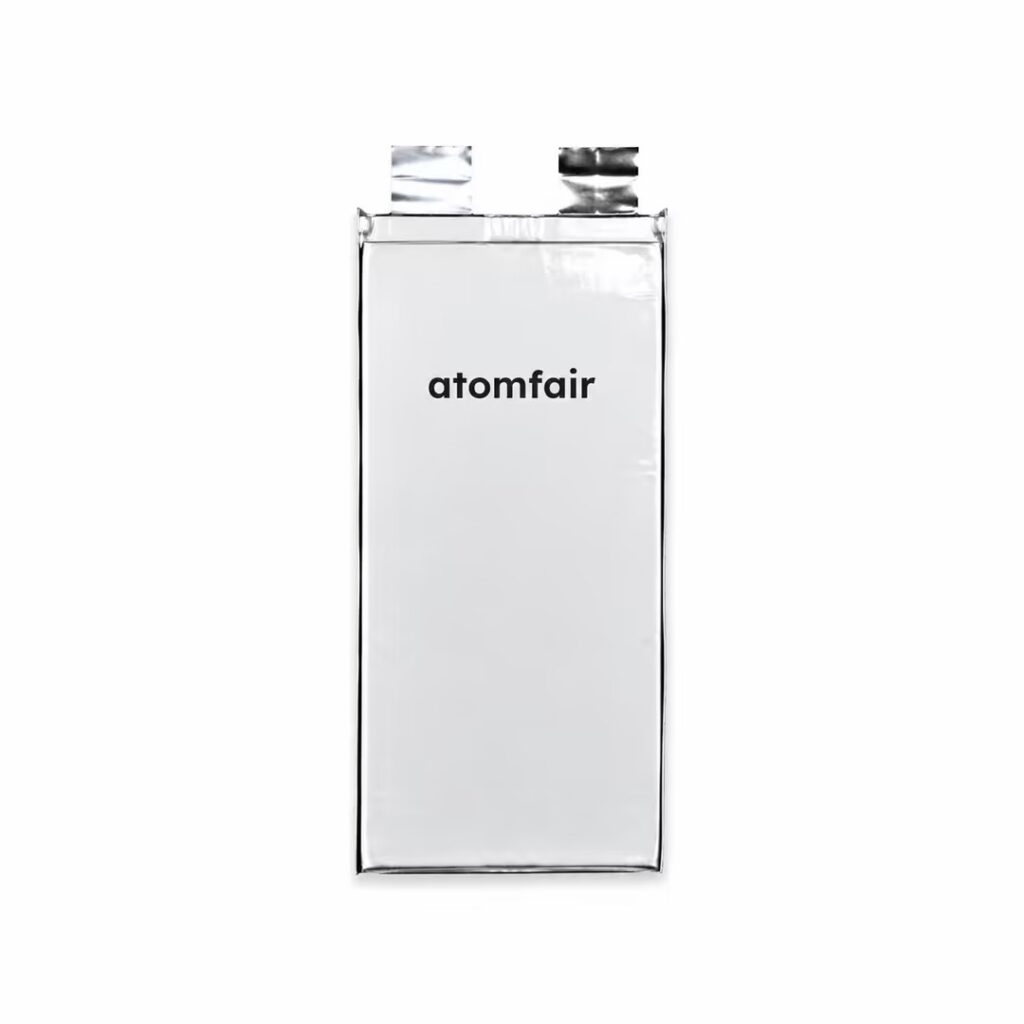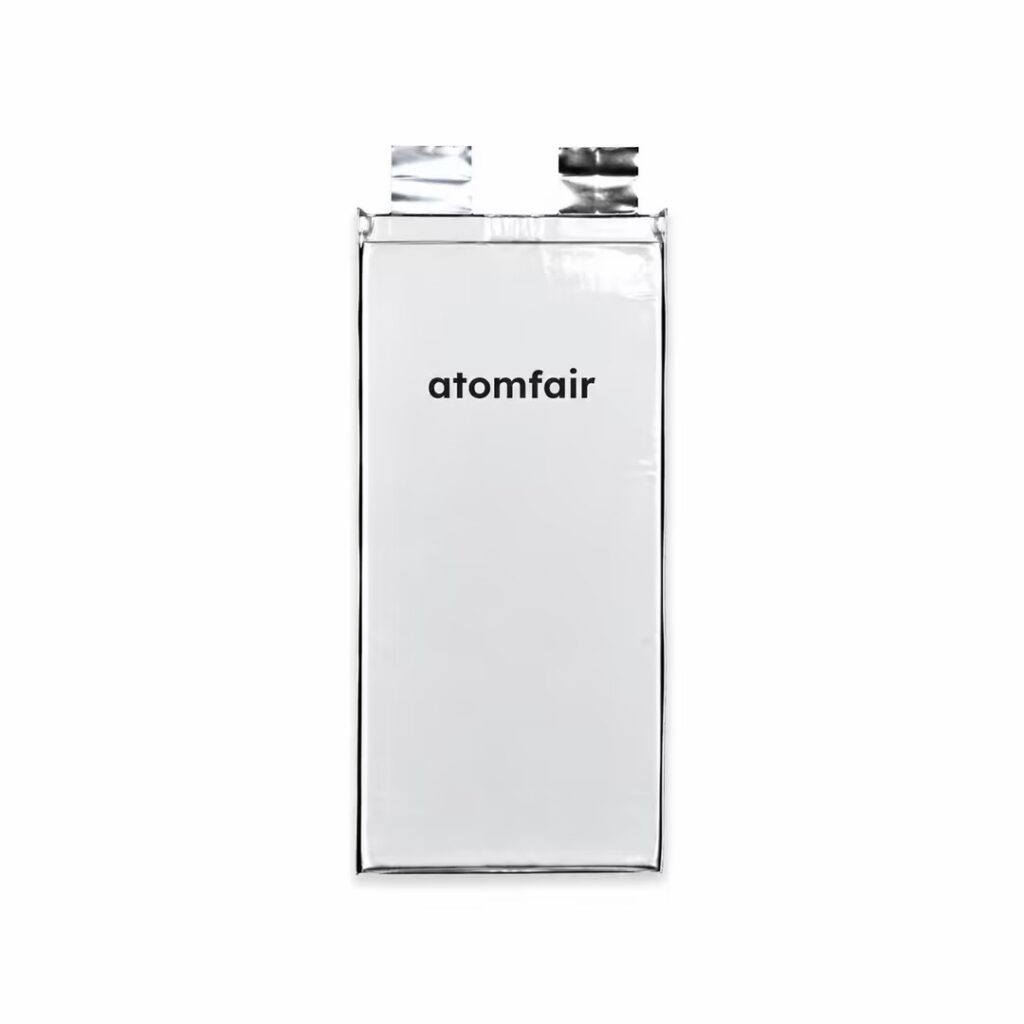
8540140-15 High-Capacity Lithium-ion Battery Cell (15Ah) | ATOMFAIR
Product Overview
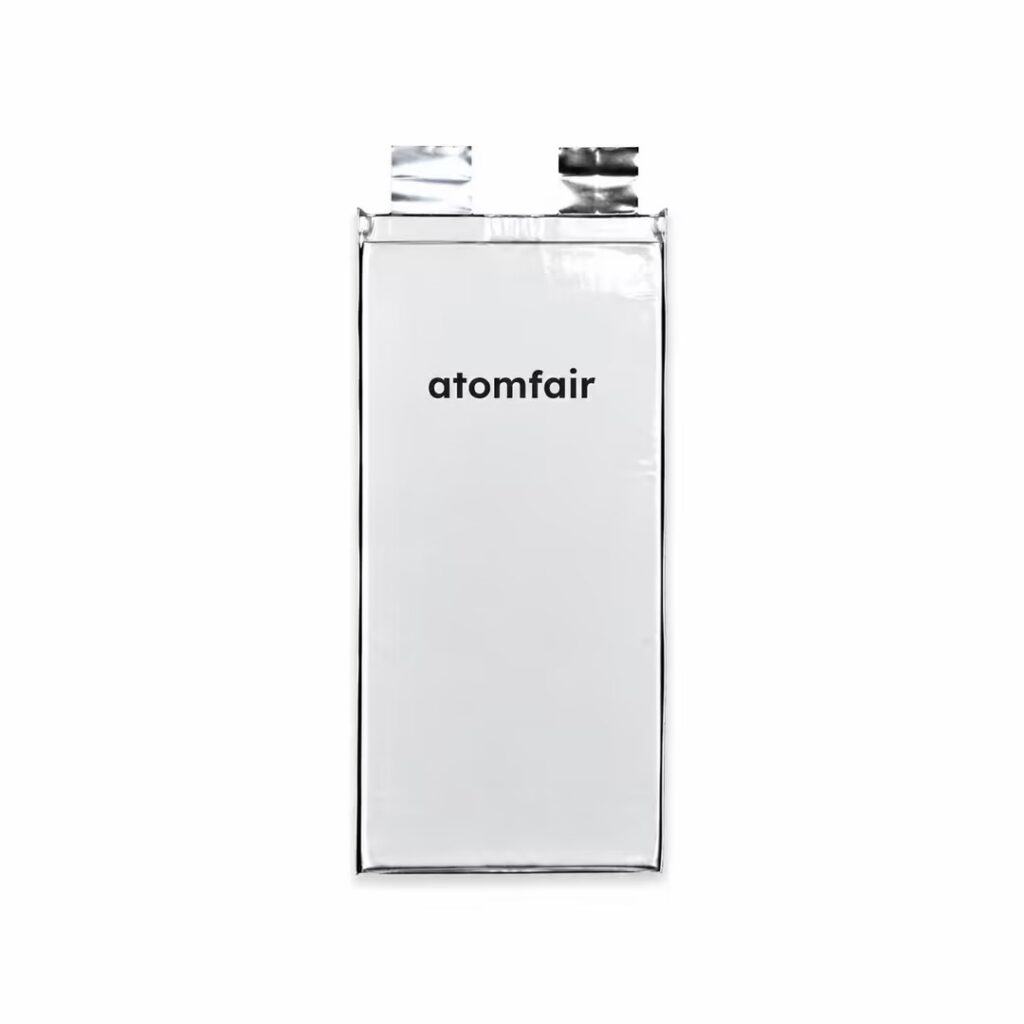
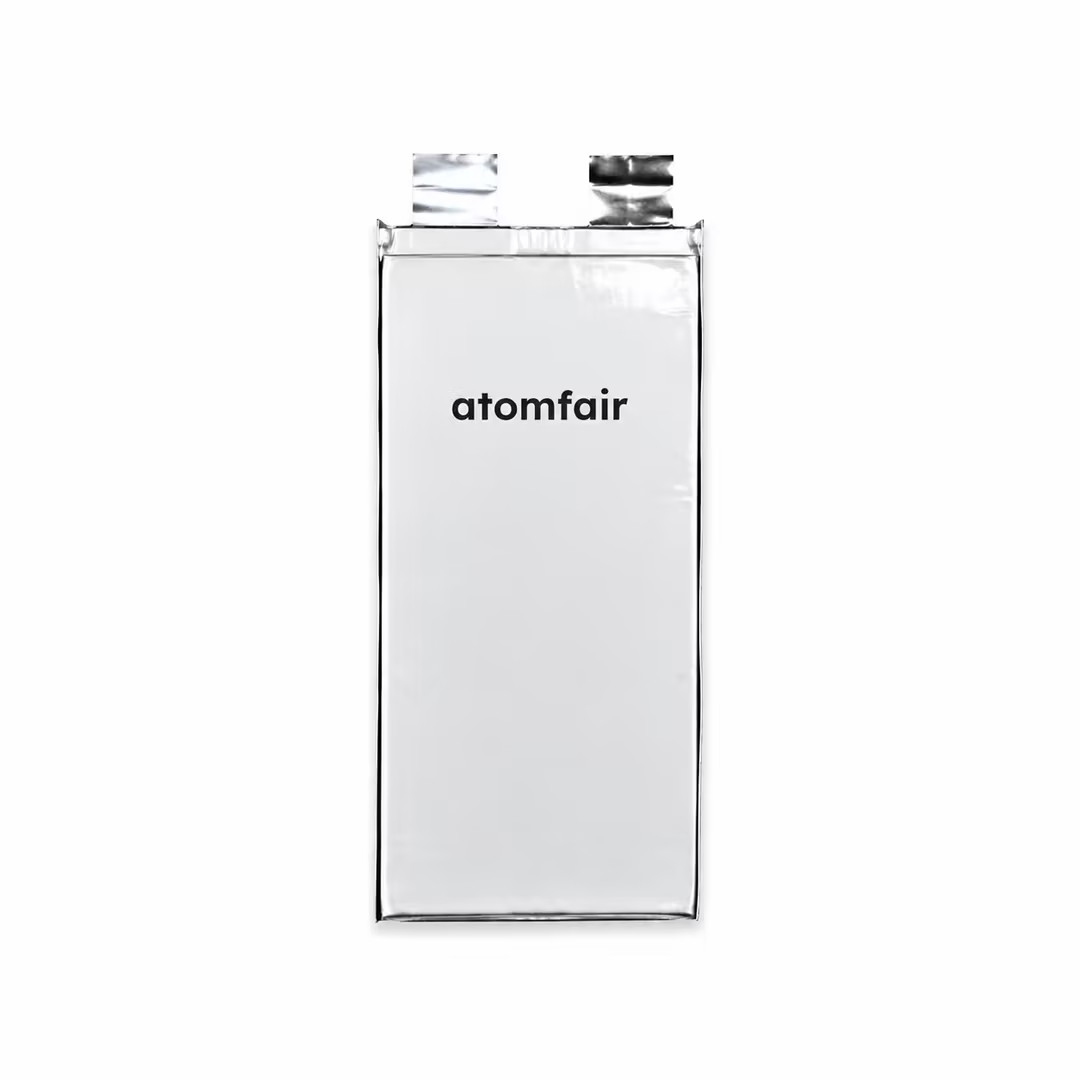
The 8540140-15 is a high-performance lithium-ion power cell featuring a substantial 15Ah capacity and stable energy delivery. Engineered for reliability, this cell meets rigorous safety standards, making it an ideal energy source for electric mobility, high-performance energy storage systems, and advanced scientific research applications. It operates on a stable lithium-ion chemistry platform, optimized for both continuous high-rate discharge and long-term shelf stability. For bulk inquiries or official volume quotations, please contact us via email at inquiry@atomfair.com.
Technical Specifications
| Parameter | Specification | Conditions / Remarks |
|---|---|---|
| Cell Model | 8540140-15 | / |
| Nominal Capacity | >= 15Ah | 0.5C, 25C, Fresh cell |
| Nominal Voltage | 3.8V | 0.2C, 25C |
| Work Voltage Range | 3.0V – 4.3V | / |
| Cell Dimensions | 8.5 x 40 x 140 mm | Thickness x Width x Length |
| Cell Weight | 120 +/- 3g | / |
| Max. Cont. Discharge Current | 2C (30A) | -20 to 45C |
| Max. Pulse Discharge Current | 5C (75A) | 10s @ 50% SOC |
| Cell Impedance (1kHz) | < 5 mOhm | 70% SOC, Fresh cell |
| Operating Temp (Discharge) | -20C to 45C | Charge: 10C to 45C |
Core Features & Advantages
High Capacity Density
Delivers a nominal capacity of 15Ah with a discharge energy of >= 52.06Wh at 0.2C, ensuring extended operation for high-demand systems.
Exceptional Power Delivery
Supports a maximum continuous discharge of 2C (30A) and pulse discharge up to 5C (75A) for robust instantaneous power response.
Advanced Safety Design
Rigorous compliance with safety tests including over-discharge, external short circuit, low pressure, and fall tests with no fire or explosion risks.
Slim Form Factor
The ultra-thin 8.5mm profile combined with high capacity offers exceptional space efficiency for custom battery pack integration.
Application Scope
- Electric Vehicles (EV/HEV)
- Electric Bicycles & Scooters
- Portable High-Power Equipment
- High-Energy-Density Power System R&D
- Unmanned Aerial Vehicles (UAVs)
- Renewable Energy Storage Prototypes
Accessories & Customization
Customization Services: We provide engineering support for custom PCM/BMS integration, nickel tab configurations, and series/parallel pack assembly.
Technical Note: For optimal performance, use a dedicated lithium-ion charger with CC/CV mode. Please contact us for detailed CAD drawings and step-by-step assembly guidelines for research purposes.
This lithium-ion cell requires operation within a charge temperature range of 10°C to 45°C and a discharge range of -20°C to 45°C. The cell voltage must be maintained between 3.0V and 4.3V, and continuous discharge current should not exceed 30A (2C) to prevent thermal runaway.
- Charge Temperature Range: Charge the cell only within 10°C to 45°C to avoid degradation.
- Discharge Temperature Range: Discharge the cell only within -20°C to 45°C to maintain performance.
- Voltage Limits: Maintain cell voltage between 3.0V and 4.3V during operation to prevent over-discharge or overcharge.
- Continuous Discharge Current Limit: Limit continuous discharge current to 30A (2C) to avoid excessive heating.
- Charger Requirement: Use a dedicated lithium-ion charger with CC/CV mode for safe charging.
What is the maximum continuous and pulse discharge current rating for the 8540140-15 cell at different states of charge?
The cell supports a maximum continuous discharge of 2C (30A) over the full operating temperature range (-20 to 45°C) and a pulse discharge of 5C (75A) for 10 seconds at 50% SOC. At lower SOC, pulse capability may be reduced; the specification explicitly states the pulse condition at 50% SOC.
What charger specifications are required for safe charging of the 8540140-15 cell?
The cell requires a dedicated lithium-ion charger with CC/CV (constant current/constant voltage) mode. The charge voltage range is 3.0V to 4.3V (work voltage range), and the recommended charge temperature is 10°C to 45°C. Using an improper charger may lead to safety risks.
What safety tests has the 8540140-15 cell passed to ensure reliability in research applications?
The cell has passed rigorous safety tests including over-discharge, external short circuit, low pressure, and fall tests with no fire or explosion risks. These tests confirm its suitability for high-energy-density power system R&D and other demanding applications.
The 8540140-15 is a 15Ah lithium-ion power cell with a slim 8.5mm profile, delivering up to 30A continuous and 75A pulse discharge, but requires careful thermal management for charging below 10°C and external BMS integration for safe operation.
Positive
- High Capacity Density in Slim Profile: The cell delivers 15Ah nominal capacity in an 8.5mm thickness, enabling high-energy-density pack designs with minimal spatial footprint.
- High Continuous and Pulse Discharge: Supports 2C (30A) continuous discharge and 5C (75A) pulse for 10 seconds, suitable for high-power applications like UAVs and electric vehicles.
Trade-offs
- Restricted Charging Temperature Range: Charging is limited to 10°C to 45°C; operation below 10°C requires thermal management to avoid damage or reduced performance.
- Requires External BMS and Dedicated Charger: The cell is a bare lithium-ion cell requiring an external BMS for safety and a CC/CV charger, adding integration complexity and cost.
Every advanced material, component, equipment, and instrument in our catalog is backed by rigorous testing. We maintain strict internal quality management frameworks and align with CE conformity metrics to deliver transparent, reproducible performance data via our public open-science repository.
To request raw batch performance data, submit formal vendor registration paperwork, or execute a fast-turnaround R&D manufacturing loop, contact us at inquiry@atomfair.com.
Item is dispatched under the Atomfair Shipping & Delivery Framework (Free worldwide shipping on orders over $59 USD excl. heavy equipment). Return is governed by the Atomfair Return & Refund Policy (7-day technical return window).