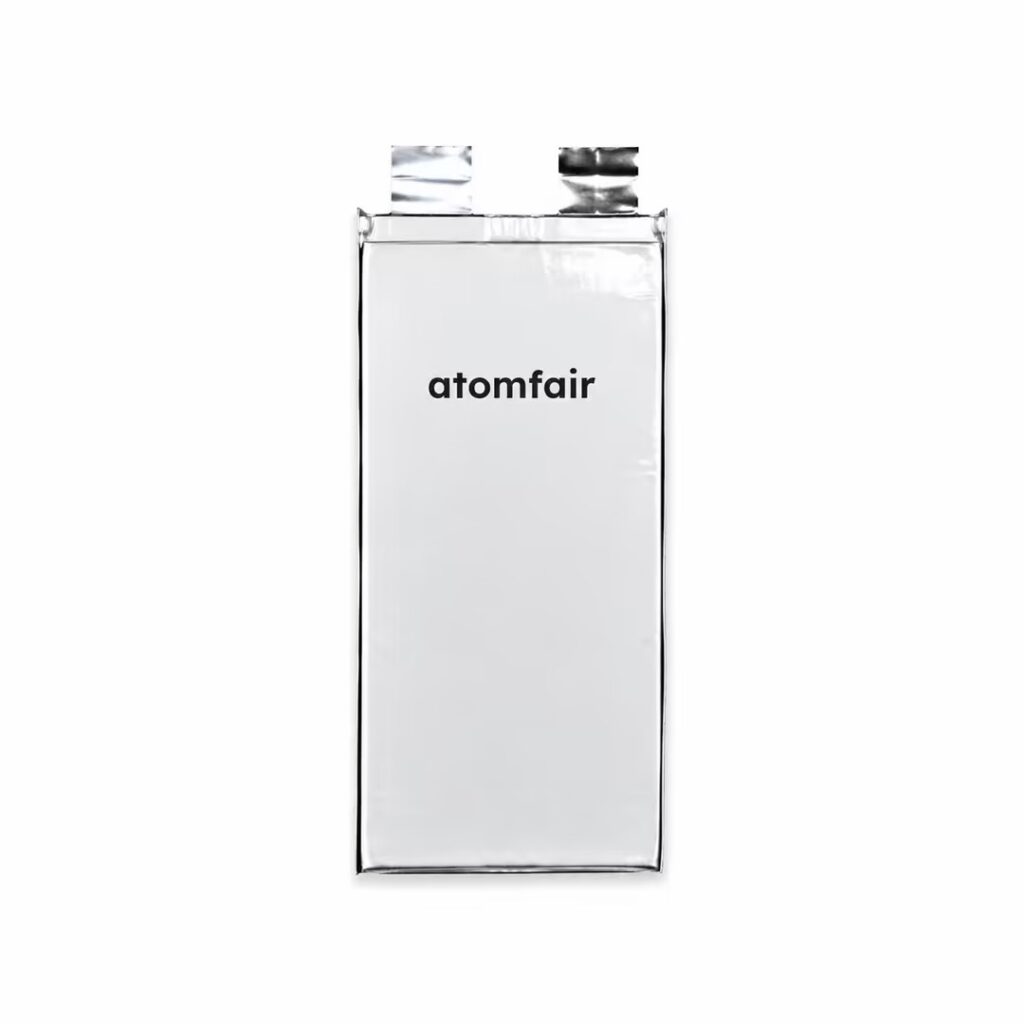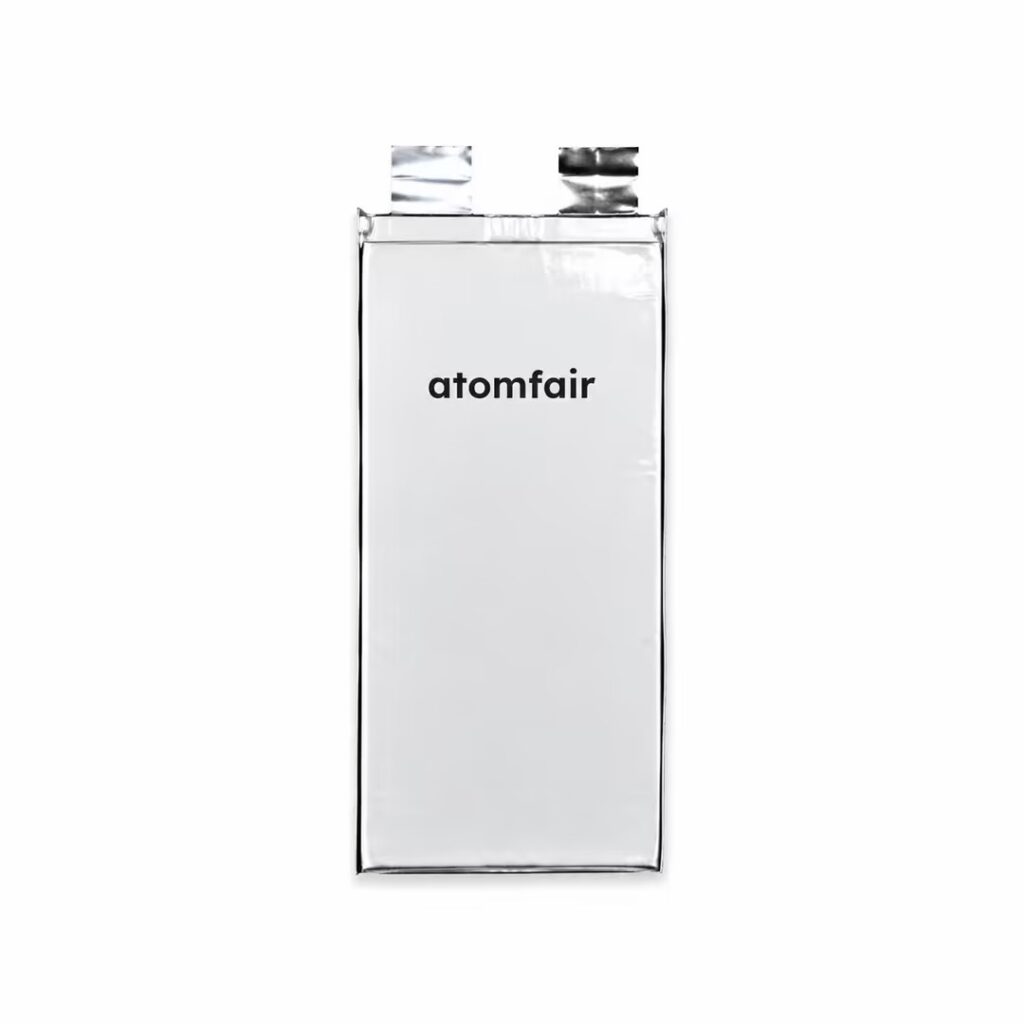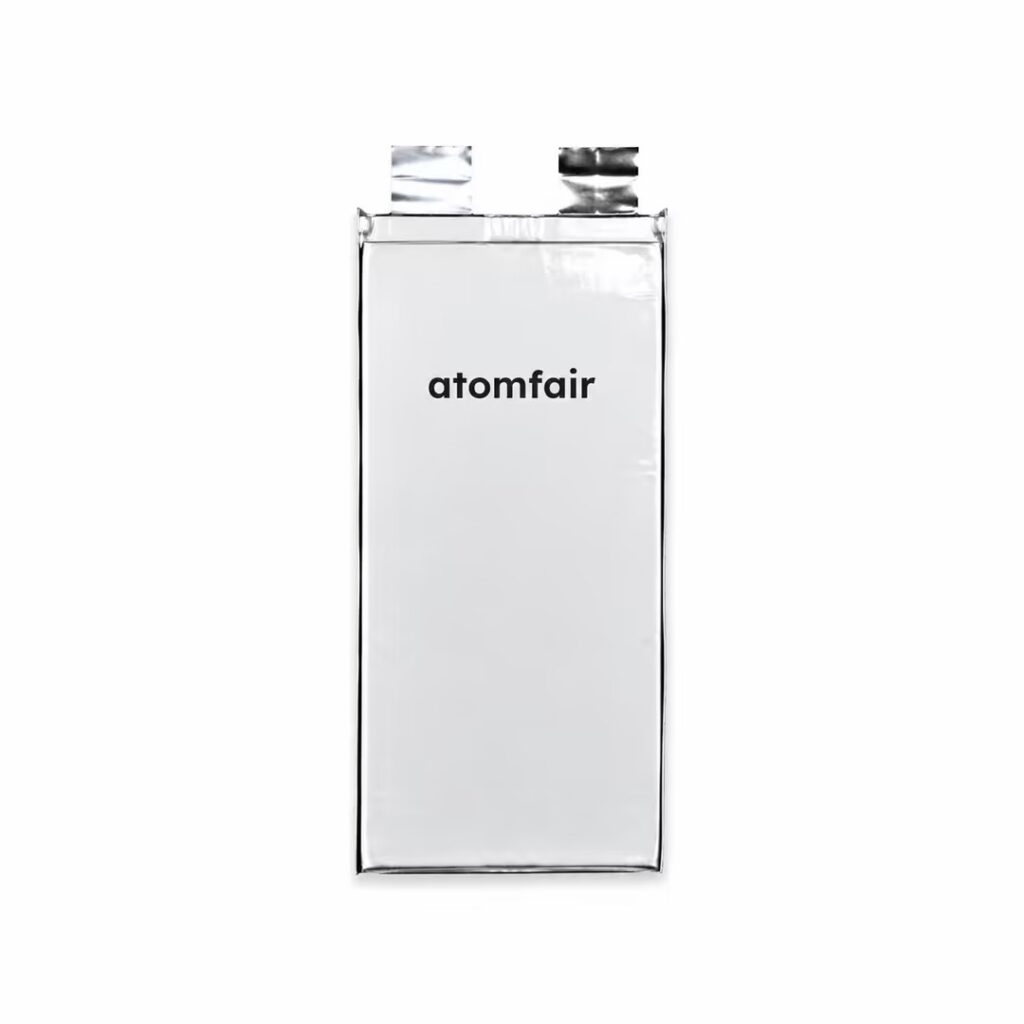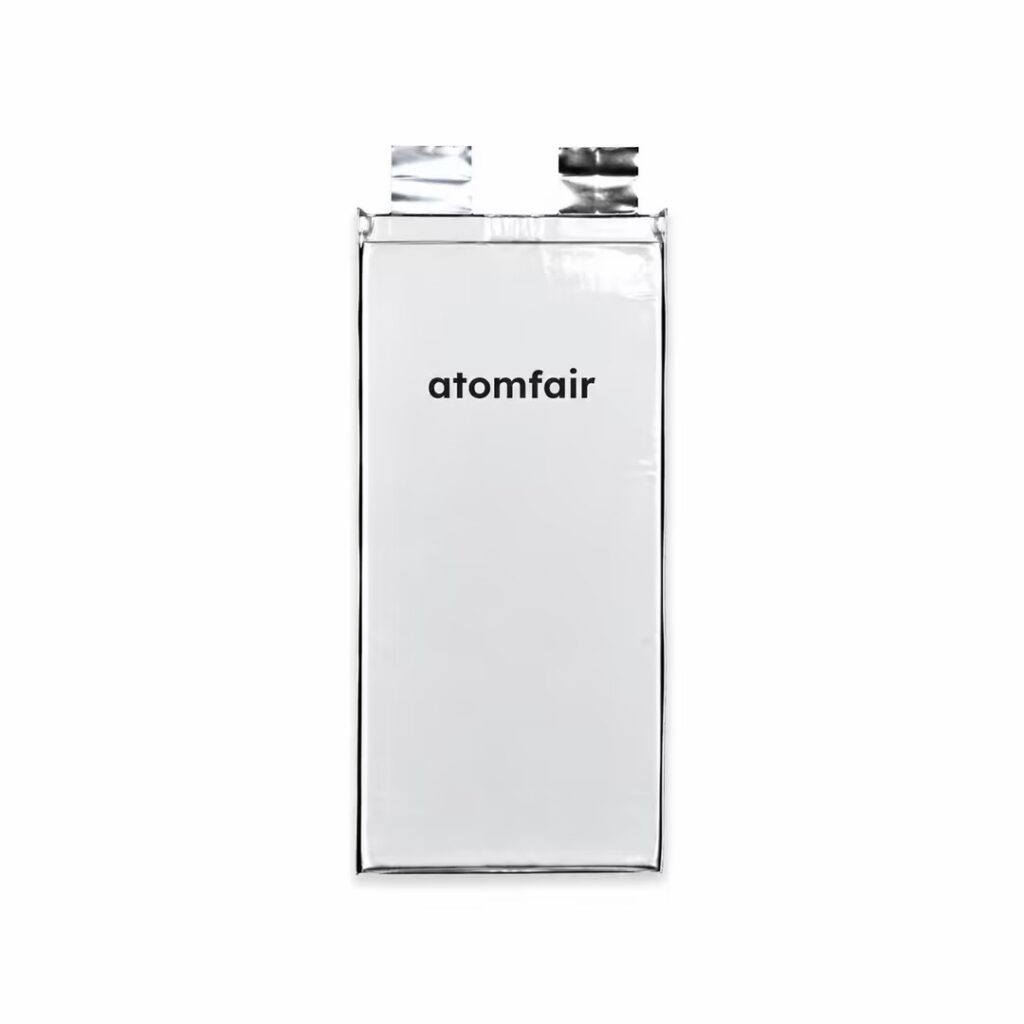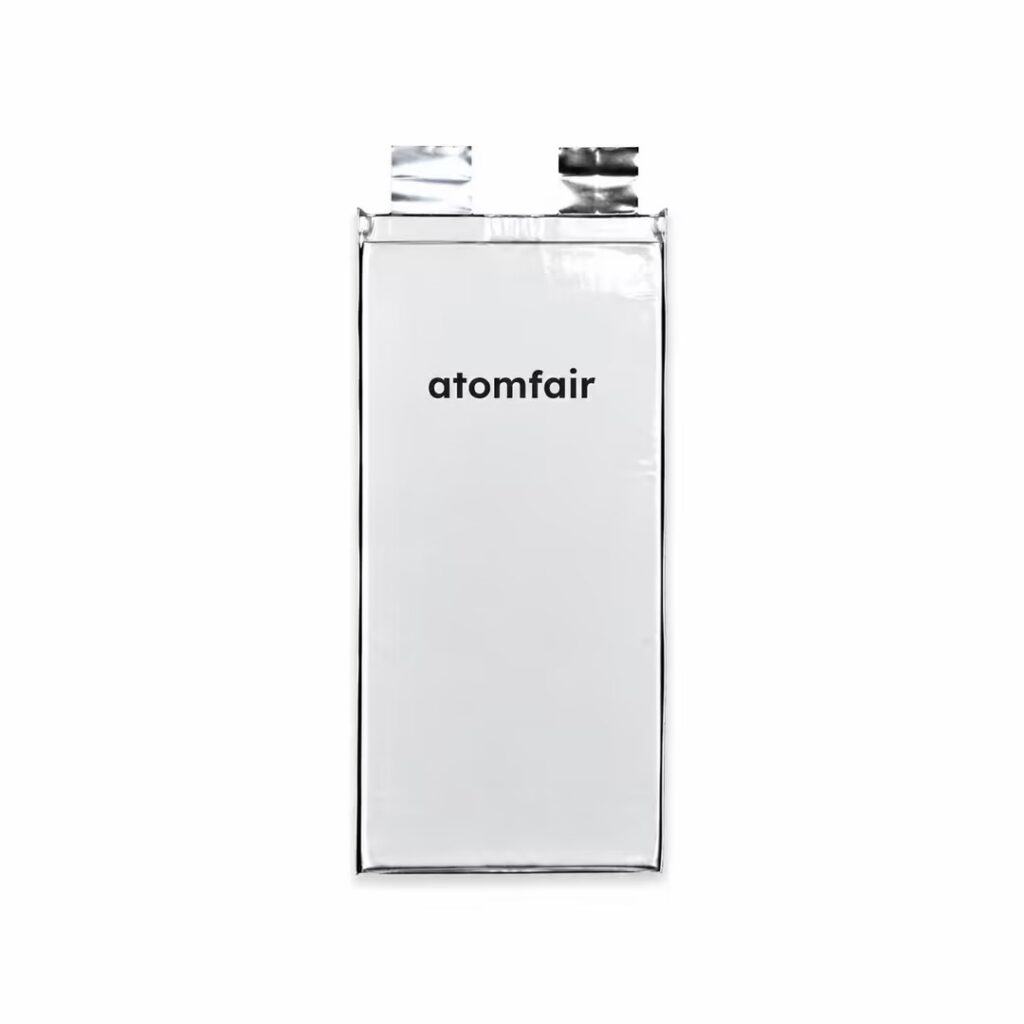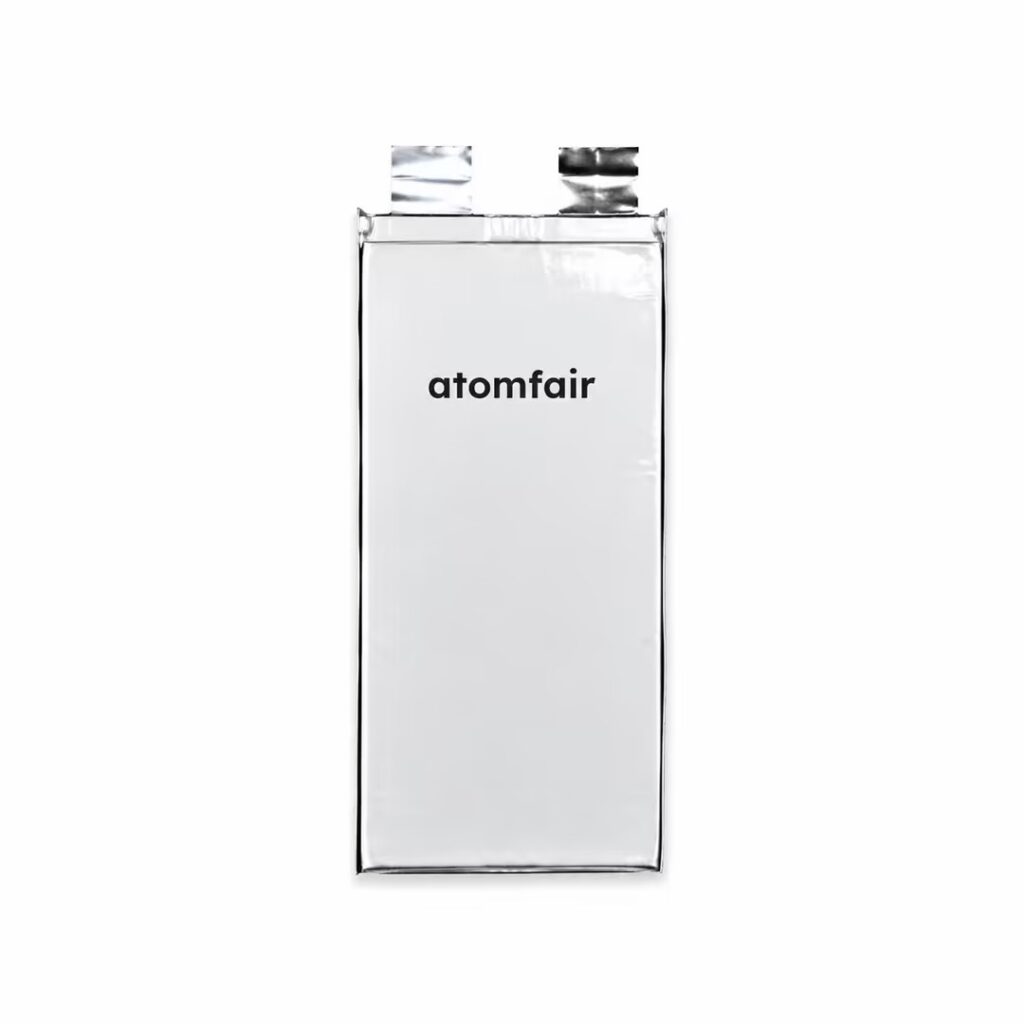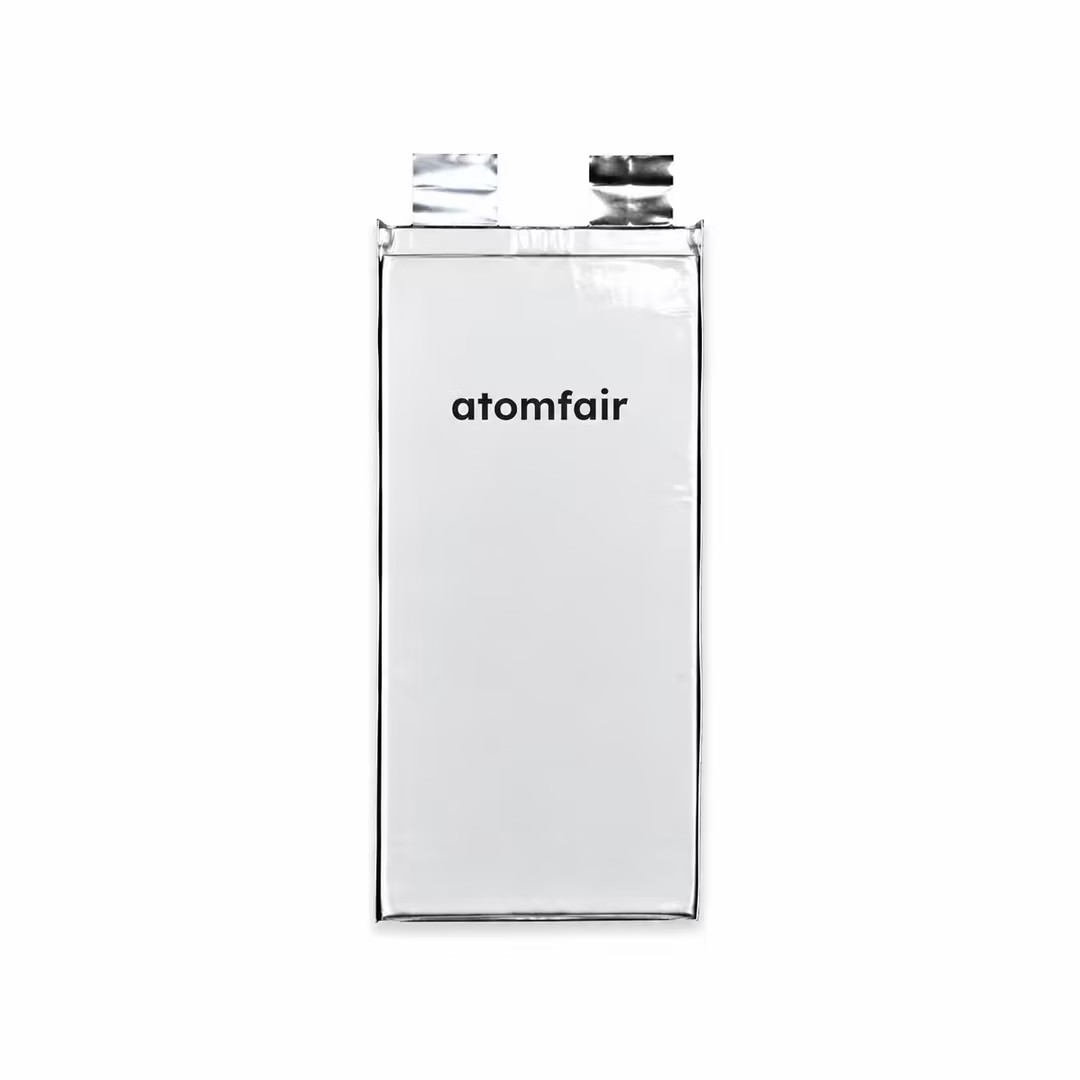
EC02 Series Ultra-High Energy Solid-State Cells (490Wh/kg UAV Battery) | ATOMFAIR
Product Overview
The EC02 series represents a new peak in energy storage technology, specifically engineered for high-altitude long-endurance (HALE) platforms where weight constraints are extreme. Utilizing advanced solid-state chemistry, these cells deliver a revolutionary energy density of up to 490Wh/kg. By providing unprecedented lightweight power solutions, the EC02 series enables specialized aircraft and elite UAVs to surpass traditional flight endurance limits, making it the premier choice for cutting-edge aerospace research and deployment. For bulk inquiries or official volume quotations, please contact us via email at inquiry@atomfair.com.
Technical Specifications
| Specification | EC023158T1-3 | EC0240140T1-15 |
|---|---|---|
| Nominal Capacity | 3Ah | 15Ah |
| Energy Density | 420Wh/kg | 490Wh/kg |
| Nominal Voltage | 3.83V | 3.83V |
| Cell Size (mm) | 7.8 * 31 * 58 | 8.5 * 40 * 140 |
| Voltage Range | 3.0V – 4.3V | 3.0V – 4.3V |
| Max. Charge Rate | 0.5C | 0.5C |
| Cont. Discharge Rate | 3C | 3C |
| Operating Temperature | -20°C to 60°C | -20°C to 60°C |
| Cycle Life @RT | 0.2C/3C ≥ 50 cycles | 0.2C/3C ≥ 50 cycles |
Core Features & Advantages
Global Density Peak
Industry-shattering energy density of up to 490Wh/kg, offering the highest energy-to-weight ratio for extreme flight requirements.
Aerospace-Grade Weight Reduction
Optimized for platforms with stringent weight constraints, enabling increased payload capacity or significantly extended airtime.
HALE Mission Optimized
Specifically designed for High-Altitude Long-Endurance (HALE) missions, maintaining stable 3C discharge under operational loads.
Application Scope
- High-Altitude Long-Endurance (HALE) UAVs
- Specialized Stratospheric Aircraft
- Ultra-Lightweight Research Prototyping
- Deep-Endurance Reconnaissance Platforms
Accessories & Customization
BMS Engineering: Specialized management protocols for low-charge/high-discharge cycles typical of high-altitude operations.
Custom Form Factors: Bespoke dimensions available for aerodynamic integration in specialized specialized airframes.
Thermal Data: Comprehensive heat dissipation profiles and discharge curve data available for aerospace simulation upon request.
These solid-state cells require operation within a voltage window of 3.0V to 4.3V and an ambient temperature range of -20°C to 60°C. Charge current must not exceed 0.5C and continuous discharge current must not exceed 3C to maintain cell integrity.
- Voltage Window: The cell must be maintained within 3.0V to 4.3V to prevent over-discharge or overcharge damage.
- Temperature Range: Operation is restricted to ambient temperatures between -20°C and 60°C to avoid thermal stress.
- Charge Rate Limit: Charge current is limited to 0.5C to prevent excessive heat generation.
- Discharge Rate Limit: Continuous discharge current is limited to 3C to maintain safe operation under load.
- BMS Requirement: A specialized BMS with protocols for low-charge/high-discharge cycles is required for high-altitude operation.
What is the practical trade-off between the 420Wh/kg and 490Wh/kg variants of the EC02 series in terms of capacity and application suitability?
The main trade-off is nominal capacity and physical size: the 420Wh/kg variant (EC023158T1-3) offers 3Ah at 7.8×31×58mm, while the 490Wh/kg variant (EC0240140T1-15) offers 15Ah at 8.5×40×140mm, providing higher energy density for larger payloads. Both share the same voltage range (3.0–4.3V), max charge rate (0.5C), continuous discharge rate (3C), and operating temperature (-20°C to 60°C). The 490Wh/kg version is optimized for high-altitude long-endurance (HALE) UAVs with extreme weight constraints, whereas the 420Wh/kg cell may suit lighter platforms where moderate capacity suffices.
What are the specific integration requirements for the EC02 series solid-state cells in high-altitude long-endurance UAV platforms?
The EC02 cells are designed for HALE missions and require a BMS with specialized management protocols for low-charge/high-discharge cycles typical of high-altitude operations. Custom form factors are available for aerodynamic integration into specialized airframes. Comprehensive heat dissipation profiles and discharge curve data can be provided for aerospace simulation upon request. The cells operate reliably from -20°C to 60°C, ensuring stable 3C discharge under operational loads in extreme environments.
What are the key operational constraints and cycle life expectations for the EC02 series when used in high-discharge aerospace applications?
The EC02 series cells have a cycle life of ≥50 cycles at room temperature under 0.2C charge/3C discharge. Maximum continuous discharge rate is 3C, maximum charge rate is 0.5C, and the voltage range is 3.0V to 4.3V. The operating temperature range is -20°C to 60°C. These constraints are critical for maintaining safety and performance in deep-endurance reconnaissance platforms and must be respected to avoid premature degradation or failure.
The EC02 series solid-state cells provide up to 490Wh/kg energy density for HALE UAVs, but with a limited cycle life of ≥50 cycles and a maximum charge rate of 0.5C, requiring careful mission planning for low-cycle, high-endurance applications.
Positive
- Ultra-high energy density (490Wh/kg): The highest energy-to-weight ratio available, enabling extreme flight endurance and increased payload capacity for HALE UAVs and stratospheric aircraft.
- Aerospace-grade weight reduction: Optimized for stringent weight constraints, allowing platforms to extend airtime or carry additional instrumentation without exceeding mass limits.
Trade-offs
- Limited cycle life (≥50 cycles): At 0.2C/3C discharge, the cell is rated for only 50 cycles, making it unsuitable for high-cycle-rate applications and requiring careful mission planning for single-use or low-cycle deployments.
- Low maximum charge rate (0.5C): The charge rate is limited to 0.5C, which may impose operational delays for rapid turnaround between missions and requires dedicated BMS protocols for low-charge/high-discharge cycles.
Every advanced material, component, equipment, and instrument in our catalog is backed by rigorous testing. We maintain strict internal quality management frameworks and align with CE conformity metrics to deliver transparent, reproducible performance data via our public open-science repository.
To request raw batch performance data, submit formal vendor registration paperwork, or execute a fast-turnaround R&D manufacturing loop, contact us at inquiry@atomfair.com.
Item is dispatched under the Atomfair Shipping & Delivery Framework (Free worldwide shipping on orders over $59 USD excl. heavy equipment). Return is governed by the Atomfair Return & Refund Policy (7-day technical return window).